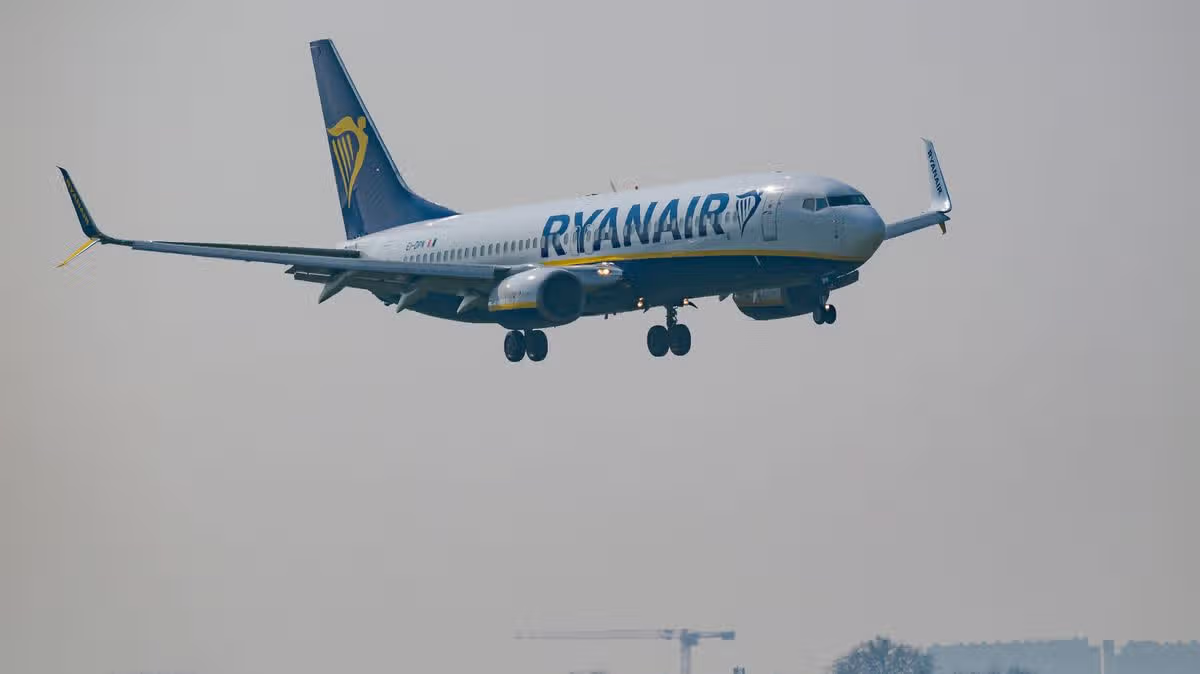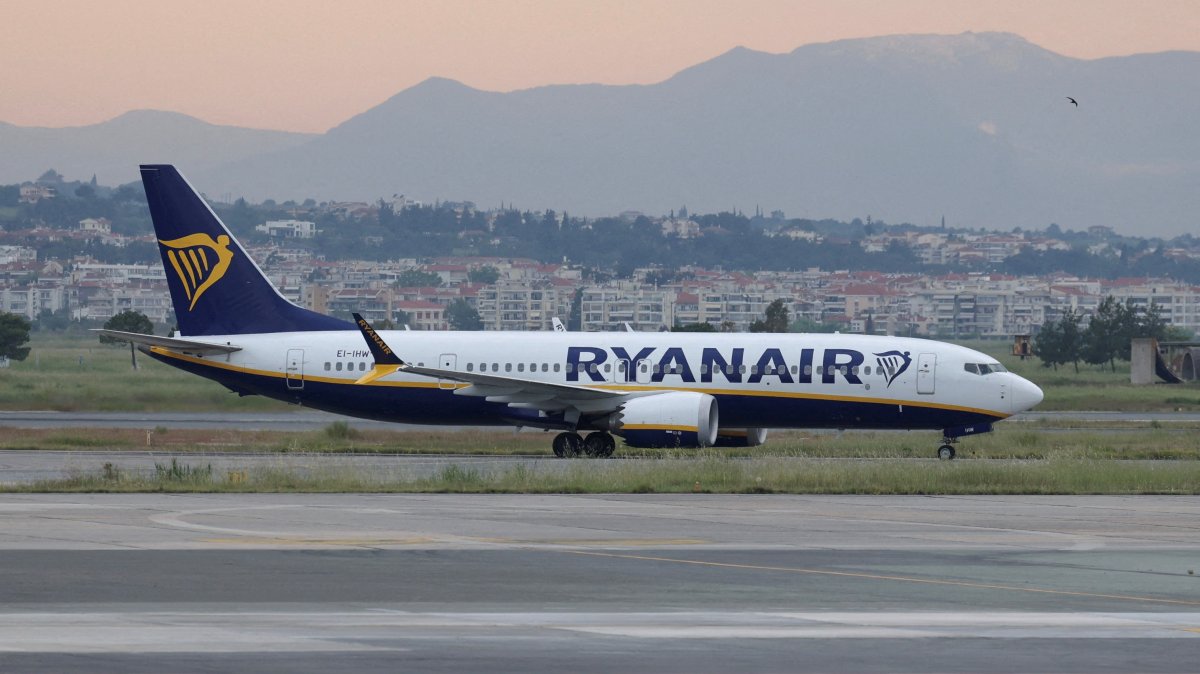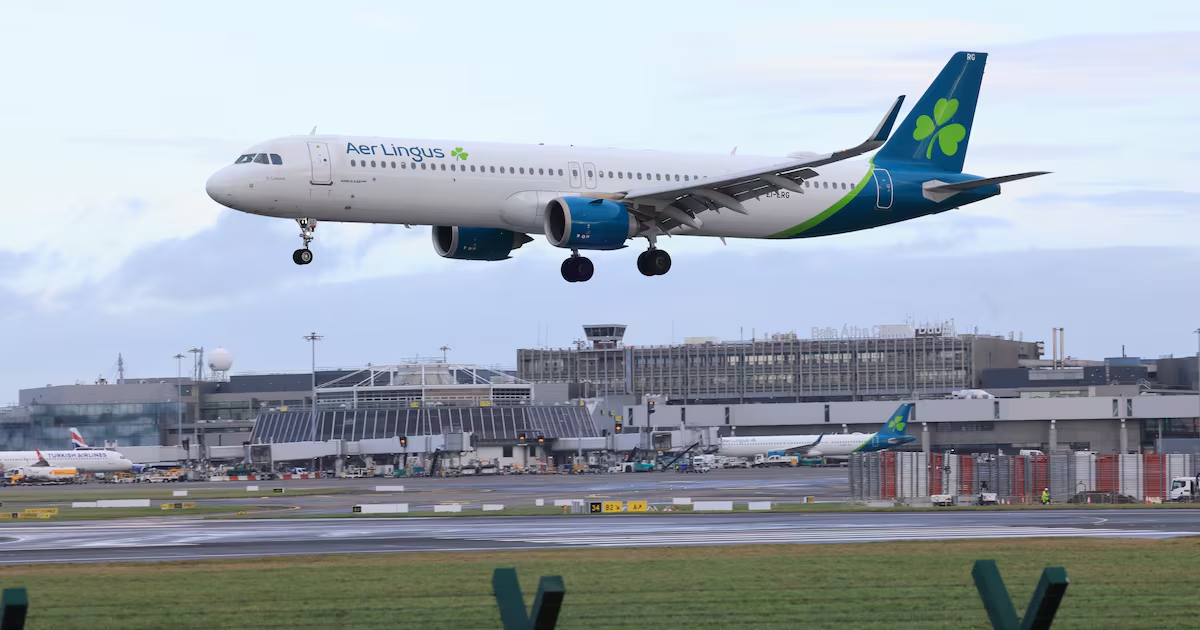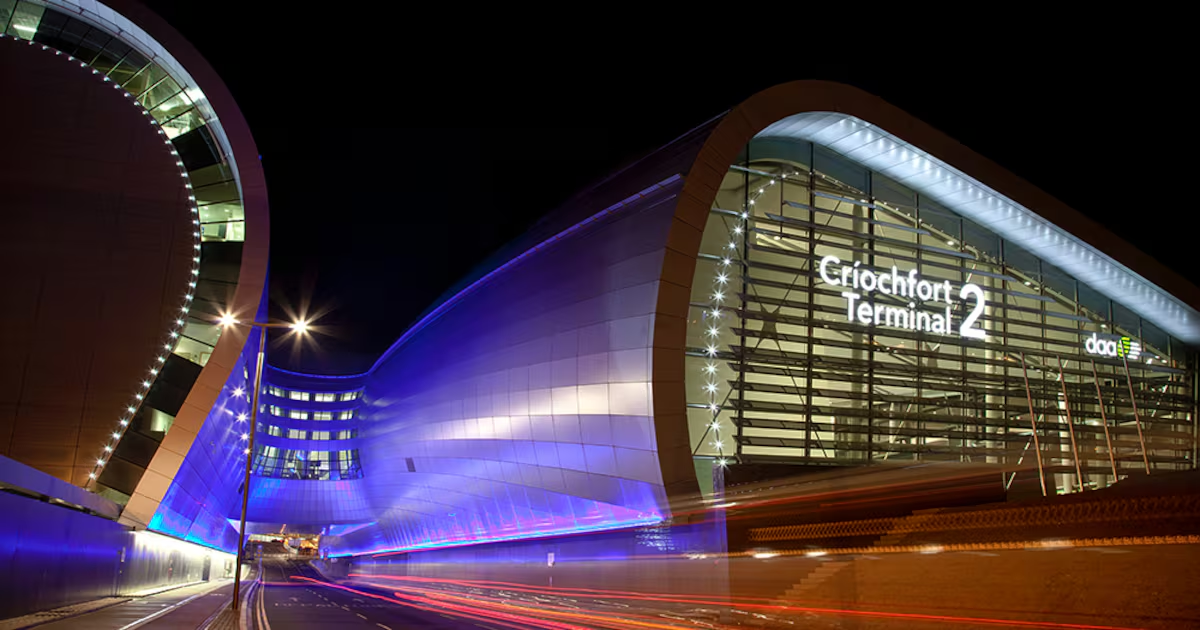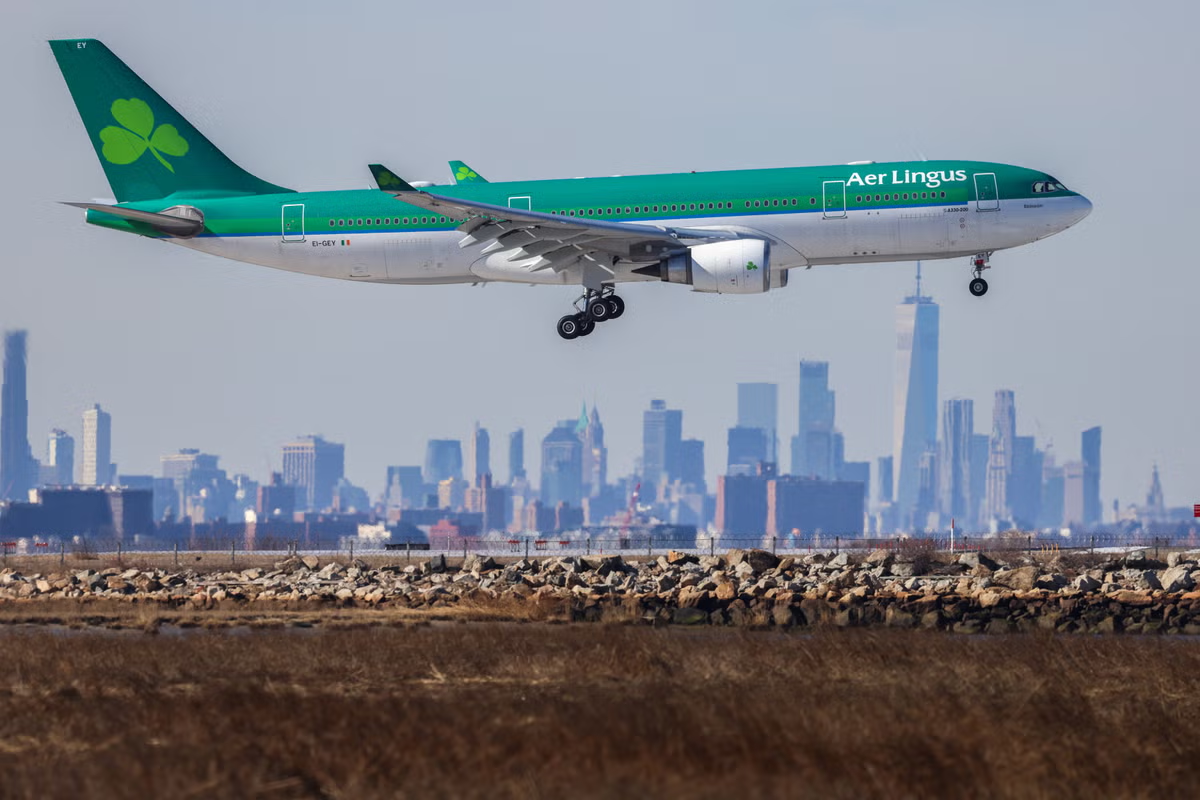
The decision by Aer Lingus to shrink itself by 7.7 per cent just as the cap on flights at Dublin Airport is being lifted and passenger charges are about to be cut seems like an act of wilful self-harm. Depending on which narrative you choose to believe, the decision to axe flights and staff has its roots in the 2024 pilots’ strike or an ill-judged expansion plan. Either way, it raises some questions at whether Aer Lingus really belongs in International Airlines Group, which bought the Irish airline in 2015 for €1.4 billion. Whatever the proximate cause might be, the logic behind the move is IAG’s focus on operating margins at its subsidiaries, which also include British Airways, Iberia and Vueling. It is the rubric by which it allocates investment across the four airlines. It is one way to run an airline group – there are others – but it seems to work. IAG reported an operating profit of €5 billion last year. Its shares are up about 15 per cent year on year. The IAG yardstick is that if your operating margin is 12 to 15 per cent per cent, we will give you some money to invest in new planes and routes. If it falls below this level, we won’t give you any more money until you improve margins. Aer Lingus’ operating margin was just over 11 per cent for 2025 but its performance in the first three months of the year deteriorated. It lost €103 million in the three months to March 31st, €48 million more than during the same period in 2025.Rivals’ operation marginBy comparison, BA’s operating margin was 15.2 per cent, Iberia’s 16.2 per cent and Vueling’s 13 per cent. For context, Ryanair has an operating margin of about 11 per cent and other European airline groups have significantly lower ones. The writing was on the wall for Aer Lingus earlier this year when IAG’s chief executive, Luis Gallego, warned: “It is clear that existing transformation efforts are not enough. The airline [Aer Lingus] will need to take decisive actions to restore financial performance and ensure it is positioned to deliver in line with the group’s 12 per cent to 15 per cent operating margin.” The net effect of all this is that Aer Lingus now plans to shrink itself by 7.7 per cent to improve operating margins. It will axe flights from Dublin to Denver, Minneapolis, Las Vegas and Split in Croatia this autumn. Some 500 jobs – 70 pilots, 140 cabin crew and 290 head office posts – are to be cut from a total workforce of 6,500. Negotiations with Fórsa and the Irish Air Line Pilots’ Association (Ialpa) are under way. However, as Ialpa and others have pointed out, it seems counterintuitive to retrench at this point. The cap on flights into and out of Dublin Airport has just been lifted and the indications are that passenger charges, determined by the Irish Aviation Authority (IAA), are also about to fall. This coincides with aggressive expansion by US carriers flying into Dublin, including United Airlines, Delta and JetBlue, which have increased aircraft and seats on their flights to and from Dublin by up to 45 per cent.Even assuming Aer Lingus gets off the IAG operating margin “naughty step” sooner rather than later, it will have conceded valuable ground to the US airlines and Ryanair is unlikely sit on its hands. In fact, Michael O’Leary has said he will add two million seats in Dublin next year if the IAA cuts passenger charges (a consultation process is under way). [ Aer Lingus Regional operator boosts pilots’ payOpens in new window ]Not only that, Aer Lingus’ options for expansion will be pretty much what they are at present: European short haul or transatlantic. Two very competitive markets where the margins expected of their competitors – or at least tolerated by their owners – are lower than those set by IAG. The maximalist approach adopted by IAG does raise questions over whether Aer Lingus really belongs in a group where it is expected to make the same sort of margins as BA and Iberia with their extensive high-margin, long-haul networks and bigger populations. BA is roughly five times bigger than Aer Lingus and Iberia about three times larger. Vueling is twice as large. Aer Lingus would seem destined to always be the poor relation in IAG when it comes to operating margins. There is, however, no suggestion of IAG disposing of Aer Lingus. It’s operating margins may be low by IAG’s exacting standards, but they are firmly at the higher end for the industry. If Aer Lingus was put on the block, it would find a buyer for the same reason that IAG wants to hold on to the Irish airline – its strategic niche in the transatlantic market anchored at Dublin Airport, its pre-clearance regime for US emigration and its valuable Heathrow slots. IAG has either decided to take a step back by shrinking Aer Lingus in order to take two steps forward or has missed a trick because of its obsession with operating margins.
Dublin Airport is about to boom. Why is Aer Lingus shrinking itself?
Airline has been put on the operating margin 'naughty step' by its parent IAG
850 words~4 min read