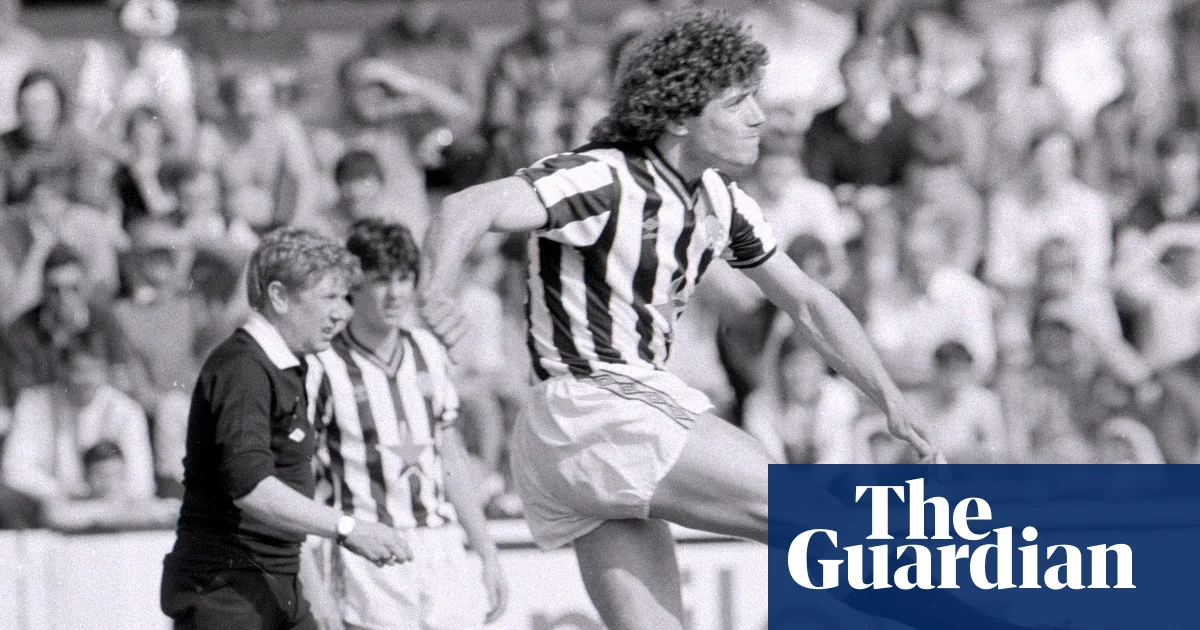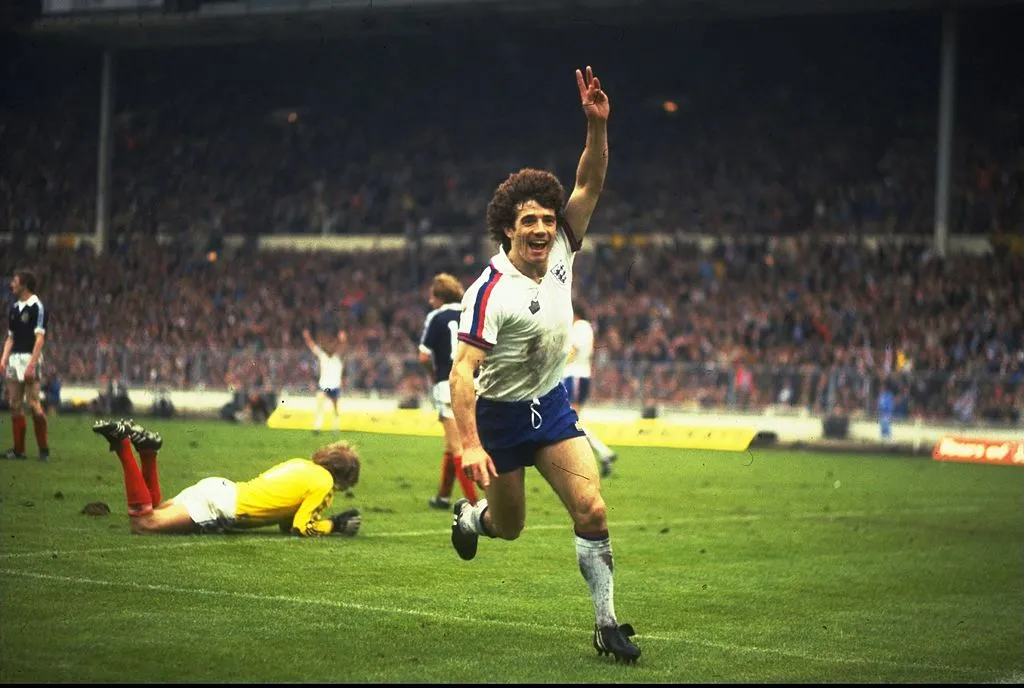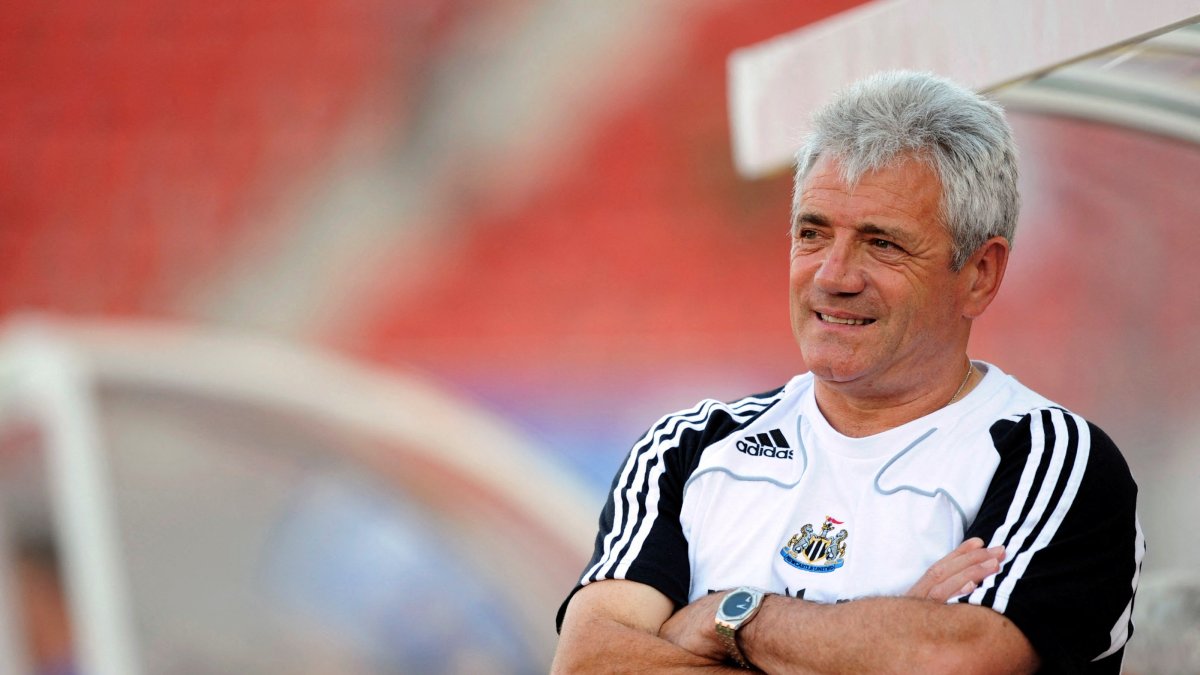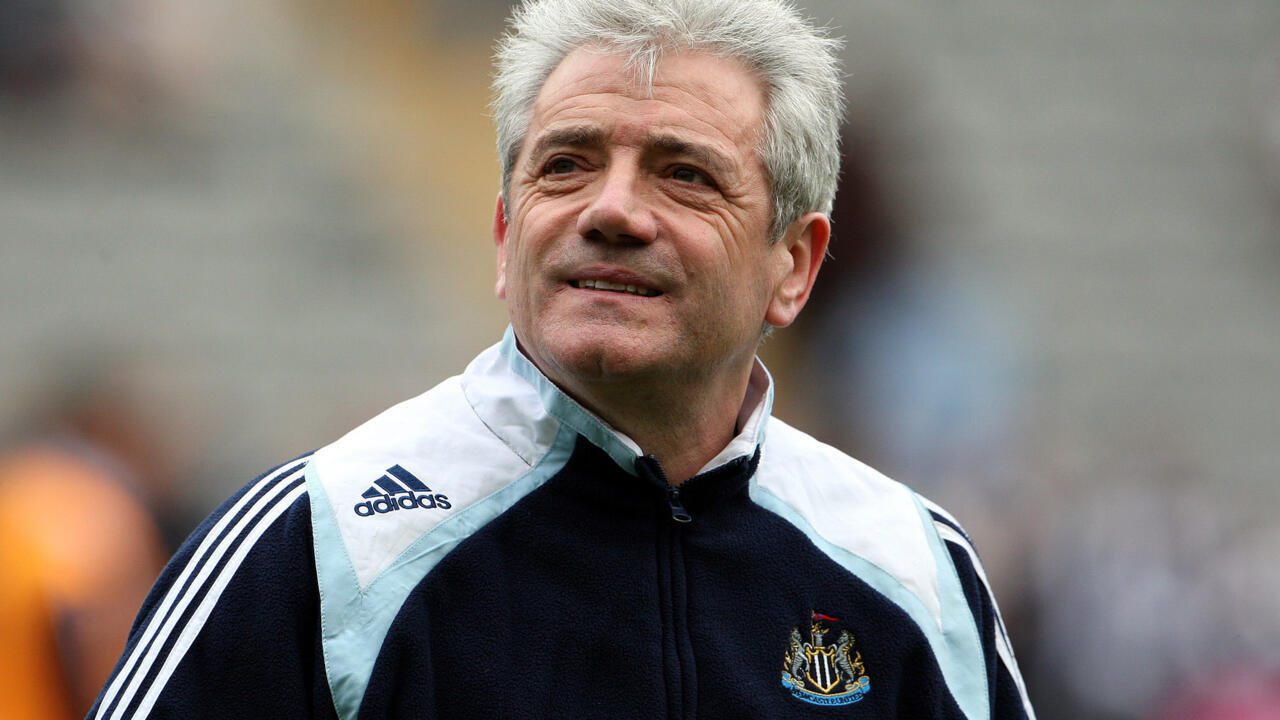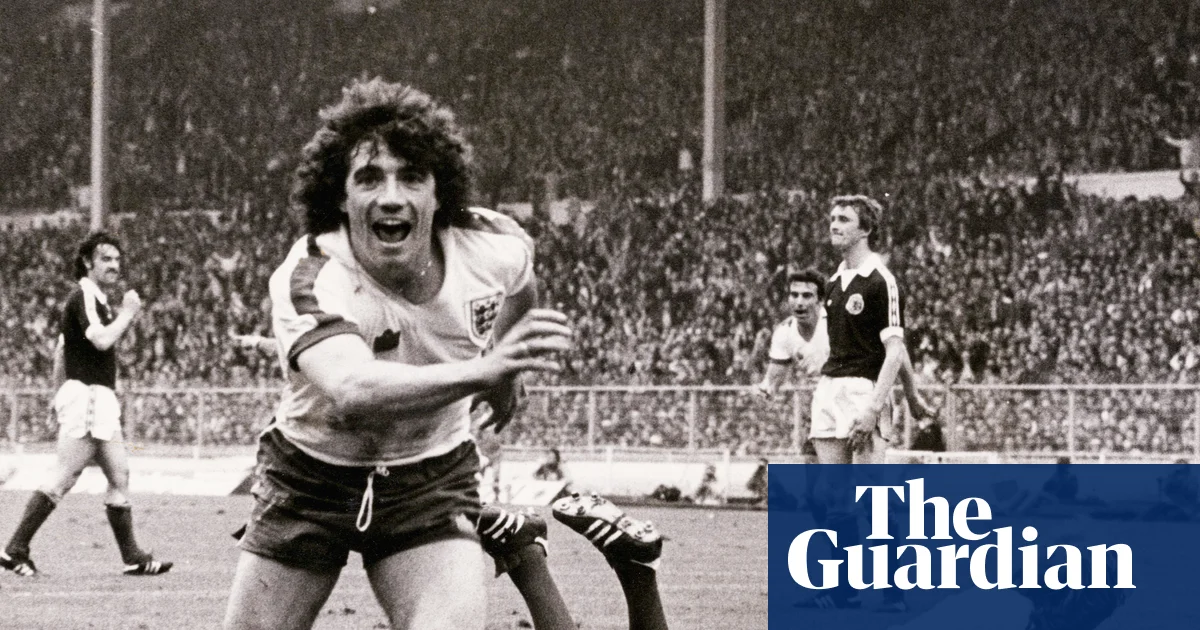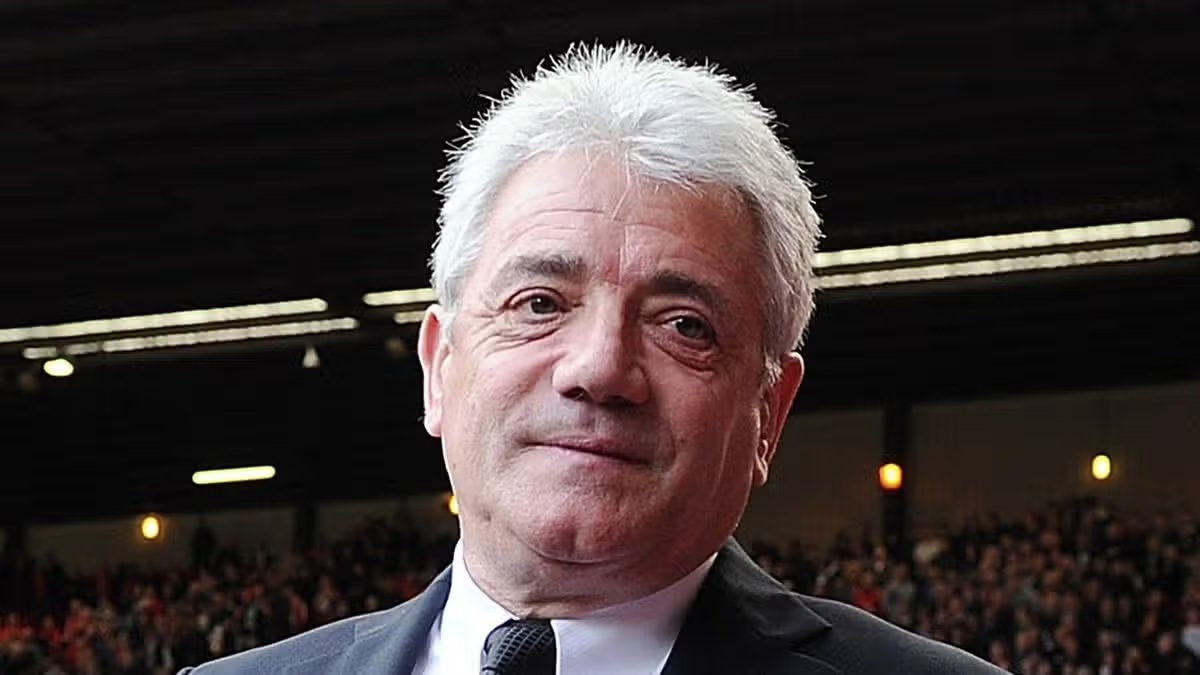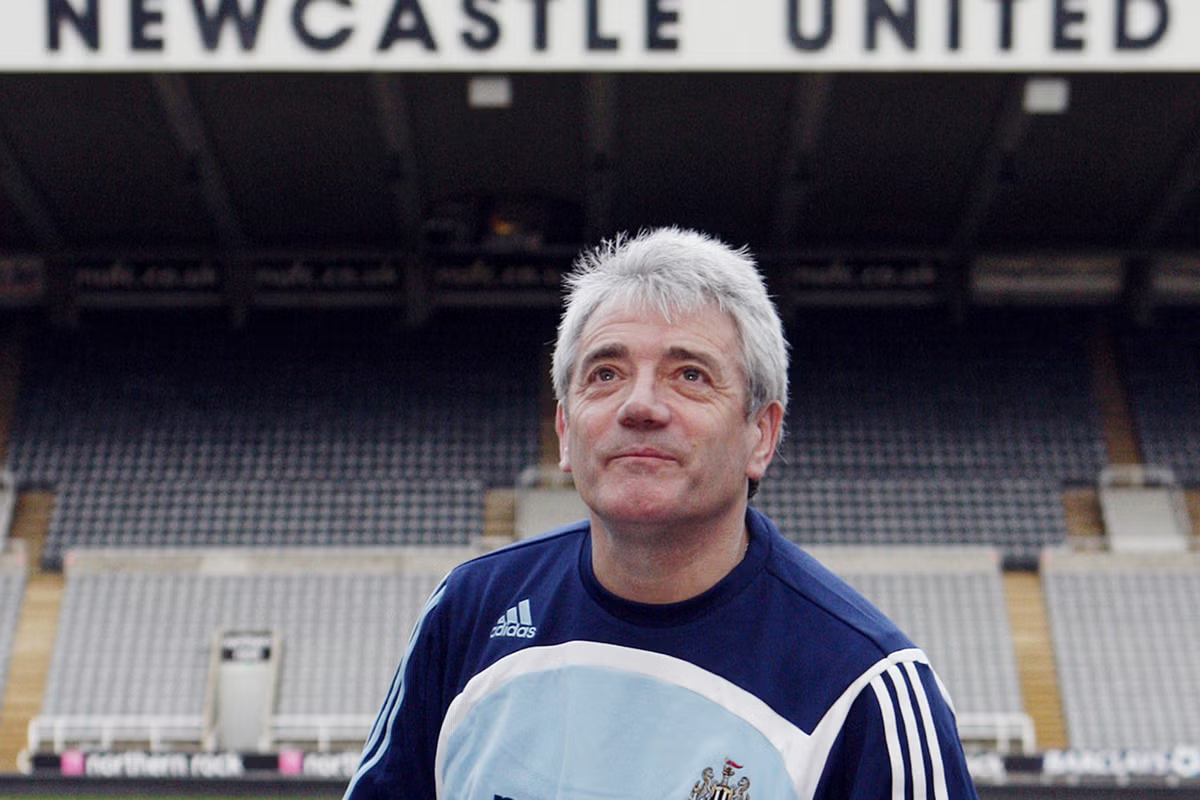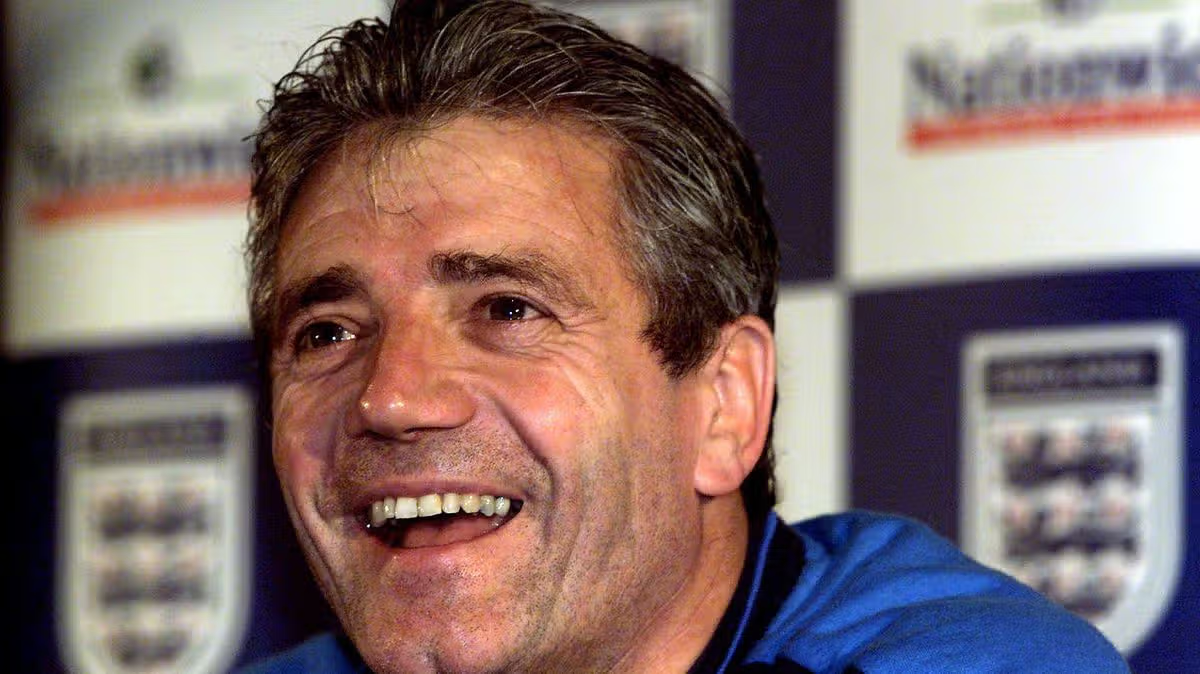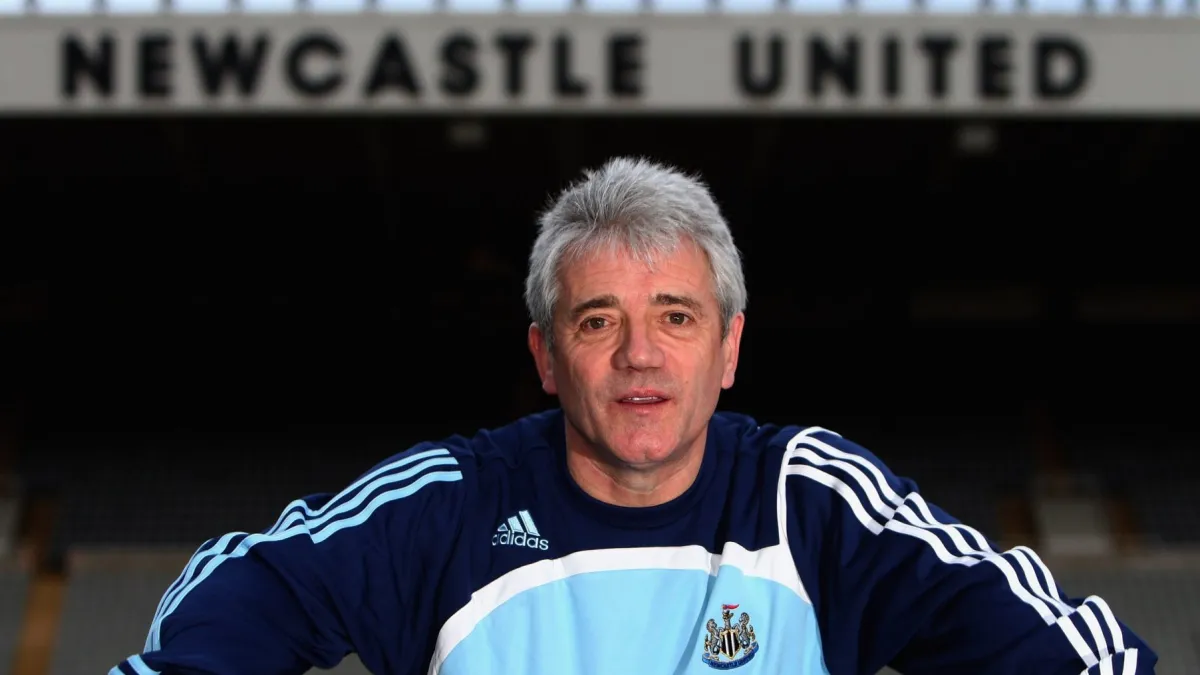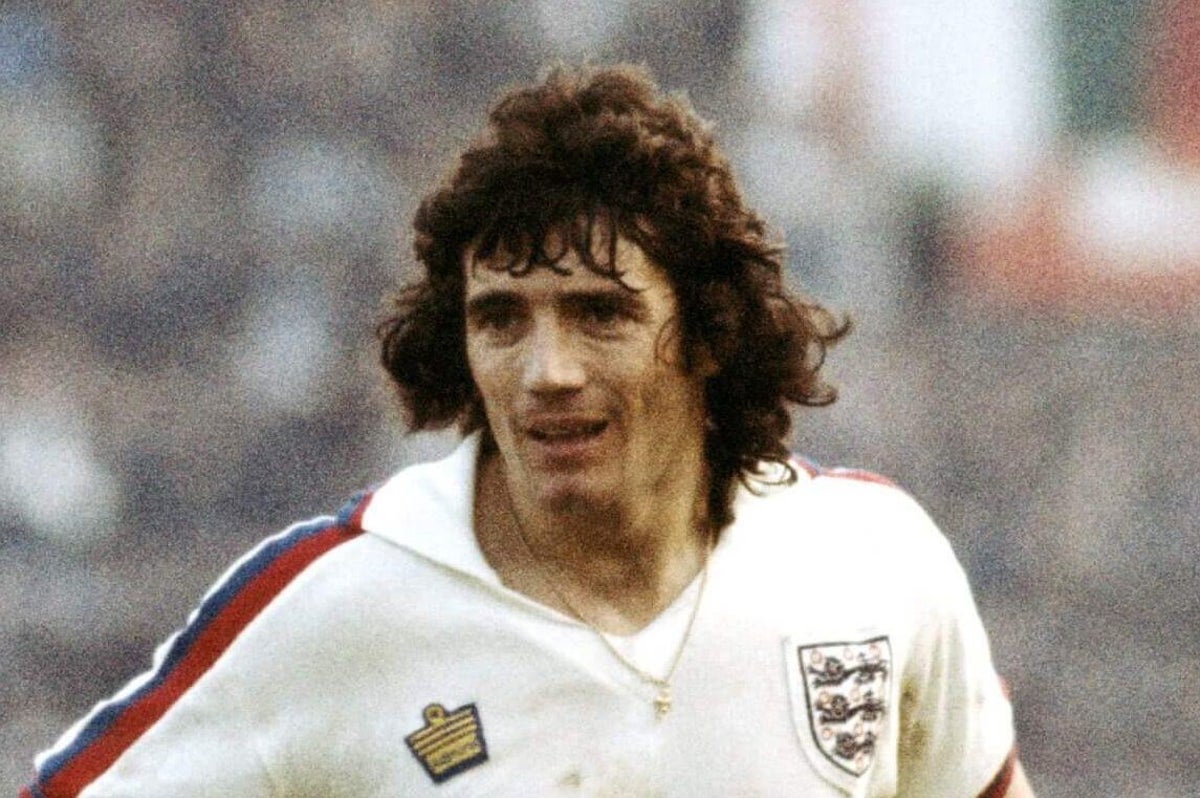
When Kevin Keegan passed away on Monday, tributes poured in from across the football world.In a remarkable playing career, Keegan represented Scunthorpe United, Liverpool, Hamburg, Southampton, Newcastle United, Blacktown City (in Australia) and England. He would go on to manage Newcastle (twice), Fulham, England and Manchester City.And at the majority of those clubs, Keegan made a significant impact. This is part of the reason why, when he died recently at the age of 75, fans of so many teams spoke so fondly about him.The Athletic asked members of our newsroom to reflect on Keegan and what he meant to fans and those who followed his clubs. James Pearce, Sebastian Stafford-Bloor, Chris Waugh, Justin Guthrie, Oliver Kay and Jack Pitt-Brooke share their thoughts below.LiverpoolKevin Keegan’s first meeting with legendary Liverpool manager Bill Shankly left a lasting impression.It was May 1971 and the then-20-year-old Yorkshireman, who had caught the eye of head scout Geoff Twentyman playing in midfield for fourth-tier Scunthorpe, was waiting patiently outside Anfield to discuss his impending move.“They were doing up the Main Stand so they were using these temporary offices,” Keegan told me in 2009 during an interview to mark 50 years since Shankly’s appointment.“The only place to sit was on a dustbin outside, so I sat there talking to my manager at the time, Ron Ashman, while Bill was inside. After a while, Bill came out, shook my hand and beckoned me over to his Capri to take me for my medical, down near the docks.Keegan scoring for Liverpool in the 1974 FA Cup final (Roger Jackson/BIPNA/Central Press/Hulton Archive/Getty Images)“From the moment I met Bill, I just gelled with him. I was from mining stock, and so was he. I think he saw something in me that reminded him of himself. He wanted to help me, and he did, massively. Apart from my parents, Bill was the most important person in my life. He brought me to the club, he believed in me, and he inspired me. That first meeting with him changed my life forever.”Keegan cost Liverpool £33,000, and it proved to be one of the shrewdest pieces of business in the history of English football. He went straight into the side for the first game of the 1971-72 season against Nottingham Forest and scored the opener in a 3-1 win at Anfield.Shankly’s decision to turn him into a striker was inspired as he formed a potent double act with John Toshack and earned hero status on the Kop. As well as his dazzling talent, supporters loved the tireless work rate and enthusiasm of their No 7.“I didn’t expect to get in Liverpool’s first team so quickly,” Keegan admitted. “I was a kid who went straight from Scunthorpe in the Fourth Division to playing in front of 51,000 at Anfield against Forest. It meant I never actually played a reserve-team game for the club. That was one of the things about Bill. He wasn’t scared to put someone in. If he thought you were good enough, that was it.”Keegan scored 22 goals in 1972-73 as the club’s seven-year trophy drought was ended in style with both the league title and the UEFA Cup. He netted twice in the first leg of the final as Liverpool overcame Borussia Monchengladbach 3-2 on aggregate.Then he repeated the trick a year later with another brace in the FA Cup final as Newcastle United were brushed aside 3-0 at Wembley. However, Shankly’s decision to stand down as manager in the summer of 1974 hit him hard.“I don’t know anyone who saw it coming,” Keegan said. “I remember someone called me and said, ‘Have you heard about Shanks?’ My first thought was, ‘He’s been involved in an accident!’ When I was told he had resigned, I didn’t believe it. There was talk after every season about Bill threatening to quit and the board talking him out of it. But when I spoke to Bill he said, ‘No, I’m finished this time’. It was a massive shock.”Keegan, left, celebrating Liverpool’s 1974 FA Cup final win with team-mate Alec Lindsay (Evening Standard/Hulton Archive/Getty Images)Keegan continued to shine under Shankly’s successor, Bob Paisley, as Liverpool won the league and UEFA Cup double again in 1975-76. He scored in both legs of the final against Club Brugge and was voted the Football Writers’ Footballer of the Year.But midway through the following campaign, he announced his intention to leave Anfield in the summer to play abroad.Keegan signed off in style, winning his third league title and helping Liverpool clinch their first European Cup with a 3-1 victory over Borussia Monchengladbach in Rome. He described it as “the perfect ending” and waved goodbye, having scored 100 goals in 323 appearances across six seasons.“Bill’s departure certainly played a part in my decision to leave,” he said. “No disrespect to Bob, but when Bill left, half the club went for me as well. Don’t get me wrong, I enjoyed playing for Bob. We had some great times and won the European Cup. But it wasn’t the same after Bill left. I just didn’t enjoy going into the club as much when he wasn’t there. Nobody could replace Bill.“Bill took Liverpool by the scruff of the neck and put down the foundations on which the club’s been built. I played under a lot of good managers, but none were in the same county, let alone the same street, as Bill. I took a lot from what Bill taught me into my own management career. Things like if you treat people the right way and give them the chance to flourish, then you will get the best out of them. Bill was unique, and the man meant everything to me.”Keegan recording his 1972 single It Ain’t Easy (Victor Blackman/Express/Hulton Archive/Getty Images)The feeling was mutual, with Shankly dedicating an entire chapter of his autobiography to Keegan, who he described as “the inspiration” of the second great Liverpool team he built.Sir Kenny Dalglish, who was signed from Celtic as Keegan’s replacement in 1977, led the tributes on Monday:“Kevin was one of the very best players of his generation and wore Liverpool’s famous number seven shirt with great distinction. His achievements on the pitch were exceptional, but he was also a wonderful person and a genuine gentleman. Football has lost one of its true greats.”James PearceHamburgYou see Kevin Keegan everywhere in Hamburg. Even now, his image is on lampposts and bus stops, in train stations and on the side of rubbish bins. He spent three years playing for Hamburg, between 1977 and 1980, but that was such a profound moment in the club’s history that the stickers recognising his contribution and commemorating his time here still decorate the German port city.Outside Hamburg’s Volksparkstadion ground, in the shadow of the stands, there’s a mural dedicated to him, too. It’s abstract and slightly out of focus, but it’s still unmistakably Keegan, with his crooked arm saluting another goal.There were 40 of them in total, from 113 games across all competitions. His partnership with Horst Hrubesch, a great lighthouse of a centre-forward, took the club to their first Bundesliga title in 1979, making them champions for the first time in 19 years. The season after, Keegan and Hamburg went all the way to the European Cup final, only to lose to Brian Clough’s Nottingham Forest.It’s easy to look back in Hamburg; the club have not won anything in over 40 years. Naturally, local hearts yearn for the days with which Keegan is associated. Yes, that’s important context, but it’s not the extent of it.Keegan playing for Hamburg in 1979 (AFP via Getty Images)Uwe Seeler is the club’s record goalscorer and greatest player. Nobody will ever change that. But Keegan was one of the first world-class players to move to, rather than leave, Germany. And from Liverpool, too.The Bundesliga had only begun in 1963, marking the true beginning of professionalism. Before that, in a trend which lasts to this day, the very best players were always tempted away, to Italy or Spain, towards salaries that German football could never provide.In refreshing contrast, Keegan’s move not only doubled the German transfer record (to £500,000), it also delivered one of the world’s very best players.Thomas Huerner, who reports for Sueddeutsche Zeitung, explains: “He was a star; for the first time, the Bundesliga had brought a player of that calibre to Germany instead of losing him to a foreign league. Naturally, he was also a symbol of the Hamburg side that was a major force at the time.”A star is right. When Keegan won his back-to-back Ballons d’Or in 1978 and 1979, he became the first Hamburg player to lift that award while still at the club. Almost half a century later, he remains the last to do so, and it’s very difficult to imagine that changing any time soon.There are other stories, of course.Keegan playing for Hamburg in the 1980 European Cup final (Allsport/Getty Images)Famously, having read an interview in which Keegan professed to missing British breakfast cereals, the club’s fans organised and paid for a shipment of Shredded Wheat.And then the anecdote that everybody knows: meet a German person named Kevin born in the early 1980s and the chances are that they were named after Keegan. Between the football, the success and the fashionable perm, that was the kind of popularity that Machtig Maus (Mighty Mouse) had.Today, it’s reverence rather than popularity; his is a name that echoes in Hamburg. No, Germans do not really name their sons Kevin anymore, but until the day he died, nobody loved Keegan — the person or the player — any less.On Tuesday, which was also the fourth anniversary of Seeler’s death, Hamburg’s chief financial officer Eric Huwer led the players in a moment of reflection at their pre-season training camp in Austria.
What Kevin Keegan meant to Liverpool, Hamburg, Newcastle, Southampton, England, Man City and Fulham
Keegan made a significant impact at all of his clubs, which is why tributes poured in from across the football world following his passing
4,288 words~19 min read