This article explores a recent dispute over an income protection policy, highlighting the dangers of ambiguous insurance contracts and the importance of consumer vigilance in managing their insurance rights.
Income protection cover is meant to provide financial security when illness or disability leaves a person unable to earn an income. But a case highlighted by the National Financial Ombud Scheme (NFO) shows how that protection can be undermined when policy wording is unclear.
A case study in the NFO's latest annual report illustrates how an insurer that paid benefits consistently for more than a decade was later able to argue that those payments had been made in error because of ambiguities in the policy wording. The dispute serves as a reminder that, in insurance contracts, the written terms ultimately determine what is enforceable.
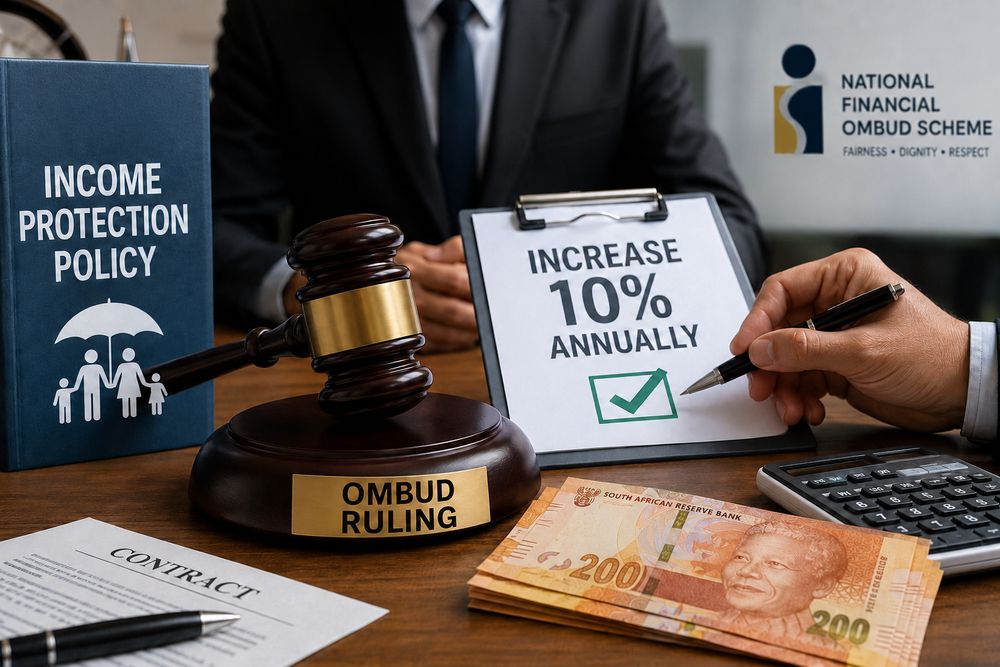
The case centred on a policyholder, identified only as Mr G, who took out an income protection policy in February 2007. The policy promised a monthly benefit of R45,000 if illness left him unable to work. It also indicated that the benefit would increase by 10% each year.
The policy came into effect in April 2007. Just a few months later, in July 2007, Mr G became ill and submitted a claim. The insurer approved the claim, with the first payment made on 22 July 2008.