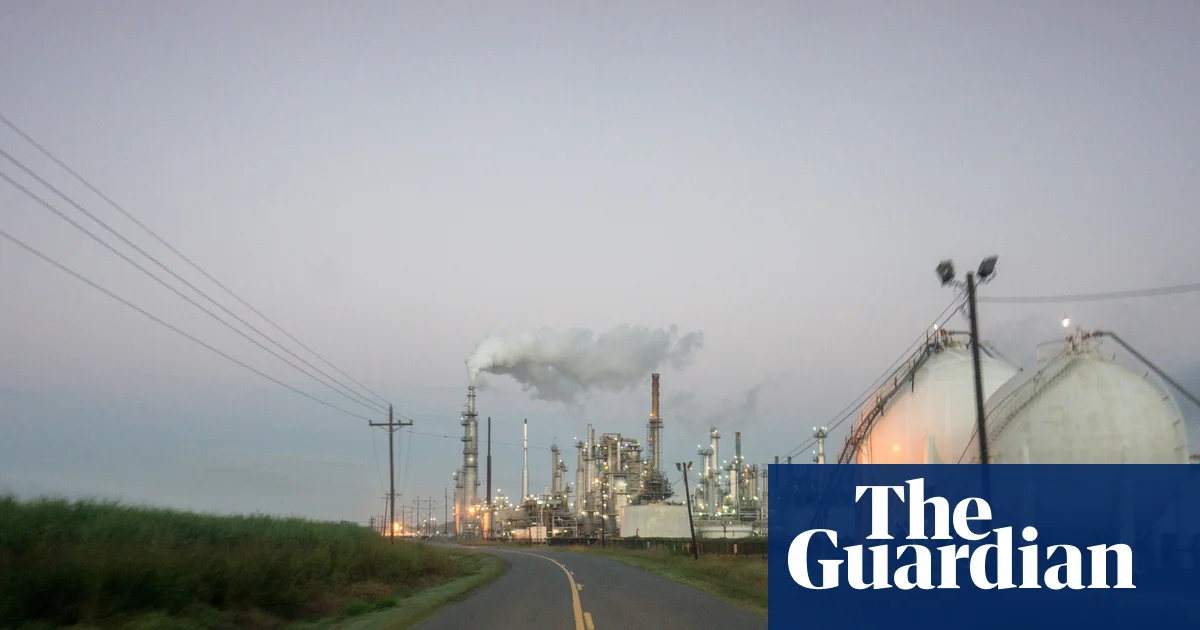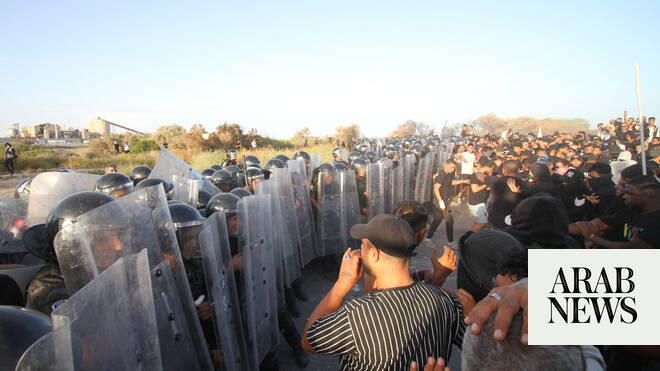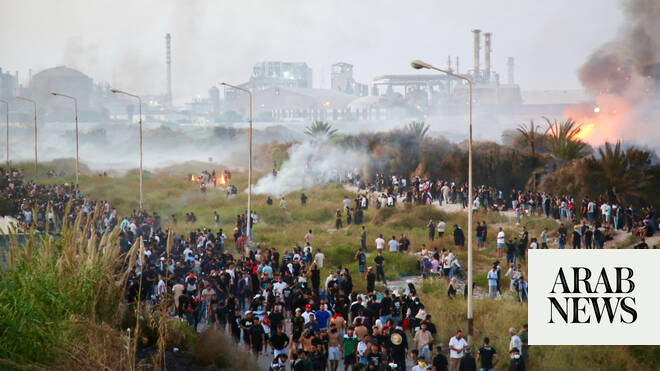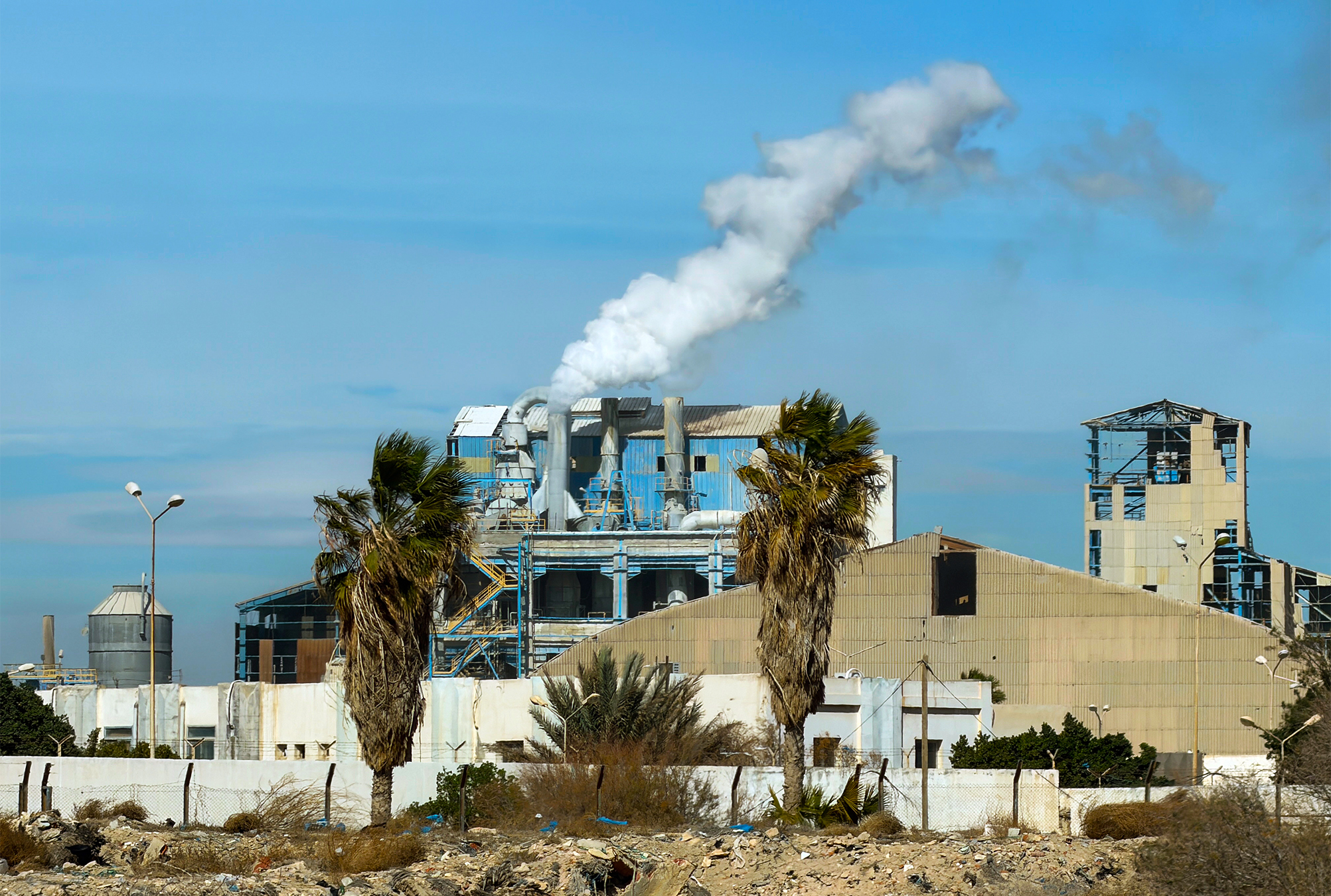
Toxic emissions from a phosphate processing plant in the Tunisian port city of Gabès have left residents reporting respiratory problems and other illnesses. Children are among the hardest hit.A Mongabay and ARIJ analysis of Sentinel-5 satellite imagery found concentrations of air pollutants in the area that may have reached up to nine times the World Health Organization’s recommended limits.The city’s coastal waters – historically a biodiversity hotspot and a fish and shellfish nursery – have suffered severe damage from phosphate-related pollution, according to scientific studies and local fishermen.Phosphate is one of Tunisia’s most valuable exports and a key ingredient in fertilizer shipped to overseas markets, including the United States, Europe and India. Companies buying phosphate products from the Gabès factory, including giants EuroChem and U.S.-based Koch Fertilizer, did not respond to requests for comment.
Dalila grew up in the Tunisian coastal city of Gabès and is accustomed to the heavy, acrid smell from the state-owned phosphate processing plant about a 10-minute walk from her home.
On days when noxious fumes fill the air, Dalila rushes to tightly shut the windows and tells her children to hurry indoors. She washes them, believing it lessens harmful effects from chemicals. Emissions can last all day. Residents may get little or no advance warning.