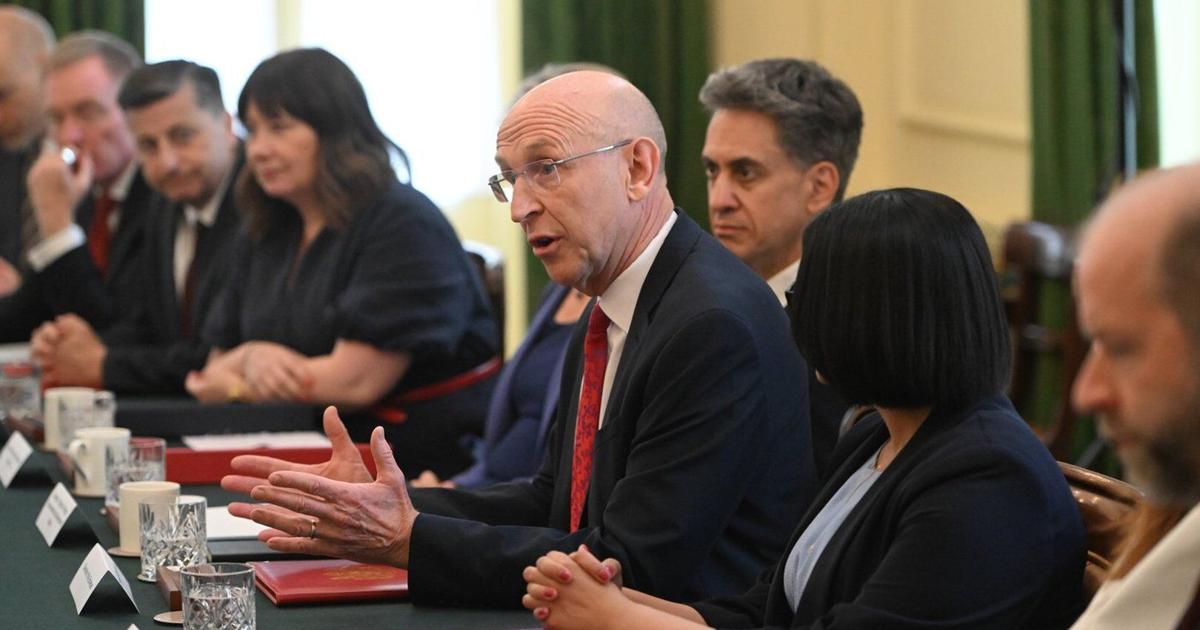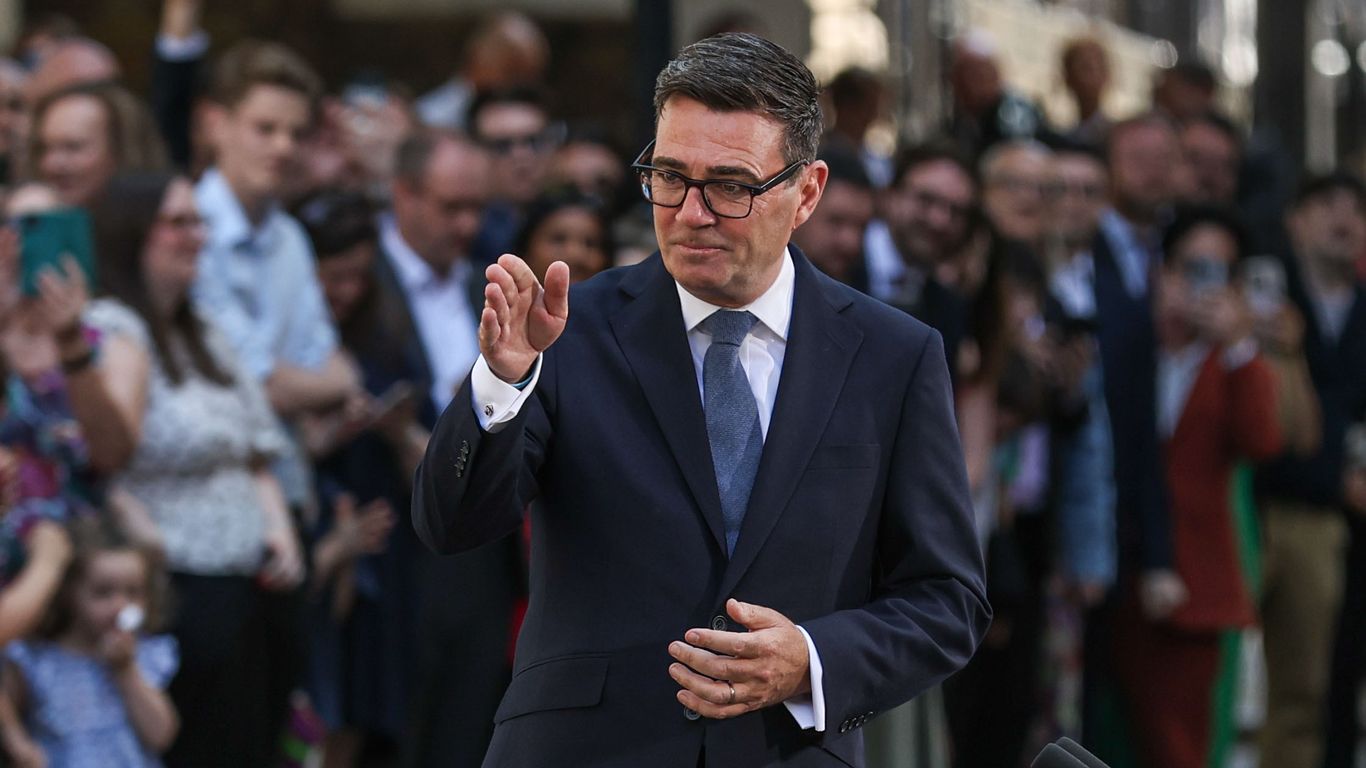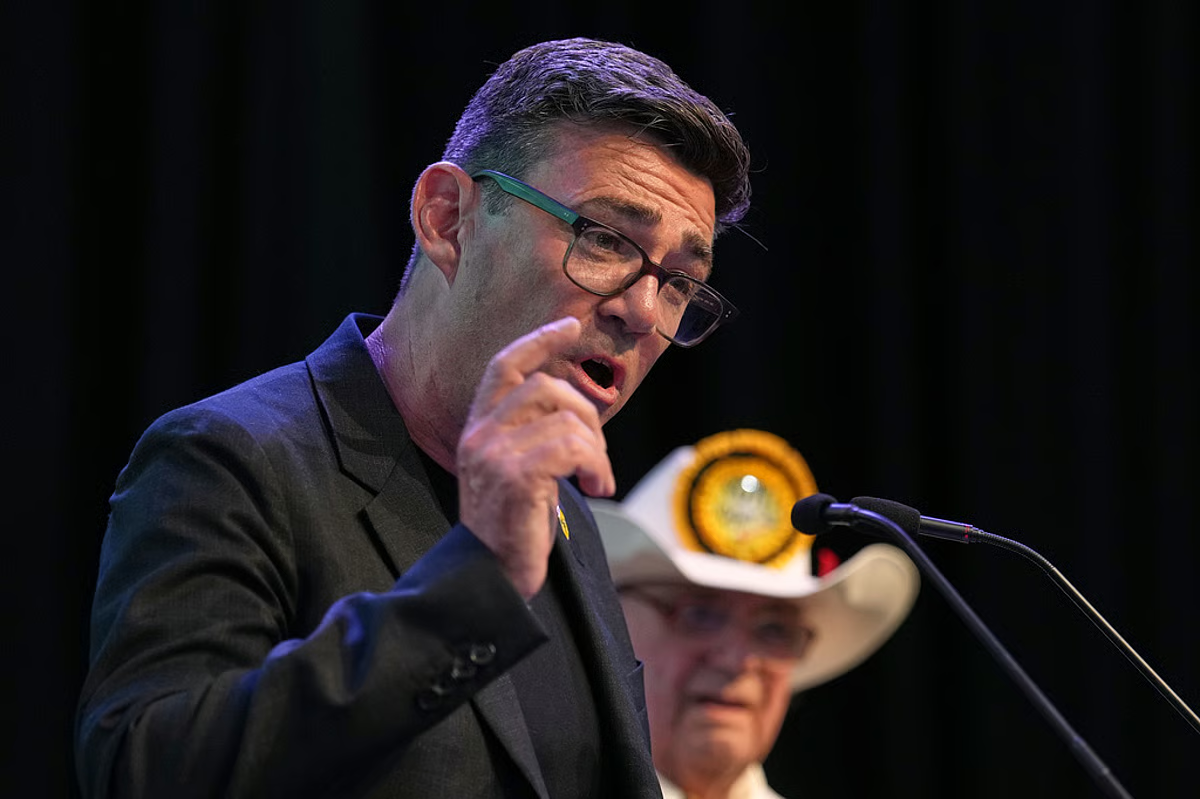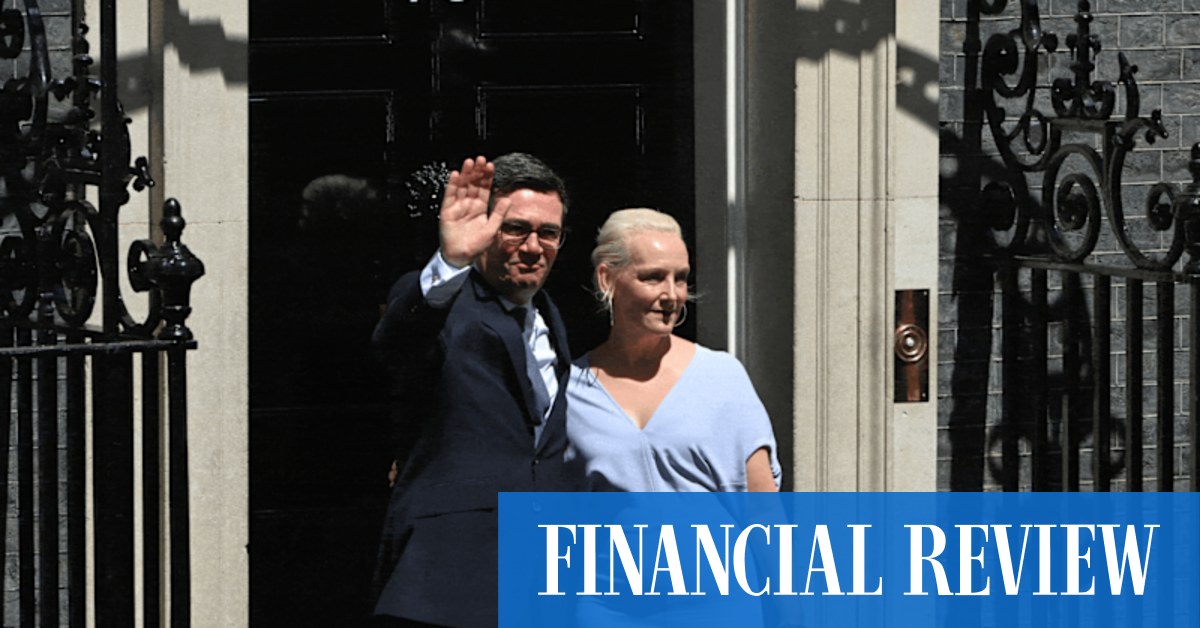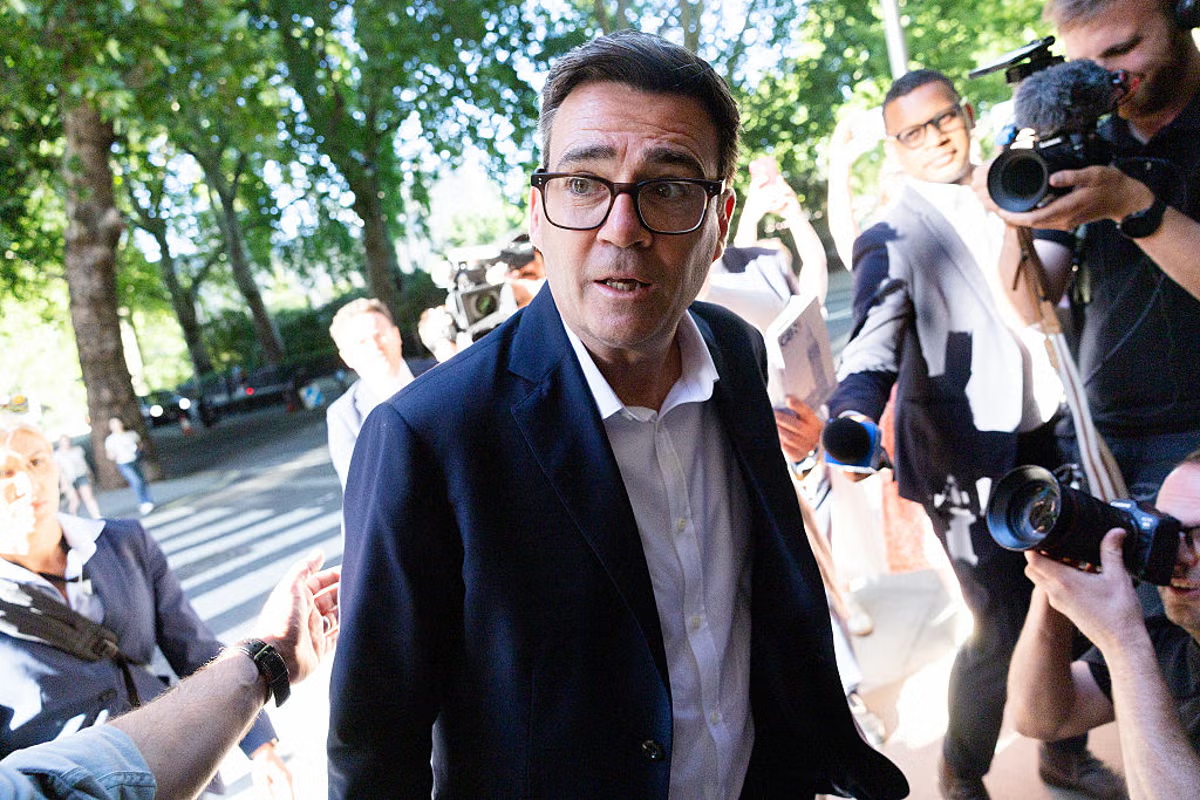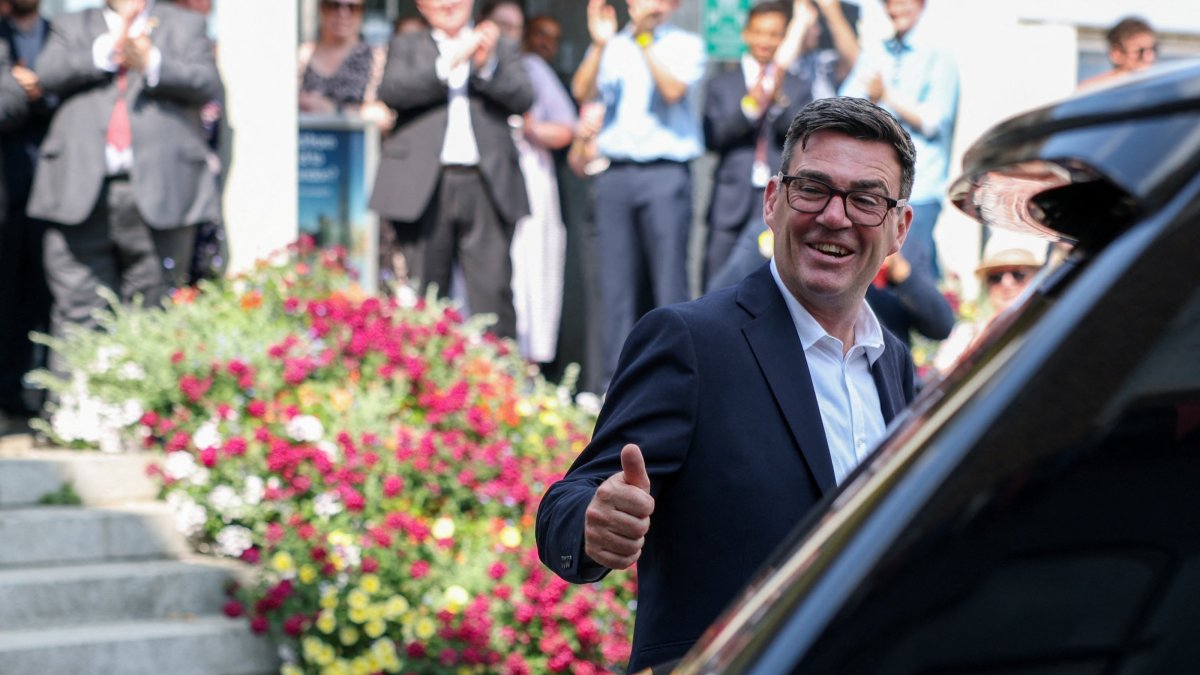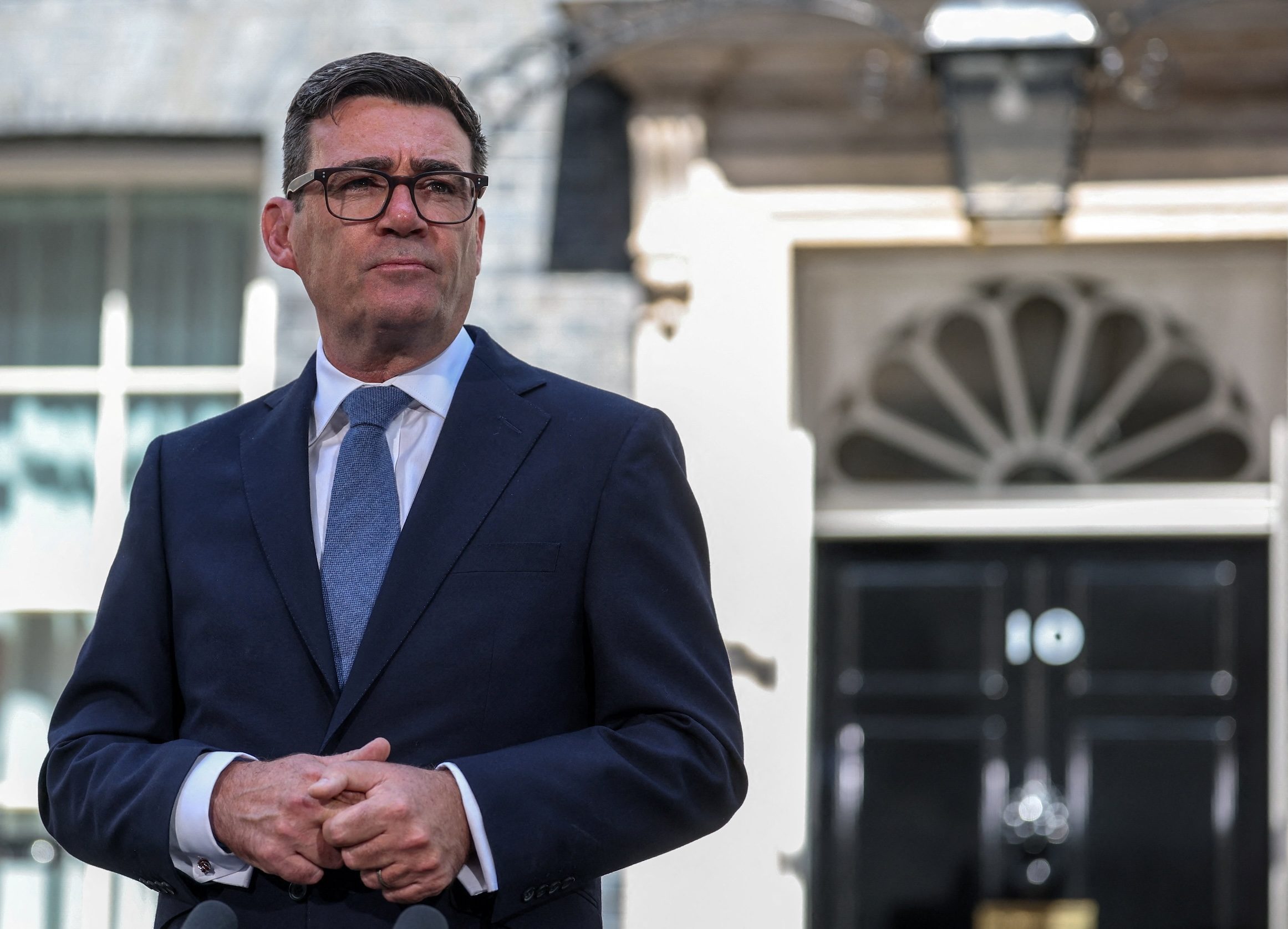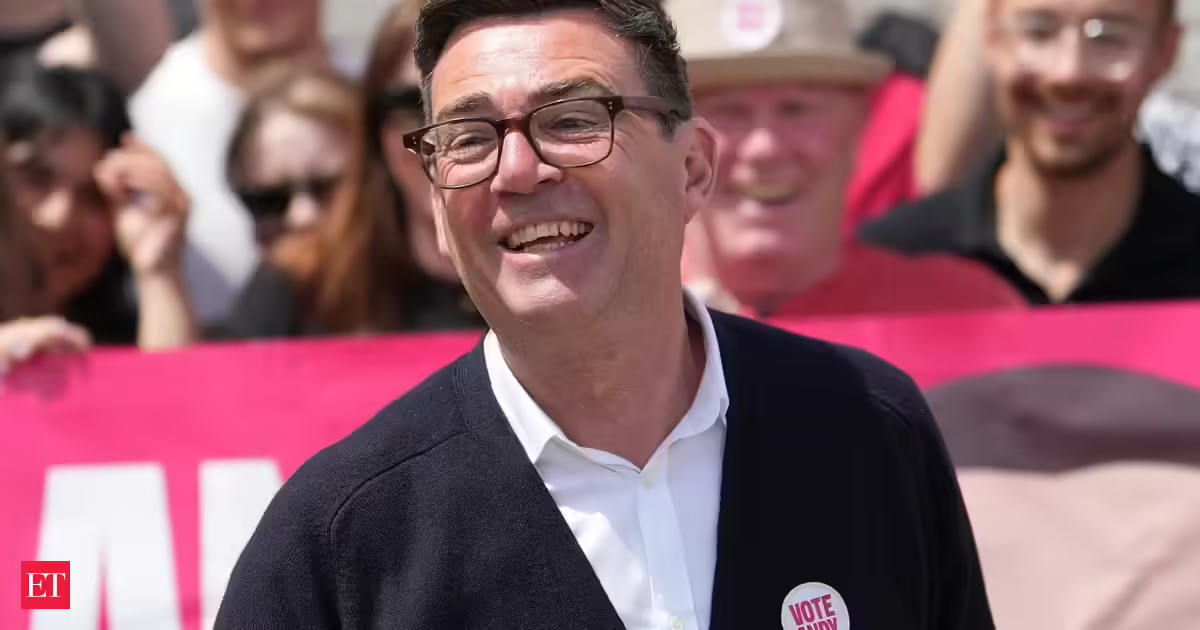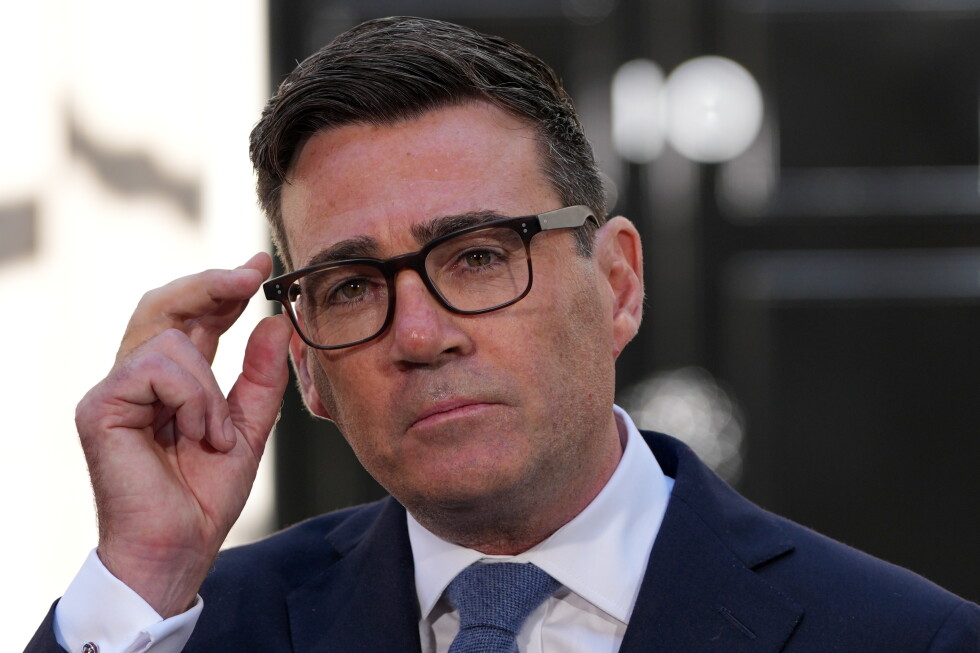
LONDON (AP) — U.K. Prime Minister Andy Burnham’s announcements during his first 24 hours on the job underscore the political and financial challenges he faces as he tries to jump-start the country’s sluggish economy.Burnham, from Britain’s left-leaning Labour Party, faces restive voters seeking relief from the high cost of living. At the same time, the investors who help finance the government by buying its bonds are demanding that he reduce public sector debt that has ballooned to levels last seen in the 1960s.In an effort to balance the competing demands, Burnham surprised pundits by naming former Defense Secretary John Healey as his Treasury chief. Healey, who served in the Treasury under former Prime Minister Gordon Brown, is seen as someone who will make sure the government lives up to its pledge to reduce Britain’s debt pile.Then, first thing Tuesday morning, Burnham made a down payment on his commitment to ease the pressure on cash-strapped consumers. The government announced it would scrap the tax on home electricity use for at least six months beginning in October, saving the average household 45 pounds ($60) a year. Importantly, the government said the move would be paid for by canceling plans to introduce digital ID, in an effort to reassure investors that Burnham isn’t about to go on an unfunded spending spree.
Britain's new prime minister must solve the old riddle of how to reinvigorate a slow-growing economy
Britain’s new leader, Andy Burnham, is facing the same old problem: How can he kickstart a sluggish economy so that growing companies and increased output generate enough additional revenue to boost defense spending and pay for everything else voters want without raising taxes?
1,027 words~5 min read