Wednesday 22 July 2026 5:00 am
| Updated:
Tuesday 21 July 2026 9:21 pm
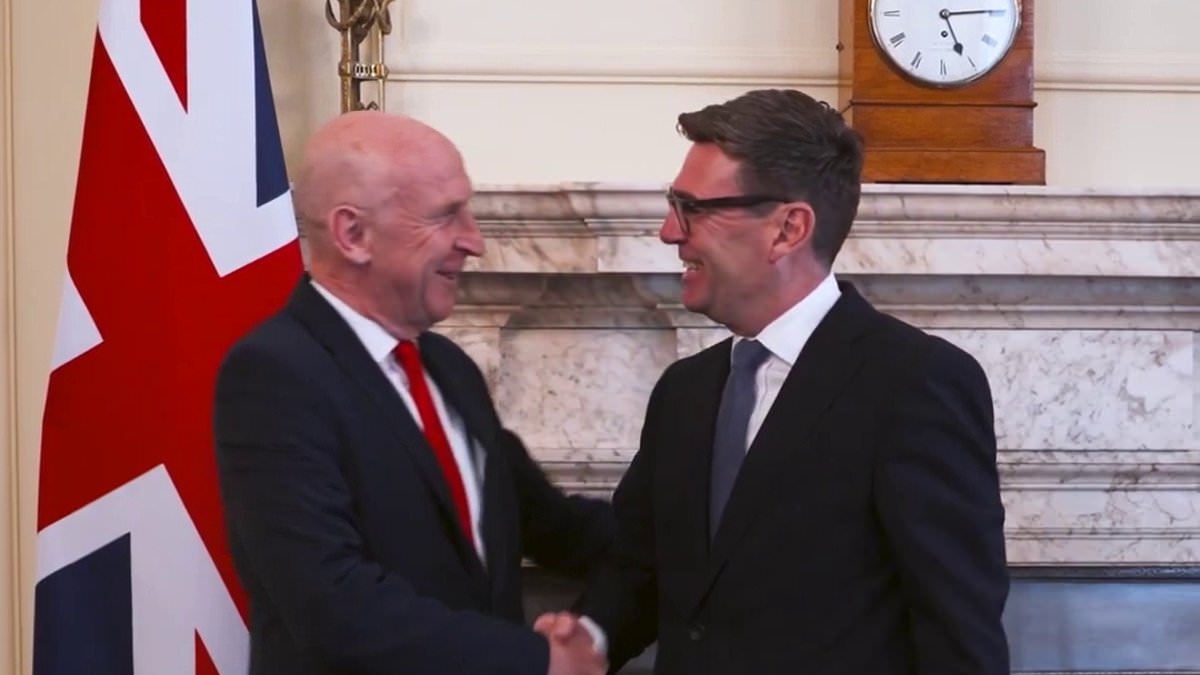
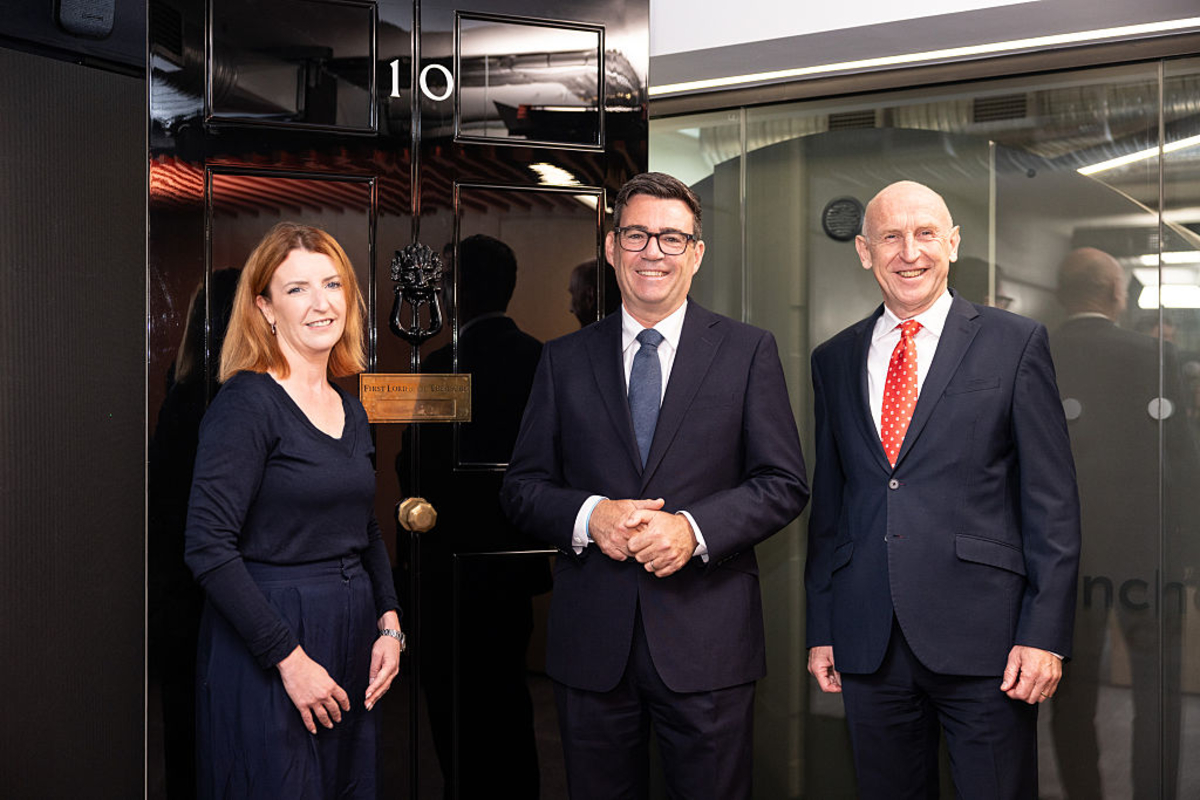
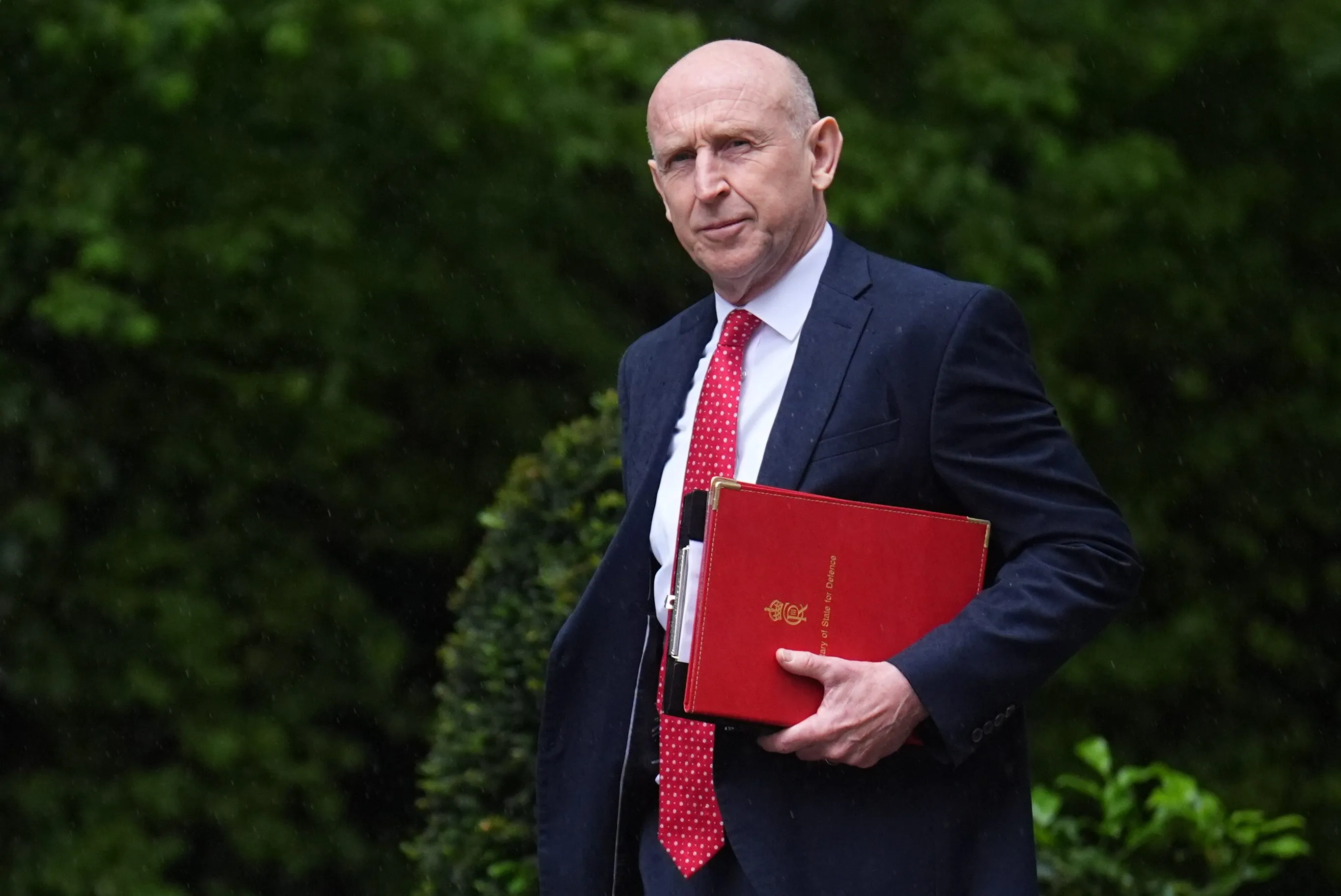
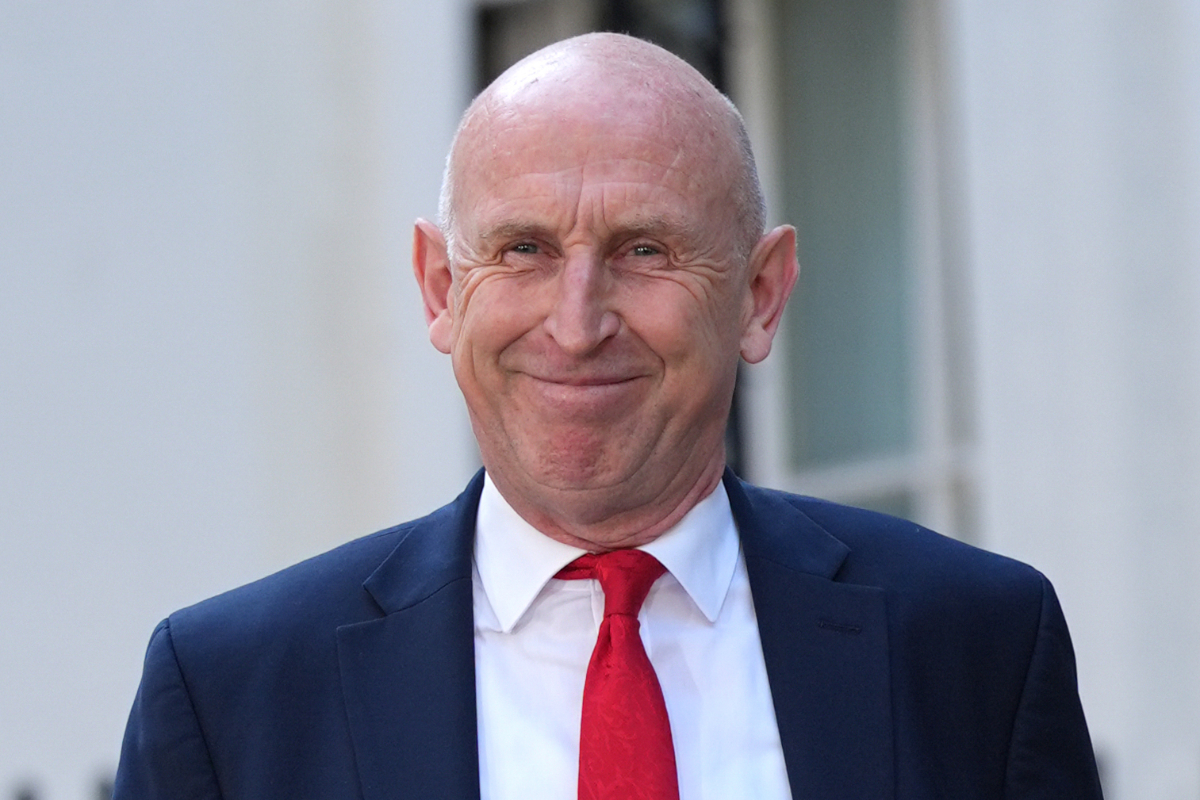
John Healey's appointment to Chancellor caught Westminster off-guard
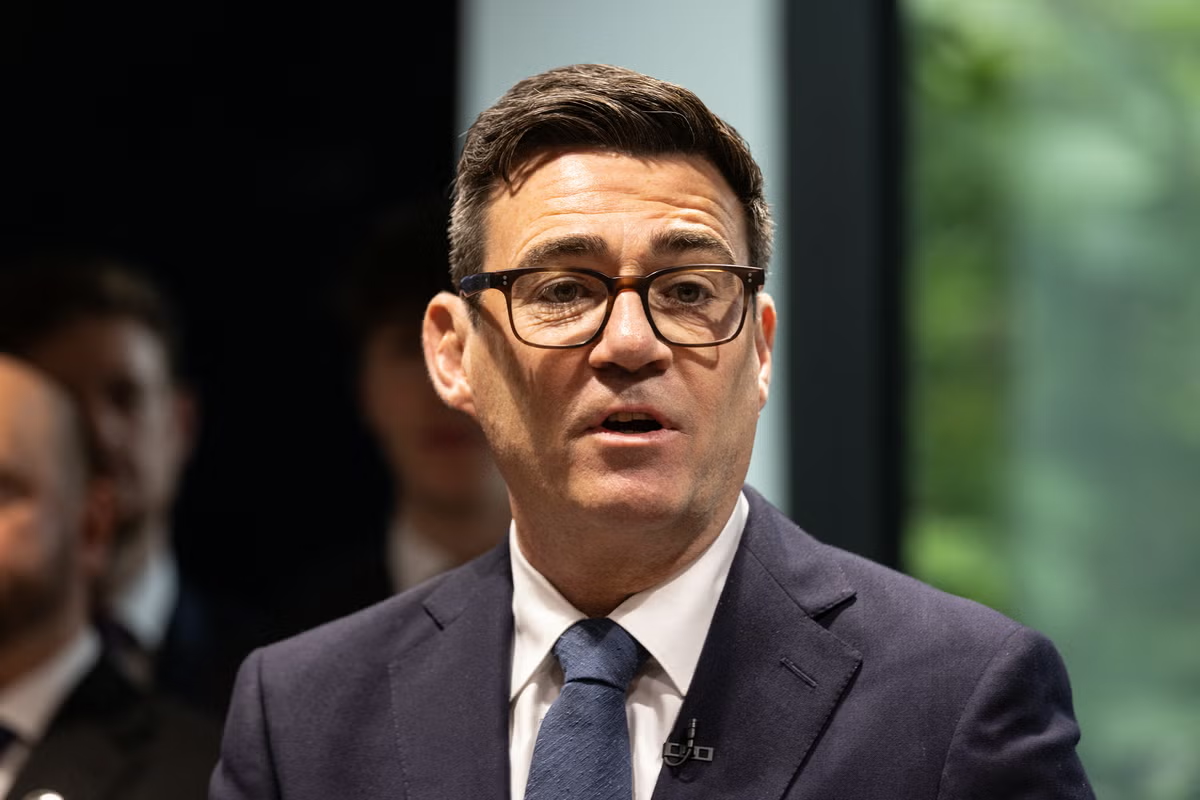
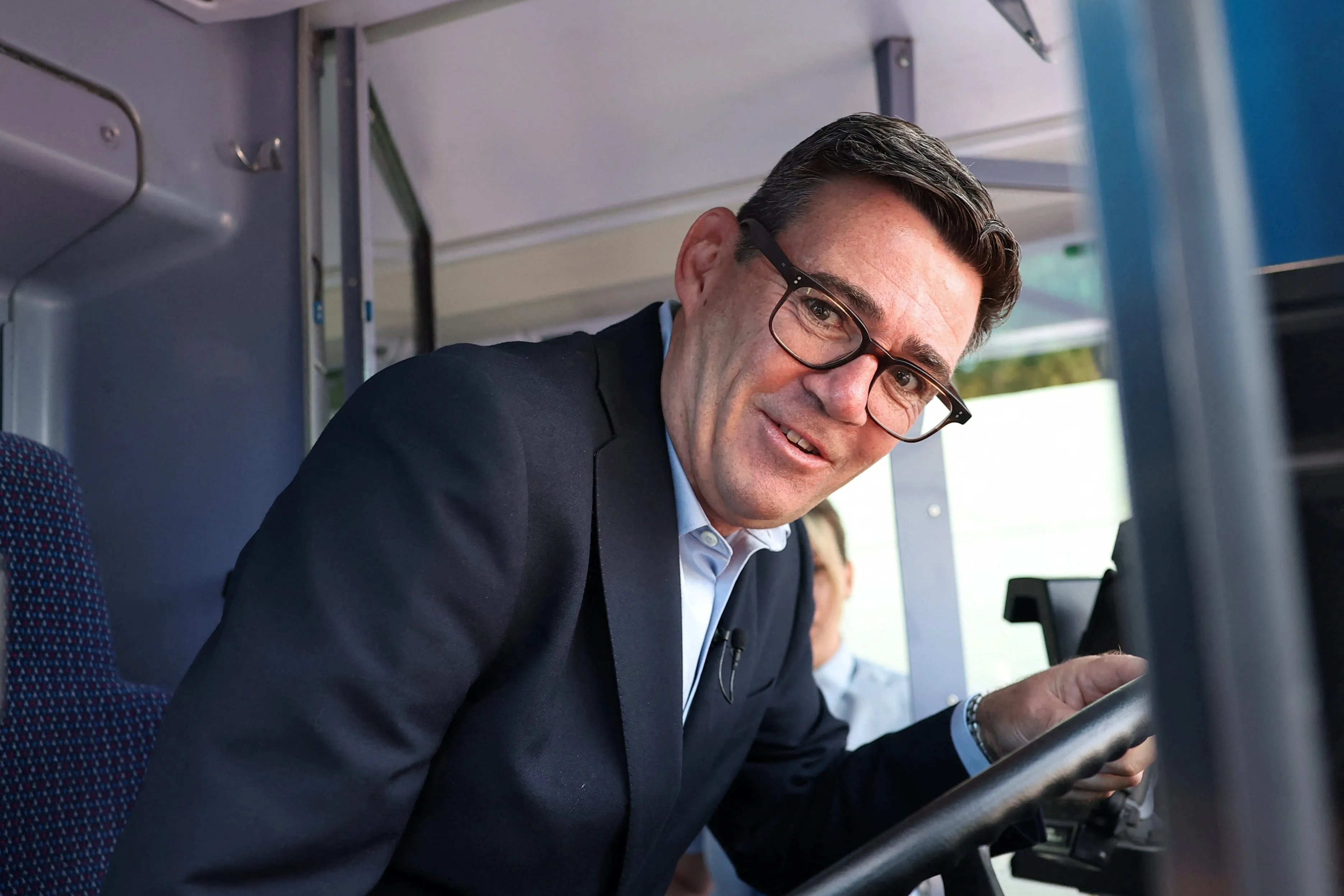
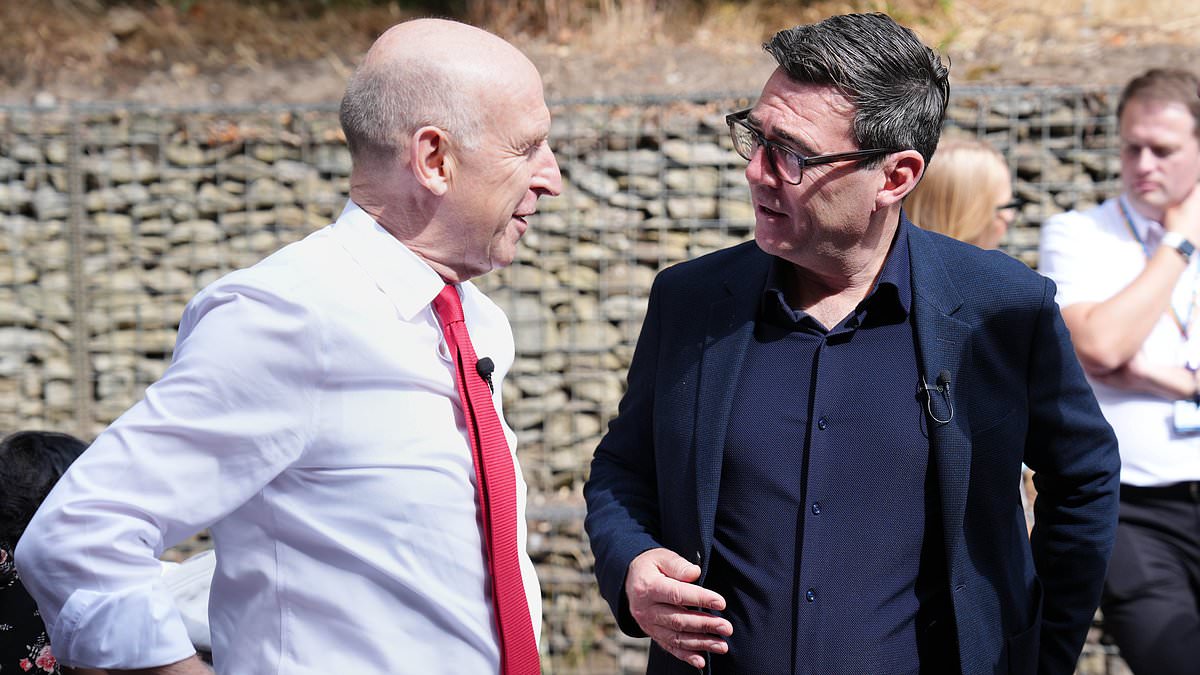
Chancellor John Healey will be forced to launch another round of major tax rises in the autumn, leading economists have warned, after a City AM analysis found £22bn of spending pledges are not accounted for in official forecasts.Less than 24 hours after becoming Prime Minister, Andy Burnham has already announced plans to end rough sleeping and remove VAT from households’ energy bills, piling pressure on the UK’s precarious public finances. In total, the pledges add up to approximately £22bn between now and the end of the parliament, funding for which needs either to come from borrowing, tax rises or from eating into the £20bn of ‘fiscal headroom’ left by Chancellor Rachel Reeves.The promises add to the spate of uncosted commitments announced by Keir Starmer before his resignation, including a portion of the Defence Investment Plan (Dip) and the recently struck settlement for junior doctors. Together, the spending pledges – combined with higher debt interest payments imposed by the Iran war and higher-than-expected borrowing – add up to some £22bn, the same figure former Chancellor Rachel Reeves claimed to have inherited from the Conservatives in 2024.The testing inheritance means sizeable tax rises at Healey’s maiden fiscal event are “pretty much guaranteed”, according to independent economist Julian Jessop, who warned a third year of tax speculation speculation would erode already delicate business sentiment.“The new administration is already starting to splash the cash, gearing up for another blockbuster tax-and-spend Budget in the autumn,” he told City AM. “In the meantime, another summer of pre-Budget speculation is likely to dampen business and consumer confidence again.”In his first speech as Prime Minister, Burnham vowed to build “a new economy” in Britain that would give the public greater control of public services and end four decades of so-called neoliberalism. As part of the same address, the former Manchester mayor unveiled his promise to end rough sleeping, before trailing a raft of measures to give households “breathing space” to deal with the cost of living.The first of those, announced on Tuesday, was the plan to remove VAT from energy bills, which will cost an estimated £1.7bn if it remains in place for a full year. Business secretary Jonathan Reynolds said the cash would come from scrapping the planned digital ID policy. But funding for the Starmer pet project had not been identified, meaning it will still need to be costed by the Office for Budget Responsibility this autumn.Burnham surprised much of Westminster when he named former defence secretary Healey as his Chancellor. The selection has not stirred a major market revolt, but it leaves taxpayers facing a fresh bill to fund a further £9bn of defence spending, after the veteran MP resigned over Keir Starmer’s refusal to increase armed forces funding to three per cent of gross domestic product. The £22bn figure does not include any of the Burnham administration’s mooted proposals to unfreeze the personal allowance, nationalise Thames Water or increase the foreign aid budget to 0.7 per cent of GDP. Together those moves – also unaccounted for in official forecasts – will cost the taxpayer at least £45bn, the City AM analysis showed.“In order to achieve these spending commitments there would need to be real backbone to cut other forms of public spending, break manifesto commitments, ditch the fiscal rules or address pension tax relief with all the damage that would do to UK investing and saving,” Panmure Liberum chief economist Simon French told City AM. “This is why most investors think very few of these commitments will happen.”Healey hemmed in by manifesto and fiscal rulesThe decisions underscore the pressure on Healey to stay within his inherited spending straitjacket while also appeasing Labour’s restive backbenchers and a jittery bond market. Burnham has committed to Reeves’ fiscal rules and her manifesto promise to keep income tax, VAT and employee national insurance untouched, leaving few remaining avenues to generate considerable returns for the Exchequer.Any tax-raising Budget would be the Labour party’s third in as many years, after Rachel Reeves hiked the tax burden by some £66bn over her two main fiscal interventions to take public spending to an all-time high. Helen Thomas, chief executive Blonde Money, said: “The more things change, the more they stay the same. Rachel Reeves said she inherited a black hole, now she passes one on.”“There is also a great deal of experience in the new administration: Healey, Miliband, Burnham plus James Purnell as chief of staff all worked in the Blair and Brown governments,” she added. “But this time round, debt-to-GDP is more than double and growth is almost half. They will struggle to please both their party and the markets, just as Starmer did.”Fiscal control is the first duty of any Chancellor. It is mine. And fiscal credibility is the bedrock for economic stability and for national security.”Chancellor John Healey said: “The Prime Minister and I have talked about how we will work in lockstep to meet the fiscal rules with a buffer against uncertainty and how we’ll make life more affordable for working people right across the UK.“Fiscal control is the first duty of any Chancellor. It is mine. And fiscal credibility is the bedrock for economic stability and for national security.”