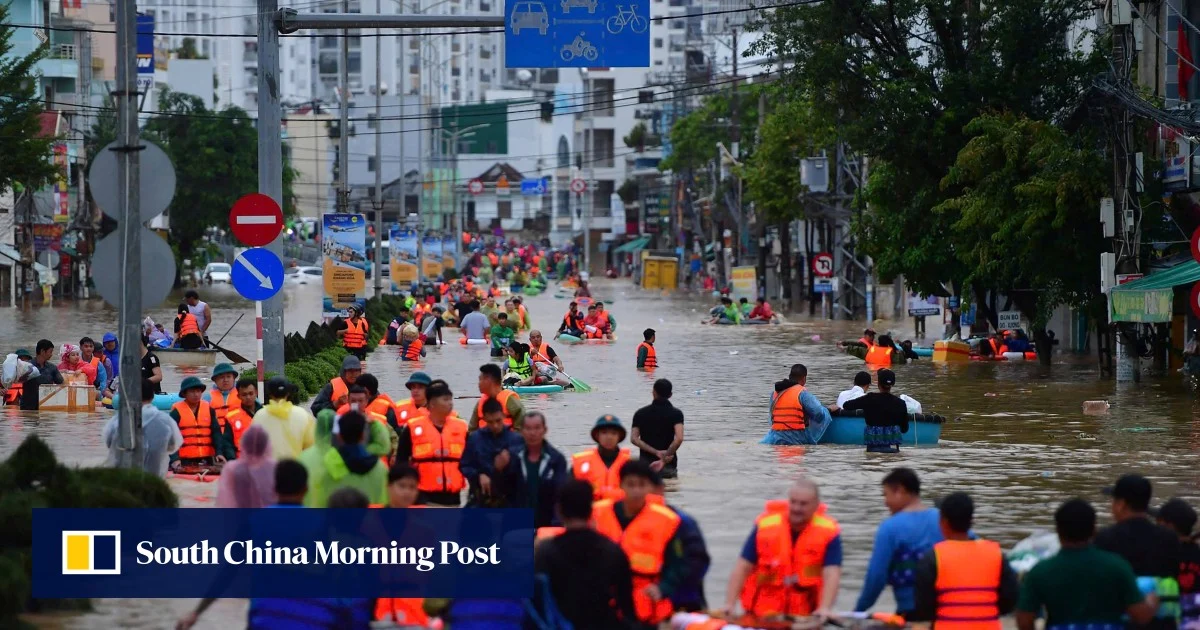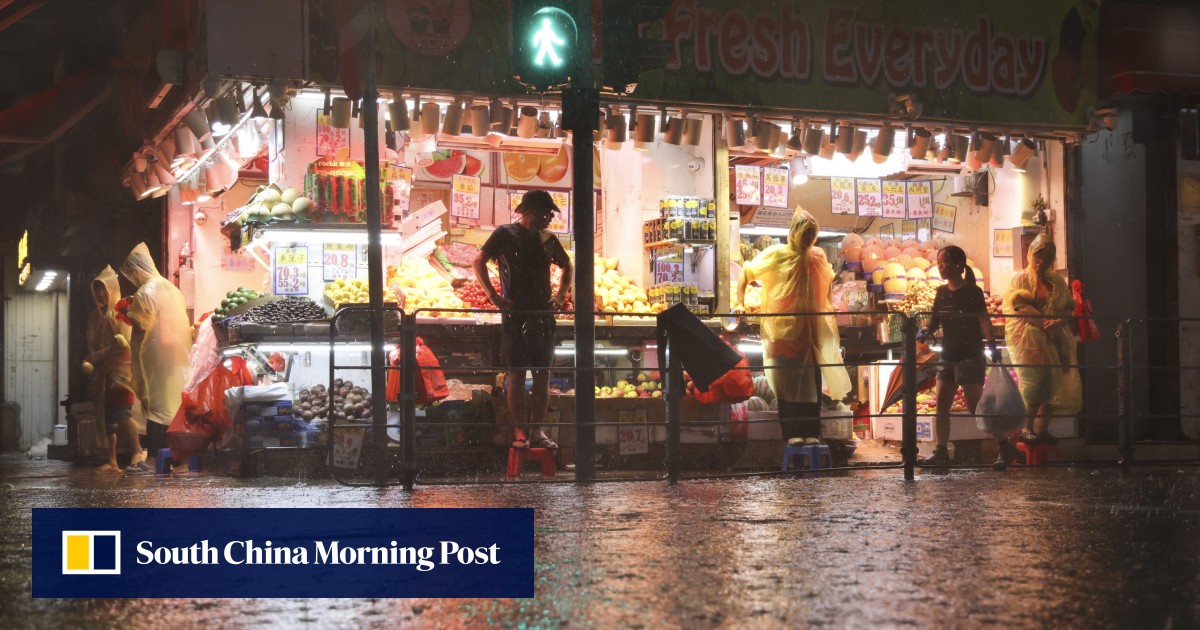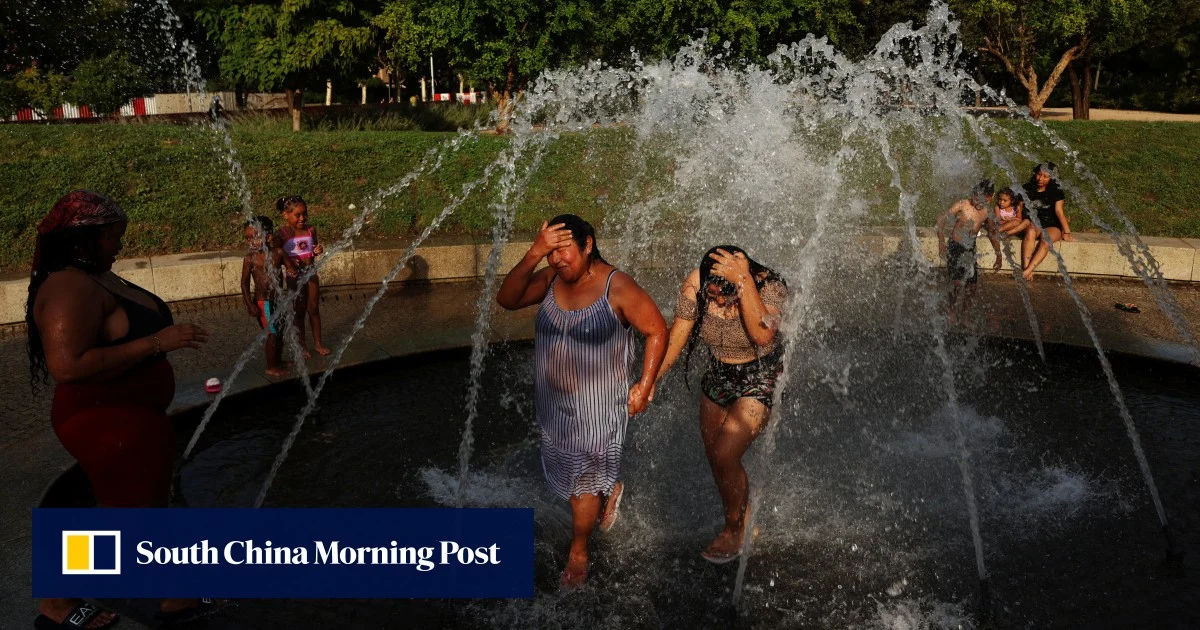
Feel strongly about these letters, or any other aspects of the news? Share your views by emailing us your Letter to the Editor at [email protected] or filling in this Google form. Submissions should not exceed 400 words.Climate change is no longer a distant threat – it is disrupting economies and daily life across the world. The Asia‑Pacific region has been suffering extreme heat, historic rainfall and El Nino conditions. Hong Kong is no exception, with the “once-in-500 years” rainstorm of 2023 and Super Typhoon Ragasa in 2025 revealing the city’s vulnerability.Extreme weather is expected to become more frequent and severe. With economic diversification, more workers – including delivery personnel, part-time staff, older people and those with disabilities – face heightened exposure to climate risks.Given that the existing safeguards are insufficient, protecting workers’ safety and rights must be an urgent policy priority.The Hong Kong government has issued a revised Code of Practice in times of Typhoons and Rainstorms, as well as Guidance Notes on Prevention of Heat Stroke at Work. While useful, these remain guidelines rather than binding ordinances.Employers should go beyond minimum compliance, engaging staff in shaping operational rules that reflect different job roles. With environmental, social and governance (ESG) principles now widely adopted, companies – including small and medium-sized enterprises and NGOs – are encouraged to proactively safeguard workers rather than treat health and safety as passive obligations.
Letters | Climate change demands stronger worker protections in Hong Kong
Readers discuss workers’ safety and rights during extreme weather, the state of Earth’s life support systems, and how to rejuvenate Chinese football.
230 words~1 min read