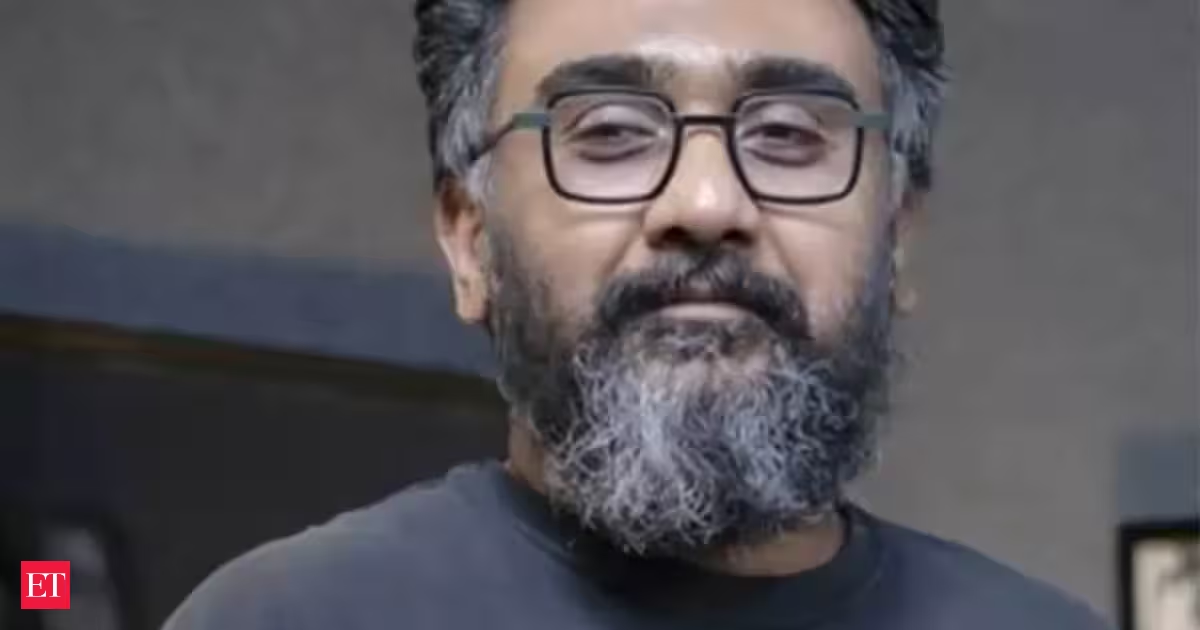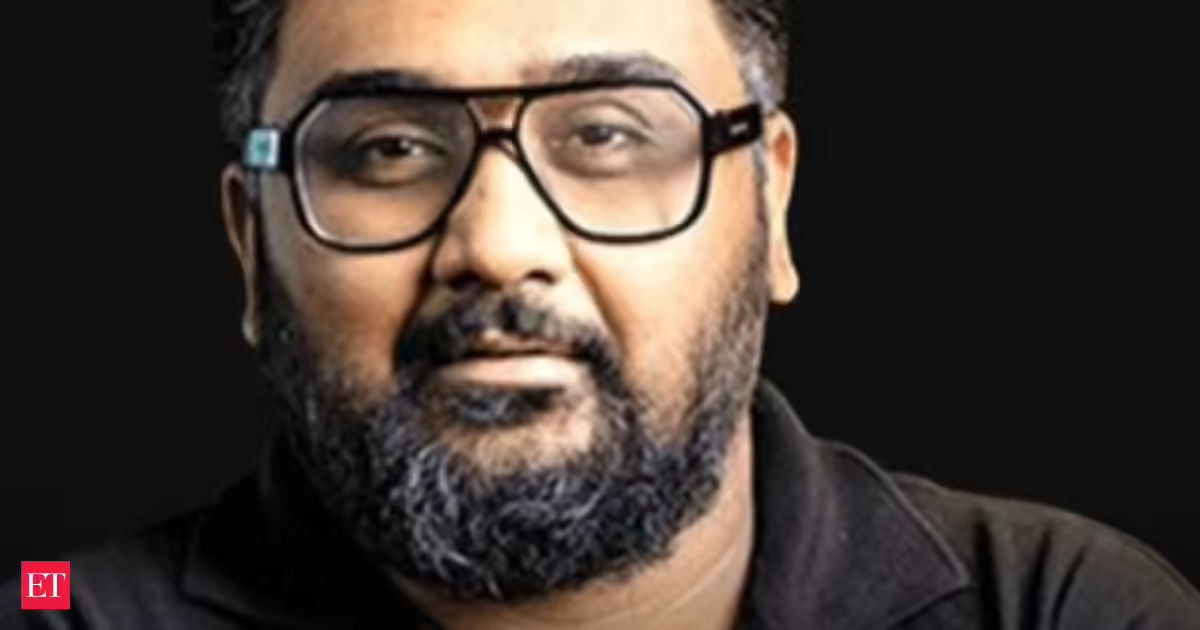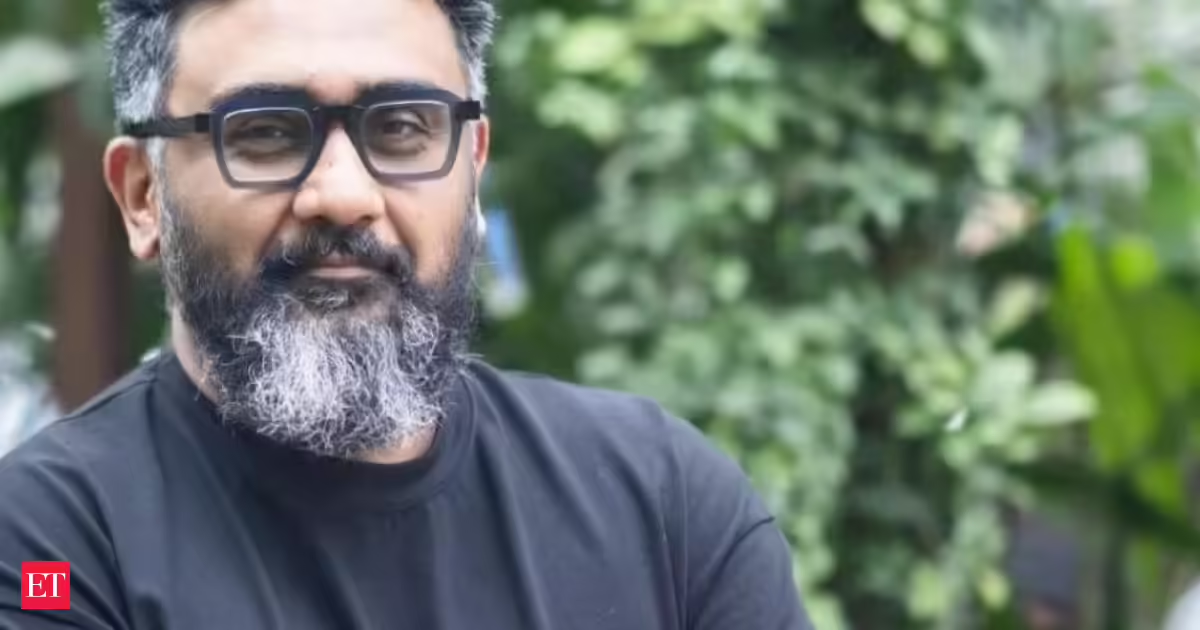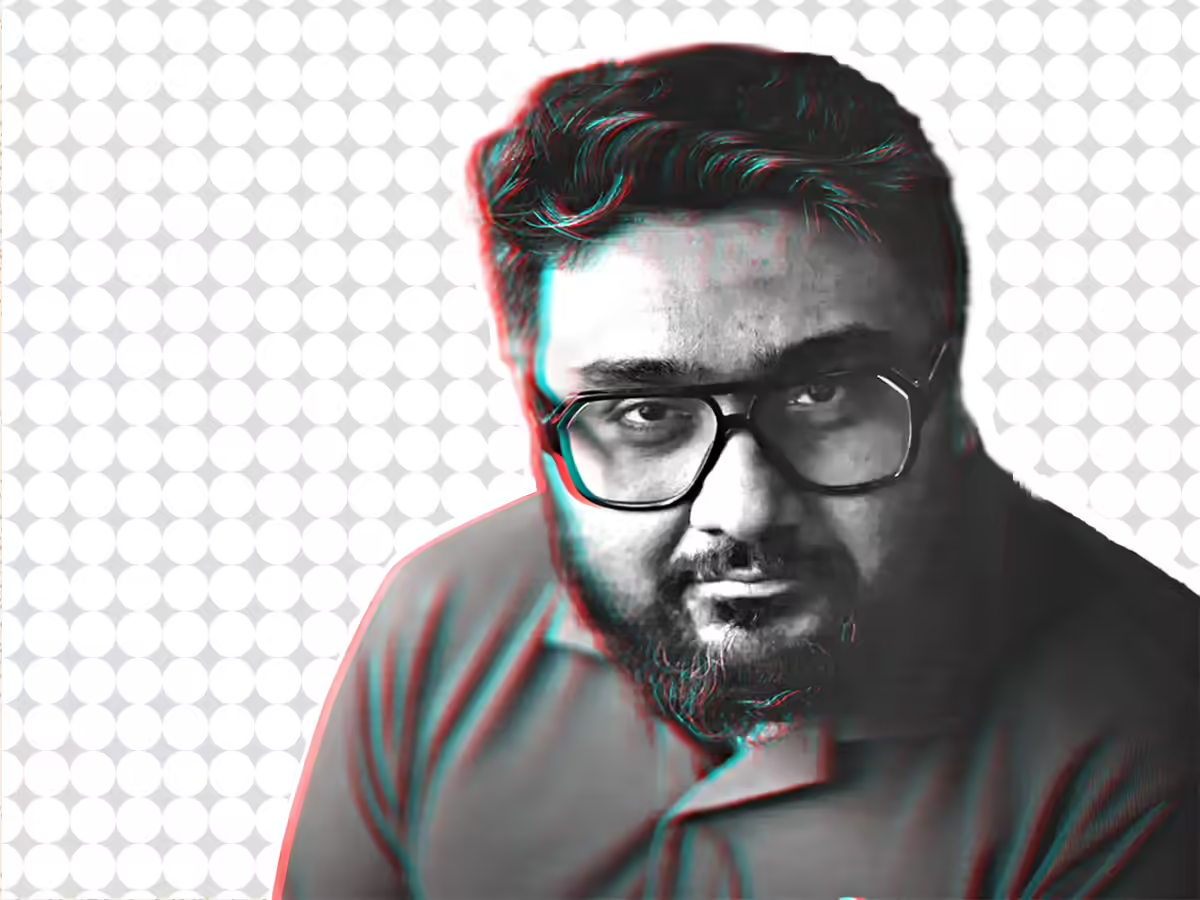
This is reflective of an underlying shift in terms of how workplaces are approaching leadership hiringMUMBAI: Fintech startup Cred founder Kunal Shah's appointment as the head of WhatsApp got everyone talking on social media. Much of the discourse was around a Philosophy graduate making it to the top echelons of the tech world.Shah, of course, has had the experience of building and running new-age tech ventures and Meta roped in him to help monetise the business in India, WhatsApp's biggest market. But all said and done, Shah's appointment is somewhat unconventional--it doesn't follow the typical corporate hiring script of boards mandating companies to hire leaders with a certain kind of educational background or professional experience.Shah is among a handful of such Indian-origin leaders--think Leena Nair who went on to become the CEO of French luxury fashion house Chanel from Unilever where she held the CHRO's office; or Nikhil Ravishankar who was elevated to CEO at Air New Zealand despite having a career entirely in digital transformation and consulting.This is reflective of an underlying shift in terms of how workplaces are approaching leadership hiring. "Executive search has always worked on the dominant logic of linearity. You hired a retail veteran to run a retail giant, a banker to lead a bank. But that framework is eroding....A part of what's driving this is the nature of disruption itself," said Anagh Sood, operating partner at executive search firm Positive Moves.Some of the most well-known companies-Amazon, Uber, Netflix, were not built by domain experts. The products that redefined entire industries came from outsiders willing to question the status quo. Boards are starting to apply the same logic to their corner offices and broader leadership hiring, said Sood.Industries themselves are no longer operating in neat, isolated silos. Today, a luxury brand is essentially a digital media platform and a technology firm is ultimately a consumer habit engine, said Anjali Raghuvanshi, chief people officer, Randstad India & Global Capability Centre. "Boards are finally prioritising perspective over pedigree. There is a healthy realisation that technical skills have a shelf life but acute emotional intelligence, the ability to manage chaos, and deep curiosity do not," said Raghuvanshi.There could be risks attached to hiring people from non-traditional backgrounds but at the same time, boards want leaders who can deal with ambiguity which defines the current business landscape, said Sankalp Mohanty, partner, human capital consulting at Deloitte India.For companies, such a non-linear approach helps widen the talent pool besides infusing new ideas, said Himanshu Priyadarshi, partner and associate director at Boston Consulting Group (BCG). "However, it requires rethinking talent frameworks to be effective at scale," said Priyadarshi.
Boards look beyond tested playbook to hire leaders
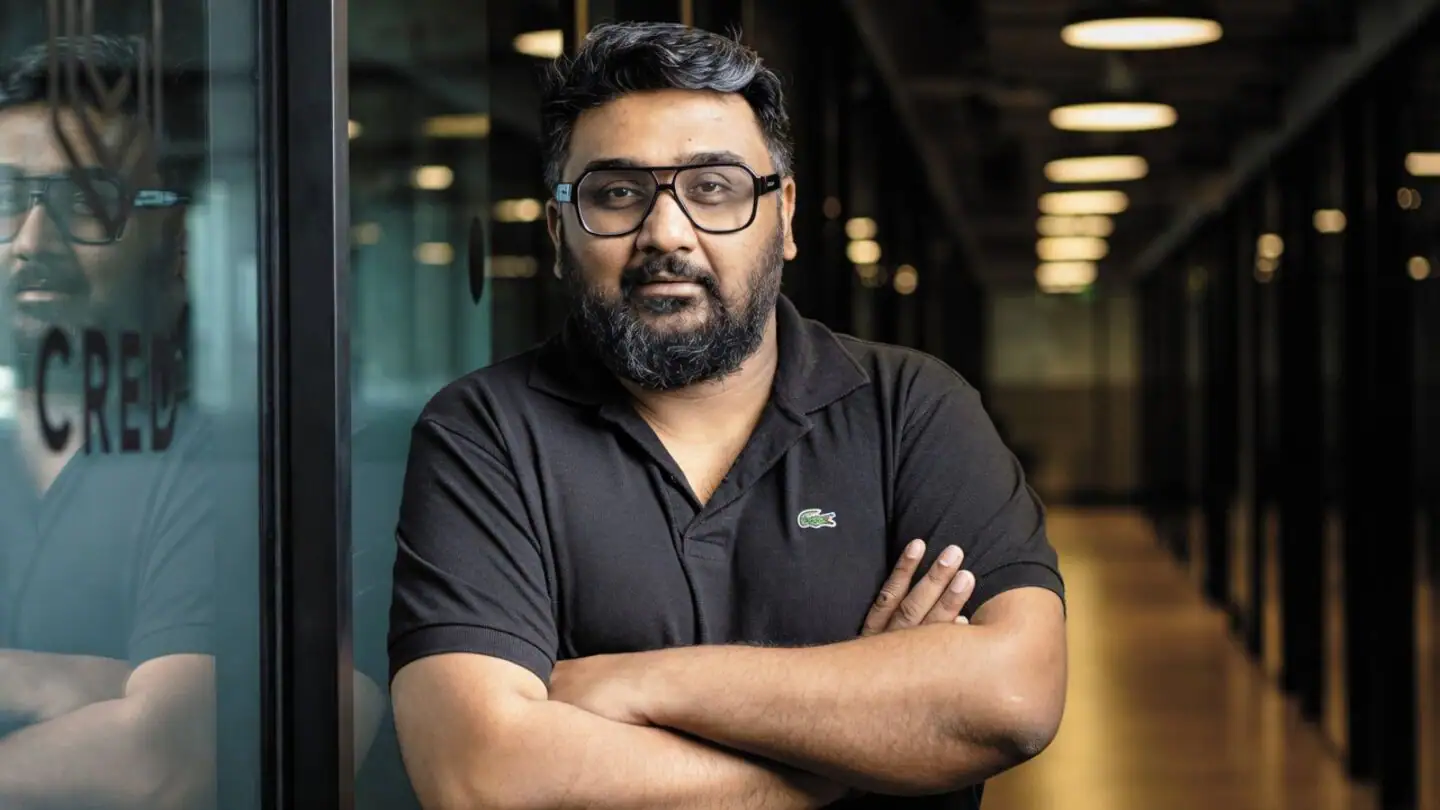
MUMBAI: Fintech startup Cred founder Kunal Shah's appointment as the head of WhatsApp got everyone talking on social media. Much of the discourse was around a Philosophy graduate making it to the top echelons of the tech world.
437 words~2 min read