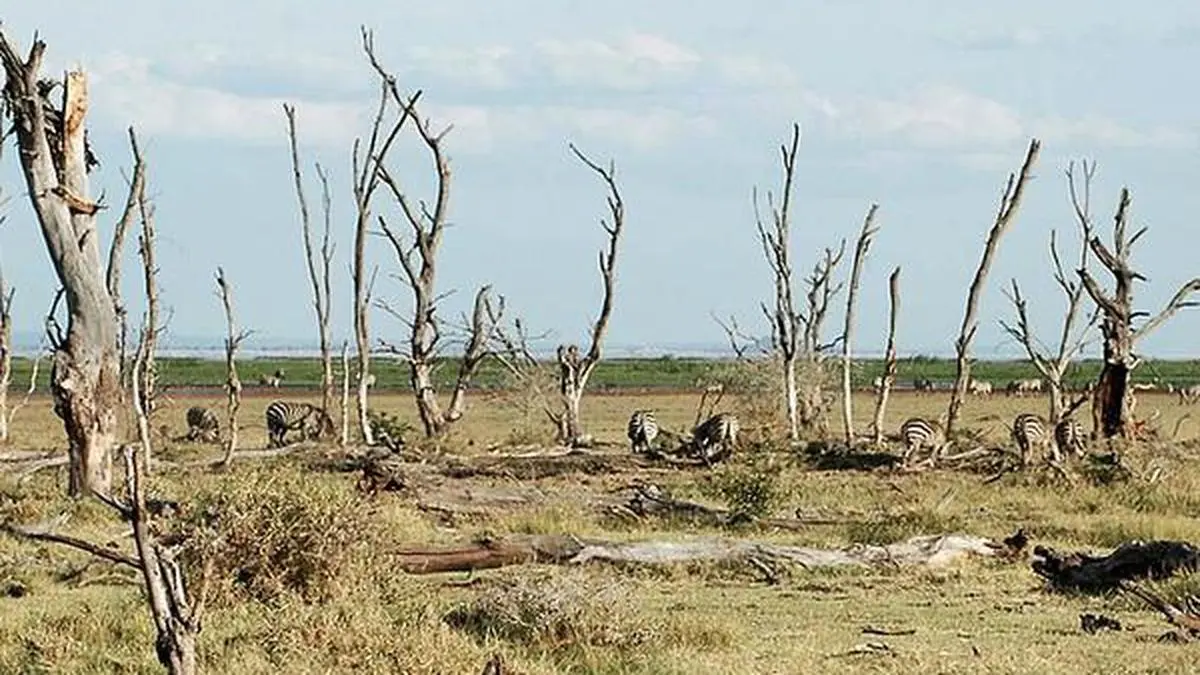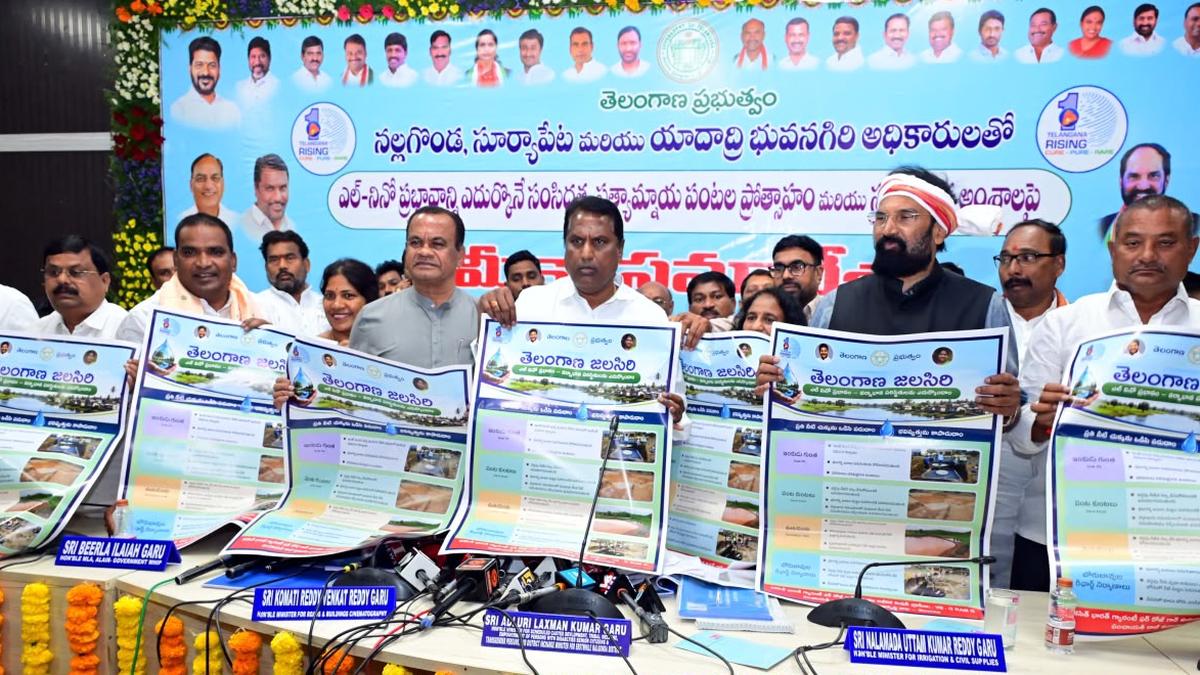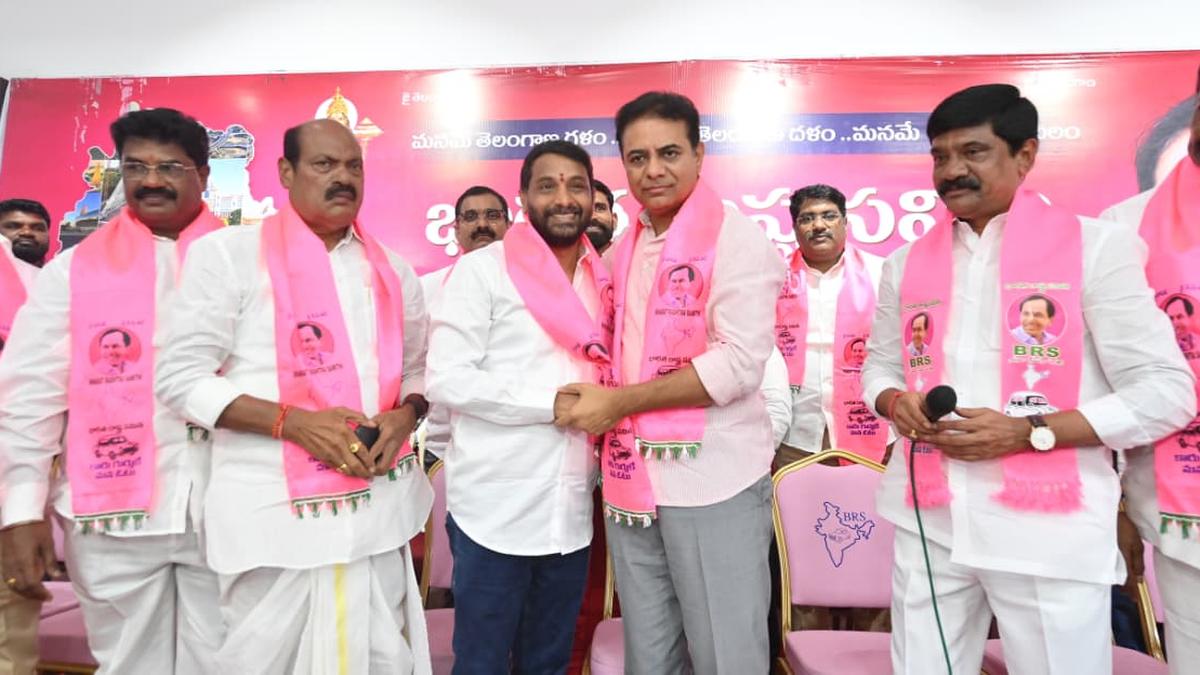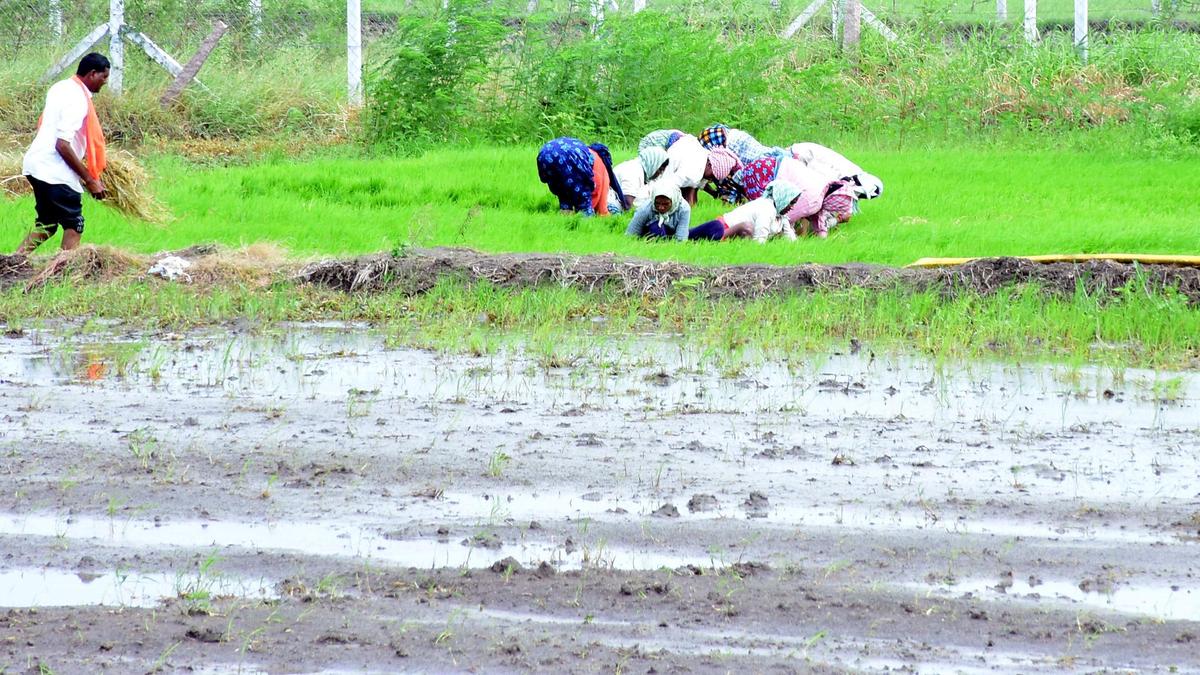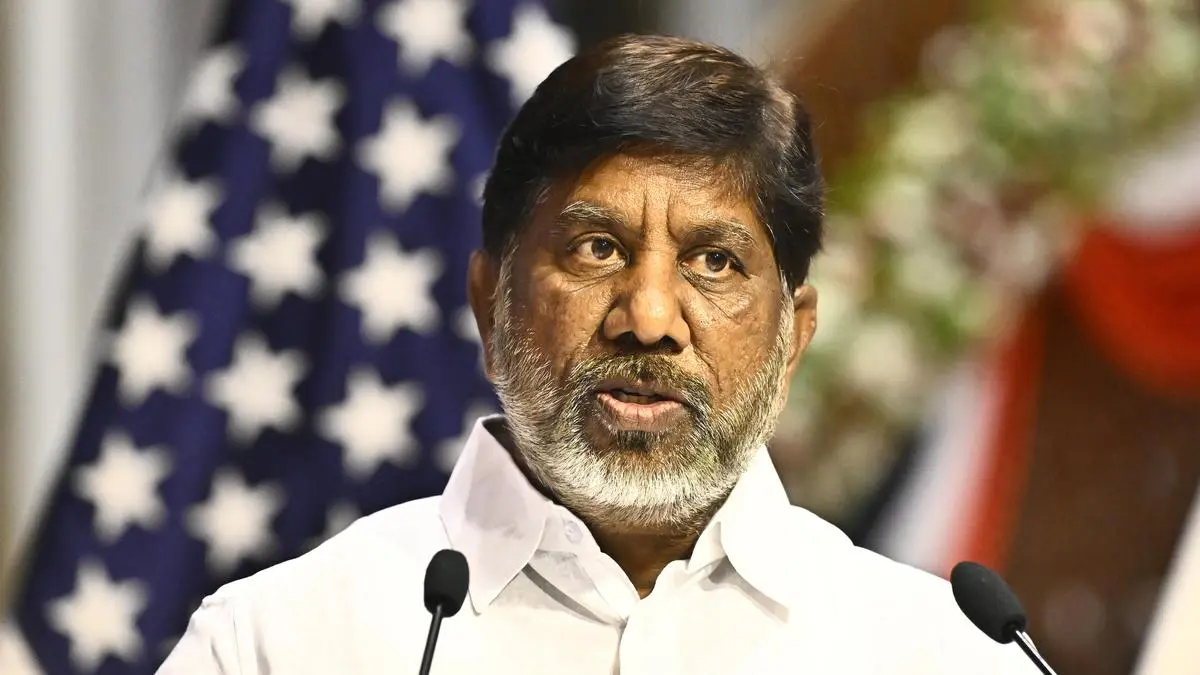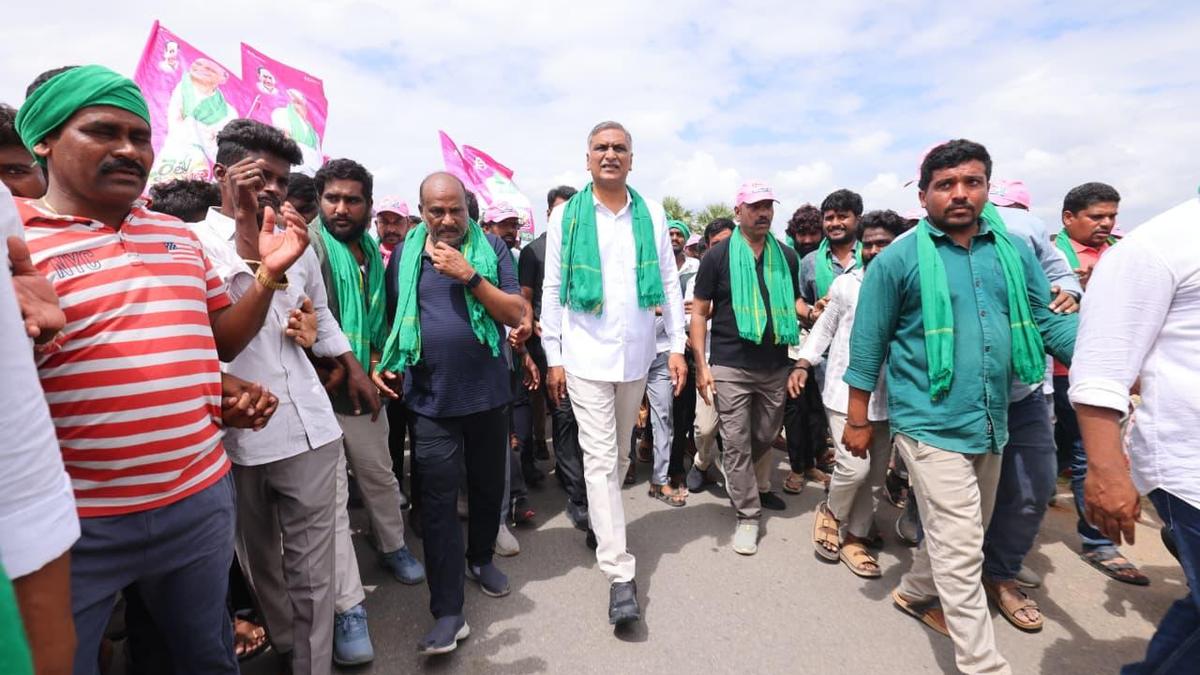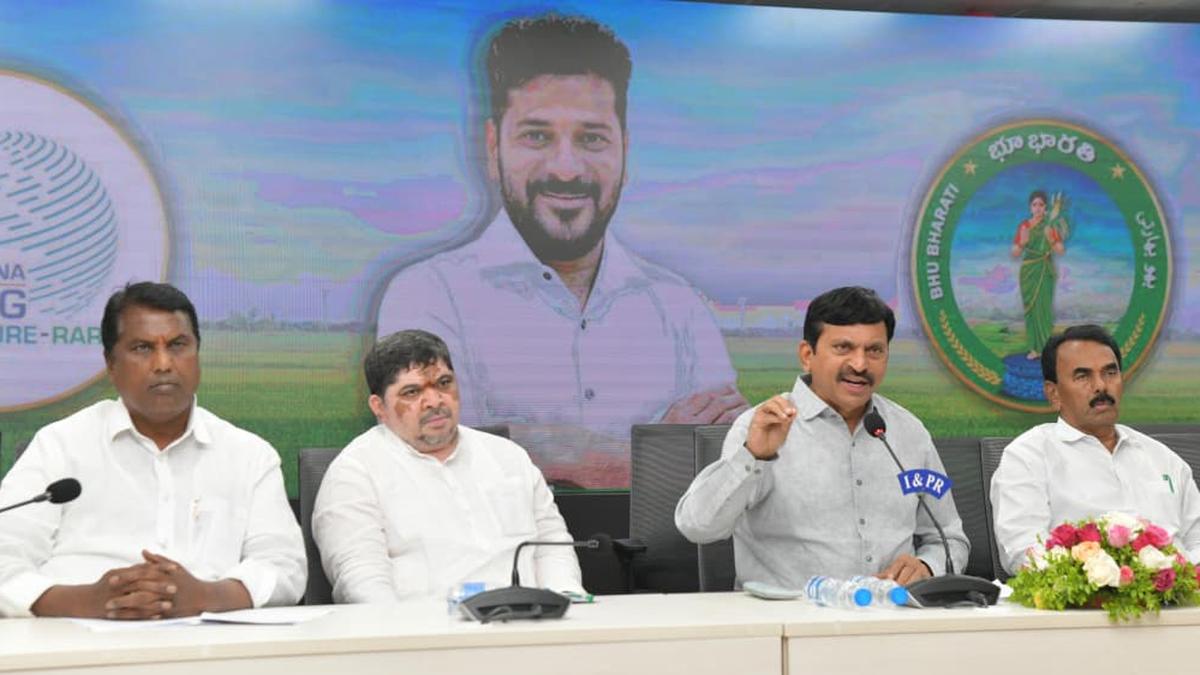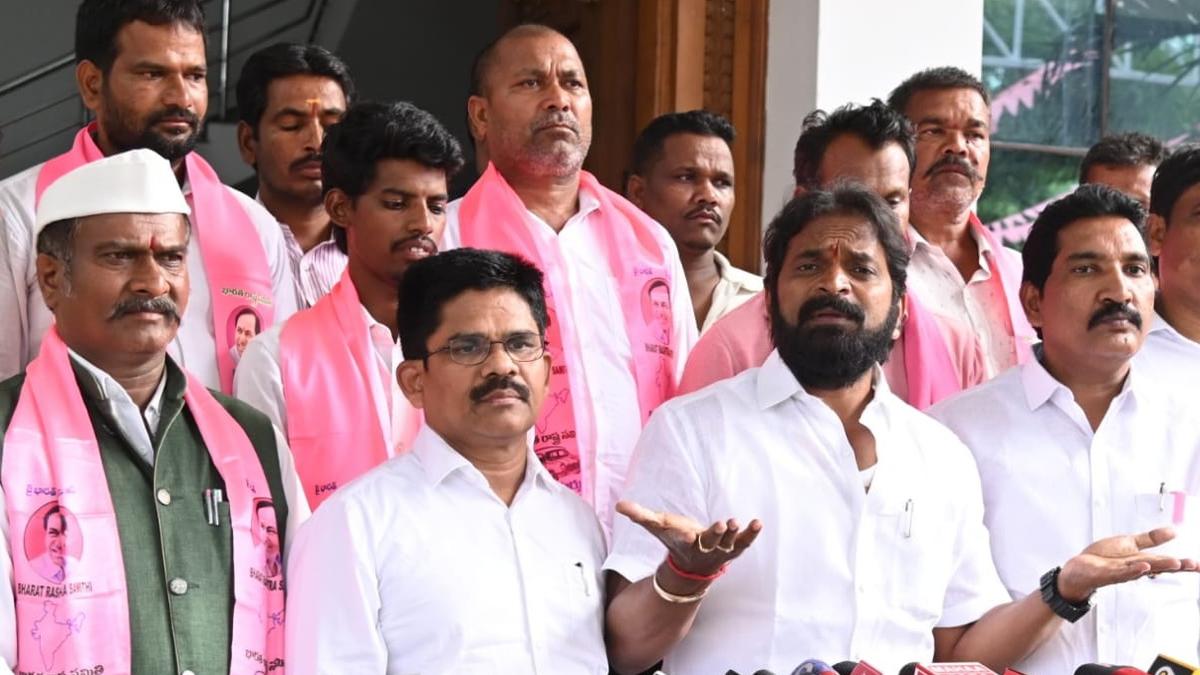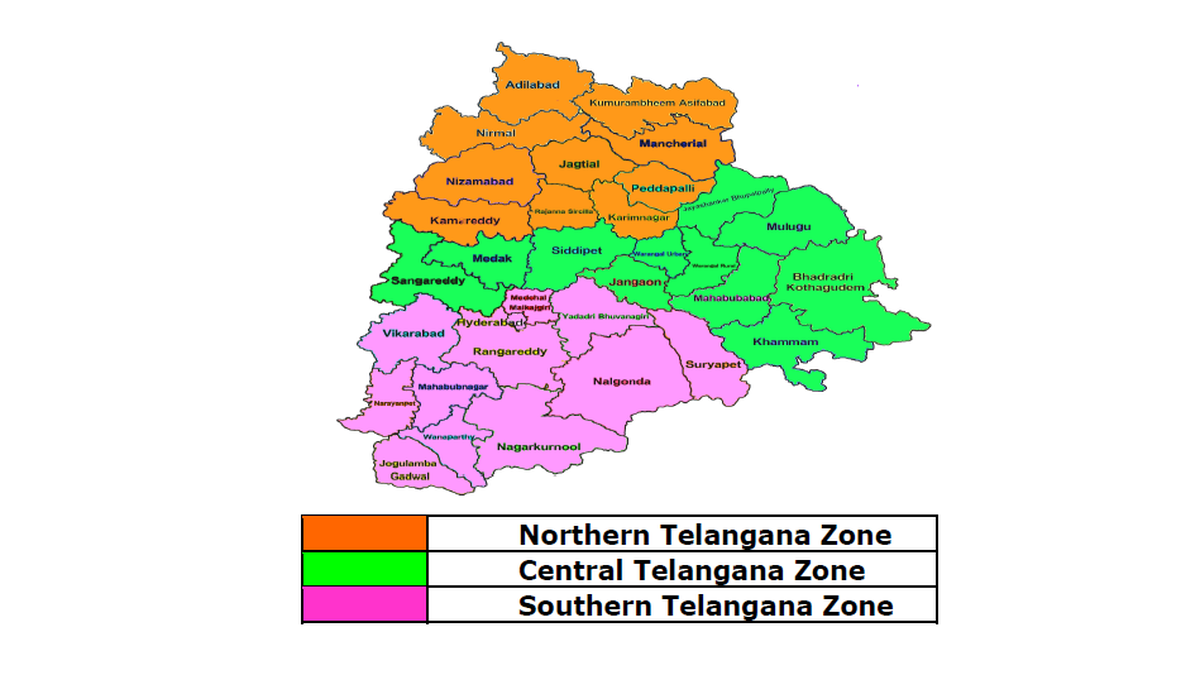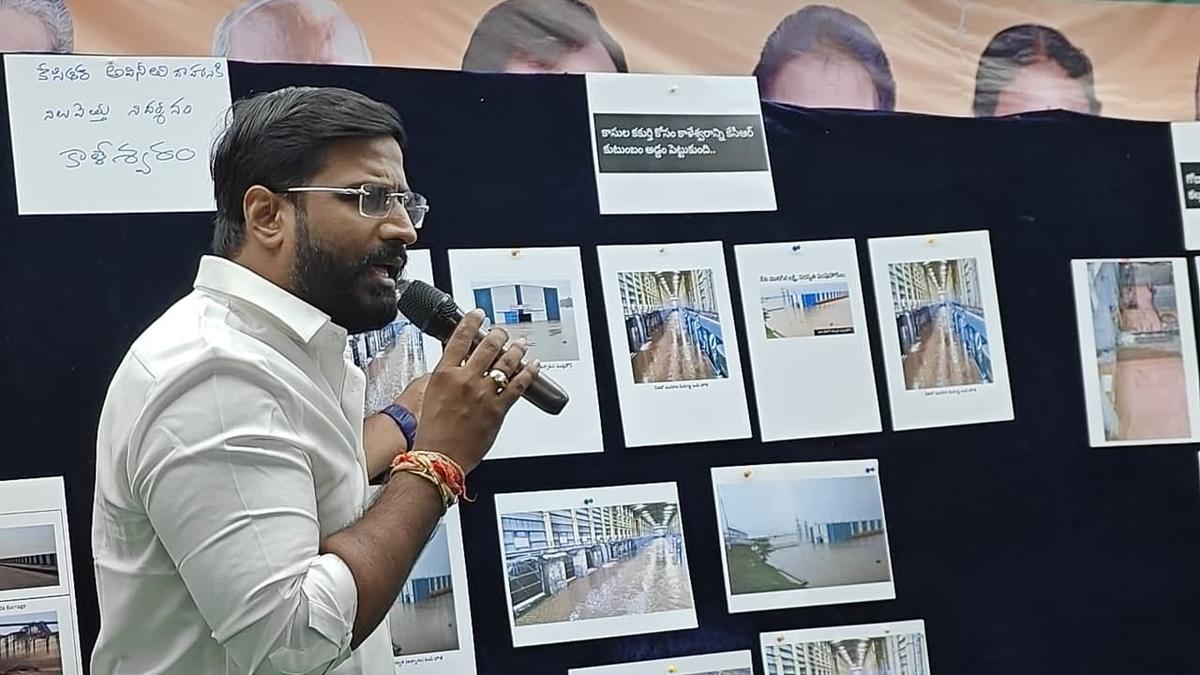
With Telangana facing drought-like conditions due to a monsoon rainfall deficit linked to El Niño, a political battle has intensified between the ruling Congress and the opposition Bharat Rashtra Samithi (BRS) over whether to operate the Kannepalli pump house of the Kaleshwaram Lift Irrigation Scheme to lift Godavari waters for irrigation in the state’s parched northern districts.HT ImageAccording to official figures, Telangana has recorded a cumulative monsoon rainfall deficit of 31% to 35%, with 30 of its 33 districts reporting deficient or largely deficient rainfall between June 1 and July 20.At the same time, heavy rains in upstream Maharashtra and Chhattisgarh have triggered flood inflows of up to one lakh cusecs into the Medigadda barrage through the Pranahita River.An irrigation department official said the water level at the Medigadda barrage reached around 96 metres by Monday, prompting authorities to lift all 85 gates to release the incoming floodwaters downstream.For the past few days, BRS leaders have stepped up attacks on the Congress government, demanding that it operate the Kannepalli pump house at the Medigadda barrage to lift Godavari water into the barrage and further upstream to the Annaram and Sundilla barrages for irrigation.Chief minister A Revanth Reddy, during a PowerPoint presentation on the project on July 11, argued that operating the Kannepalli pump house was inadvisable in view of directions issued by the National Dam Safety Authority (NDSA). He said the Medigadda barrage suffered extensive damage during the October 2023 floods and warned that storing water there could risk a structural collapse.Addressing a public meeting in Mancherial on Tuesday, BRS working president K T Rama Rao accused the Congress government of deliberately neglecting the Kaleshwaram project and allowing Godavari waters to flow “wastefully” into neighbouring Andhra Pradesh while Telangana farmers faced drought-like conditions.“The government should immediately lift water through the Kannepalli pumps to protect agriculture,” he demanded.The BRS maintained that the Medigadda barrage was not essential for operating the Kannepalli pump house. According to KTR, water could be lifted whenever the river level at Kannepalli exceeded 93 metres. With the Godavari currently flowing at around 97 metres, he said, the pumps could be operated without delay.He claimed that nearly one tmcft of water could be lifted every day, enabling storage of almost 200 tmcft over the next 100 days and preventing irrigation and drinking water shortages across large parts of Telangana.KTR also said Telangana was losing valuable Godavari waters while neighbouring Andhra Pradesh continued to effectively utilise the Pattiseema Lift Irrigation Scheme. He questioned why the state had failed to restore the Kaleshwaram project despite repeated appeals from farmers, retired engineers and opposition parties.Responding sharply, irrigation minister Uttam Kumar Reddy said the Kaleshwaram project had been conceived, designed, constructed and operated entirely under the BRS government and that the previous regime bore complete responsibility for the Medigadda barrage collapse.He noted that the barrage partially collapsed on October 21, 2023, when K Chandrasekhar Rao was chief minister, while the Congress government assumed office only on December 7 that year.Questioning the BRS, the minister asked who had designed, constructed and operated the Medigadda barrage. He accused the opposition of trying to conceal what he described as a “historic administrative failure” by blaming the Congress government and misleading the public.The minister said the Medigadda, Annaram and Sundilla barrages had all been declared structurally unsafe by the NDSA. He warned that filling the barrages or operating the Kannepalli pumps under the present conditions could further damage the structures and endanger downstream villages.“The BRS government created a man-made disaster through faulty planning, poor construction and negligence. We will not repeat the same mistake by storing water in unsafe barrages merely for political gains,” he said.Since safe storage was currently not possible at Annaram and Sundilla, operating the pumps was technically infeasible, he added.The minister said comprehensive scientific investigations covering soil conditions, foundations, concrete quality and structural integrity were nearing completion.According to him, the Central Water and Power Research Station (CWPRS) and the National Geophysical Research Institute (NGRI) have completed most of the investigations, and the findings have been sent to IIT Bombay for preparation of detailed rehabilitation designs.Preliminary assessments indicate that construction of a diaphragm wall across the barrages could form part of the restoration strategy, though the final repair methodology will depend entirely on expert recommendations.He said the Union government had constituted a Technical Oversight Committee to scrutinise the rehabilitation proposals and that restoration work would begin only after approvals from the committee, the NDSA and the Central Water Commission (CWC).Reiterating that public safety would remain paramount, Uttam Kumar Reddy said the Medigadda, Annaram and Sundilla barrages would not be operated until all statutory agencies certified them as structurally safe.
Telangana govt frames strategy to mitigate impact of el Niño
With Telangana facing drought-like conditions due to a monsoon rainfall deficit linked to El Niño, a political battle has intensified between the ruling Congress and the opposition Bharat Rashtra Samithi (BRS) over whether to operate the Kannepalli pump house of the Kaleshwaram Lift Irrigation Scheme to lift Godavari waters for irrigation in the state’s parched northern districts | India News
776 words~4 min read