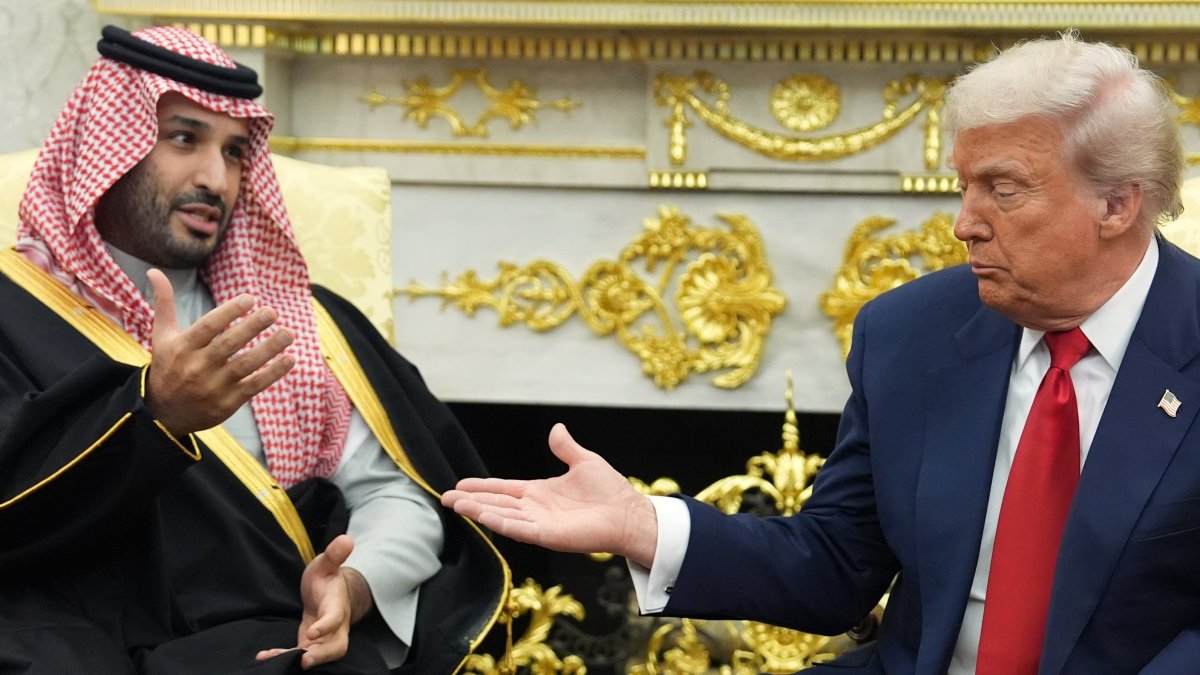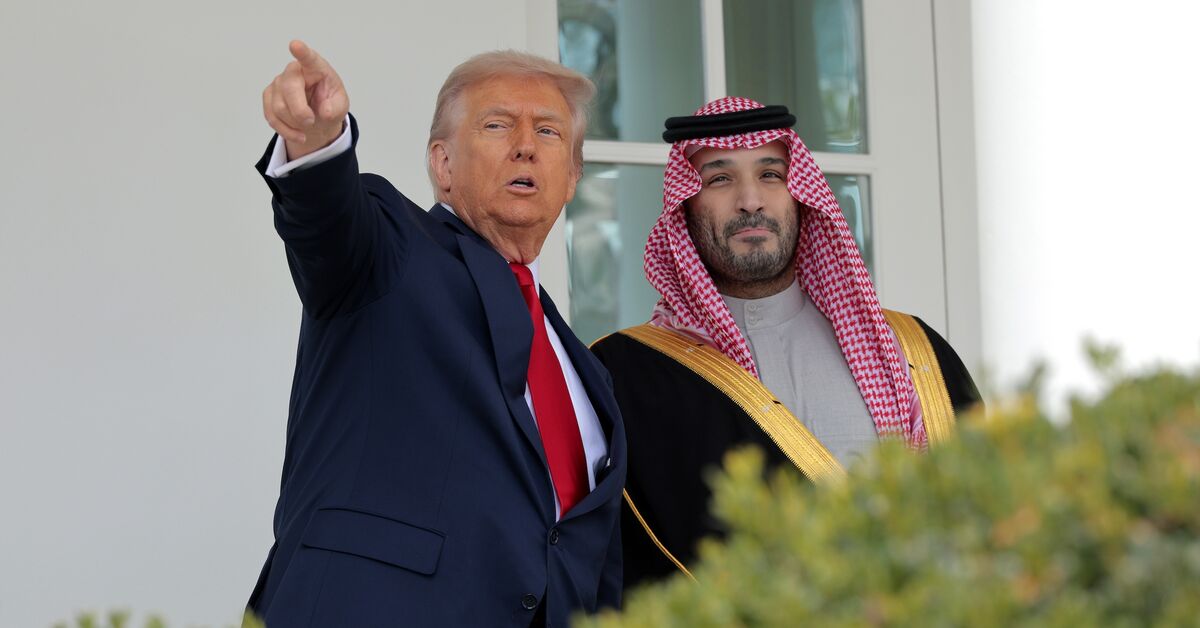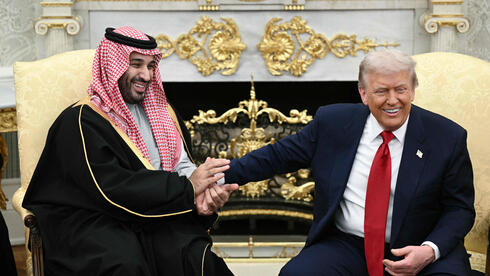
The agreement is intended to give US companies a central role in developing Saudi Arabia's nuclear infrastructure and is estimated to be worth tens of billions of dollars; A key clause would allow U.S. companies to build a uranium enrichment facility thereynet|U.S. President Donald Trump has officially approved a historic agreement with Saudi Arabia that will provide it with a civilian nuclear program and open the door to uranium enrichment on its territory, The Wall Street Journal reported overnight Tuesday into Wednesday, citing administration officials who said Trump gave the green light to the deal late last week. It is expected to be signed as early as Wednesday.According to the report, the agreement will last 30 years and is valued at tens of billions of dollars. It is intended to give American companies a central role in developing Saudi Arabia’s nuclear infrastructure, while pushing aside foreign competitors. A key clause in the agreement would allow U.S. companies to build a uranium enrichment facility in Saudi Arabia if a joint U.S.-Saudi review finds that the move is justified.Administration officials who spoke with the newspaper said the agreement would give the United States influence over the Saudi nuclear program, and, they claimed, would also prevent the misuse of material for military purposes. According to the report, the agreement is expected to be submitted to Congress for review in the coming days and will likely spark an uproar among opponents of spreading nuclear technology in the Middle East.President Donald Trump and Saudi Crown Prince Mohammad Bin Salman(Photo: Brendan Smialowski/AFP)However, the Journal noted that lawmakers would have difficulty blocking the agreement, because doing so would require a joint resolution and a two-thirds majority to override a possible Trump veto. The agreement is expected to be signed Wednesday by Energy Secretary Chris Wright, who crafted the deal during his first visit to the region in April 2025.“The agreement could help revive the U.S. nuclear industry, strengthen ties between Washington and Riyadh, and sideline China and Russia,” said Robert Einhorn, a former senior State Department official who has advised both Democratic and Republican administrations on nuclear nonproliferation issues. However, he cautioned that if the agreement does not include appropriate restrictions, including on enrichment, it could actually increase the risk in the Middle East and beyond.Over the weekend, CNN reported that, as early as last October, the Trump administration and Saudi Arabia had drafted an agreement on U.S. assistance in developing a civilian nuclear program — without enhanced international oversight, and with Riyadh allowed to enrich uranium on its own soil and possibly also produce plutonium. According to the report, the actual signing has been delayed since then, among other reasons because of the war with Iran.CNN noted that congressional officials believe the delay also stems from the Trump administration’s concern over fierce opposition from lawmakers on both sides of the political aisle. In the background, it should be noted, there have also been reports in recent weeks of a rift in relations between Washington and Riyadh.
Trump approved civil nuclear deal with Saudi Arabia, WSJ reports
The agreement is intended to give US companies a central role in developing Saudi Arabia's nuclear infrastructure and is estimated to be worth tens of billions of dollars; A key clause would allow U.S. companies to build a uranium enrichment facility there
500 words~2 min read