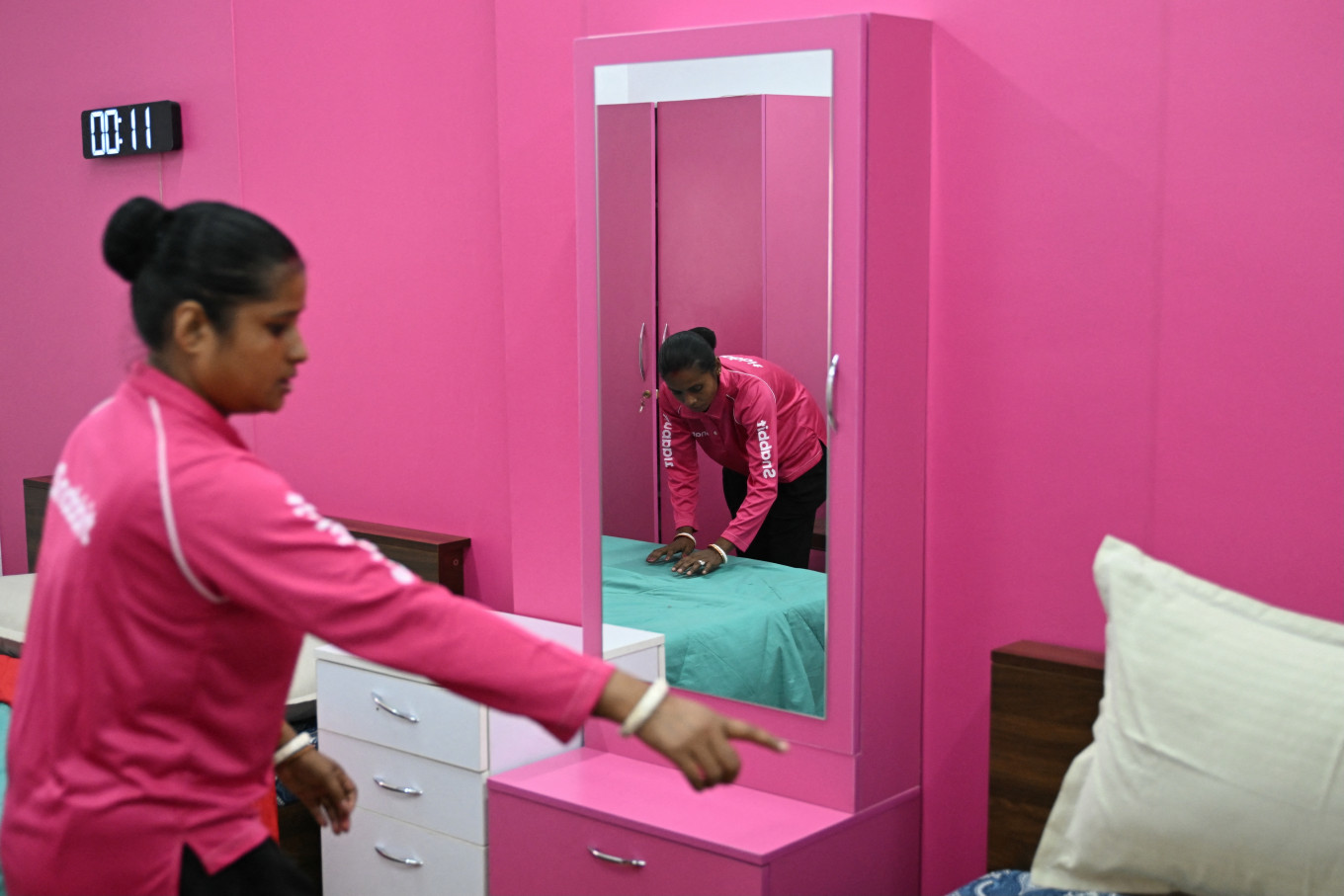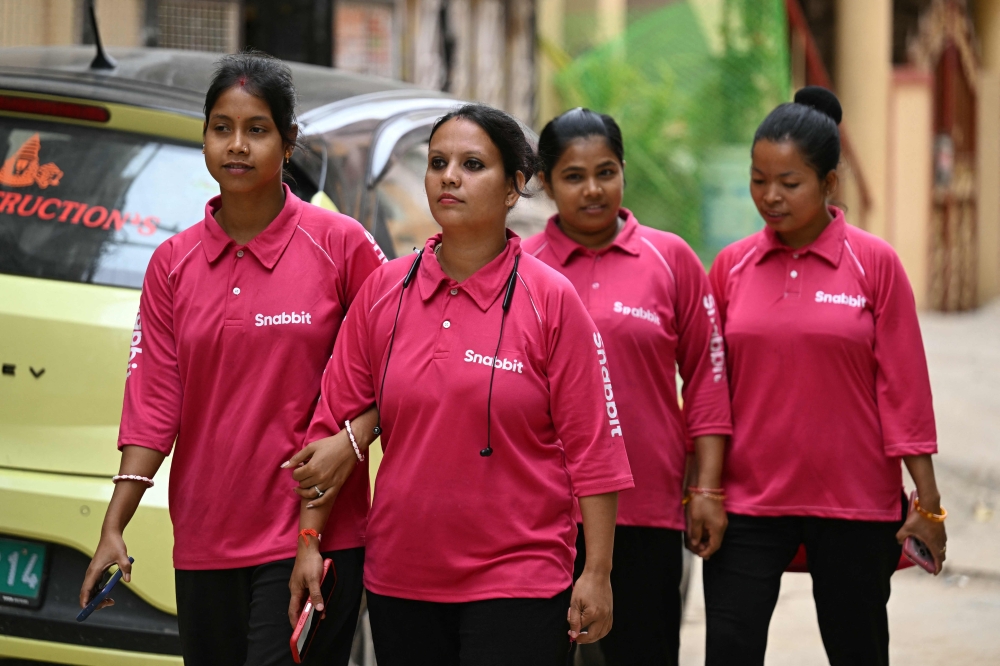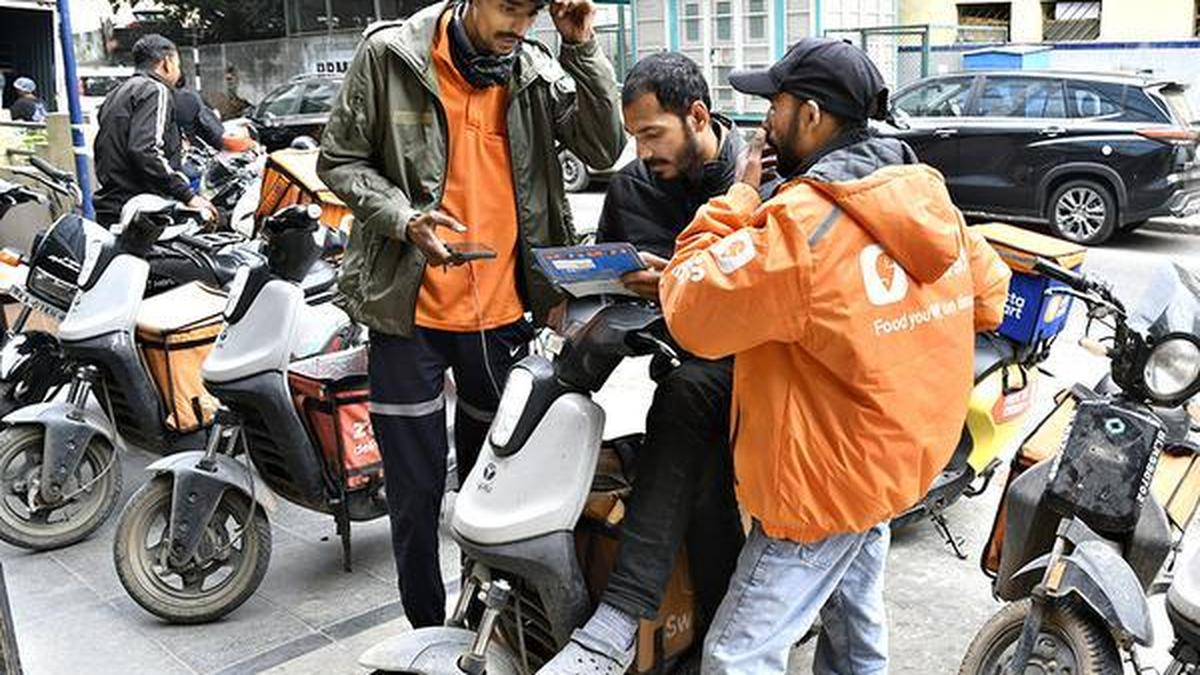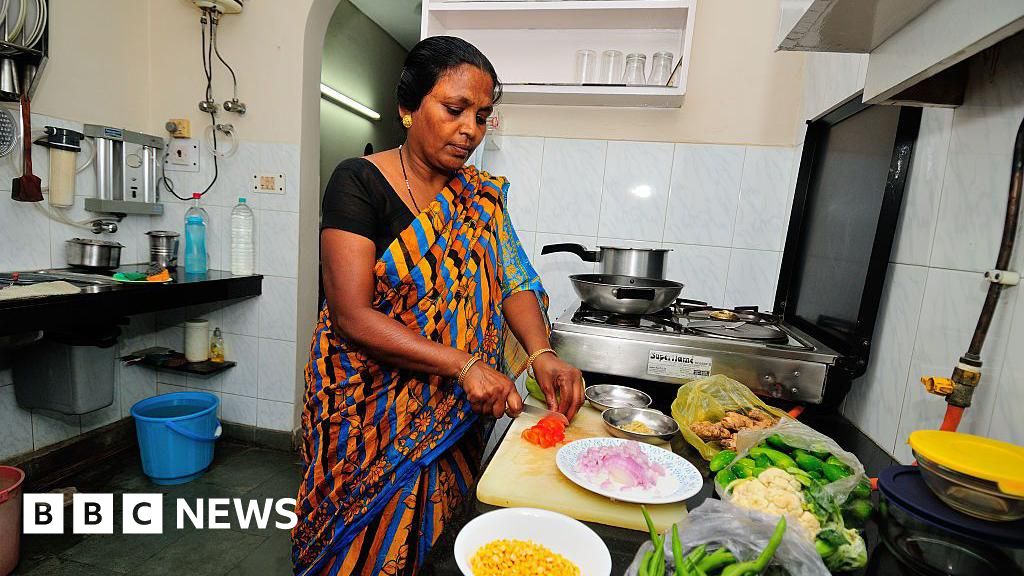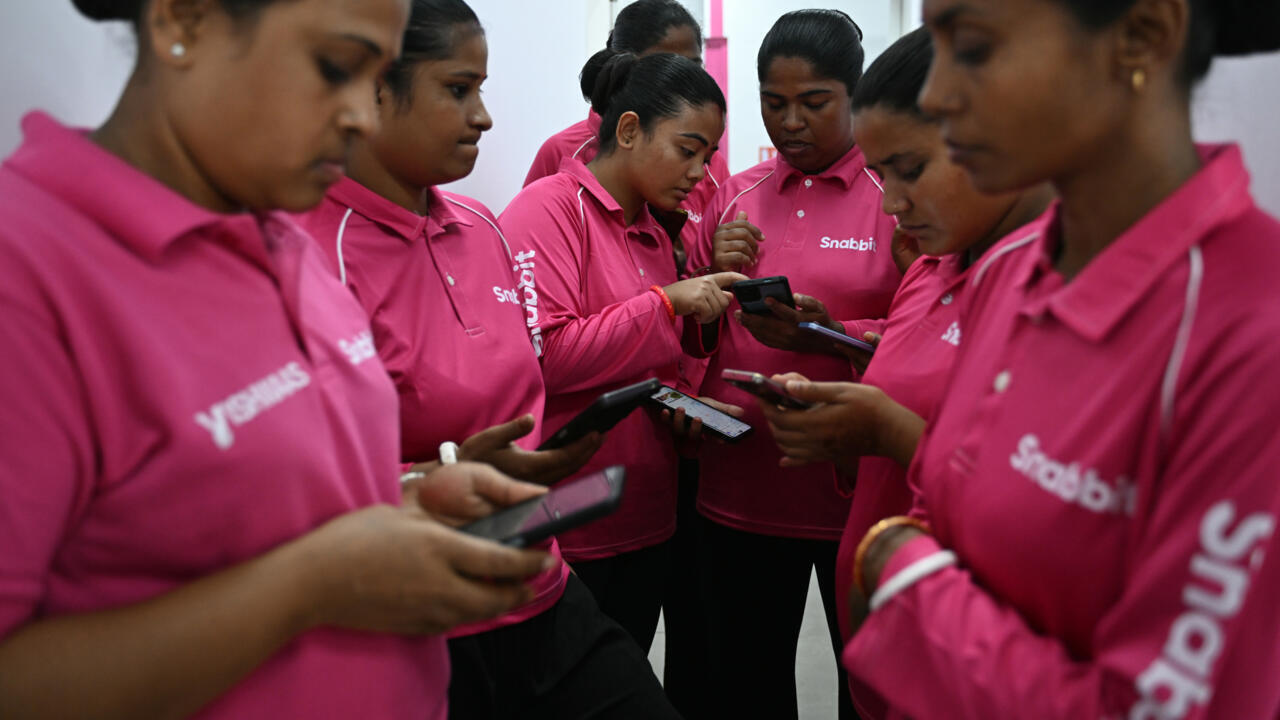
Households in India have long relied on an informal army of domestic workers to mop floors, wash dishes and cook meals.A growing crop of tech startups is now attempting to bring structure to the unregulated sector that employs some 30 million people, while allowing both workers and customers more flexibility.Platforms such as Snabbit, Pronto and Urban Company function much like ride-hailing apps -- workers receive bookings online, travel to assigned homes and clock in on their phones.Performance is tracked through ratings, with incentives and penalties generated by algorithms.At one of Snabbit's training hubs in the southern tech hub of Bengaluru, workers rehearse tasks such as chopping vegetables against the clock.For Heena Bibi, 34, "doing the same work with a company is good", making around 45,000 rupees ($472) a month -- three times what workers typically earn with up to four customers through traditional arrangements.
At one of Snabbit's training hubs in the southern tech hub of Bengaluru, workers rehearse tasks such as chopping vegetables © Idrees MOHAMMED / AFP
"I get three-four jobs on a normal day. If there's any festival... more work comes," said the mother of four.Domestic work in India has long been associated with low wages and concerns over abuse or exploitation.But with few barriers to entry, the sector still attracts many workers who migrate from rural areas to cities in search of opportunity, often juggling jobs across several households in a day.60,000 jobs a dayNot everyone is ready to join the app bandwagon just yet.For Renu Devi, a 38-year-old helper from Uttar Pradesh, the traditional system feels safer."I am scared that I might have to go to a house where I don't know if I will be safe," she said. "At the moment, I know the people who I work for and I can trust them."