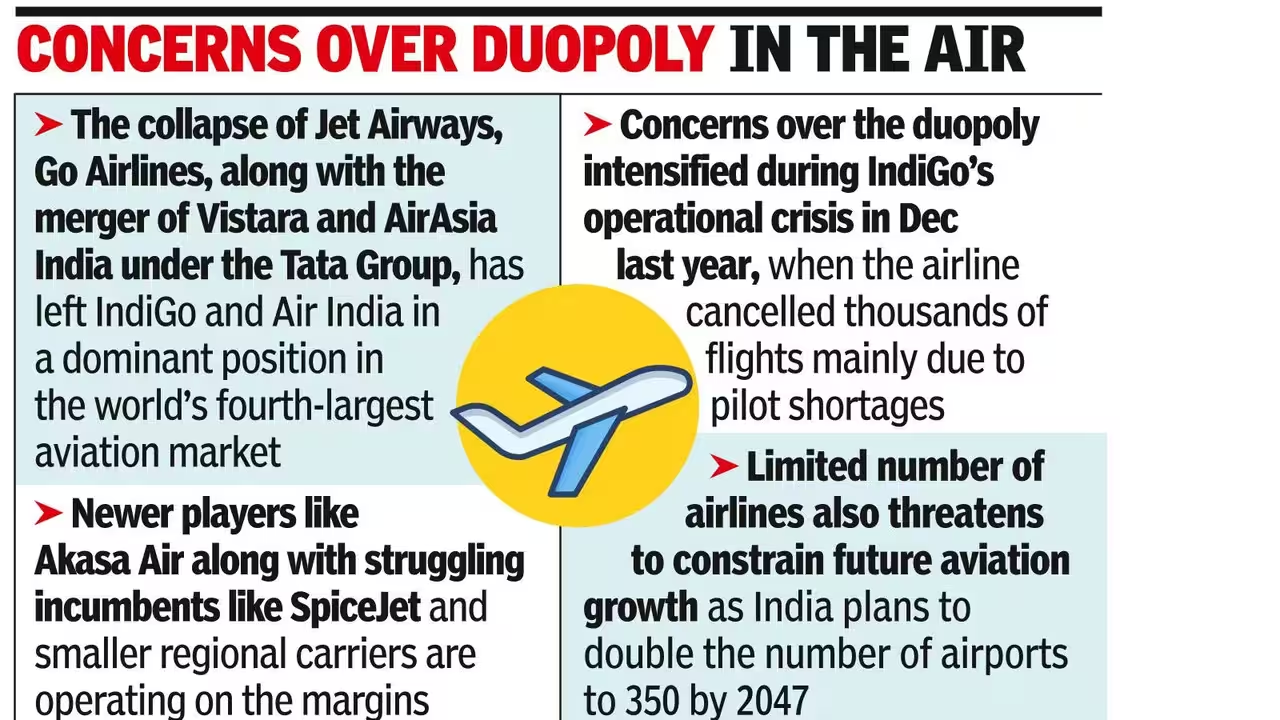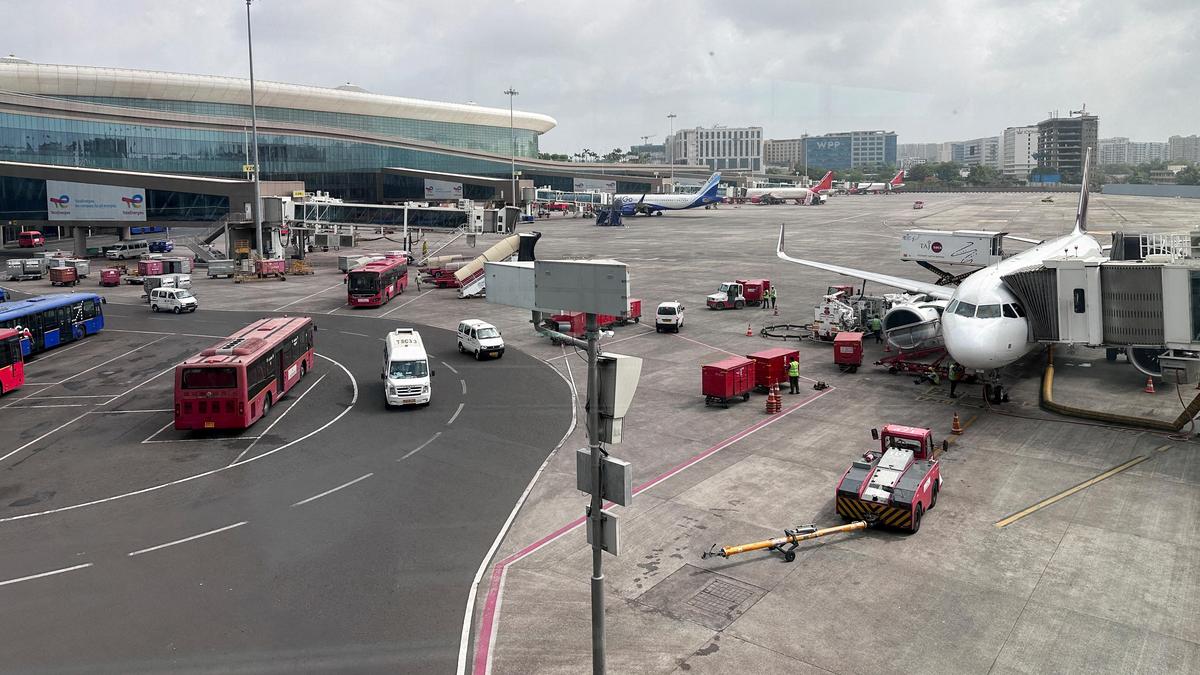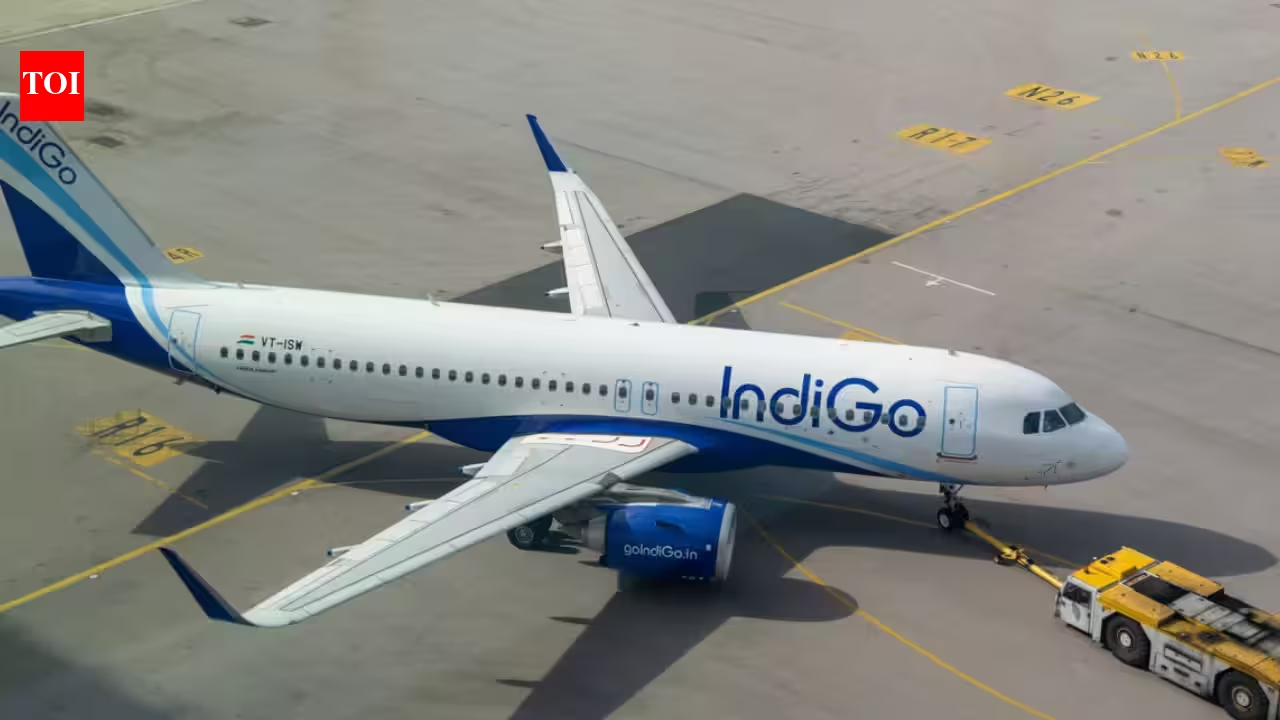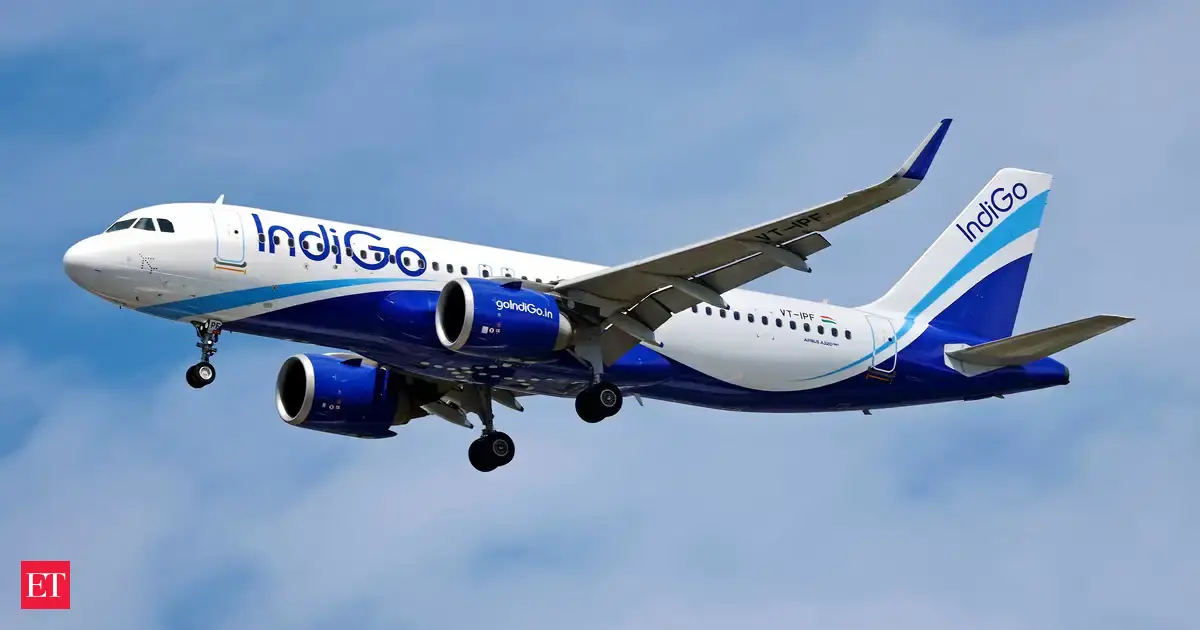
Skip to Content News Archives Economy Energy Oil & Gas Renewables Electric Vehicles Mining Commodities Agriculture Real Estate Mortgages Mortgage Rates Finance Banking Insurance Fintech Cryptocurrency Work Wealth Smart Money Wealth Management Investor Personal Finance Family Finance Retirement Taxes High Net Worth FP Comment Executive Women Puzzmo Newsletters Financial Times Business Essentials More Innovation Information Technology FP500 Podcasts Small Business Lives Told Tails Told Shopping Financial Post Store Obituaries Place a Notice Advertising Advertising With Us Advertising Solutions Postmedia Ad Manager Sponsorship Requests Classifieds Place a Classifieds ad Working Profile Settings My Subscriptions Saved Articles My Offers Newsletters Customer Service FAQ News Economy Energy Mining Real Estate Finance Work Wealth Investor FP Comment Executive Women Puzzmo Newsletters Financial Times Business Essentials HomePMN BusinessIndia Weighs Letting Airport Owners Run Airlines to Curb DuopolyIndia has initiated talks on a policy change that would allow airport operators to own and run airlines, according to people familiar with the matter, potentially clearing a path for the Adani Group and GMR Airports Ltd. to have their own carriers.Author of the article: You can save this article by registering for free here. Or sign-in if you have an account.A traveler at Adani Group's Navi Mumbai Airport in Navi Mumbai, India Photo by Indranil Aditya /Photographer: Indranil Aditya/Bl(Bloomberg) — India has initiated talks on a policy change that would allow airport operators to own and run airlines, according to people familiar with the matter, potentially clearing a path for the Adani Group and GMR Airports Ltd. to have their own carriers.Subscribe now to read the latest news in your city and across Canada.Exclusive articles from Barbara Shecter, Joe O'Connor, Gabriel Friedman, and others.Daily content from Financial Times, the world's leading global business publication.Unlimited online access to read articles from Financial Post, National Post and 15 news sites across Canada with one account.National Post ePaper, an electronic replica of the print edition to view on any device, share and comment on.Daily puzzles, including the New York Times Crossword.Subscribe now to read the latest news in your city and across Canada.Exclusive articles from Barbara Shecter, Joe O'Connor, Gabriel Friedman and others.Daily content from Financial Times, the world's leading global business publication.Unlimited online access to read articles from Financial Post, National Post and 15 news sites across Canada with one account.National Post ePaper, an electronic replica of the print edition to view on any device, share and comment on.Daily puzzles, including the New York Times Crossword.Create an account or sign in to continue with your reading experience.Access articles from across Canada with one account.Share your thoughts and join the conversation in the comments.Enjoy additional articles per month.Get email updates from your favourite authors.Create an account or sign in to continue with your reading experience.Access articles from across Canada with one accountShare your thoughts and join the conversation in the commentsEnjoy additional articles per monthGet email updates from your favourite authorsSign In or Create an AccountorCurrent rules bar the operators of airports in Delhi and Mumbai from owning more than 10% stake in any airline, said the people, who asked not to be identified because the discussions are private.The deliberations are underway within India’s Ministry of Civil Aviation, and any waiver is expected to require legal clearance from the law ministry as well as approval of the federal Cabinet led by Prime Minister Narendra Modi, the people said.Get the latest headlines, breaking news and columns.By signing up you consent to receive the above newsletter from Postmedia Network Inc.A welcome email is on its way. If you don't see it, please check your junk folder.The next issue of Top Stories will soon be in your inbox.We encountered an issue signing you up. Please try againA relaxation of ownership restrictions would allow the Adani Group — whose unit operates the Mumbai airport and seven others — and GMR Airports, which manages the New Delhi airport and four additional facilities in India, to own carriers. The aim of the policy is to broaden competition in the market at a time when IndiGo and Air India control nearly 90% of domestic capacity.While that could ease the near-duopoly the top two carriers hold over India’s skies, it also raises the prospect of fresh imbalances, including airport operators possibly allocating prime slots to their own carriers.The civil aviation ministry didn’t immediately respond to an emailed request for comment.While new entrants could theoretically ease that concentration, the global shortage of aircraft remains a major constraint. Delivery delays at Airbus SE and Boeing Co. have slowed expansion plans worldwide , with pandemic-era supply chain disruptions continuing to limit availability.Internationally, airport-airline joint ownership has achieved limited commercial success. In the US, strict public ownership of major airfields and Federal Aviation Administration revenue-diversion laws effectively prevent local governments from channeling airport income into airline ventures. In the European Union, joint ownership is technically allowed, but aggressive antitrust enforcement makes it functionally unviable.The Adani Group already has an outsized presence across India’s infrastructure and industrial landscape — from being the country’s largest private ports operator to becoming its second-largest cement producer. In energy, the group’s presence spans thermal generation, city-gas distribution and solar development. Its position as the one of the nation’s largest airport operators recently fueled concerns about its growing influence.Little CompetitionThe number of Indian airlines has narrowed sharply over the past decade. The collapse of Jet Airways India Ltd., Go Airlines India Ltd., along with the merger of Vistara and AirAsia India under the Tata Group, has left IndiGo and Air India in a dominant position in the world’s fourth-largest aviation market — with newer players like Akasa Air, struggling incumbents like SpiceJet Ltd. and smaller regional carriers operating on the margins.Concerns over the duopoly intensified during IndiGo’s operational crisis in December last year, when the airline — which carries more than 60% of domestic passenger traffic — canceled thousands of flights mainly due to pilot shortages. With few alternatives available, air travel was severely disrupted, prompting Indian Railways to run special trains to move stranded passengers.The limited number of airlines also threatens to constrain future growth. India plans to double the number of airports to 350 by 2047, and the International Air Transport Association forecasts an additional 425 million passengers by 2044, almost tripling from 2024 levels. Join the Conversation This website uses cookies to personalize your content (including ads), and allows us to analyze our traffic. Read more about cookies here. By continuing to use our site, you agree to our Terms of Use and Privacy Policy.
India Weighs Letting Airport Owners Run Airlines to Curb Duopoly
India has initiated talks on a policy change that would allow airport operators to own and run airlines, according to people familiar with the matter, potentially c…
1,079 words~5 min read