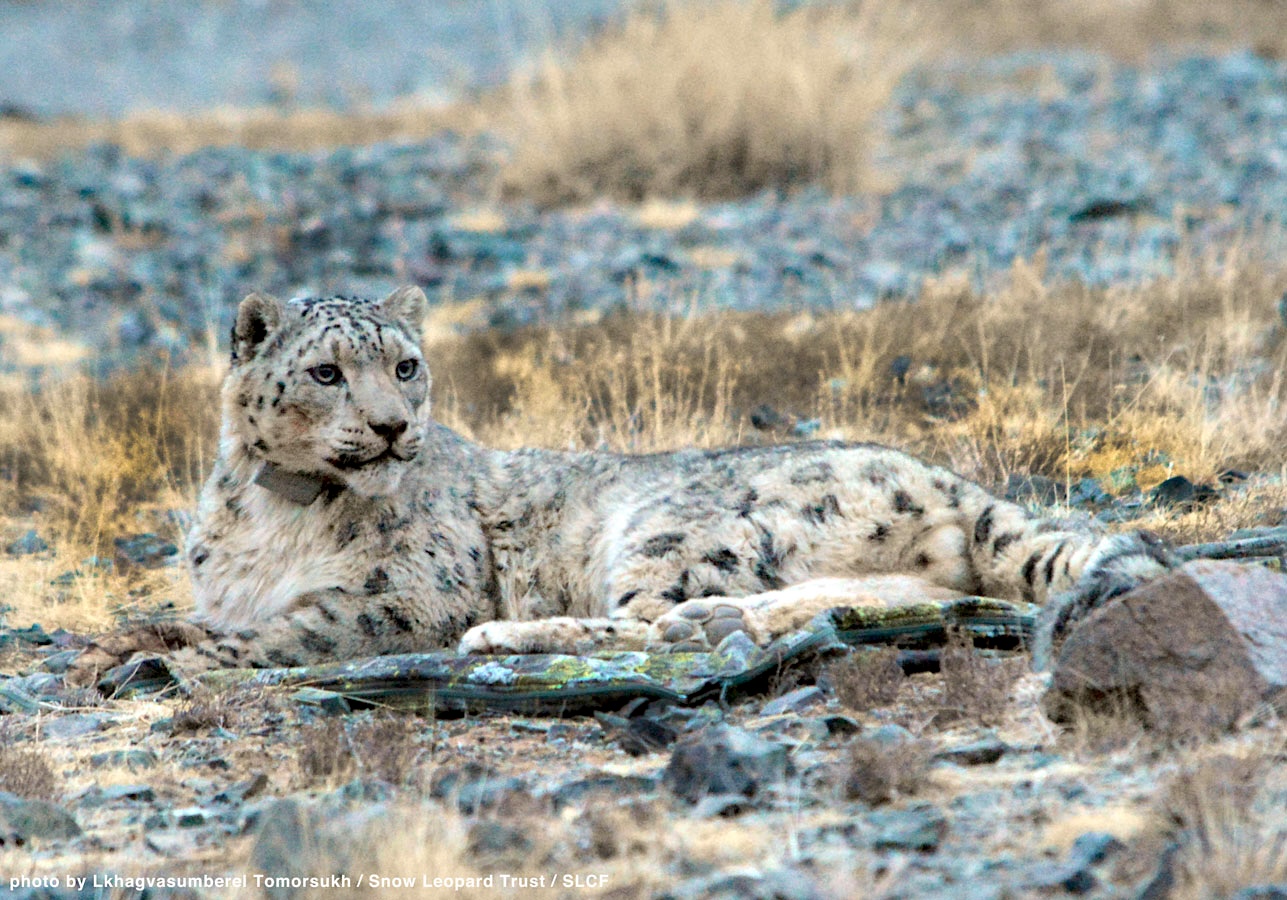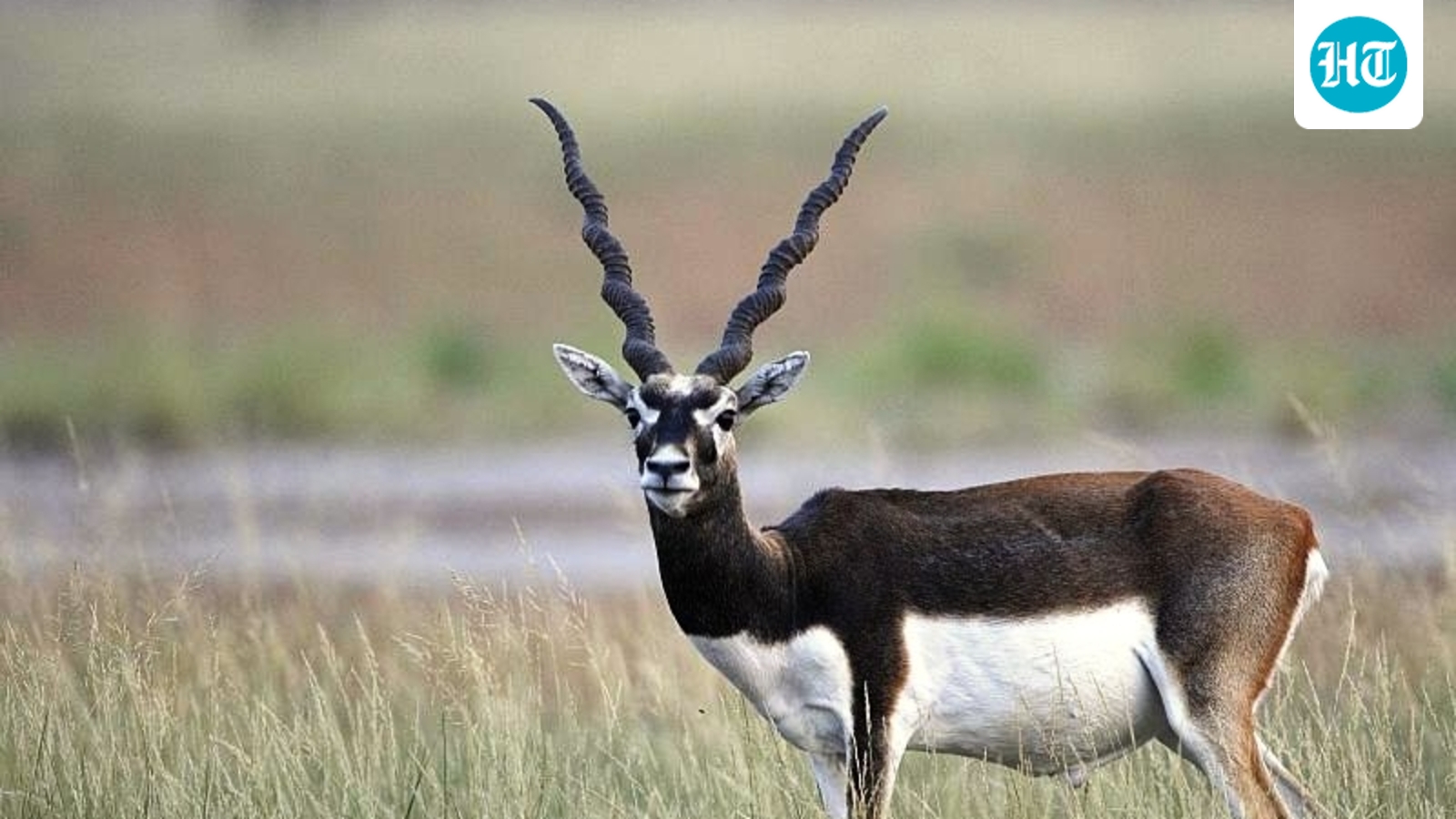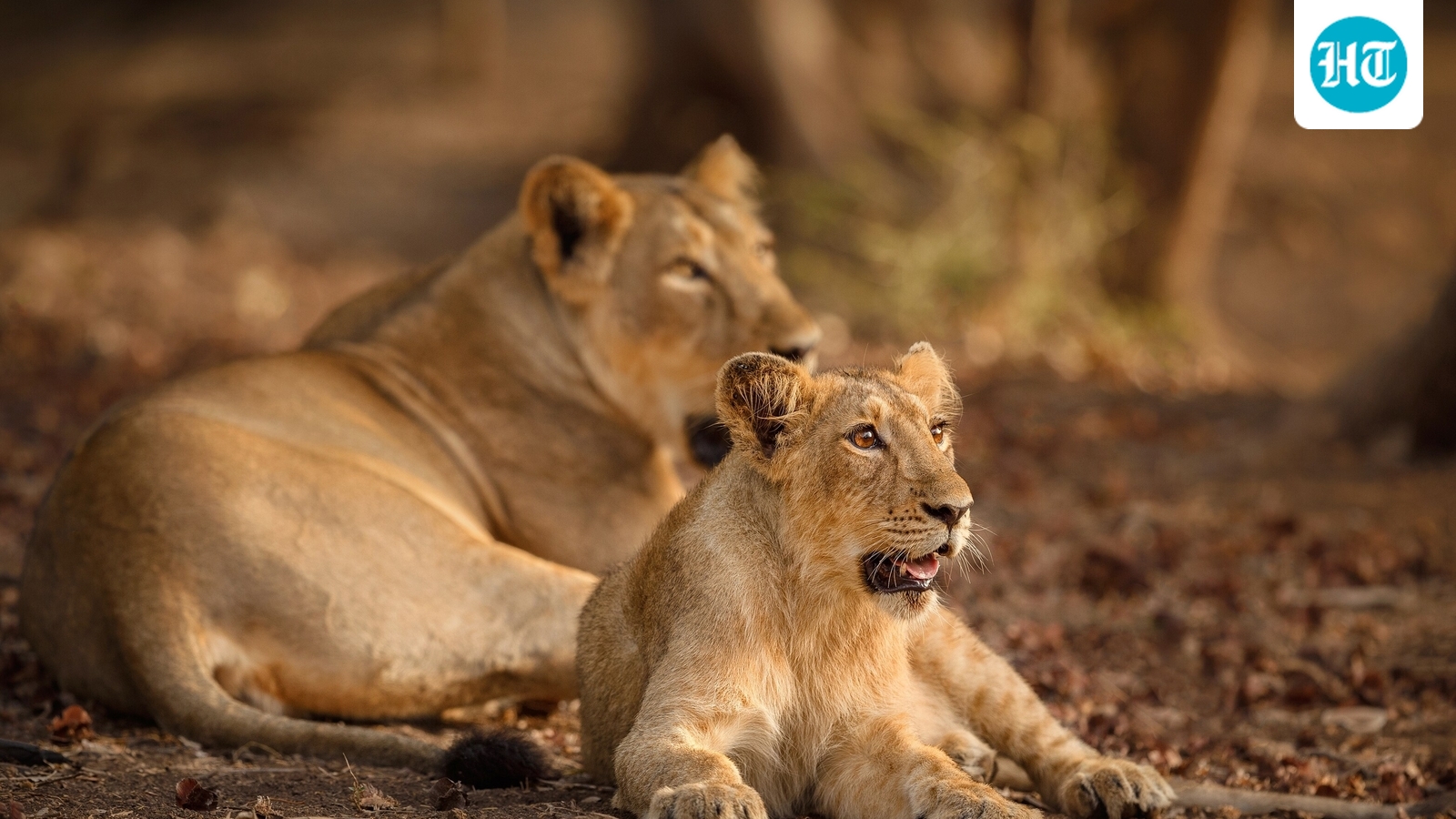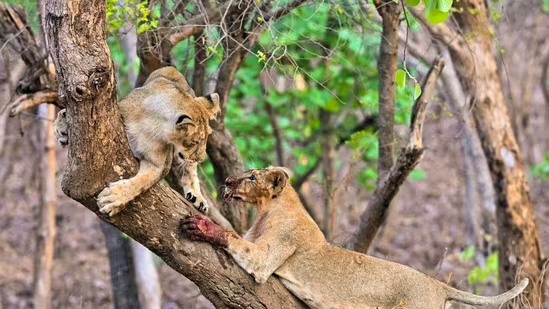
As India advances toward Viksit Bharat 2047, the choices it makes about its natural ecosystems will be as consequential as the infrastructure it builds or the industries it nurtures. Can a country of 1.4 billion people, urbanising rapidly and expanding its economy at pace, also be a country where tigers roam, lions persist, and wild spaces are protected alongside development? India’s record over the past three decades suggests the answer is yes. The task now is to turn a conservation achievement into a globally relevant model of coexistence. It is in that spirit that India launched the International Big Cat Alliance (IBCA), bringing together range-countries for a shared commitment to protect the world’s most iconic species.India's International Big Cat Alliance is aimed at bringing together range-countries for a shared commitment to protect the world’s most iconic species. (ANI)As wildlife populations grow and habitats improve, a new challenge is emerging: the geography of human and animal life is increasingly overlapping. Crop loss, livestock predation and, in some cases, direct threat to human life are placing real pressure on the people who live closest to India’s wild spaces. But these pressures are also, in many cases, a reflection of successful conservation outcomes: As habitats become better protected and populations grow, interactions between people and animals naturally increase.Compensation schemes, buffer zones, and wildlife corridors remain important components of India’s conservation framework. But as wildlife populations recover and economic development reaches deeper into natural landscapes, the question is no longer simply how to mitigate conflict, but how to create conditions where people and wildlife can coexist across shared landscapes over the long term.ALSO READ | India postpones first International Big Cat Alliance Summit in DelhiAcross the Global South, countries are navigating this tension between development and biodiversity. India has already demonstrated, through Project Tiger and decades of protected area management, that sustained political commitment can deliver meaningful conservation outcomes. More recently, efforts to secure the future of the Asiatic lion in Gujarat and the ambitious reintroduction of cheetahs under Project Cheetah have further reinforced India’s willingness to undertake complex, long-term conservation interventions. The focus now is to extend the same commitment into the more complex terrain of coexistence.The broad contours of what coexistence requires are becoming clearer. Infrastructure must incorporate ecological sensitivity at the design stage, not as an afterthought. India’s roads, railways, and transmission lines are reshaping landscapes faster than current environmental review processes can keep pace. Wildlife crossings, corridor-sensitive routing, and permeability assessments are not obstacles to delivery; they are conditions for ensuring that connectivity for people does not sever connectivity for wildlife. The ministry of road transport and highways has piloted underpasses and overpasses on select highways; the task now is to make this standard practice.Technology must move from pilot to programme. AI-enabled camera networks, satellite-linked movement monitoring and community SMS alert systems have been trialled across Assam, Karnataka, Tamil Nadu and Uttarakhand, among other states, with positive results. India’s capabilities in space, AI, and digital public infrastructure position it as a potential developer and exporter of conservation technology. A national coexistence technology mission could accelerate both deployment and indigenous innovation, generating solutions that other range countries can adapt.ALSO READ | Centre to soon launch Rhino conservation project: Bhupendra YadavFor communities living alongside wildlife, the credibility of conservation is tested at the moment of loss. A farmer whose livestock is taken by a leopard, or whose crop is flattened by elephants, needs a swift, fair and certain response. When compensation fails, tolerance fails alongside. Digitised systems with clear timelines and payouts indexed to local market values would do more to build conservation’s social licence than almost any other single intervention, repositioning communities as partners rather than reluctant hosts.Conservation must become financially sustainable. India’s protected area requires investment well beyond what public budgets can provide, but the economic case for nature is becoming increasingly clear. More than half of global GDP depends, directly or indirectly, on healthy ecosystems, and biodiversity risk is moving from the margins of corporate sustainability to the mainstream of business decision-making. India’s Business Responsibility and Sustainability Reporting framework, aligned with global standards on nature-related disclosures, reflects this shift. The opportunity is to channel that momentum into practical conservation outcomes. This shift is also being driven by a growing recognition that as populations expand, urbanisation accelerates and development footprints widen, ecological spaces and biodiversity become increasingly valuable public goods whose preservation is essential not only for environmental reasons but also for long-term economic and social resilience. Sustainable tourism, corporate partnerships, philanthropic capital and emerging biodiversity finance mechanisms can help mobilise resources at scale. The challenge is less about the availability of capital than creating credible institutions and investable models that ensure funding reaches the landscapes and communities that need it most.Ultimately, coexistence is a governance challenge. It requires institutions that respond quickly, infrastructure that plans for ecological realities, technology that helps anticipate conflict, and communities that see themselves as partners in conservation rather than its cost-bearers. Many developing countries are grappling with similar pressures. India’s experience will not translate everywhere, but the underlying questions are shared by most of the developing world. India has shown that species can recover with sustained commitment and political will. The next phase is about ensuring that people and wildlife can thrive alongside one another in a rapidly changing landscape. If India can demonstrate that economic transformation, ecological stewardship and community welfare can advance together, it will offer not only a conservation success story but a development model of growing relevance to the world.Harsh Vardhan Shringla, is Member of Parliament (Rajya Sabha) from BJP, former foreign secretary of India and former chief coordinator of India’s G20 Presidency. Suryaprabha Sadasivan is managing principal, Chase Advisors. The views expressed are personal
Man vs wild need not be our conservation model: Tech, financial stability in focus
The next phase is about ensuring that people & wildlife can thrive together in a rapidly changing landscape. India can offer such a model to the world.
955 words~4 min read