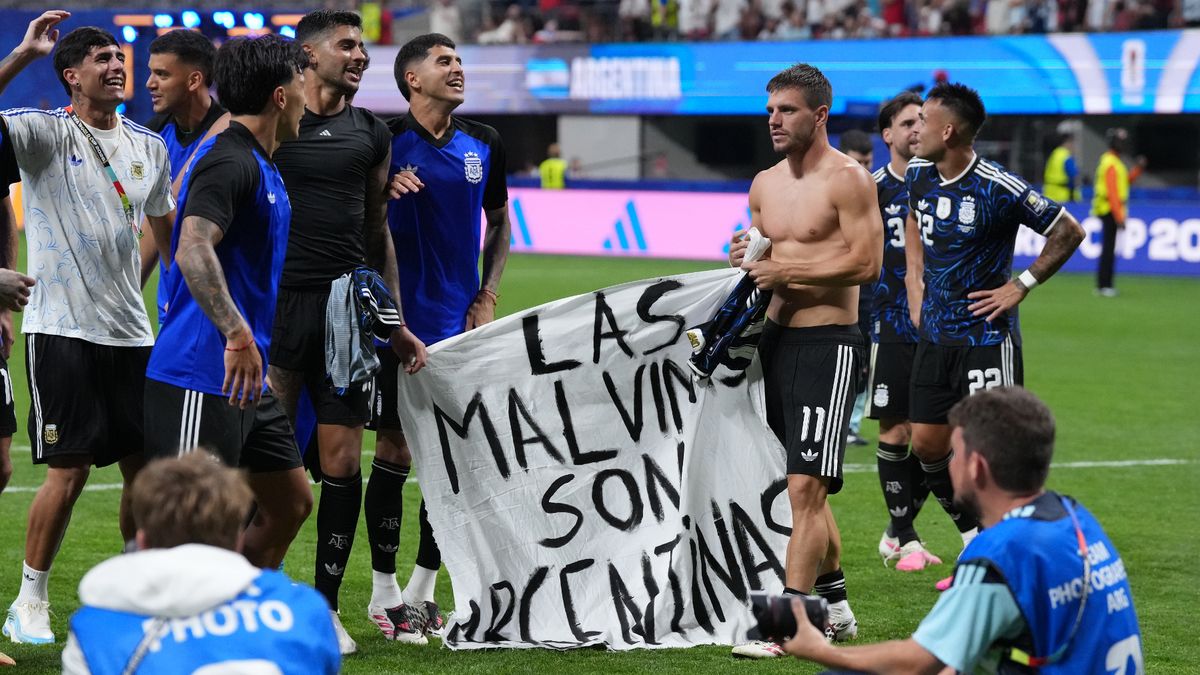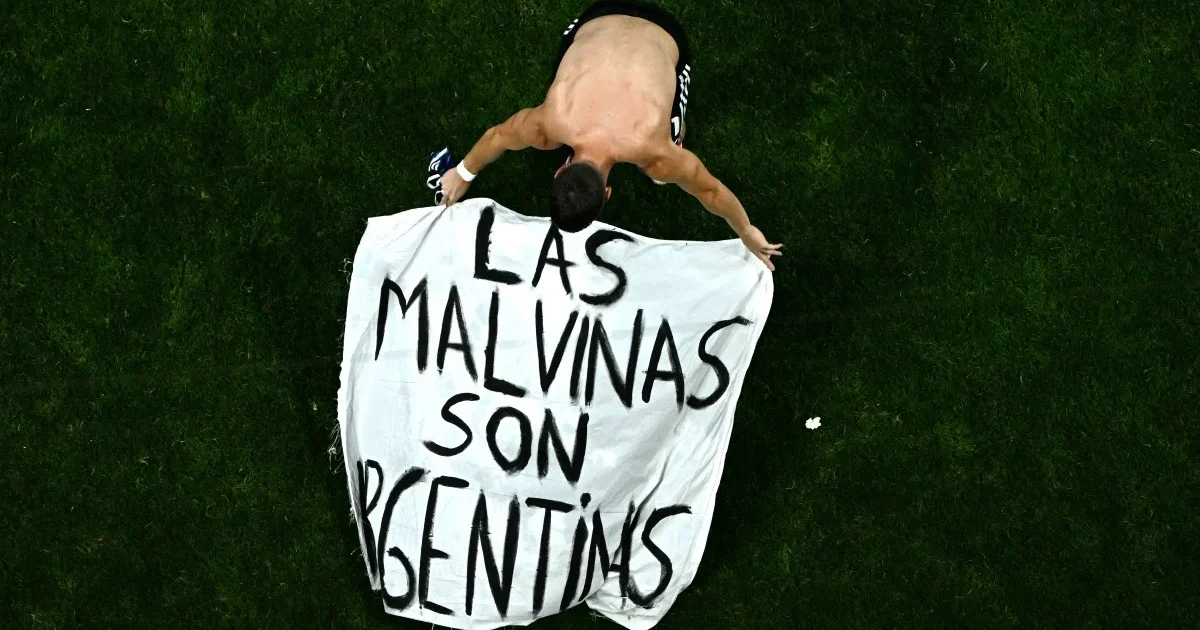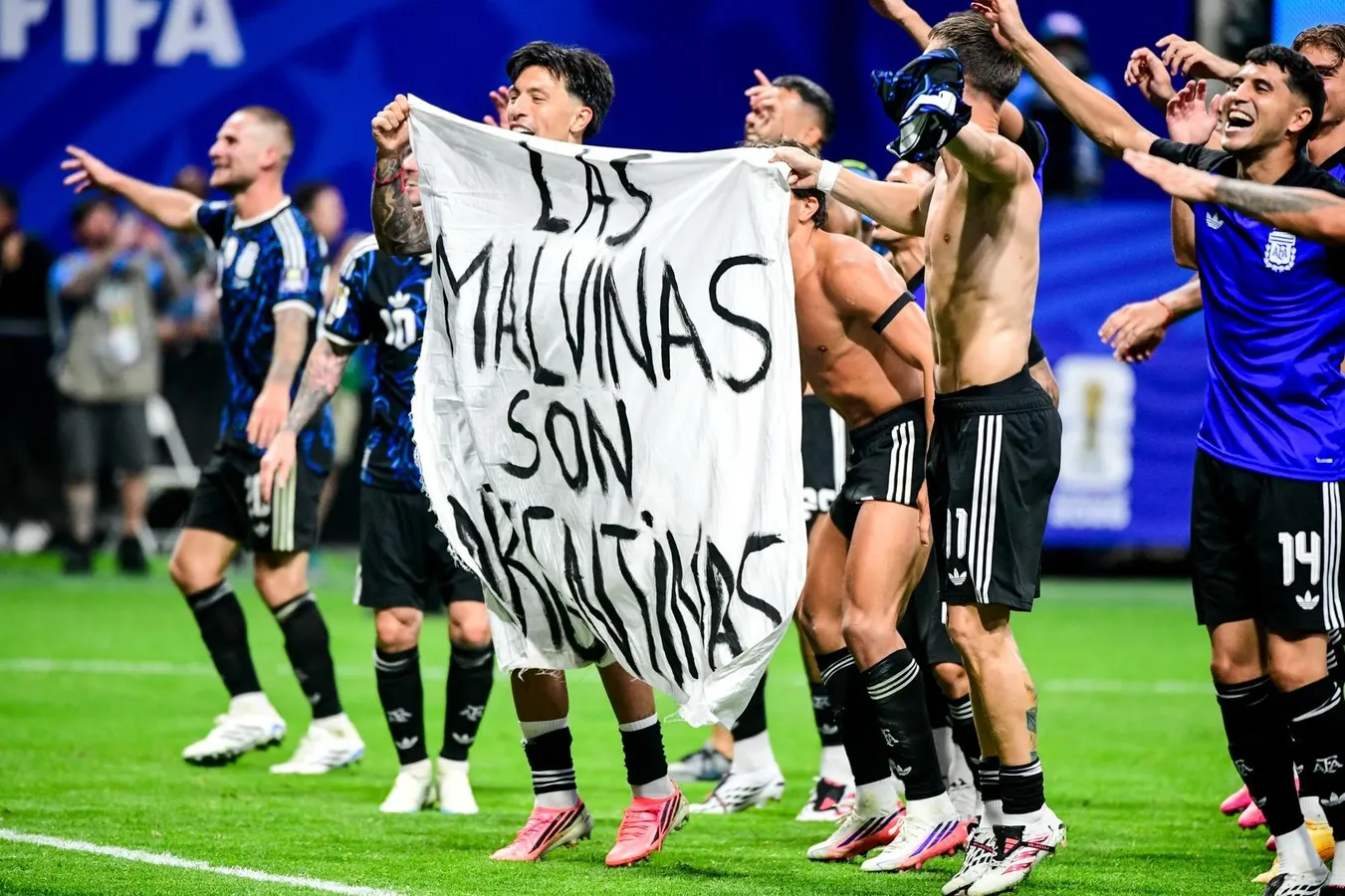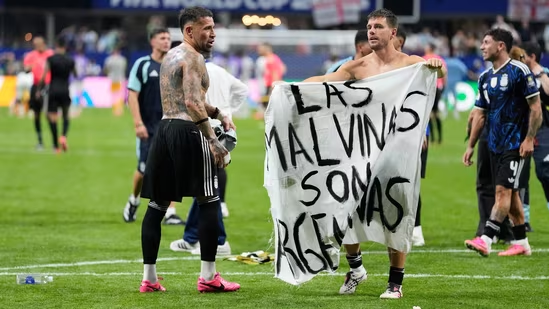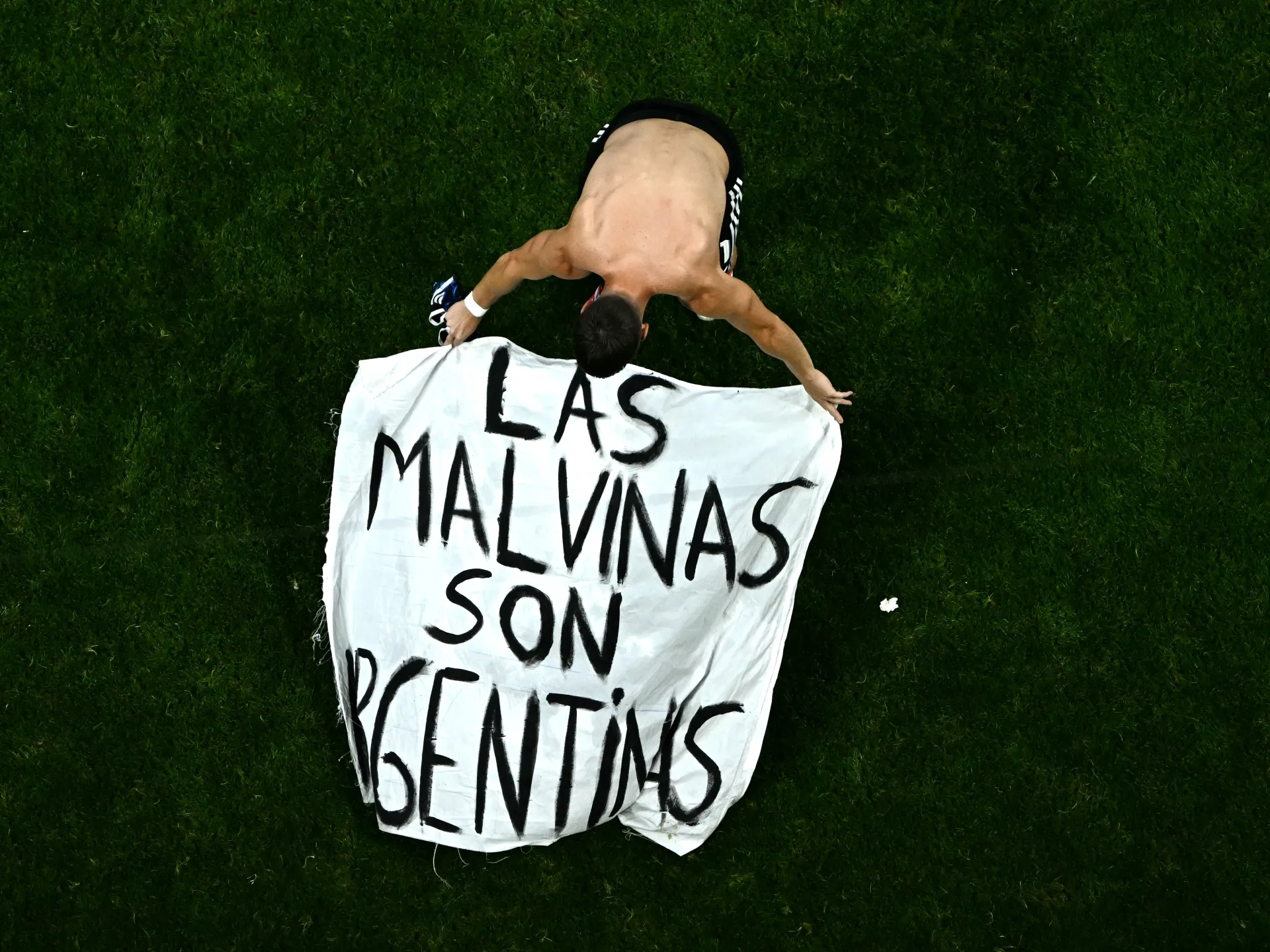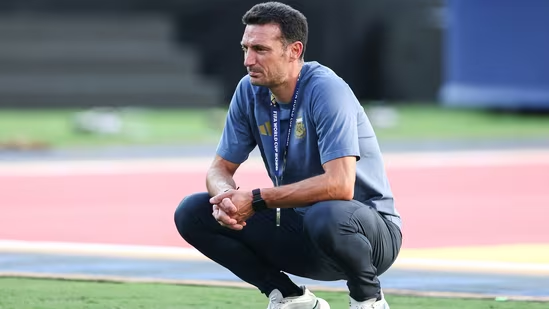
Argentina found themselves at the centre of two major controversies during the recently concluded FIFA World Cup 2026 in North America. The biggest erupted after their semifinal victory over England, when members of the squad celebrated the dramatic 2-1 comeback with a banner reading, "Las Malvinas son Argentinas" ("The Falklands are Argentine"). As FIFA opened a disciplinary investigation into the incident, head coach Lionel Scaloni finally addressed the controversy.Argentina's head coach Lionel Scaloni reacts after losing the 2026 World Cup football tournament final match between Spain and Argentina (AFP)Following Argentina's win at the Mercedes-Benz Stadium in Atlanta, television cameras captured several players posing with the banner, reportedly fashioned by a supporter from a hotel bedsheet. It was not the first instance of the Falklands issue surfacing during Argentina's World Cup campaign. Earlier, after their dramatic 3-2 Round of 16 victory over Egypt, players were filmed singing Muchachos, a popular supporters' anthem that references the Falkland Islands.The display was viewed as a potential breach of FIFA's strict regulations prohibiting political messaging during tournament events, prompting the governing body to launch an official disciplinary investigation.ALSO READ: How Luis de la Fuente transformed Spain into football's most complete team and masterminded a glorious World Cup triumph"As is standard procedure, FIFA's independent Disciplinary Committee is currently assessing the match reports and considering the relevant circumstances before deciding on potential further steps," FIFA said in a statement.Back in Argentina, Scaloni was asked about the investigation while speaking briefly to reporters from his car. The World Cup-winning coach admitted he had not been informed of any disciplinary proceedings."I don't know. I'm not aware of anything. I don't know if something will happen in the future. Nobody has told us anything. We'll find out if there's anything to know."Pressed further, Scaloni reiterated that he had no additional information."I don't know. You're asking me about things I don't know. I saw it the same way you did. I have no idea."For the unversed, Britain and Argentina fought a 10-week war over the Falkland Islands in 1982. Britain had administered the islands since 1833, but Argentina, which claims sovereignty over the territory, invaded the archipelago in April 1982, triggering a military conflict that ended with British forces regaining control. The war claimed the lives of 649 Argentine military personnel, 255 British servicemen and three civilians.The Argentine players' actions drew criticism from the Falkland Islands Government, which expressed its disappointment in a strongly worded statement."That said, it is hardly news to anyone that the people of the Islands were victims of an aggressive invasion in 1982 which left many traumatised. The banner displayed by Argentina last night, therefore, was particularly insensitive for many people in the Falklands."It is the avowed policy of the Falkland Islands Government that we do not wish to see politics being brought into sport. Nor do we wish the Islands and their people to be used as a political football in every conversation about England and Argentina."We welcome the UK Government's supportive statement this morning. As Business Secretary Peter Kyle highlighted, the World Cup has as one of its central tenets that politics is separate from football. We hope FIFA will make good on their promise to keep politics out of sport and sanction all behaviour of this nature in line with its own rules."
Lionel Scaloni addresses Argentina's Falklands banner row as FIFA steps in with official investigation
As FIFA opened a disciplinary investigation into the incident, Argentina head coach Lionel Scaloni finally addressed the controversy. | Football News
549 words~2 min read