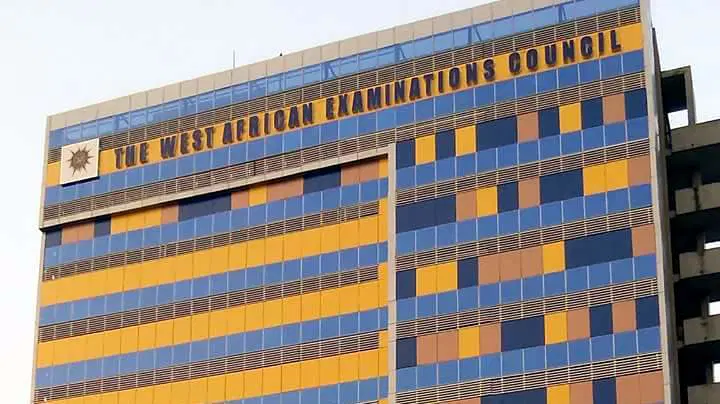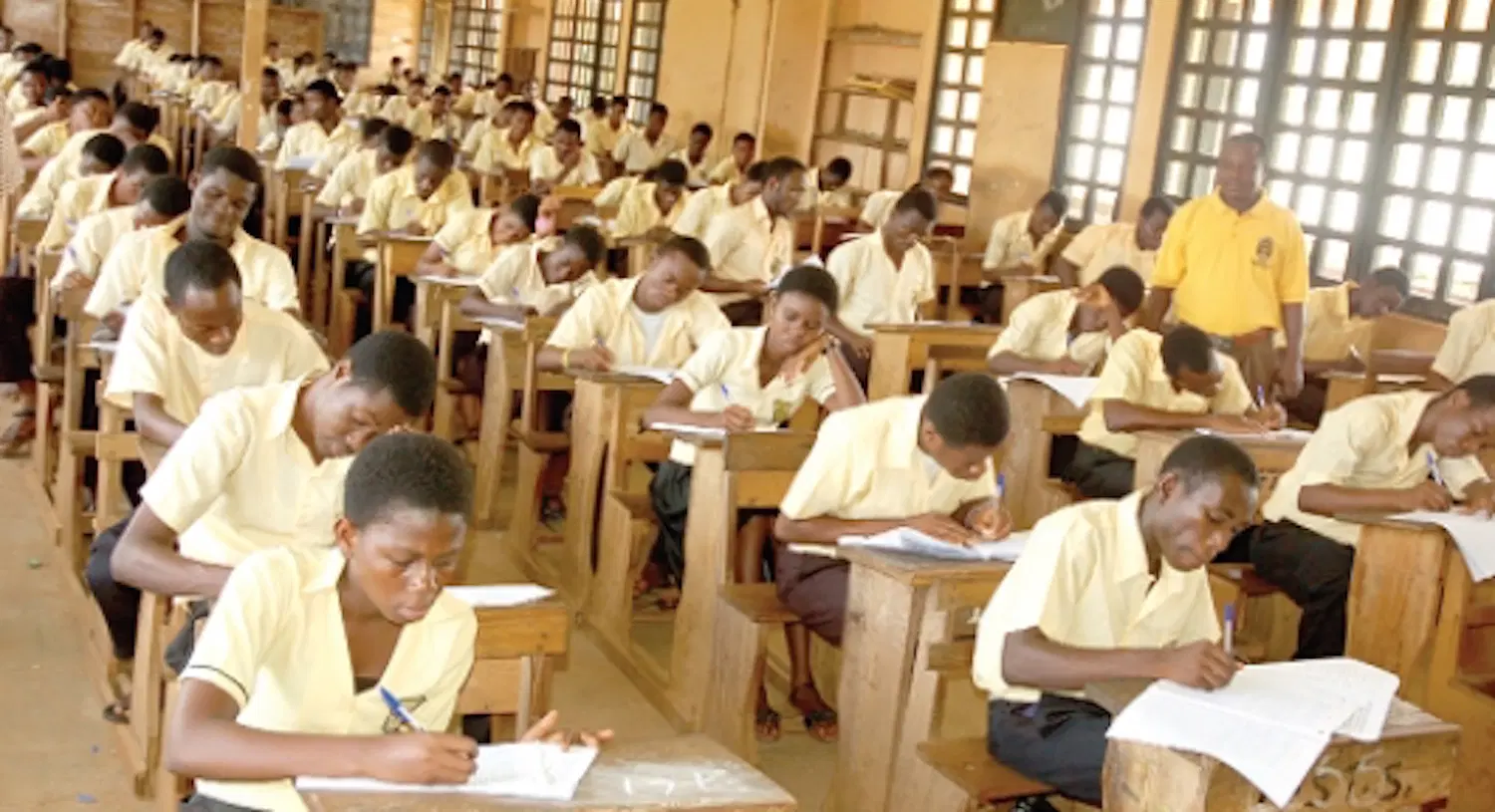
The Federal Government did well to suspend its proposed increase in the registration fees for the West African Examinations Council (WAEC) and the National Examinations Council (NECO) examinations. It is a decision that reflects not only sensitivity to public opinion but also a recognition of the harsh economic realities confronting Nigerian families. We are calling for an indefinite suspension of the proposal, and the reasons for this are obvious.
This is hardly the time to impose additional financial burdens on citizens. Across the country, households are battling soaring food prices, rising transport fares, higher electricity tariffs, and escalating healthcare costs. Removal of the fuel subsidy and other economic reforms, however well-intentioned, have significantly eroded purchasing power, leaving many families struggling to provide even the basic necessities of life. In such circumstances, increasing the cost of public examinations would have been both unfair and insensitive.
Education is not a luxury to be enjoyed only by those who can afford it. It is a fundamental public good and the surest pathway to national development. Every child who completes secondary education and obtains the necessary qualifications becomes a potential contributor to economic growth, social stability, and national development. Public policy should therefore remove barriers to education rather than create new ones. For thousands of families, particularly those in rural communities and low-income urban settlements, the suspended fee increase represented far more than another routine price rise. It threatened to deny many deserving students the opportunity to sit examinations they had spent years preparing for. It would have been a cruel irony for a child to complete secondary school only to be prevented from obtaining certification because of the exorbitant cost of exams.