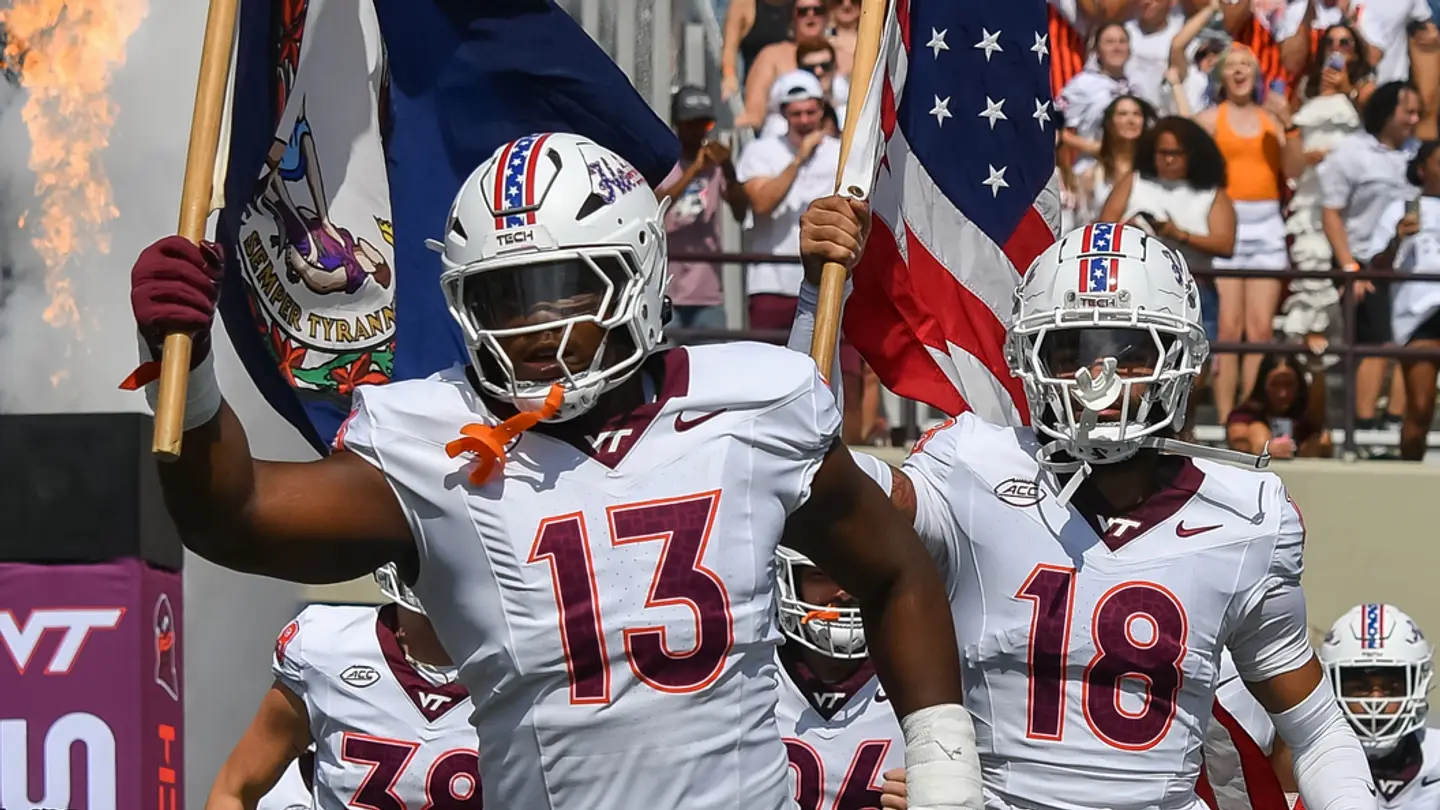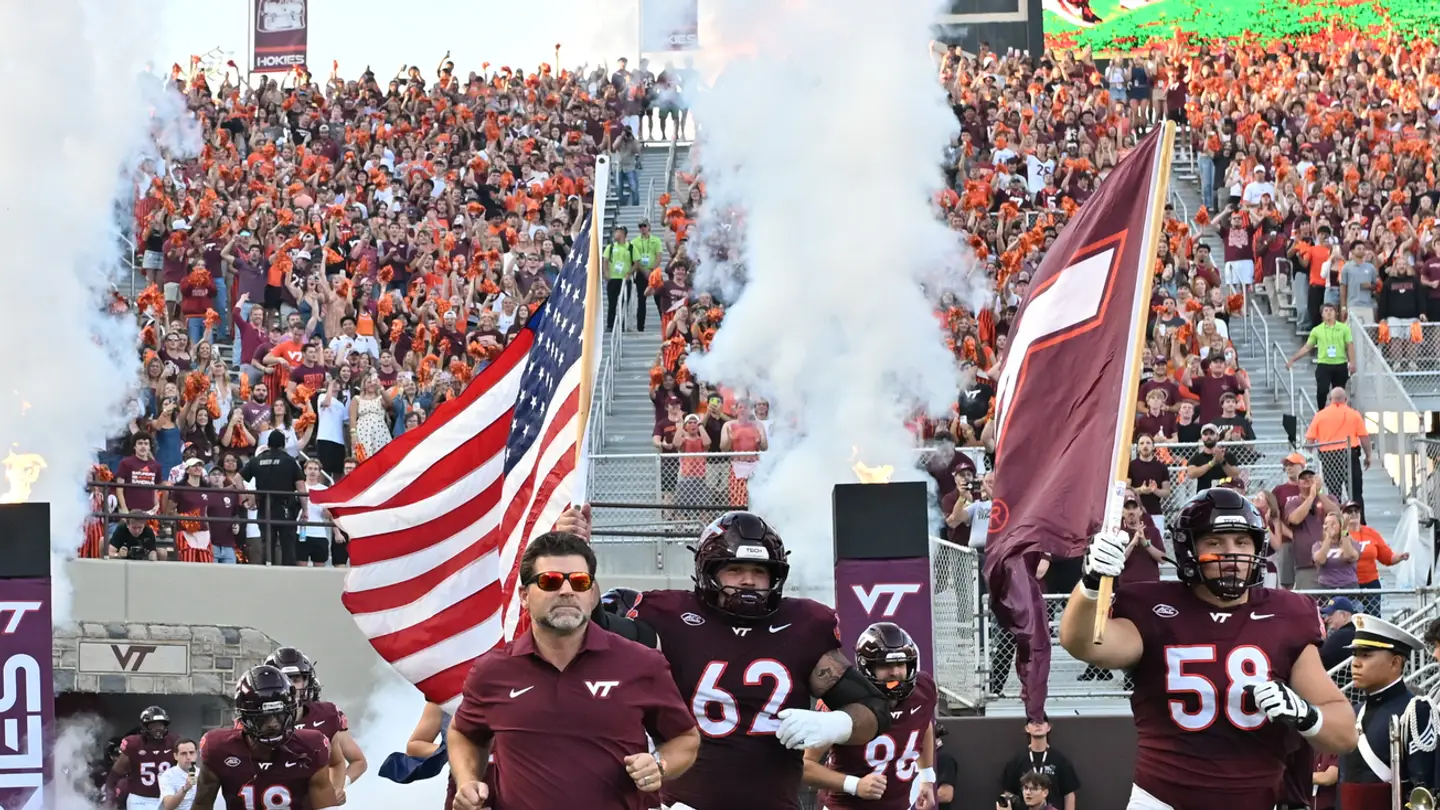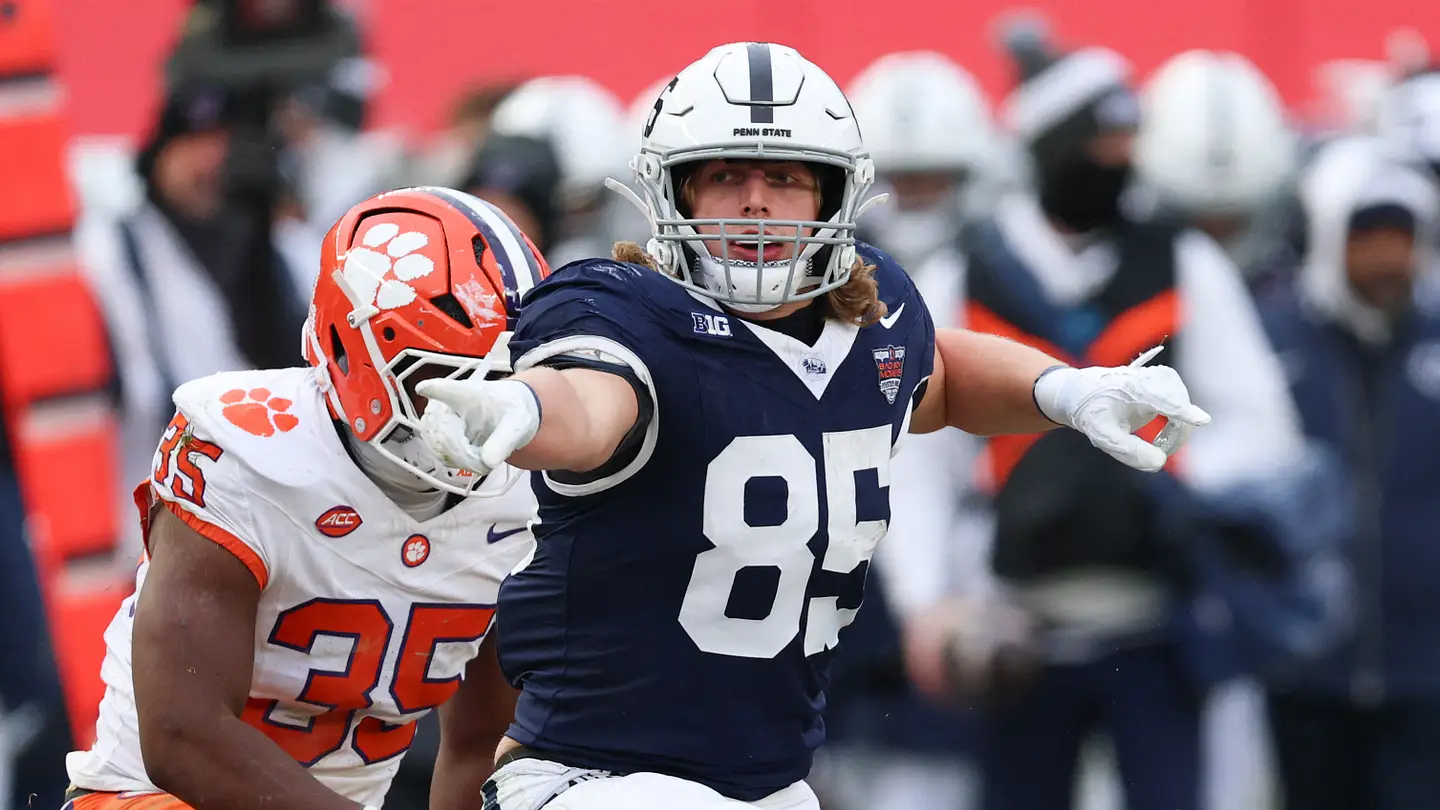
Virginia Tech's tight end room quietly has a chance to become one of the biggest strengths on the roster in 2026. A year ago, the Hokies' passing attack struggled mightily, and the offense sputtered to a 3-9 finish. Now, James Franklin and offensive coordinator Ty Howle arrive with an offensive philosophy that has historically featured the tight end far more prominently than Virginia Tech fans have become accustomed to seeing. The talent is certainly there. Penn State transfer Luke Reynolds headlines the room after totaling 35 receptions for 368 yards across his first two collegiate seasons, while veteran Benji Gosnell returns after recording 12 catches for 86 yards last season. Harrison Saint Germain and Ja'Ricous Hairston also return, giving Virginia Tech one of its deepest groups at the position. Hairston led the room in receiving yards (112) and receiving touchdowns (three) last season.As fall camp approaches, three questions will determine just how dangerous this unit can become.No. 1: Can Luke Reynolds become the featured weapon?Reynolds was one of the highest-profile additions of Virginia Tech's offseason, and for good reason.A former five-star recruit, Reynolds flashed his potential at Penn State despite sharing snaps in one of the nation's deepest tight end rooms. His 35 career receptions for 368 yards don't necessarily jump off the stat sheet, but he played in an offense with NFL-caliber talent and rarely served as the primary option. Now he'll reunite with James Franklin and join a Virginia Tech offense that should emphasize two-tight-end formations much more frequently than the Hokies have previously done.His athletic profile gives Virginia Tech something it simply hasn't had at the position in years. Reynolds is capable of lining up in-line, flexed into the slot or even in the backfield, creating matchup problems against linebackers and safeties. If quarterback Ethan Grunkemeyer re-establishes chemistry with him early, Reynolds has all the tools to become one of the ACC's better receiving tight ends.No. 2: How much will the scheme elevate the position?Perhaps the biggest storyline isn't about an individual player at all.Virginia Tech's tight ends were largely an afterthought over the past several seasons. Under the previous staff, the Hokies consistently relied on wide receivers, with tight ends seeing relatively limited involvement in the passing game.During his tenure at Penn State, tight end usage steadily increased, with the Nittany Lions regularly deploying multiple-tight-end sets and producing some of college football's most productive players at the position. Virginia Tech's own snap distribution in recent years lagged well behind Penn State's, making this one of the most significant schematic changes on the roster entering 2026. The Hokies' tight ends combined for 205 receiving yards during the spring game, with Reynolds leading the group. While spring games should always be viewed cautiously, it was another indication that this offense intends to make the position a focal point rather than an accessory. No. 3: Can the depth become a legitimate advantage?Most ACC programs have one dependable tight end. Virginia Tech may have as many as three in Reynolds, Gosnell and Hairston.That depth could allow Howle to keep defenses guessing. Two-tight-end formations create flexibility to run the football, attack play-action or spread defenses without substituting personnel. Just as importantly, it gives Virginia Tech insurance against injuries over a long season.If Reynolds lives up to expectations and Gosnell settles comfortably into a complementary role, the Hokies could field one of the ACC's deepest and most versatile tight end rooms.Add us as a preferred source on GoogleFollow
Three Questions For Virginia Tech's Tight Ends Room Ahead of Fall Camp
What big questions hang over Virginia Tech's tight end room?
576 words~3 min read