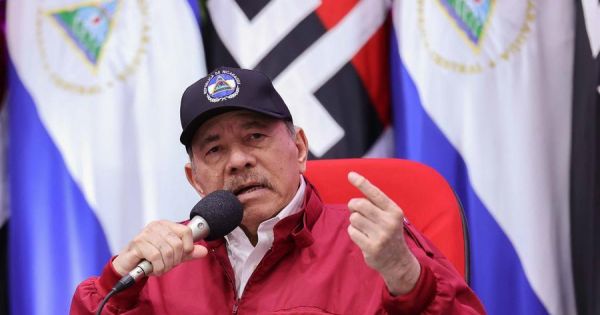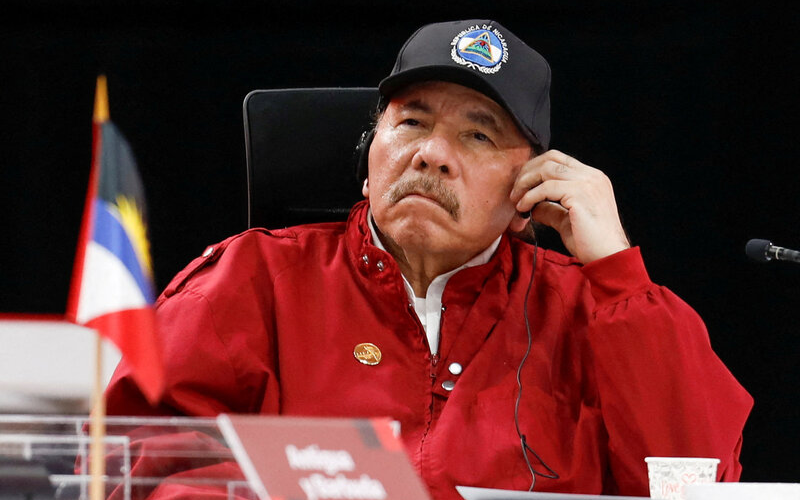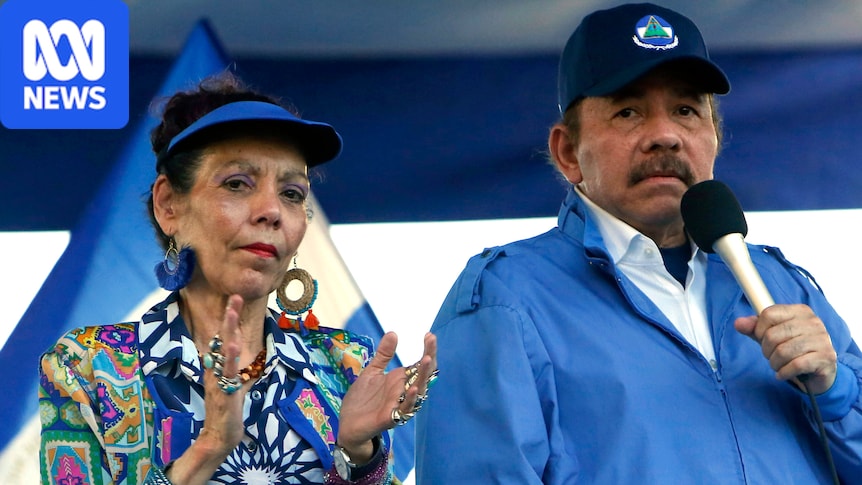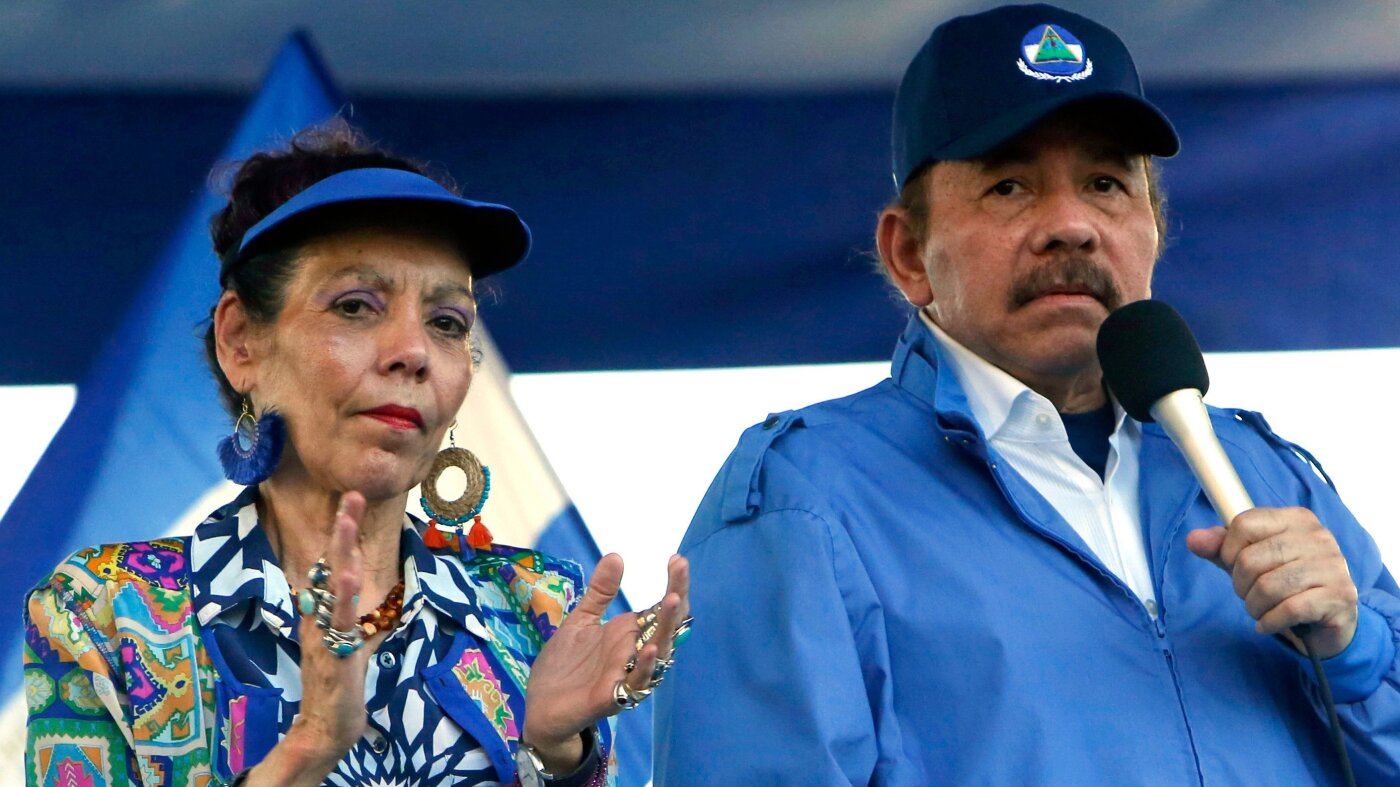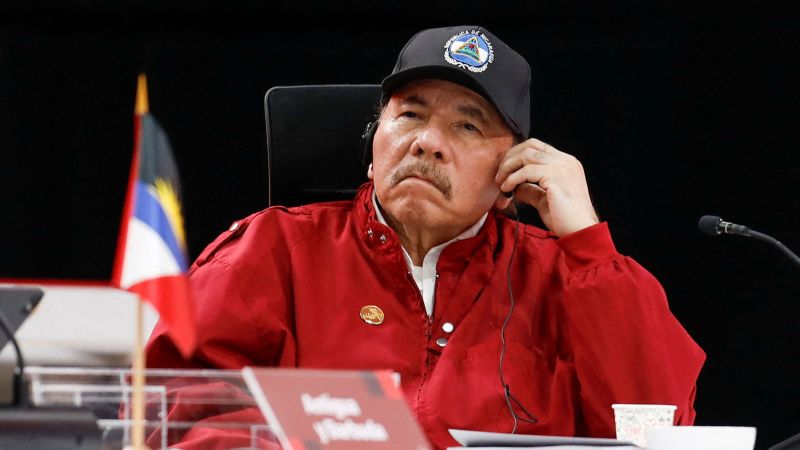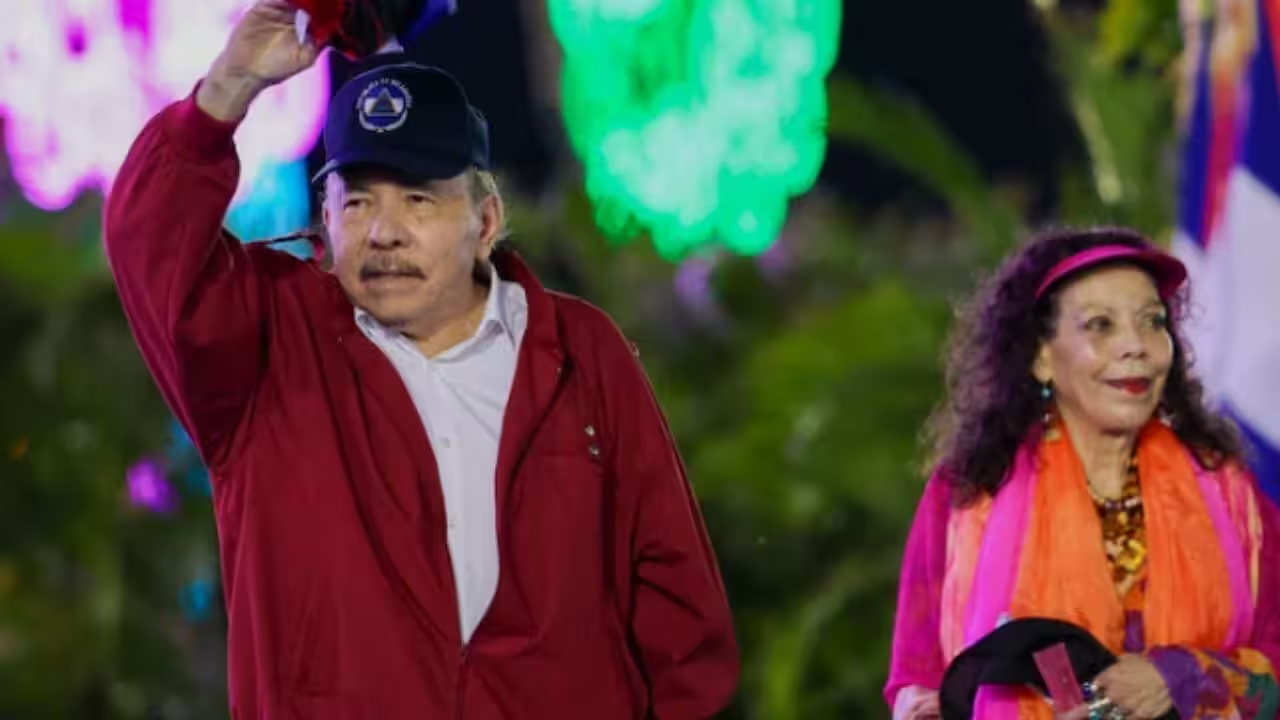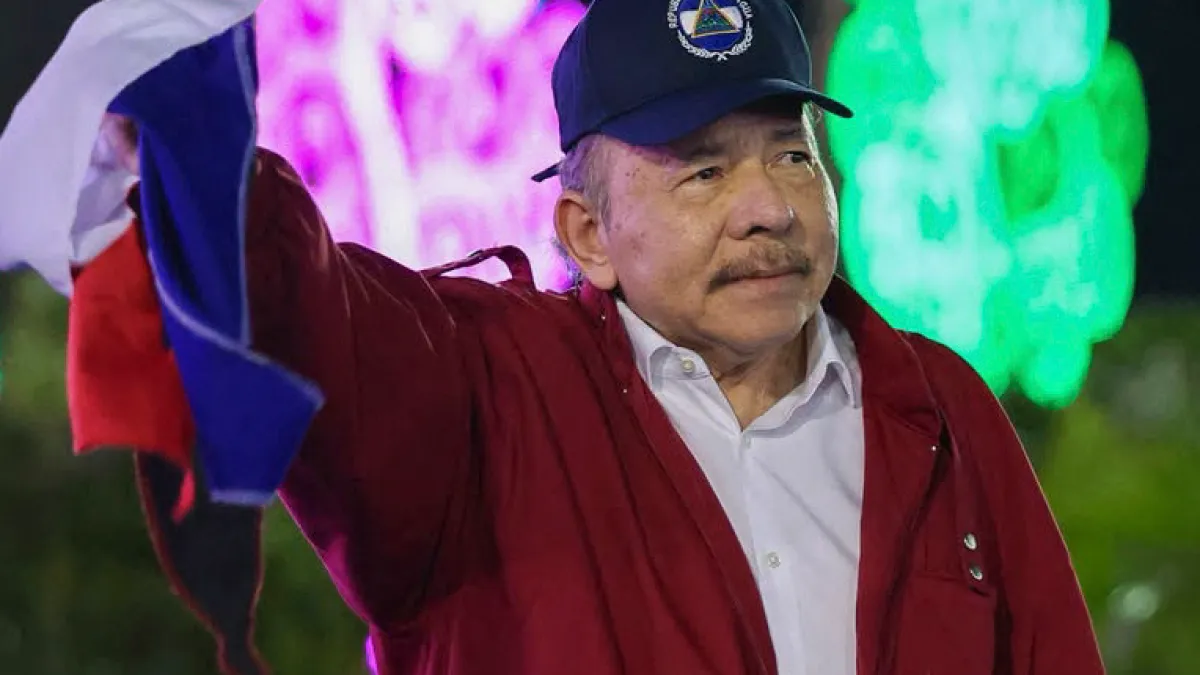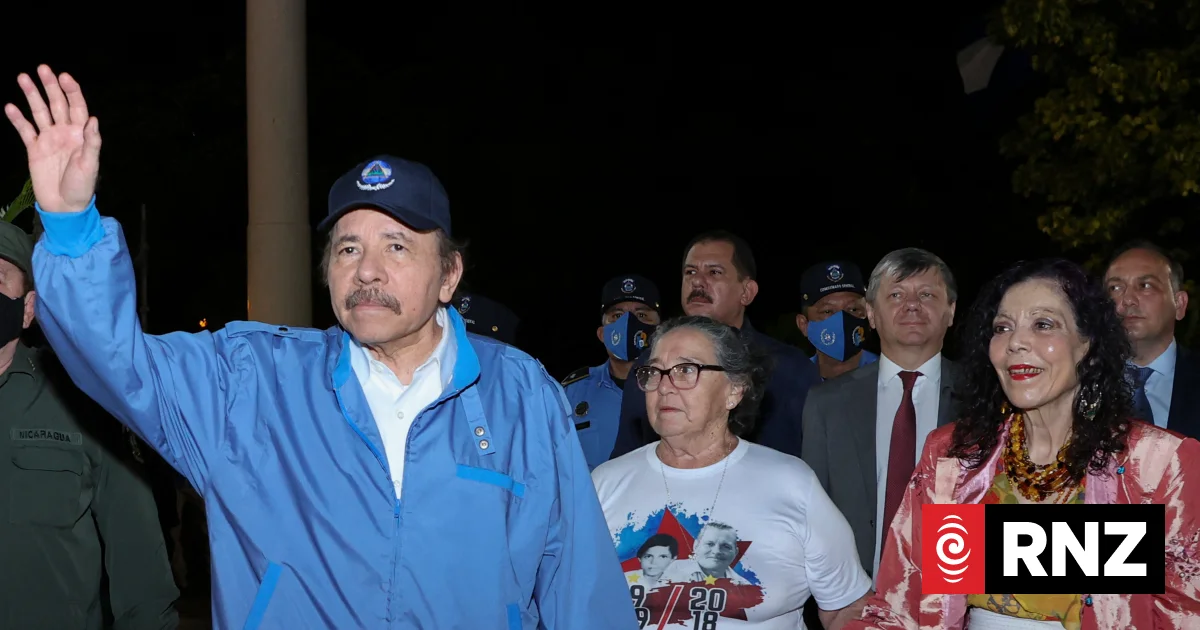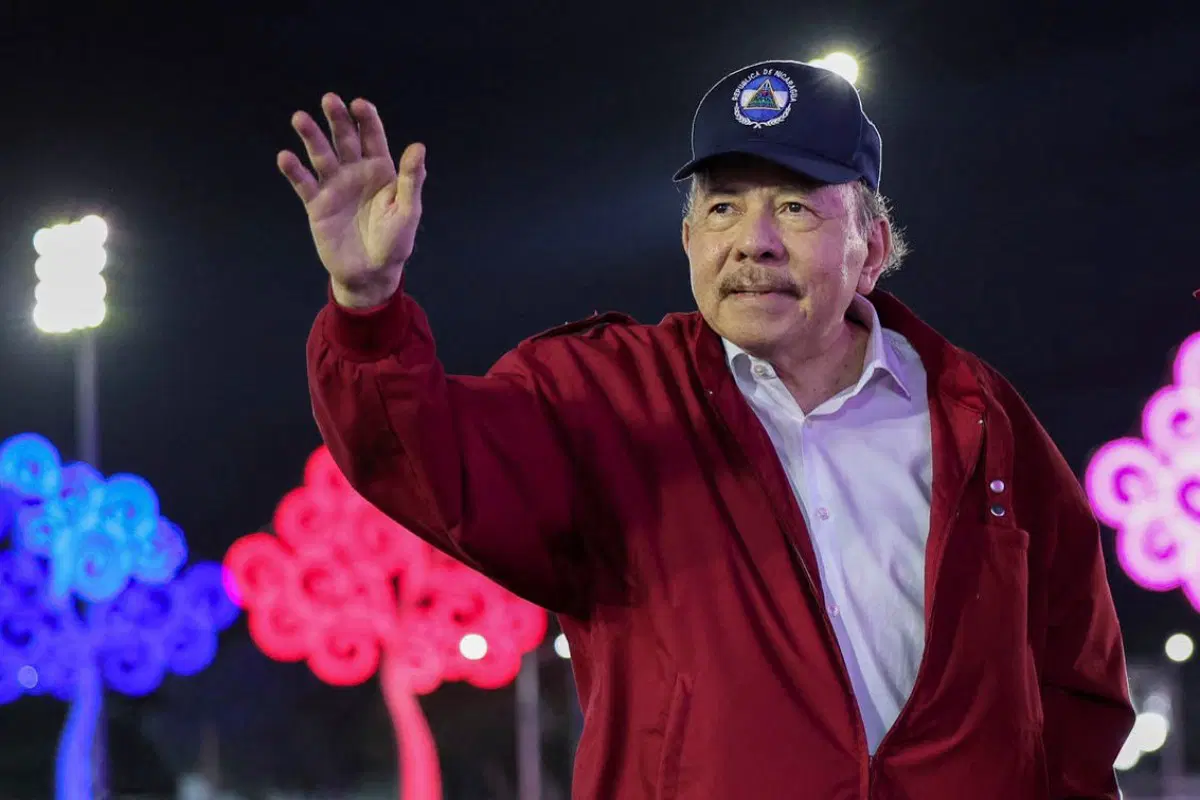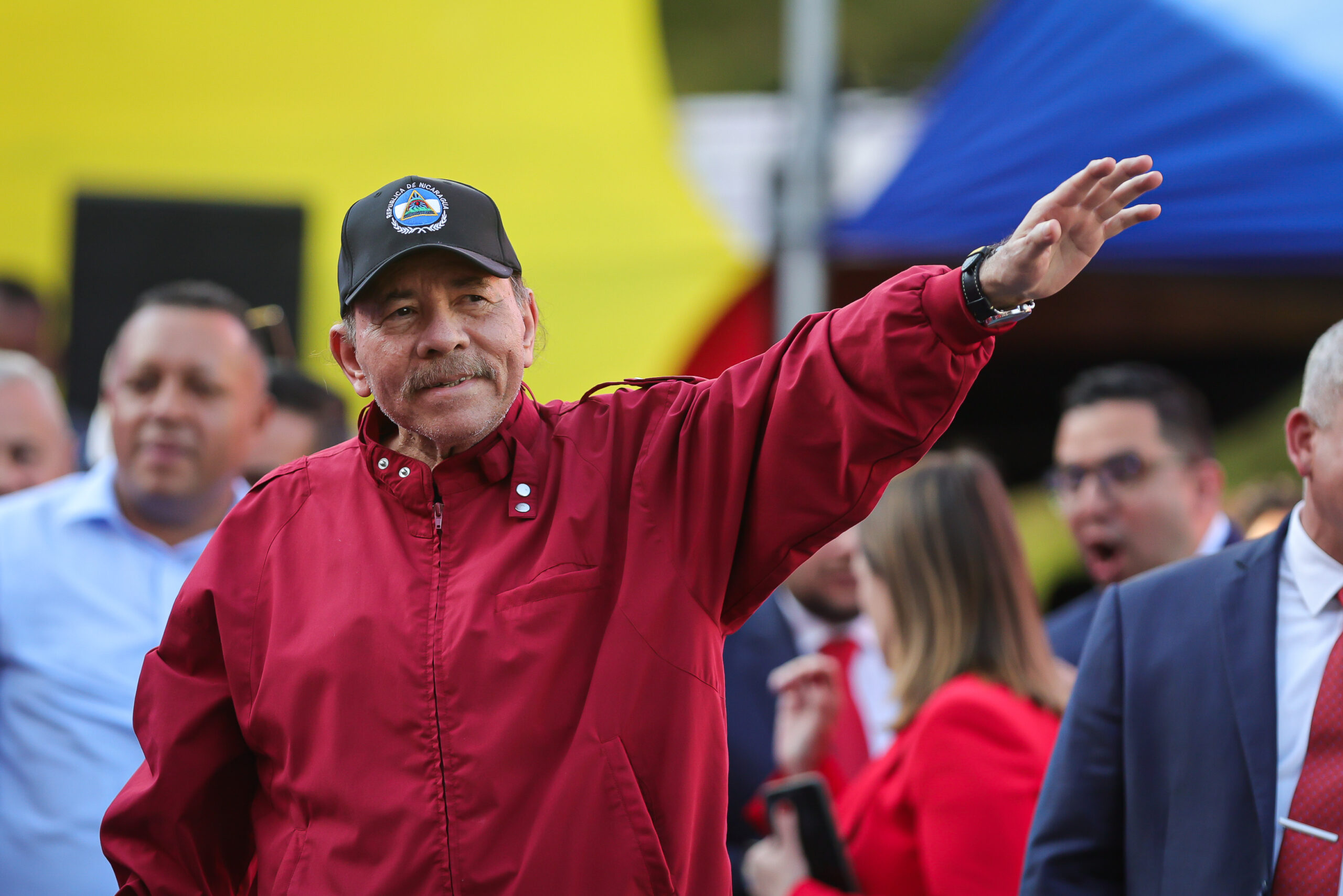
Reading Time: 4 minutesEarlier this week, Nicaraguan President Daniel Ortega said the country will no longer hold elections, effectively eliminating the possibility of the opposition coming to power. The 80-year-old Sandinista leader has governed Nicaragua without interruption since 2007 and, in 2025, appointed his wife, Rosario Murillo, to be his co-president.
Speaking during the commemoration of the 47th anniversary of the 1979 Sandinista Revolution in Managua, Ortega said that the Sandinista-controlled National Assembly would pass legislation creating what he called “a wall, a blockade” against political parties backed by what he described as foreign interference. Nicaragua’s last election, in 2021, was widely disputed, as Ortega persecuted and jailed presidential opponents, silenced independent media and criminalized dissent.
Nicaragua was scheduled to hold general elections in November 2027. Constitutional amendments made last year had already extended the presidential term to six years, pushing that election date back and casting doubt on whether it would occur at all. Ortega’s latest statement marks an explicit rhetorical shift, with potentially long-lasting consequences.
AQ asked analysts to share their reactions and perspectives.