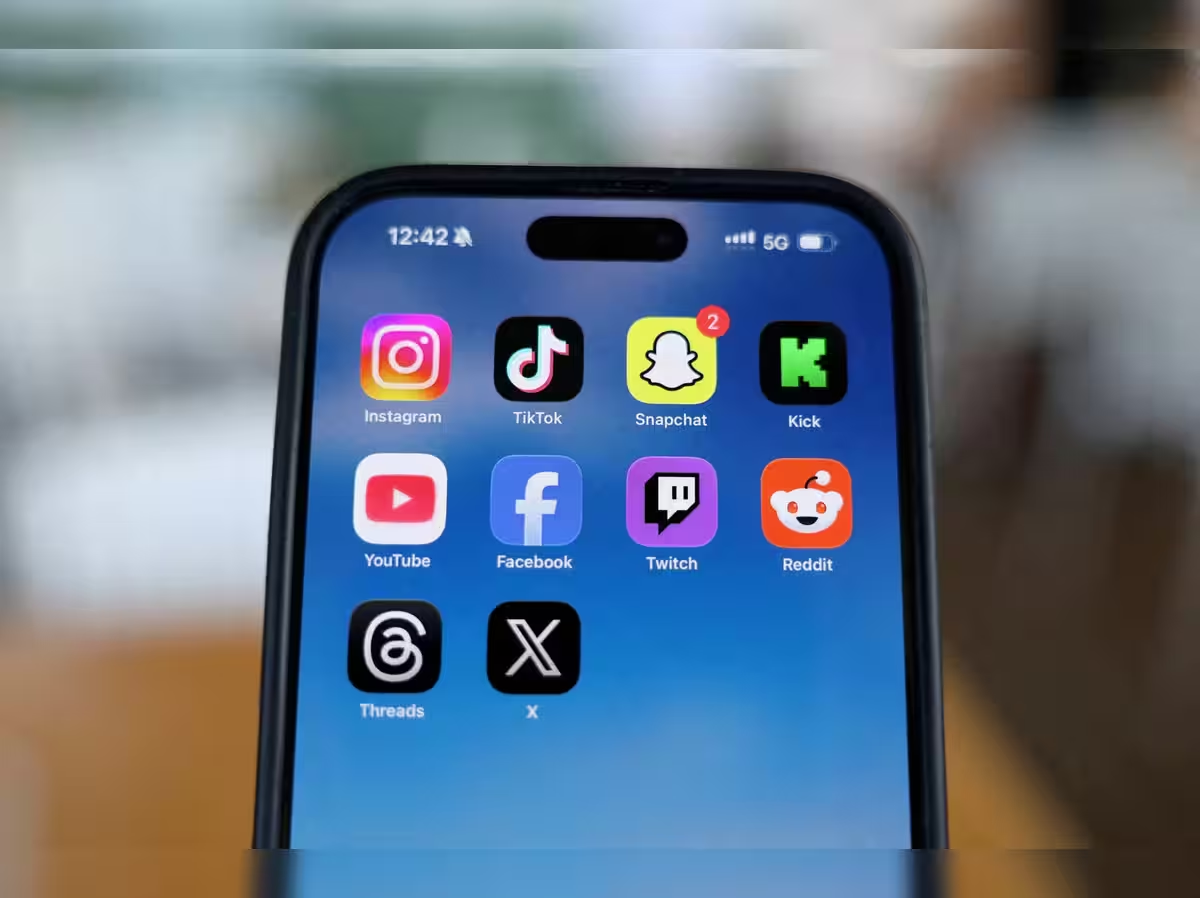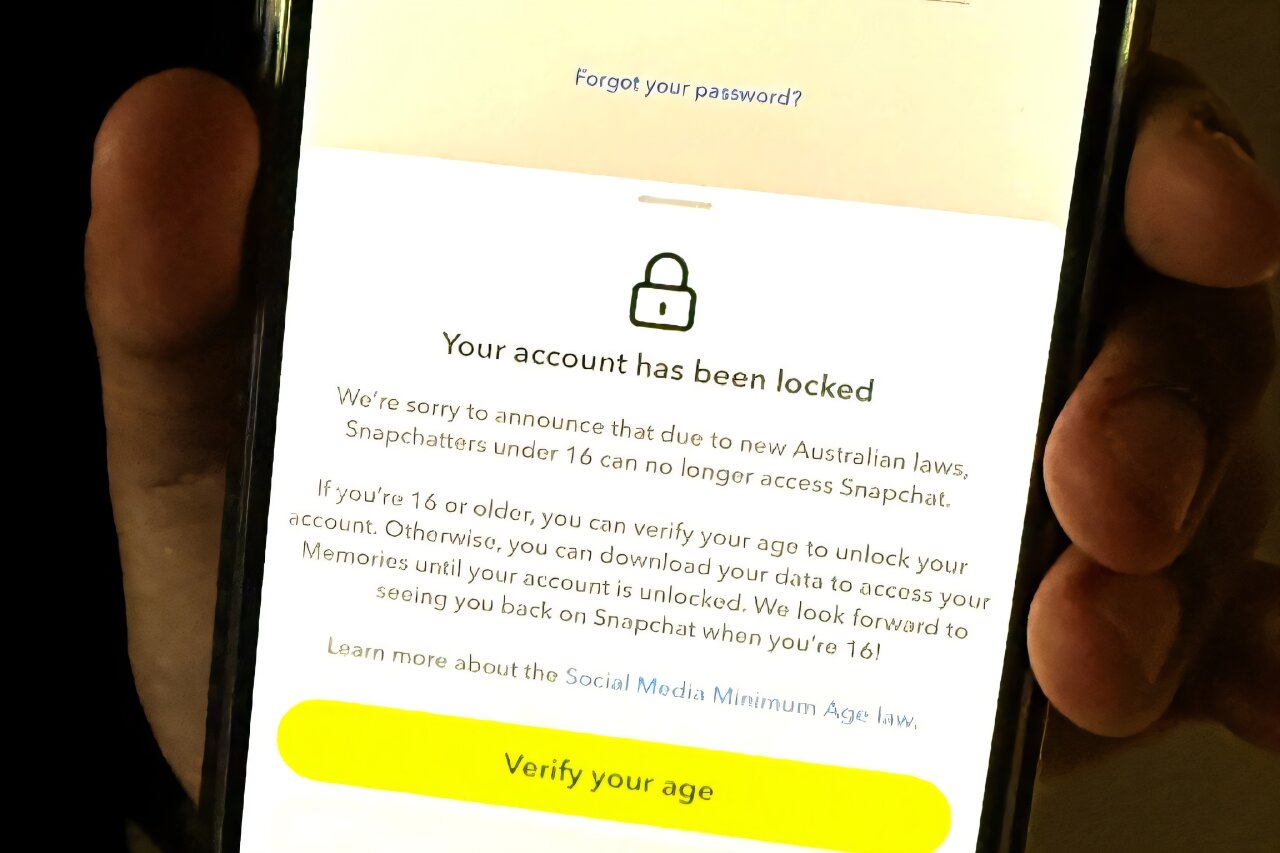
Australia banned under-16s from social media in December; the U.K. is now investigating whether TikTok’s age checks even work; and France just finalized its own under-15 ban this week, racing to beat the August recess. Platforms are grappling with how to handle the “age verification trap,” how do you collect information about a user online without infringing on their privacy and being too intrusive. And while these bans are taking place abroad, some states in the country are toying with similar measures, or fully banning users from specific sites if the platforms can’t verify their age accurately.
David Inserra, a fellow for free expression and technology at the Cato Institute who also sits on TikTok’s US Content Advisory Council, told Fortune that each of these laws gets sold as a narrow fix for kids, and each one ends up asking something much bigger of everyone else.
“It’s not just about verifying the age of kids,” Inserra said. “To verify the age of kids, you have to verify the age of everyone, and that means everyone’s ID.” A platform can’t apply scrutiny only to the accounts that turn out to belong to minors: it has to ask every user to prove their age before it knows who’s who.