Women who experience pregnancy complications such as gestational diabetes, preeclampsia or preterm delivery have a significantly increased long-term risk of developing peripheral artery disease (PAD) later in life, according to a new study published in PLOS Medicine by Casey Crump of the University of Texas, U.S., and colleagues.
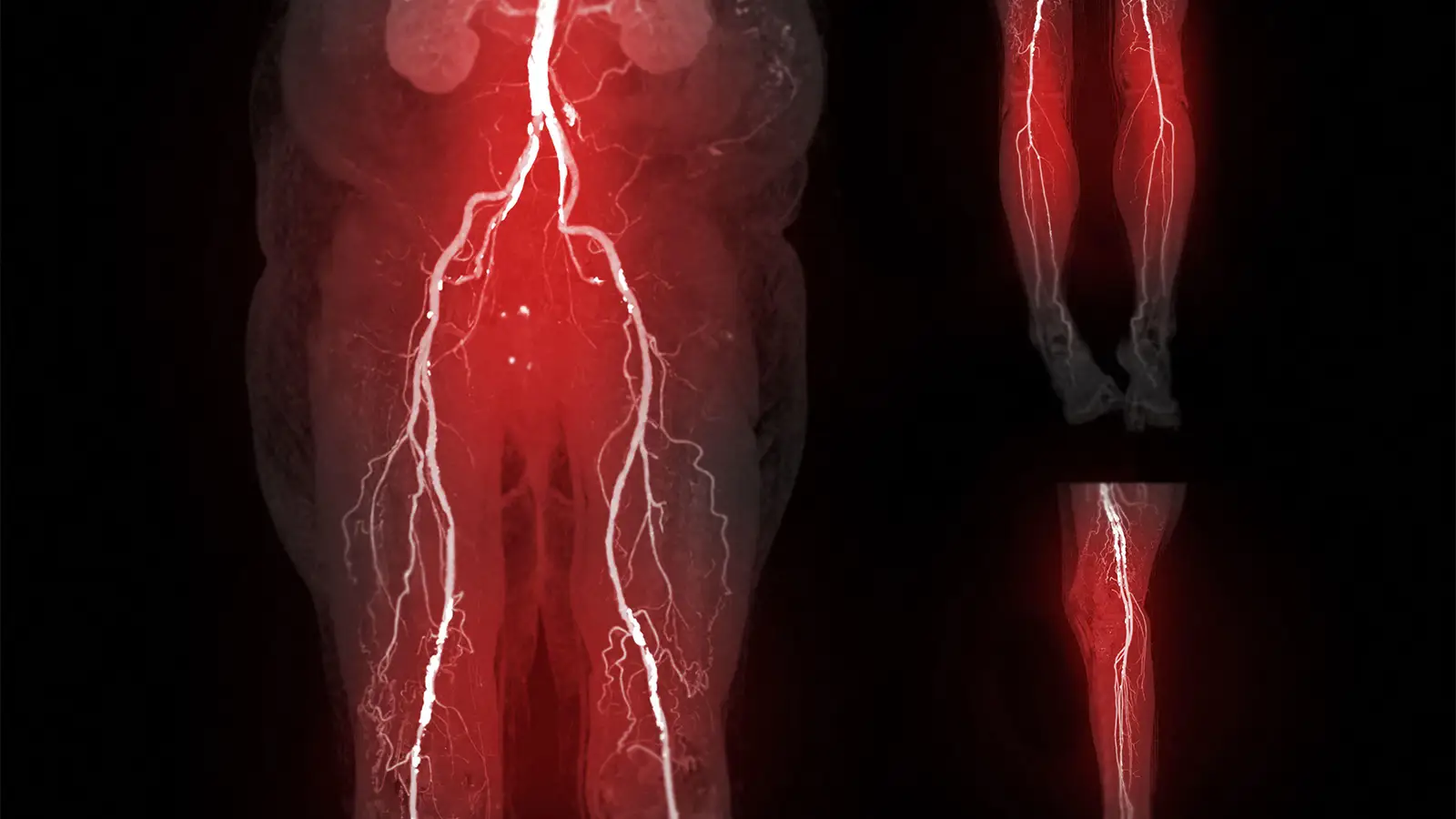
PAD, a condition in which narrowed arteries reduce blood flow to the limbs, affects more than 230 million people worldwide and is a strong predictor of future stroke, ischemic heart disease and premature mortality. Adverse pregnancy outcomes have been identified as risk factors for other cardiovascular diseases, but their association with long-term PAD risk had not been well established.
A nationwide look at later PAD
In the new study, researchers analyzed data from 2,201,446 women who had a singleton delivery in Sweden between 1973 and 2015, following them for PAD diagnoses from nationwide inpatient, outpatient and primary care records through 2018. Five adverse pregnancy outcomes were examined: preterm delivery, small for gestational age, preeclampsia, other hypertensive disorders of pregnancy and gestational diabetes.
In 54 million person-years of follow-up, 13,211 women (0.6%) were diagnosed with PAD at a median age of 62. All five adverse pregnancy outcomes were independently associated with increased PAD risk.