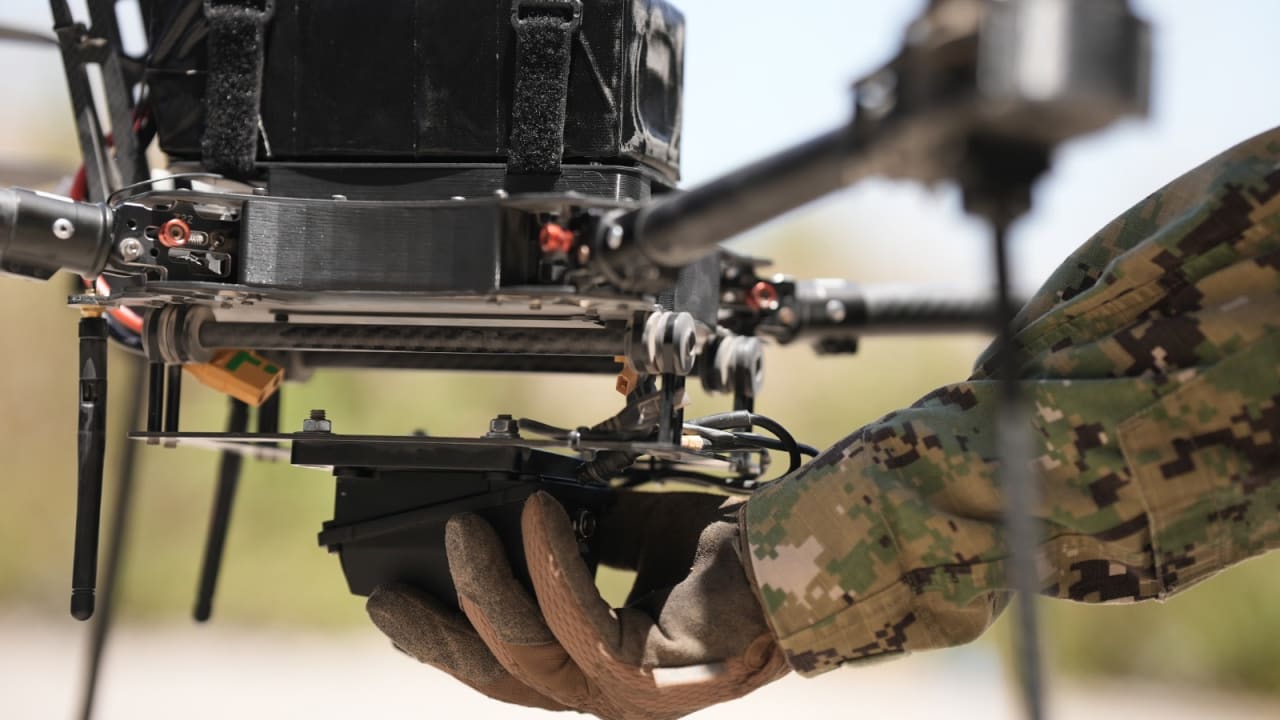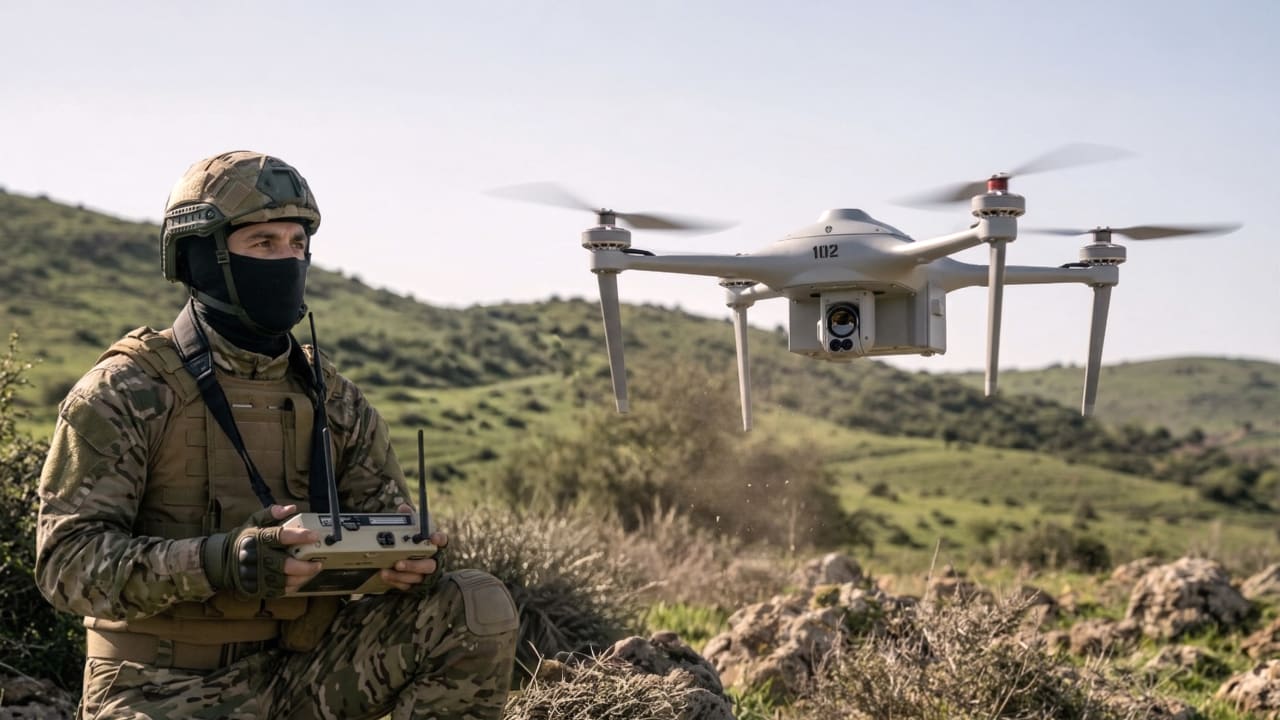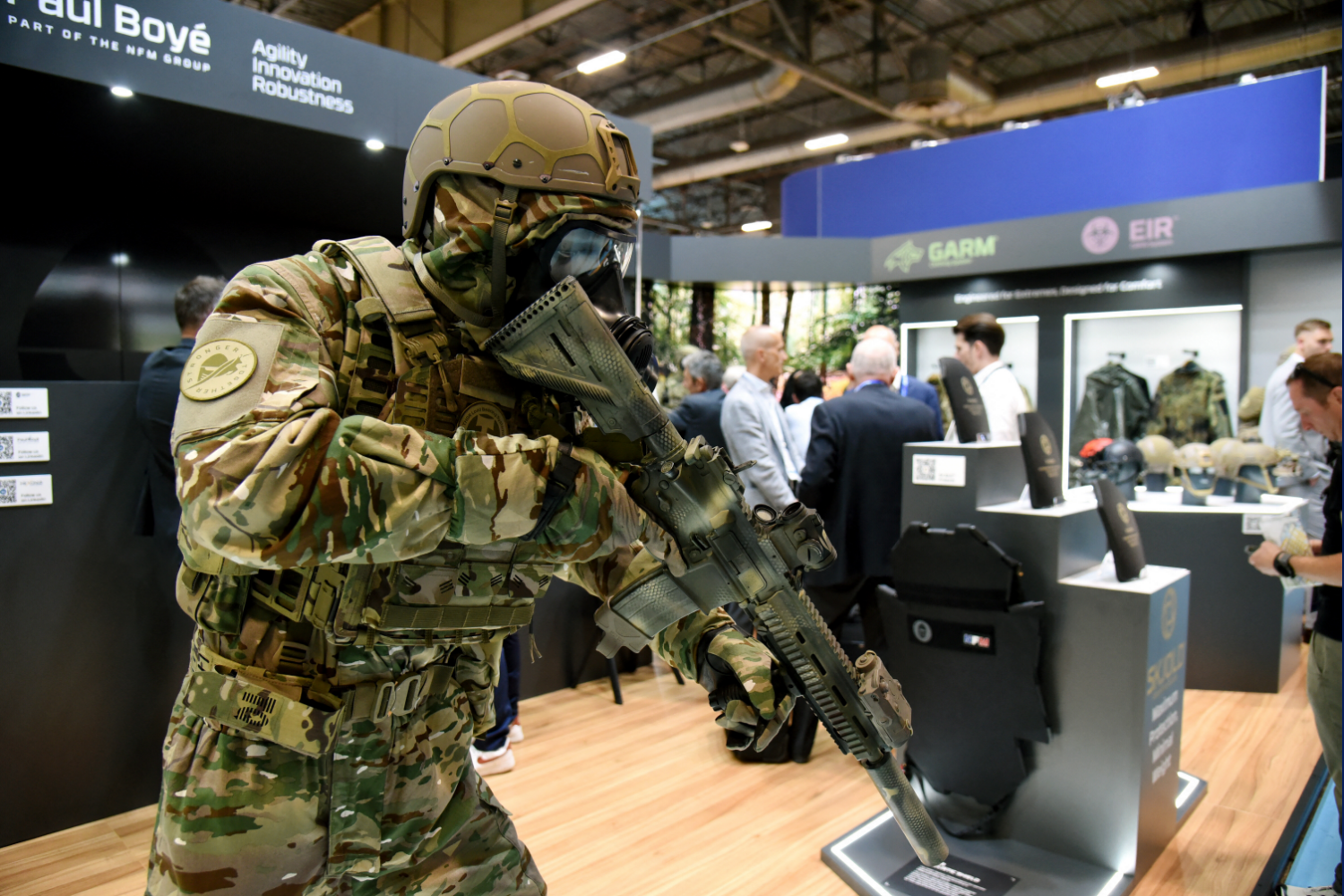
PARIS—Heven AeroTech, a maker of hydrogen-powered drones, is often called Israel’s first defense tech unicorn, the term for a privately held company valued at more than $1 billion. But when I walked up to Heven’s exhibit at the Eurosatory arms show last month and asked where the company was based, the representative at the booth cheerfully replied, “Dulles, Virginia.”
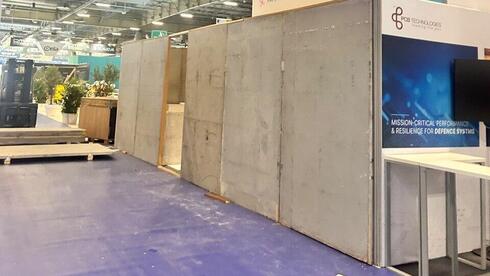
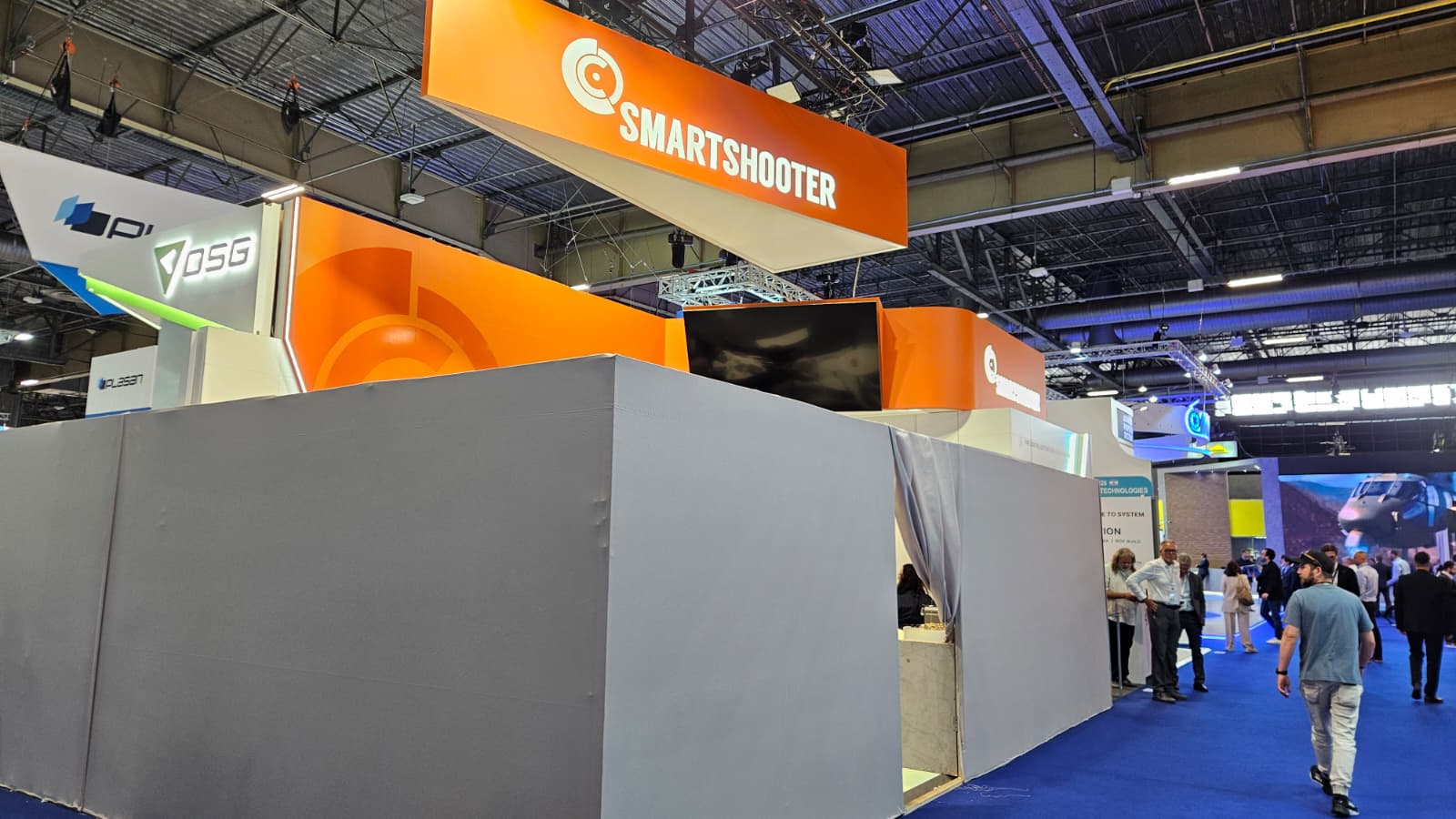
This was accurate, since Heven opened its new headquarters in the United States last year. But embracing its American identity at the arms show had an unspoken benefit: The company avoided the fate of nearby Israeli exhibitors, many of which were literally walled off from the main floor—part of an ongoing dispute between France and Israel over the latter’s military operations in Gaza and Lebanon.
PARIS—Heven AeroTech, a maker of hydrogen-powered drones, is often called Israel’s first defense tech unicorn, the term for a privately held company valued at more than $1 billion. But when I walked up to Heven’s exhibit at the Eurosatory arms show last month and asked where the company was based, the representative at the booth cheerfully replied, “Dulles, Virginia.”
This was accurate, since Heven opened its new headquarters in the United States last year. But embracing its American identity at the arms show had an unspoken benefit: The company avoided the fate of nearby Israeli exhibitors, many of which were literally walled off from the main floor—part of an ongoing dispute between France and Israel over the latter’s military operations in Gaza and Lebanon.