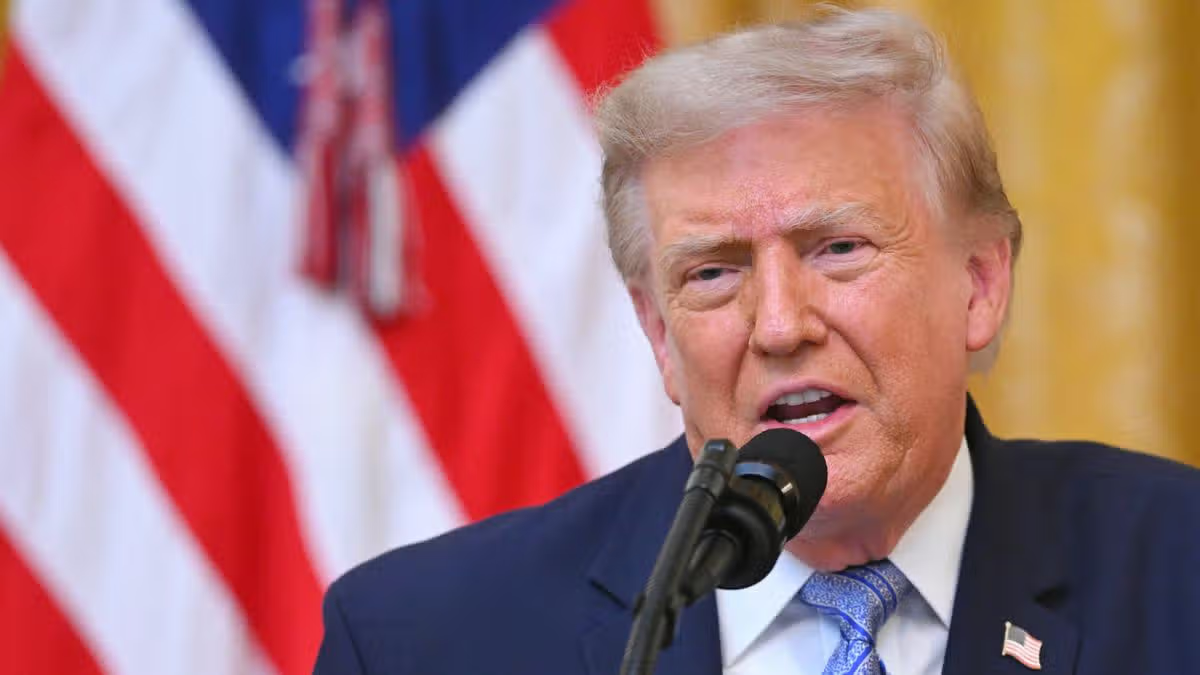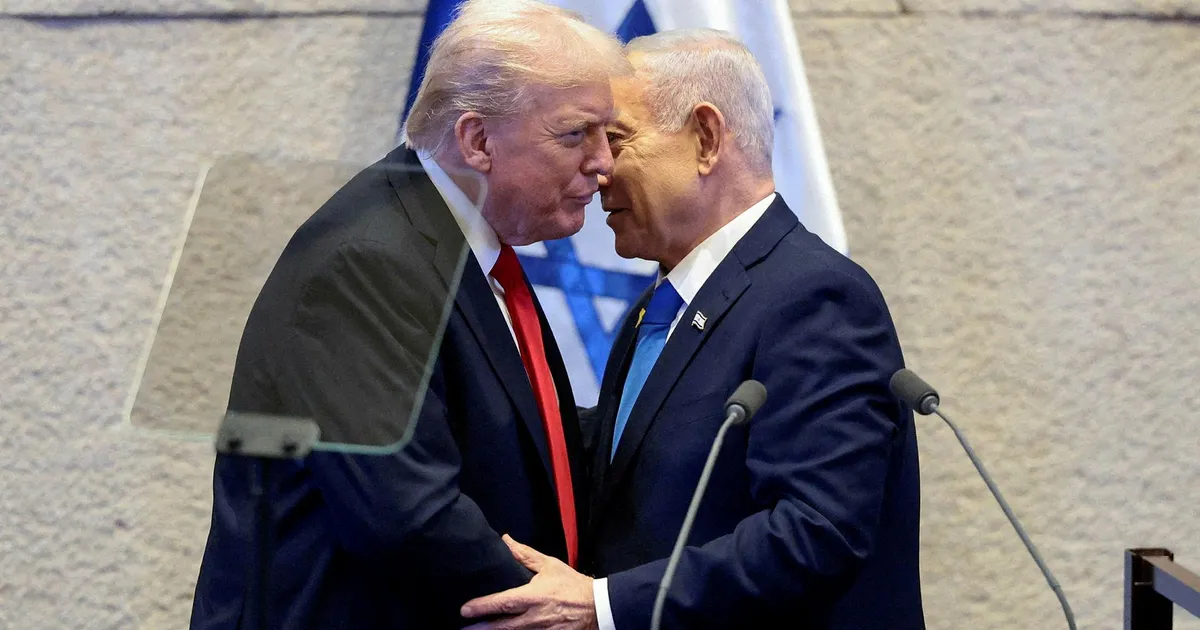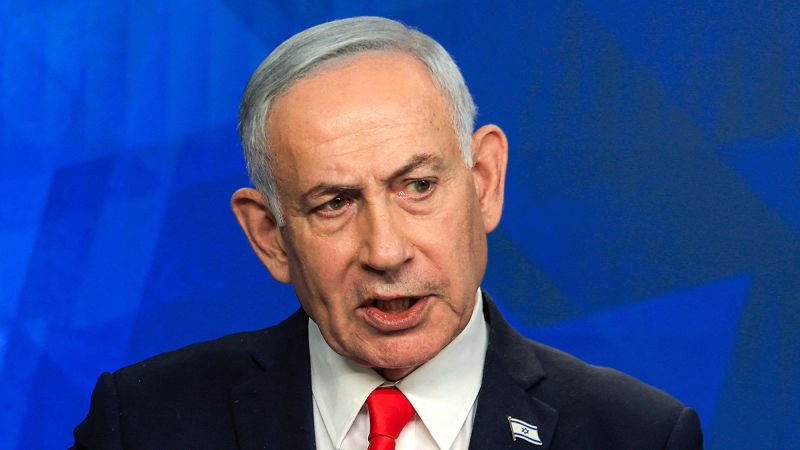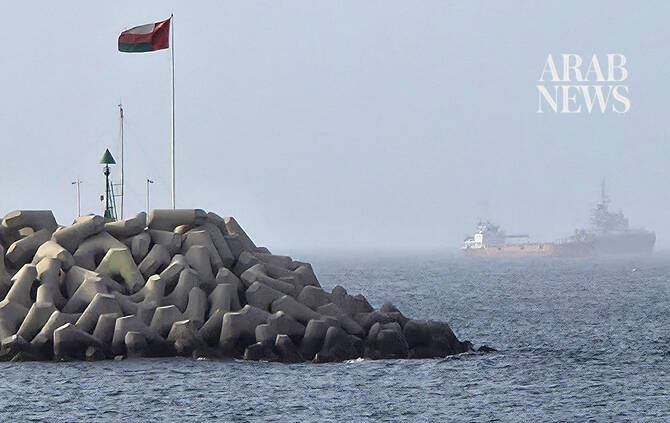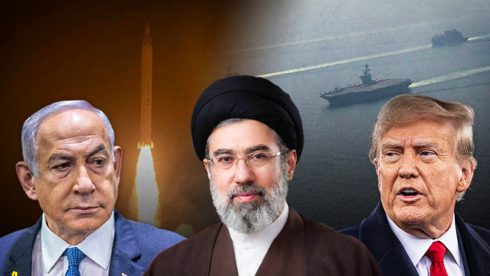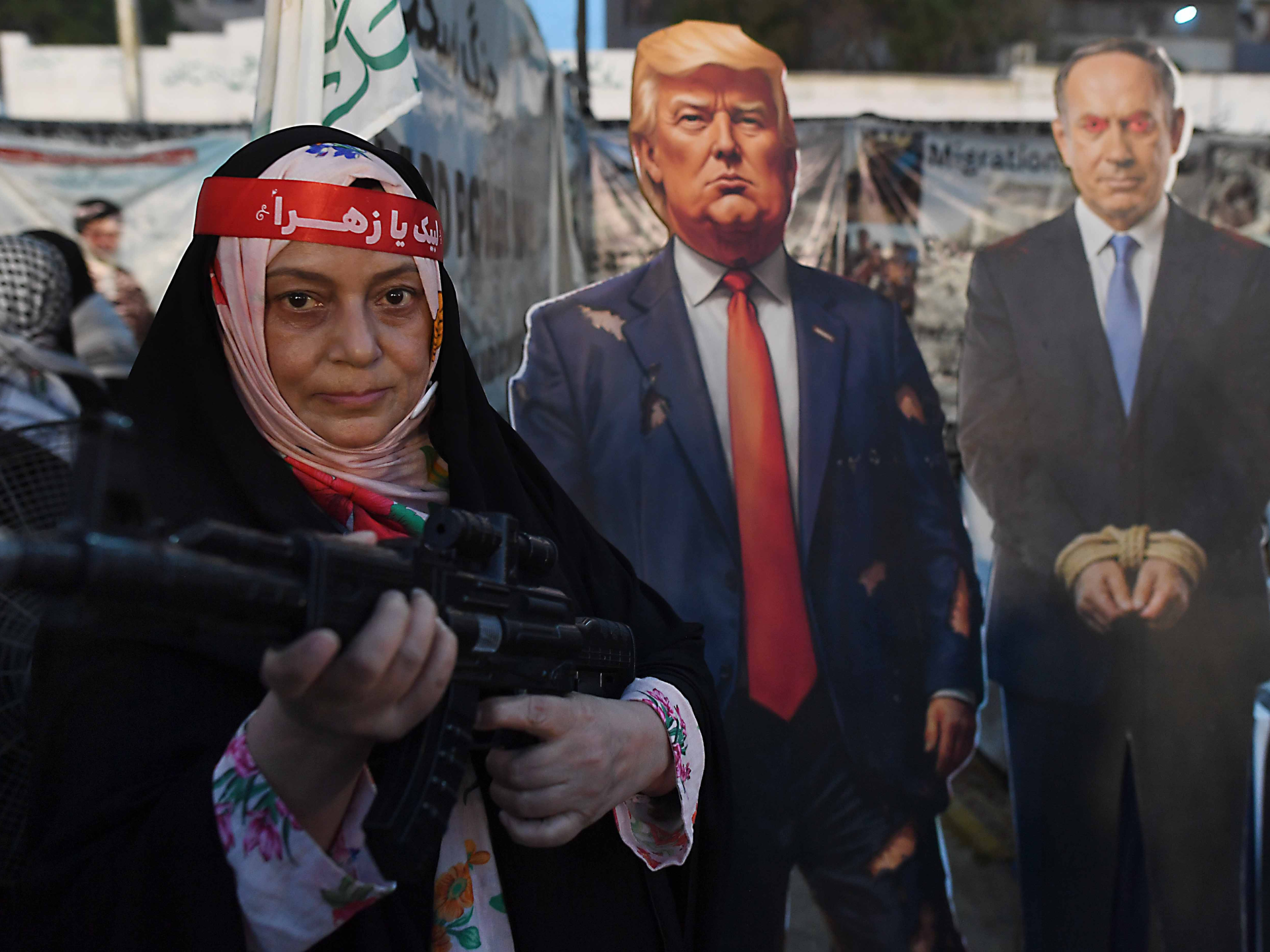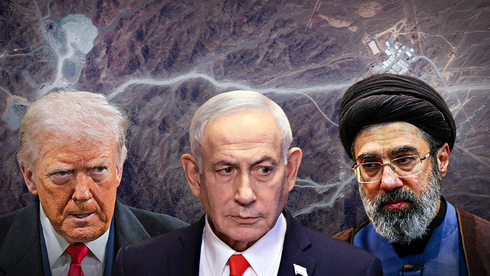
Trump’s Pickaxe Mountain threat and growing US buildup raise fears of renewed war, even as Qatar and Oman push a 10-day ceasefireThose developments, officials say, have increased the likelihood that fighting will resume and that Israel could eventually become involved.Gallery(Photo: Lev Radin/Shutterstock, Chaim Goldberg/Flash90)At the same time, diplomatic contacts are continuing, with Qatar and Oman reportedly advancing a proposal for a 10-day ceasefire.Prime Minister Benjamin Netanyahu spoke Monday night with U.S. Secretary of State Marco Rubio during a six-hour meeting of Israel’s reduced security Cabinet.No date has yet been set for Netanyahu to travel to Washington for a meeting with Trump. An advance team from the Prime Minister’s Office and the Shin Bet’s Unit 730, which had traveled to Washington to prepare for the visit, has returned to Israel.Netanyahu does not want to travel solely to attend the funeral of U.S. Sen. Lindsey Graham, scheduled for July 28, and also wants to meet Trump. Israeli officials currently believe such a meeting is unlikely to take place this week.Finance Minister Bezalel Smotrich said Israel had no interest in joining what he described as the limited conflict between Iran and the United States, arguing that “the current situation is the best one for us.”Trump’s latest remarks, however, could alter that assessment.“We will definitely hit the new site they are talking about, Pickaxe Mountain,” Trump said during his White House meeting with Lebanese President Joseph Aoun.Pickaxe Mountain (Photo: Vantor/Handout via REUTERS )“The entire issue is nuclear weapons, and now they may be trying to rebuild a site,” he said. “We will hit that site too. Anywhere they even think about nuclear activity, we will hit very, very hard.”The comments took on additional significance following a report that Iran had transferred thousands of uranium enrichment centrifuges to the Pickaxe Mountain facility and may also have moved uranium there.Israeli officials say that if Trump is prepared to widen the conflict by striking the site, the confrontation would no longer remain a limited U.S.-Iran exchange. Such a move could carry broader regional consequences, including the possibility of Israeli participation.Senior Israeli officials say the decision now rests entirely with Trump.Only the U.S. president, they say, will determine whether and how the campaign is expanded.Trump and Lebanese President Joseph Aoun (Photo: SAUL LOEB / AFP)The United States has recently increased its military readiness in the region, including by deploying additional forces and continuing to move aerial refueling aircraft into the area as part of preparations for possible scenarios involving Iran.A senior Israeli official said Israel does not currently seek to join the direct confrontation between Washington and Tehran, but warned that any Iranian attack on Israel would trigger a broad response using the full range of Israel’s military capabilities.“If Iran attacks us, we will go all in and strike them,” the official said. “We do not do half-measures.”The official said Israel possesses a “very large target bank” and would use any broader confrontation to exploit additional opportunities across the region to damage Iran’s military capabilities and those of its proxies.According to the official, Tehran understands the consequences of Israeli entry into the conflict and therefore does not want Israel to become involved.Trump, the official added, would prefer to contain the confrontation and continue managing it without allowing it to develop into a broader regional war.
‘If Iran attacks, we’ll go all in’: Israel braces for possible entry into war
Trump’s Pickaxe Mountain threat and growing US buildup raise fears of renewed war, even as Qatar and Oman push a 10-day ceasefire
547 words~2 min read