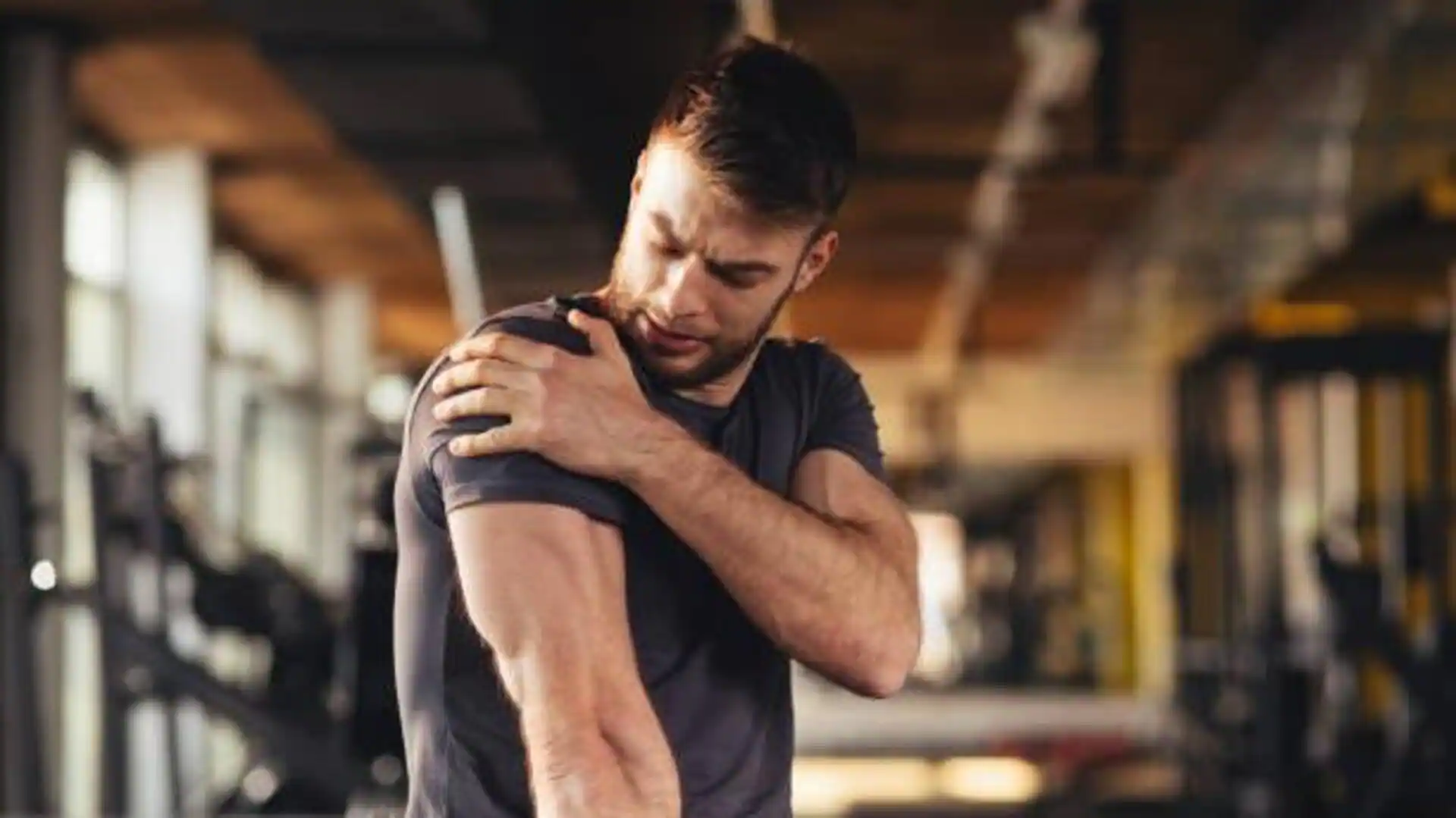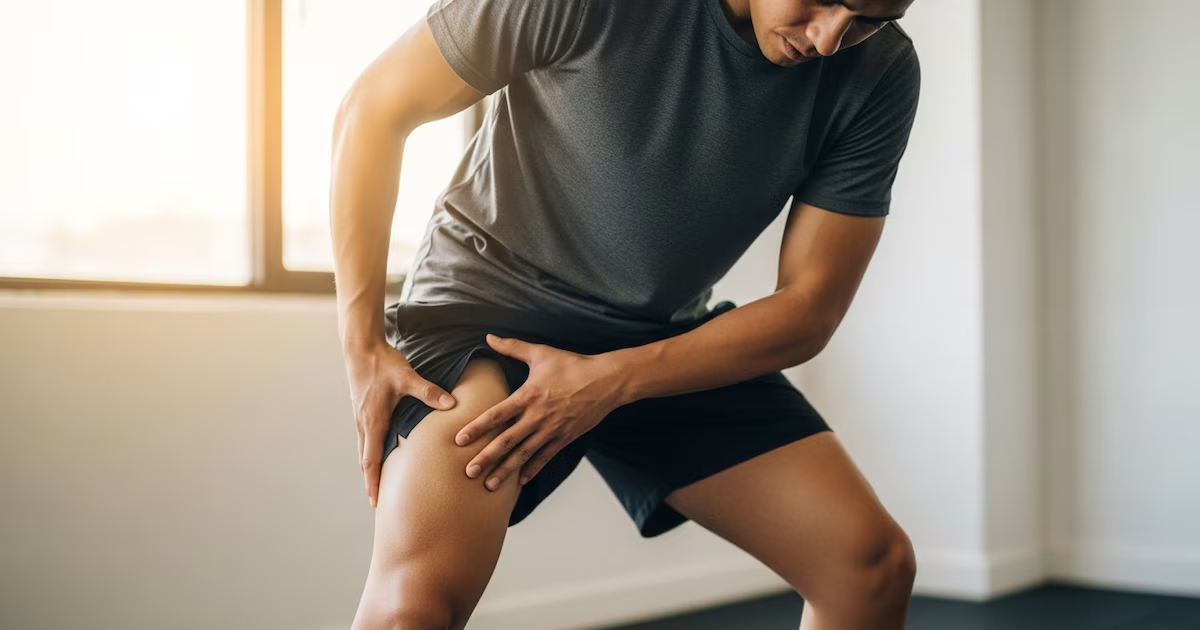
The hardest part of sticking to a workout routine may be starting it, but the second-hardest part is figuring out what to do when it's time for another workout when you're still sore from the first one. Below, I'll share some tips for relieving that soreness—but, even more importantly, I'll tell you what not to do. Perhaps the most surprising thing: you probably shouldn't skip your next workout. Here's what normal exercise soreness feels likeBefore we discuss what to do, let's take a minute to understand how you're feeling right now, and why. It's not lactic acid (that's a myth), but rather a phenomenon known as DOMS, for "delayed onset muscle soreness." It's most likely to happen when you do something different than what you're used to. That might mean starting a new workout routine, but it can also happen to people who are already fit but try a new sport or even a slight change to their routine. DOMS can feel pretty brutal, but it's not serious. It doesn't mean your muscles are seriously damaged, and you're not going to injure yourself by ignoring it. Just to make sure we're on the same page, normal DOMS:
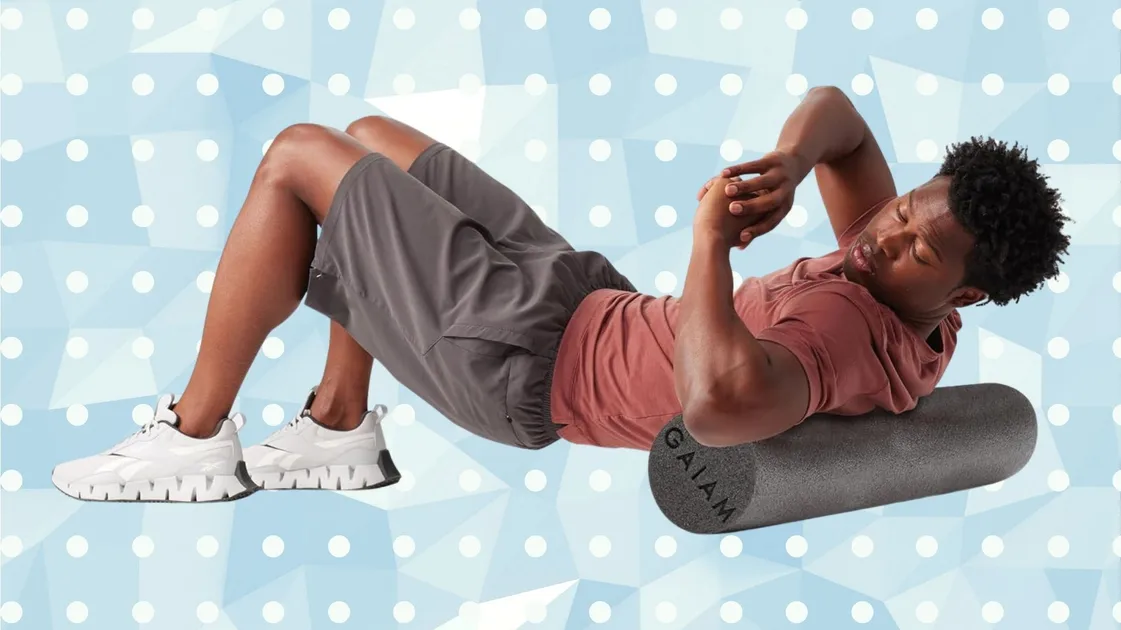
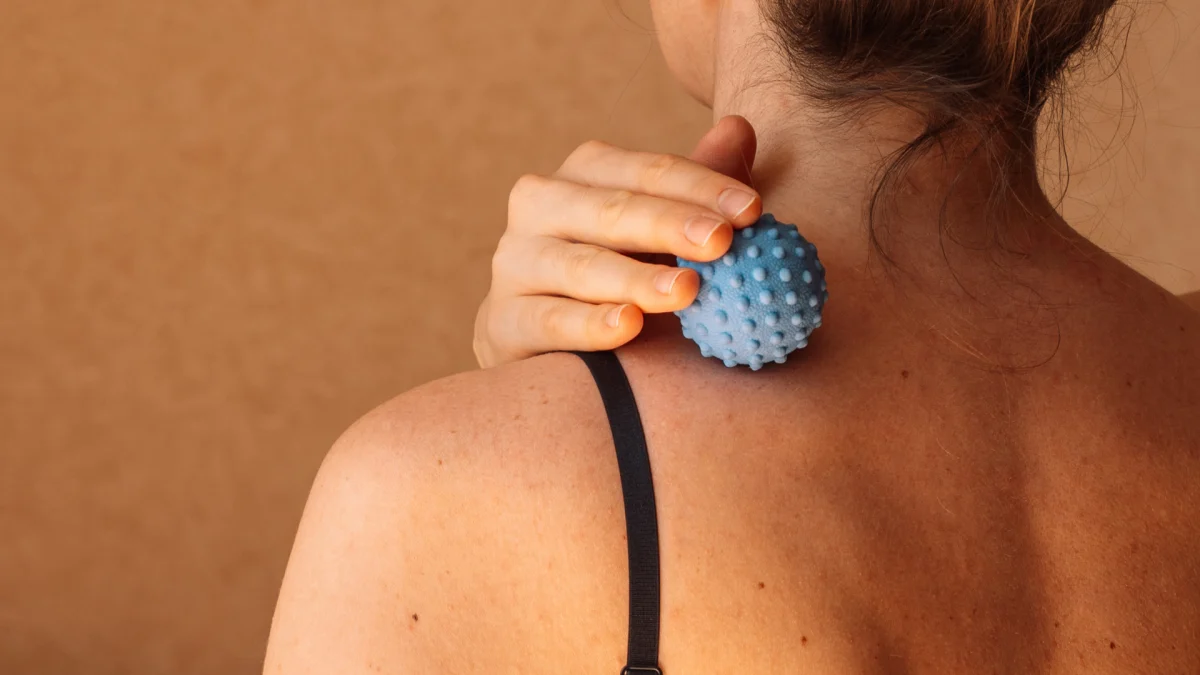
Hurts the most when you wake up in the morning or when you've been sitting still for a whileFeels better with movement Hurts when you use the muscle and when you stretch the muscleUsually starts the day after exercise (rather than the same day), and may last multiple daysIs often at its worst two days after the exercise that caused itThere are medical conditions that can also cause muscle soreness, so check with a doctor if you think there may be more going on than the usual DOMS situation. One condition worth keeping in mind is rhabdomyolysis, which is muscle damage that gets severe enough to cause muscle breakdown and kidney issues. Dark-colored urine (often described as "tea colored" or "cola colored") is a huge red flag—get to the emergency room if you notice this. I've written more here about the differences between normal soreness and the kind that needs medical attention. But most likely, you just have a normal case of DOMS. If that sounds right, let's talk about what to do about it.Do some "active rest" or gentle movement when you're soreYou may not feel like moving at all, but it's worth fighting the urge to lie in bed. Once you get up and move around, the DOMS will start to fade, at least temporarily. Definitely do not cancel any plans for the day when you first wake up—that's the worst it's going to feel all day. So go for a walk. That's my go-to when I'm not feeling great. If you have access to a spin bike, moving your legs at low resistance tends to help relieve soreness. Cyclists will talk about "flushing" out their muscles with easy pedaling; whether that's scientifically accurate or not, it does seem to help. If you're into yoga, a day you're sore is a good time to do some gentle yoga; you can even look up recovery yoga for some videos to follow. (Here's a good one.)Movement helps to relieve the pain of DOMS, but it doesn't necessarily make it fully go away. If you sit down to watch TV for a while, the soreness will be back when your show is over and you get up. The only thing that can make it go away is time, so you'll have to be patient. In the meantime, here are a few more things to try for temporary relief and to support your body as it naturally clears things up.Take a warm bath or visit the sauna when you're sore from exerciseHeat tends to make sore muscles feel better, so this is a great time to hit the sauna, if your gym has one. You can also use an electric heating pad like this one, or take a hot bath. Epsom salt baths are popular for sore muscles, but the minerals in the bathwater don't actually reach your muscles. Adding them to a bath can still make it smell nice (get the lavender scented kind) and can make it feel like you're doing something special for yourself, so use them if you enjoy them.Give yourself a muscle massageGentle pressure can feel good on sore muscles, so consider treating yourself to a massage or asking someone to give you a back rub. A foam roller is a good way to give yourself some "self-myofascial release" (I'm convinced that's nothing but a fancy word for massage), or consider a massage gun.My colleague Meredith Dietz has a rundown of how to buy a good massage gun and another set of tips on the best recovery gadgets from massage rollers to lacrosse balls to free and DIY solutions. We don't have evidence pointing to any specific device as being the "right" one to use, so you get to pick whatever feels good and fits your budget.