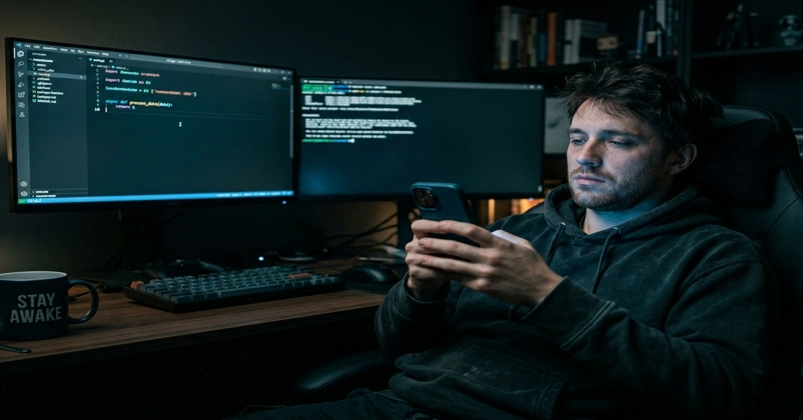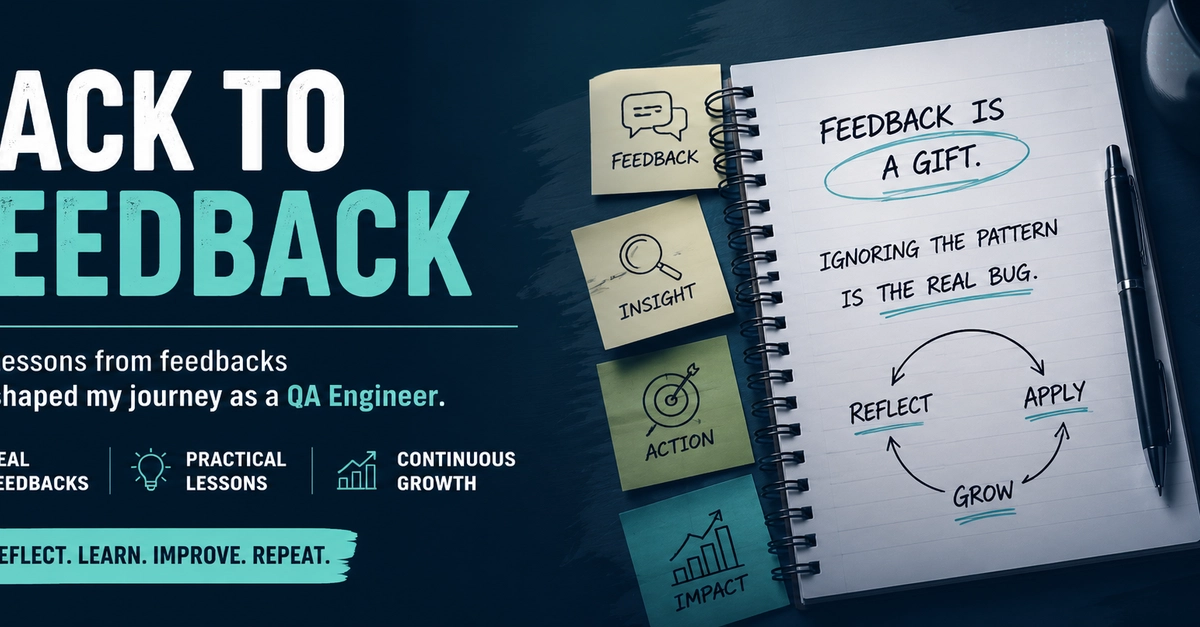
I couldn't write this post. I'd tried three or four times. I knew there was something I needed to say about feedback and track records and the way both of those quietly poison each other, but every draft came out either smug or evasive. So I did something I'd been circling for a while: I let an AI interview me about my own blind spots. I sat on the receiving end of the questions instead of generating the answers I wanted to look good. What I learned from that exercise turned out to be the post. Not the conclusions I went in with — the thing that happened during the process itself.
Let me start where the exercise started, with a phrase I've been using with coworkers for about ten years.
When a developer freezes up before speaking in a design review — when you can see them holding a real objection and swallowing it because the room is full of people with longer resumes — I tell them: it's OK to get lucky. I mean it as permission. Your idea doesn't have to be backed by twenty years of war stories to be worth saying out loud. You're allowed to be right by accident. You're allowed to have stumbled onto the good answer. The work is the work regardless of how you arrived at it.
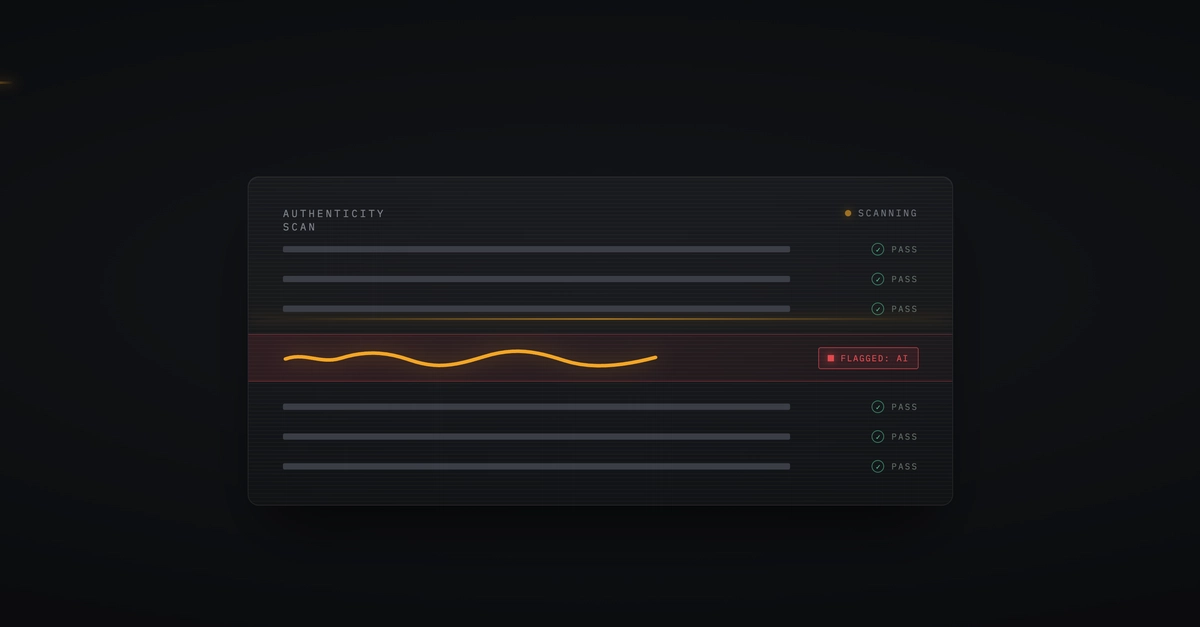
I believed that about other people for years before I turned it on myself. But turning it on myself is old news — seven or eight years old. The interview didn't pry that gap open; I'd closed it long ago, and I've been living inside the closing of it ever since. What the interview was for was something else. I had been trying to get this lesson onto the page for a long time and failing, and what I actually wanted to know was whether an AI could help me do it without quietly telling me what I wanted to hear — whether the voice that came out the other end would still be mine. That question is where the honesty has to start, and it is about my own conduct, not advice for yours.