TL;DREight NATO allies launched HALO at the Ankara summit to network their military satellites into a mega-constellation for comms and missile tracking.
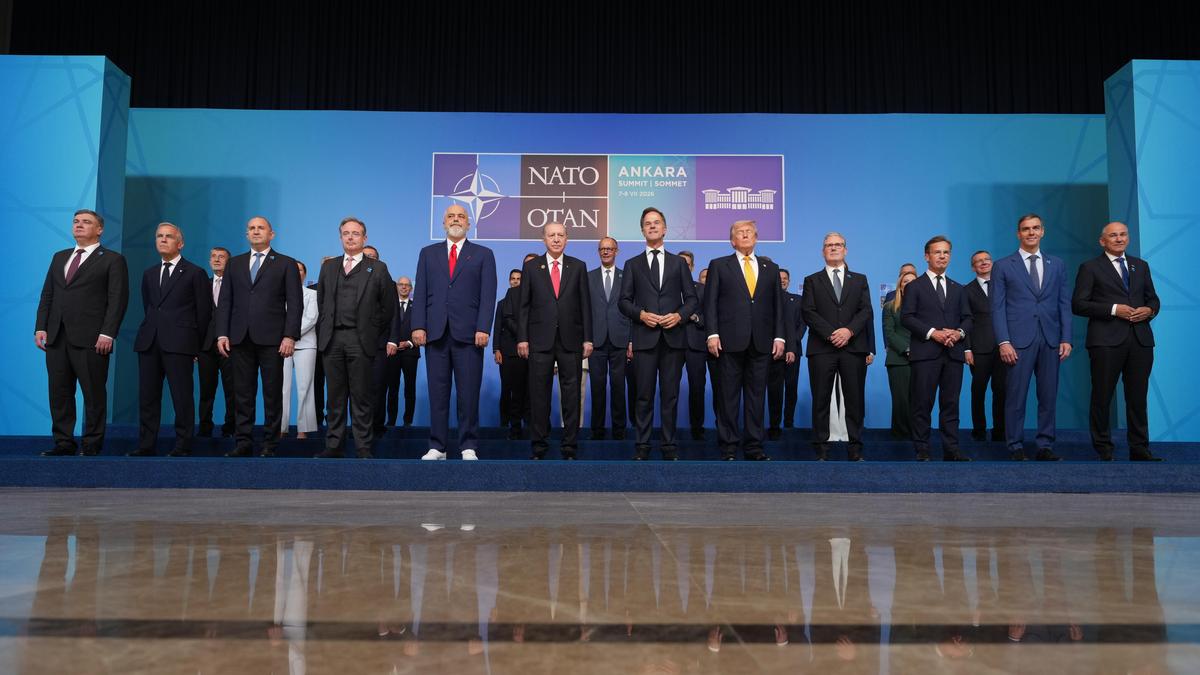
Eight NATO allies have launched an initiative to connect their military satellites into a single networked mega-constellation, marking the Alliance’s most ambitious move yet to treat space as shared operational infrastructure rather than a collection of national assets. The programme, called HALO (Hybrid Alliance Layered Operations in Space), was announced at the NATO Summit Defence Industry Forum in Ankara on Tuesday and includes Canada, Denmark, Finland, Germany, the Netherlands, Norway, Sweden, and Türkiye. It aims to enable high-speed communications, intelligence sharing, and missile tracking across national boundaries.
HALO is designed to overcome the cost and coverage limitations of single-nation satellite fleets by integrating sovereign, nationally owned spacecraft into a common network. Each country will retain ownership and control of its own satellites, a distinction that makes the project politically viable but architecturally complex. The structure means no single ally hands over military space assets to a shared command, while still allowing the Alliance to operate them as if they were one fleet.