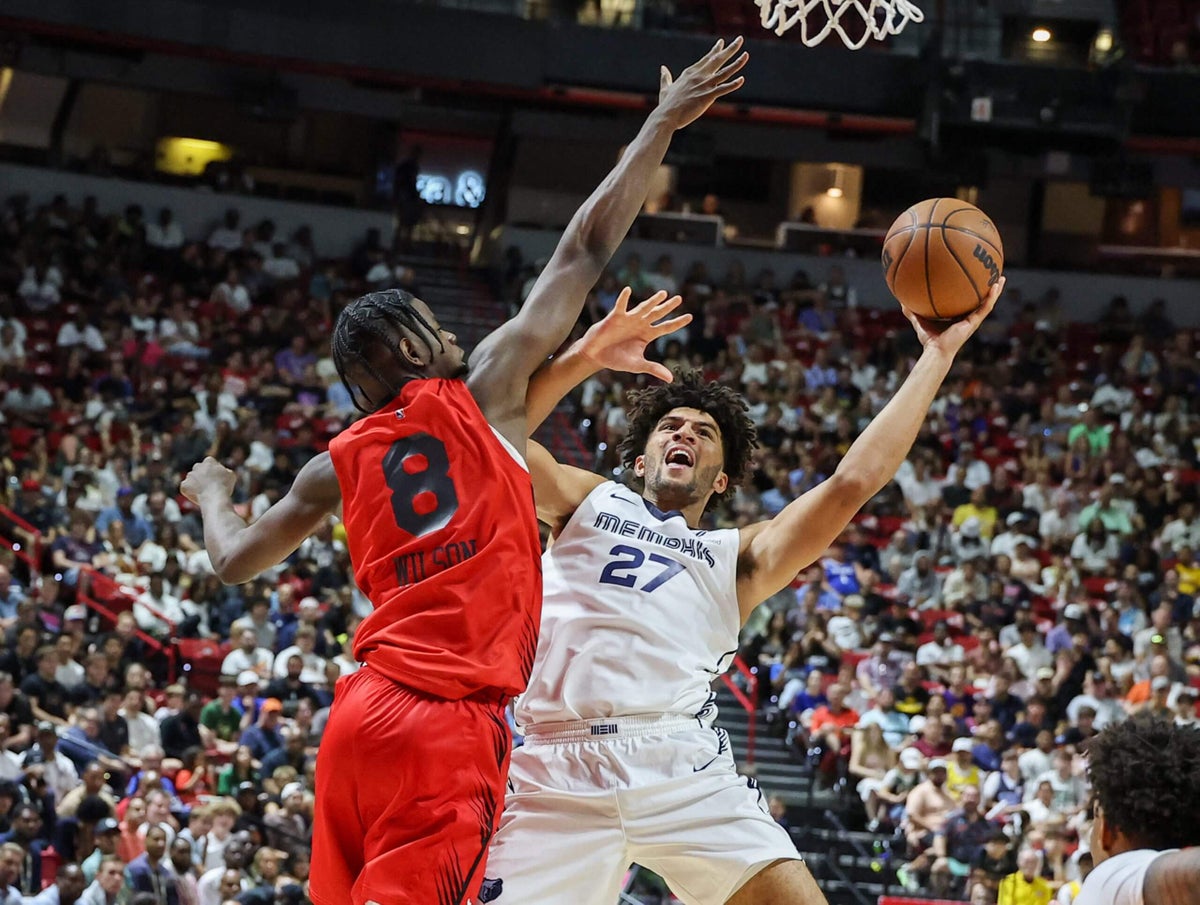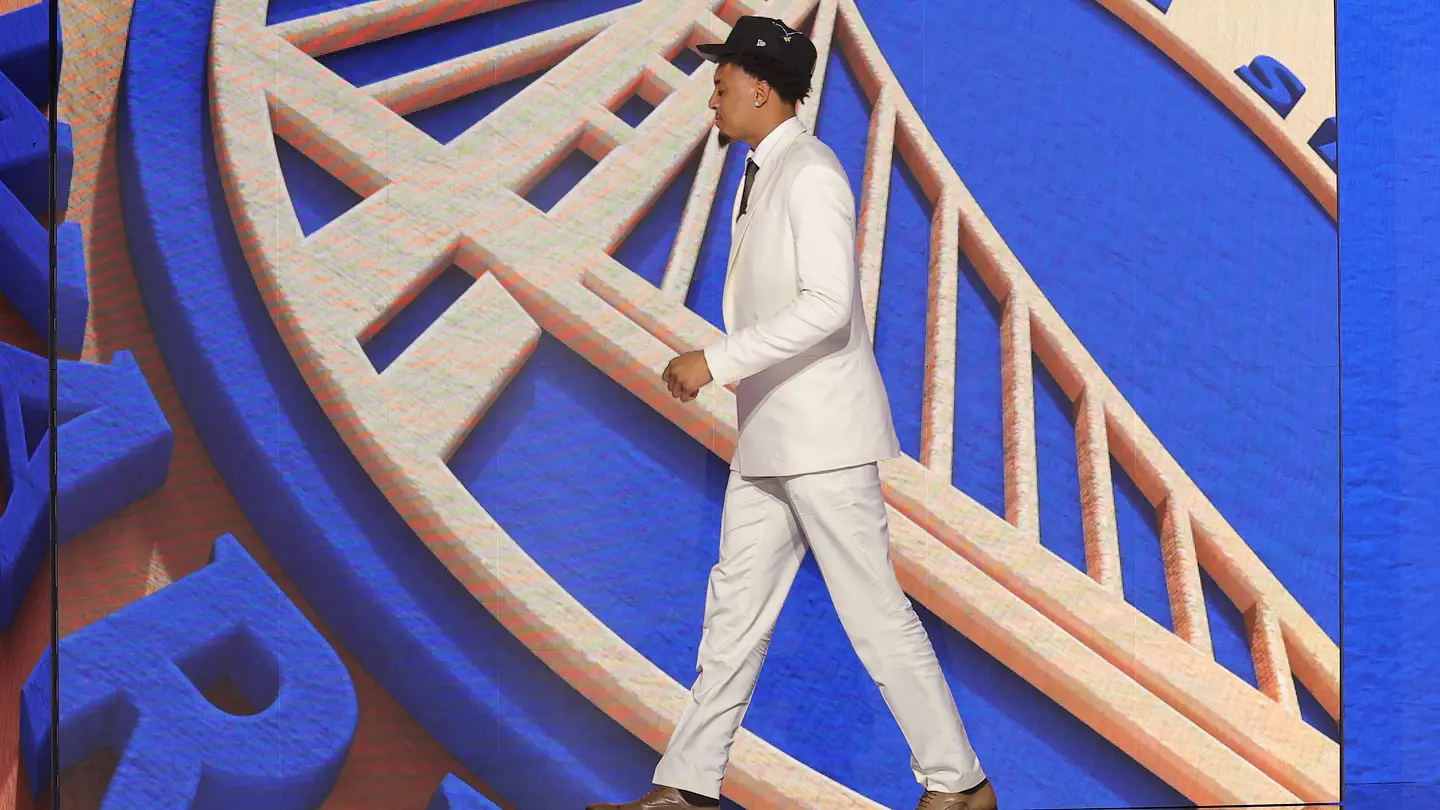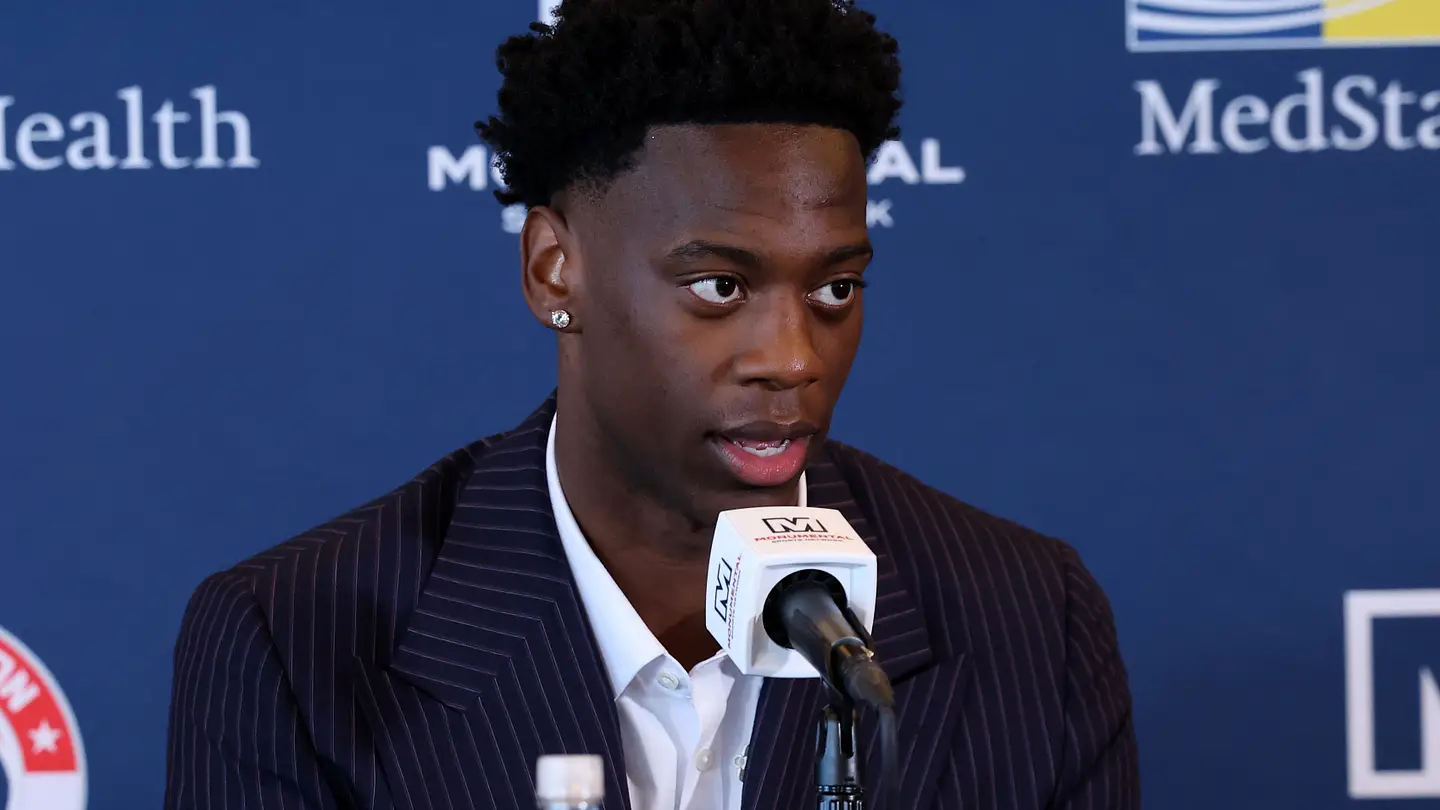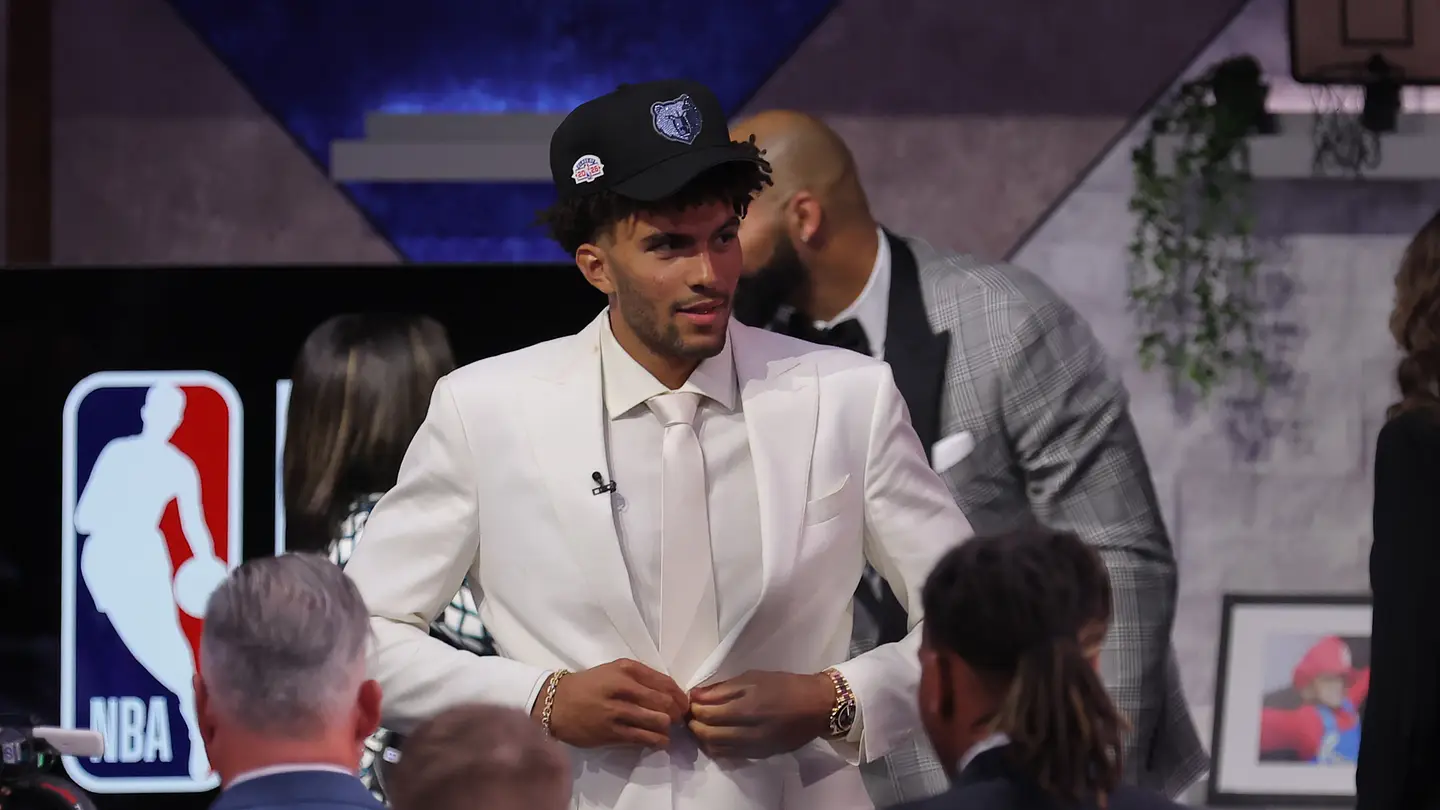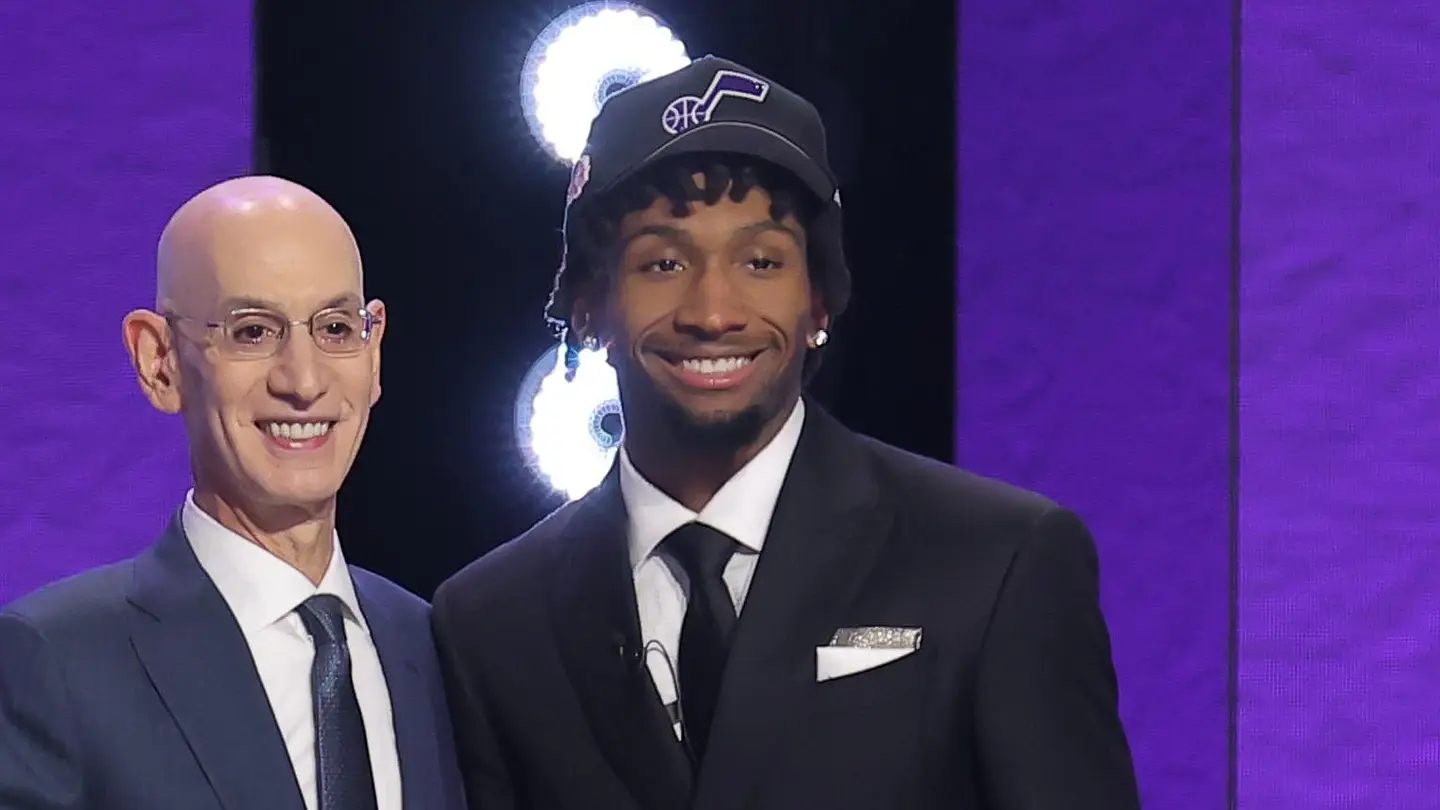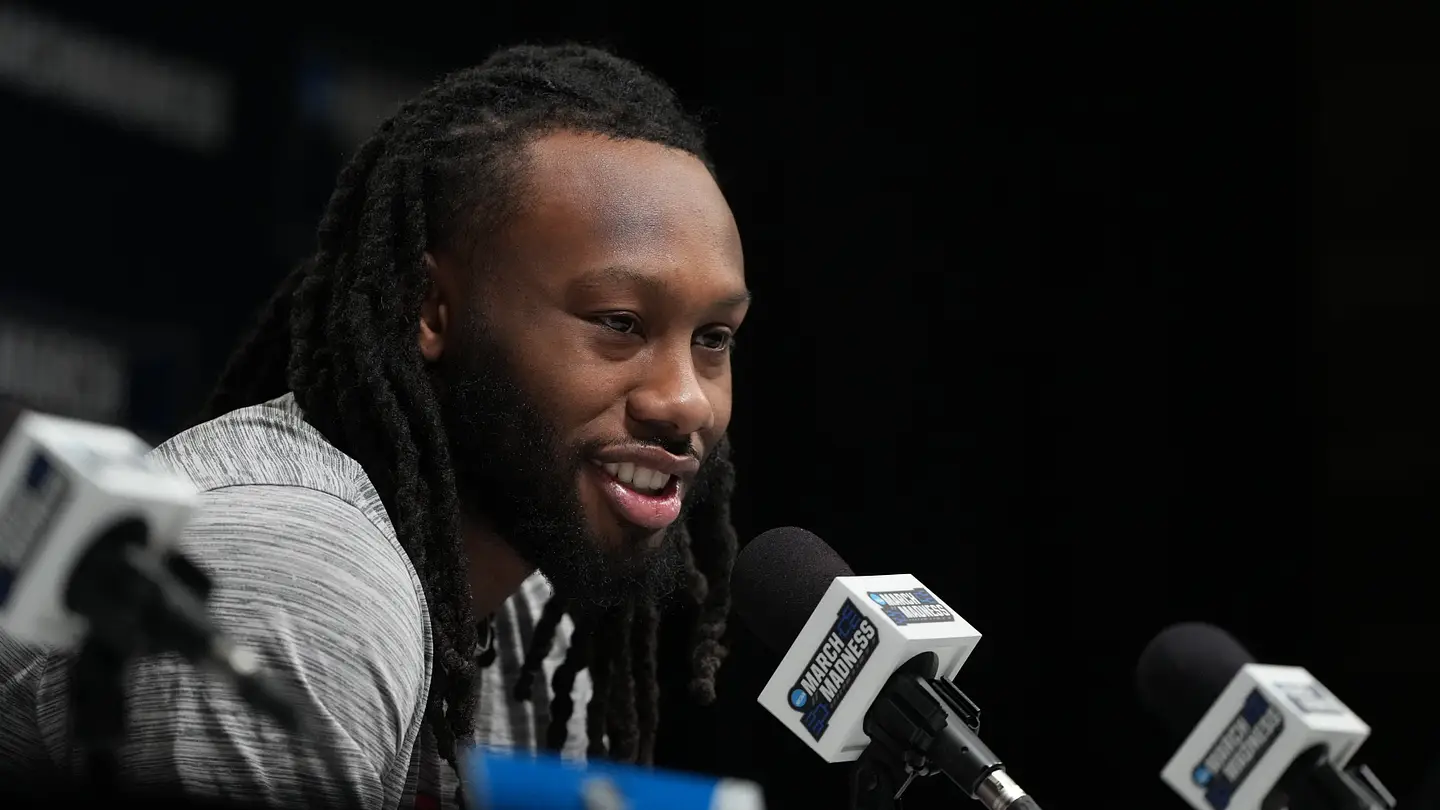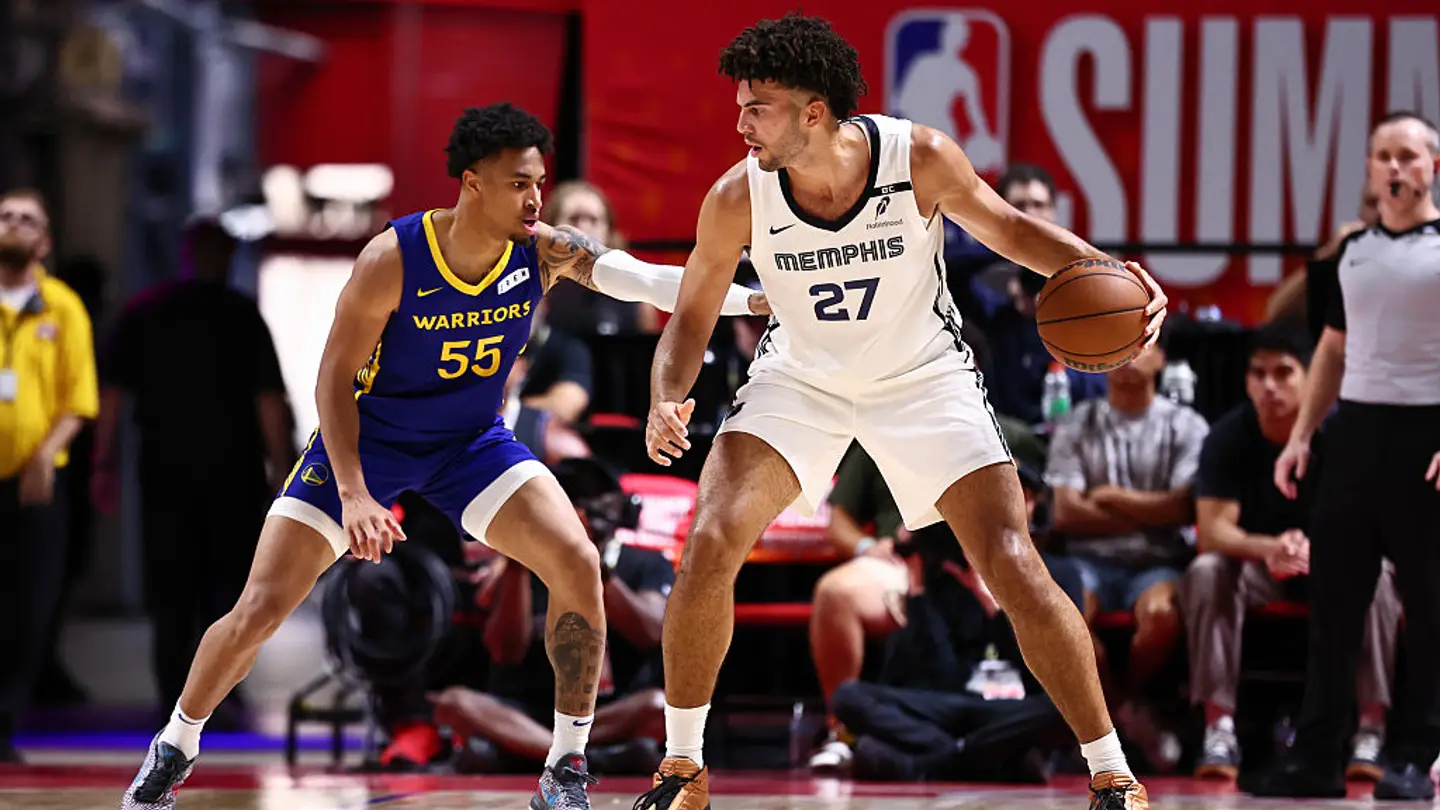
After Sunday night’s final, the 2026 edition of NBA Summer League in Las Vegas is over and done with. It was an entertaining stretch of exhibition basketball in the desert featuring stars both young and old shining under the hot Nevada sun. We should all savor it, as it’s the last dose of anything resembling NBA basketball until the new season starts in the fall. This year’s Summer League garnered some extra attention due to the lauded 2026 draft class that took the floor for the first time as professionals. After all the months of debate surrounding top prospects like AJ Dybantsa and Cameron Boozer, it was gratifying to see them in action against one another and the rest of the NBA hopefuls that dot Summer League rosters—particularly because all those top prospects played quite well. Just how well? That’s what we’re here to tell you. With Summer League at its end and the incredibly high expectations for the top of the ‘26 draft, let’s break down how the top five picks from June performed in Las Vegas. AJ Dybantsa, Washington WizardsDybantsa was the first pick in a loaded ‘26 class. | Ian Maule/Getty ImagesSummer League stats (two games): 25.0 points, 7.0 rebounds, 2.0 assists, 39.4% shooting Dybantsa played the fewest games of his cohorts on this list but managed to demonstrate everything that convinced the Wizards to pick him first anyway. The BYU product offers an unusual combination of height and agility when slashing into the lane. It allows him to get around defenders of all sizes and, most relevantly to his star potential, get to the free throw line with regularity—Dybantsa averaged seven free throws per game in Las Vegas, tied for the most among all qualifying players at Summer League. He shot 85% on those trips to the charity stripe, and it all helped offset the fact that his shot abandoned him in Sin City; Dybantsa made just a single three on 11 attempts and clanked more than a few pull-up jumpers. The fact that he racked up 50 points over two games anyway shows the depth of Dybantsa’s bag when it comes to finding ways to score. As an additional pleasant surprise, the 19-year-old proved more active on the defensive end than expected with eight combined steals/blocks in his brief Summer League tenure. Washington didn’t draft him to be a lockdown defender but whether he can harness his elite athletic gifts on that end will go a long way towards defining his star potential down the road. As is typical of a No. 1 pick in Summer League, Dybantsa’s experience was brief and filled with the flashes of greatness that has everybody so excited about him. But there’s still some settling in to do in the pros. Darryn Peterson, Utah JazzSummer League stats (three games): 20.7 points, 3.0 rebounds, 4.0 assists, 30.8% shootingPeterson’s time in Las Vegas probably didn’t change many minds about his positives and negatives as a prospect. His nose for scoring is clear as day when you watch him handle the ball and his footwork is silky-smooth. His spatial awareness was quite impressive; Peterson has a sixth sense for when he should rise up and when he has the room to take an extra dribble to create an entirely different type of shot attempt. He certainly looks the part of the archetypical NBA scorer at the shooting guard position. Everything else is a work in progress. Peterson shot terribly from inside and outside the arc without offering much on the margins, with middling rebound and assist numbers. He also turned the ball over 14 times in three games. His star potential as a scorer is tantalizing but that part of his game is much further ahead than the rest and Las Vegas was a good reminder of that. Perhaps most importantly: Peterson played over 28 minutes per game and did not suffer one cramp. Cameron Boozer, Memphis GrizzliesBoozer was taken third overall in the ‘26 NBA draft. | IMAGN IMAGES via Reuters ConnectSummer League stats (six games): 18.5 points, 8.0 rebounds, 3.7 assists, 45.2% shooting Boozer proved his reputation as a winning player in his very first opportunity as a professional, which shouldn’t really surprise anybody. The former Duke star helped lead the Grizzlies to the Summer League final, where they lost to the Warriors. As a result Boozer gave us the biggest sample size of all his highly-drafted fellows and he was as advertised. The young forward didn’t dominate with overwhelming athleticism or shot-making like many Summer League stars, but even as a somewhat undersized big man he demonstrated the lateral agility and vertical to impact the paint on both ends. Boozer found his opportunities to attack and took them consistently. His jump shot, the biggest swing skill that could determine his ultimate potential, looked pretty good even if the percentages were middling; Boozer averaged one made three-pointer per game but shot only 33% overall. No. 3 pick @CameronBoozer12 began his NBA career with a statement at NBA Summer League! ▪ 18.5 PPG ▪ 8.0 RPG ▪ 3.7 APG ▪ 1.8 SPG ▪ Led Grizzlies to championship gameRookie season in Memphis loading 🍿 pic.twitter.com/31xaVLp6D2— NBA (@NBA) July 20, 2026Boozer stuffed the stat sheet with steady production and, as is his calling card, made the right play most trips down the court. The high floor he boasted as a prospect was easy to see. Fischer: Cameron Boozer Has Won Everywhere. Will NBA Teams Value It?Caleb Wilson, Chicago BullsSummer League stats (four games): 23.5 points, 7.3 rebounds, 1.8 assists, 50% shootingAt his best, nobody at Summer League was more impressive than Wilson. The No. 4 pick came out of the gates gunning from deep, making 13 three-pointers in Las Vegas after he made seven total at North Carolina. His athleticism popped off the screen as Wilson flew up, down and around the court, a whirlwind of gangly limbs and pogo stick legs. He flashed true dominance at times as both a scorer and a defender—he can score 35 points one night and record five blocks the next, as he demonstrated in Vegas. More than anything, he tried. Wilson is a max effort player who acts like every possession will be his last. Paired with 39 1/2-inch vertical, he can bend the action to his whim on both ends of the court. Of course, that comes with regular sequences of utter chaos when he struggles to harness all that power and energy. And when the shot isn’t falling, Wilson’s play can quickly turn ugly. But the Bulls would much rather have it like this than the other way around. It’s hard not to get excited about Wilson’s star potential after what he did in Summer League. Keaton Wagler, Los Angeles ClippersSummer League stats (four games): 18.0 points, 3.3 rebounds, 2.8 assists, 38.6% shooting Anyone expecting Wagler to be a true combo guard out of the gate might’ve been disappointed by his Summer League showing. The Illinois product scored at an acceptable clip by Vegas standards, his jumpshot looked pretty clean and he did a decent job of creating his own shot when forced to do so. Wagler’s best moments came as a connective piece; he played within the offense and made the right pass rather than trying to make something happen through sheer force of will. — NBA (@NBA) July 13, 2026But the rest of his game was pretty underwhelming. He averaged just 2.8 assists to 2.3 turnovers per game and got bullied on the defensive end a few times a night thanks to his slim frame. Wagler’s forays into the paint weren’t terribly common and generally speaking his time on the floor was inefficient. He wasn’t bad, to be clear, and the fact that he didn’t shine as brightly as the four picks before him shouldn’t be a shock given those four prospects were considered a tier above everybody else. But Wagler clearly has a ways to go before reaching his potential, in whatever form that might take. More NBA From Sports IllustratedListen to SI’s NBA podcast, Open Floor, below or on Apple and Spotify. Watch the show on SI’s YouTube channel.Add us as a preferred source on GoogleFollow
NBA Summer League: How Top Five Picks of Lauded 2026 Draft Class Performed in Las Vegas
How did the top rookies of the 2026 NBA draft class perform at Summer League?
1,365 words~6 min read