Conservative activist Scott Presler is warning that Republicans have a rapidly closing window to pass the SAVE America Act, arguing Congress has just “two and a half more weeks” before the Senate’s scheduled August recess could stall the legislation until after the 2026 midterm elections.“We have until Aug. 7, unless the Senate doesn’t go on a 37-day paid vacation, which will begin on Aug. 8,” Presler tells the Washington Examiner. “If we don’t get the SAVE America Act passed through both chambers of Congress by Aug. 7, our second pathway is for the Senate to give up its vacation.”Presler, who has become one of the Republican Party’s most prominent grassroots organizers, expressed skepticism that senators would remain in session to finish the bill.
“When have the American people ever had a 37-day paid vacation?” he said. “And when has the Senate ever given up a paid vacation? The answer is they haven’t.”“I believe we have until Aug. 7, which means two and a half more weeks to pass this country-saving legislation,” Presler added.What is the SAVE America Act?
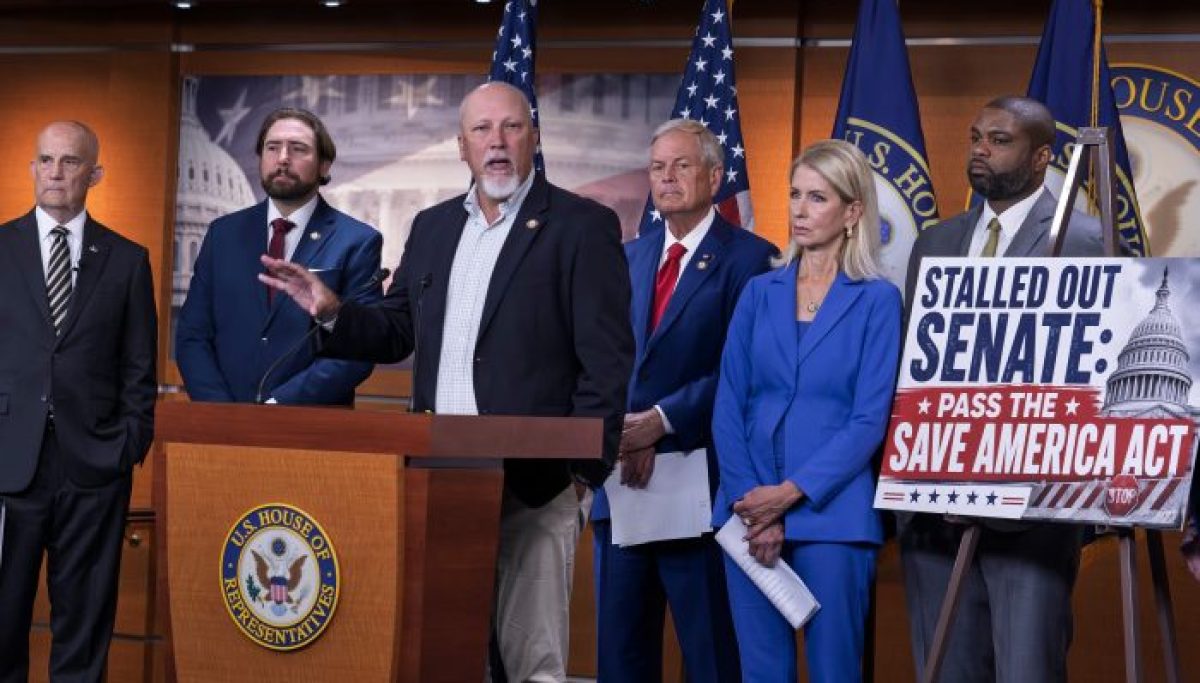
President Donald Trump and Congressional Republicans continue pushing the SAVE America Act as one of the GOP’s top priorities ahead of the November midterm elections, now just three months away.The legislation would require applicants registering to vote in federal elections to provide documentary proof of U.S. citizenship. Republicans argue the measure is needed to prevent noncitizens from registering and voting, while Democrats and voting rights advocates contend existing laws already prohibit noncitizen voting and warn the bill could make voter registration more difficult for eligible Americans, including some married women whose legal names no longer match their birth certificates.A 2023 SSRS survey conducted for the University of Maryland and three voting-rights groups found that 9% of voting-age Americans lack easy access to documents proving their citizenship, such as a passport, birth certificate, or naturalization certificate.Nathaniel Rakich, managing editor of Votebeat, a nonprofit news organization focused on election administration and voting, said the bill could create logistical hurdles for some eligible voters, including rural residents who may have to travel long distances to election offices to present documents in person.“A lot of people in rural America, they live a two-hour drive from their election office or something like that, and so they would have to basically take a day or a half a day to go and register a vote,” Rakich said to the Washington Examiner.The National Association of Counties has warned that the measure would impose new administrative responsibilities on local election officials, including verifying citizenship documents and maintaining voter registration lists, without providing additional federal funding or clearly defined implementation timelines. The group said the changes could require new staffing, systems and administrative processes across counties nationwide.After the SAVE America Act failed to pass, Trump chose not to sign the bipartisan 21st Century ROAD to Housing Act, a landmark housing measure designed to boost the nation’s housing supply. Because he neither signed nor vetoed the bill within the 10-day window, it became law automatically under the Constitution.Trouble in the Senate