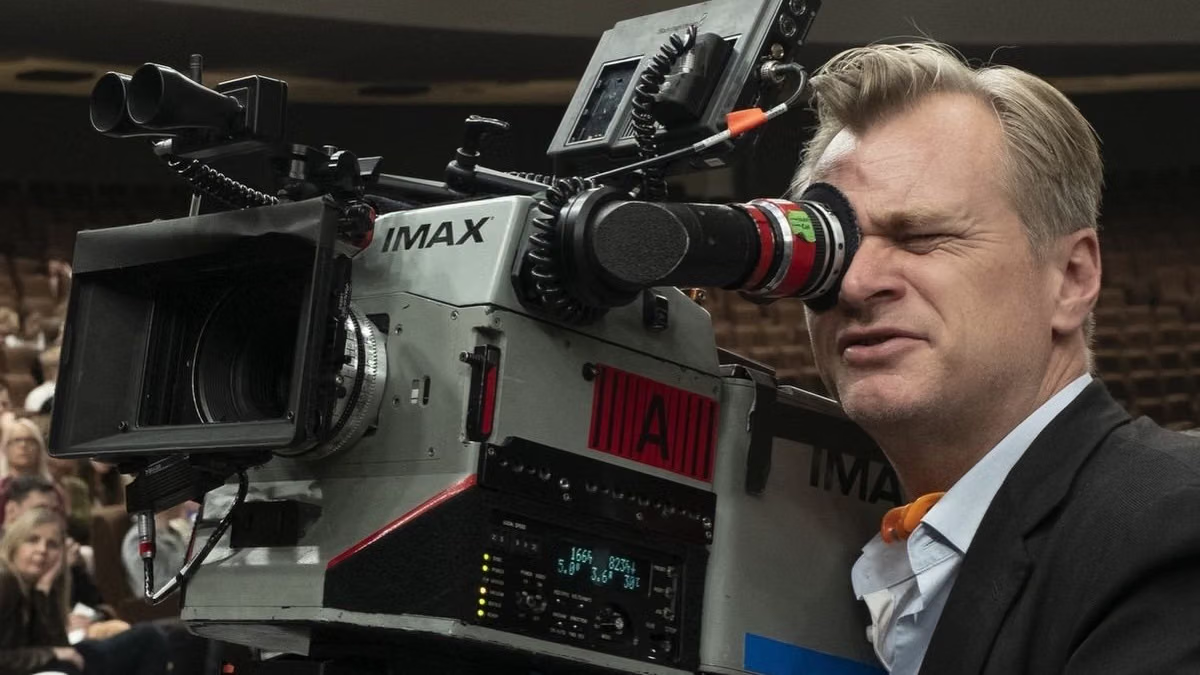
Christopher Nolan’s larger-than-life vision for The Odyssey is ironically restricting people’s enjoyment of it. His obsession with IMAX has undercut one of cinema’s fundamental purposes — making stories accessible to everyone.
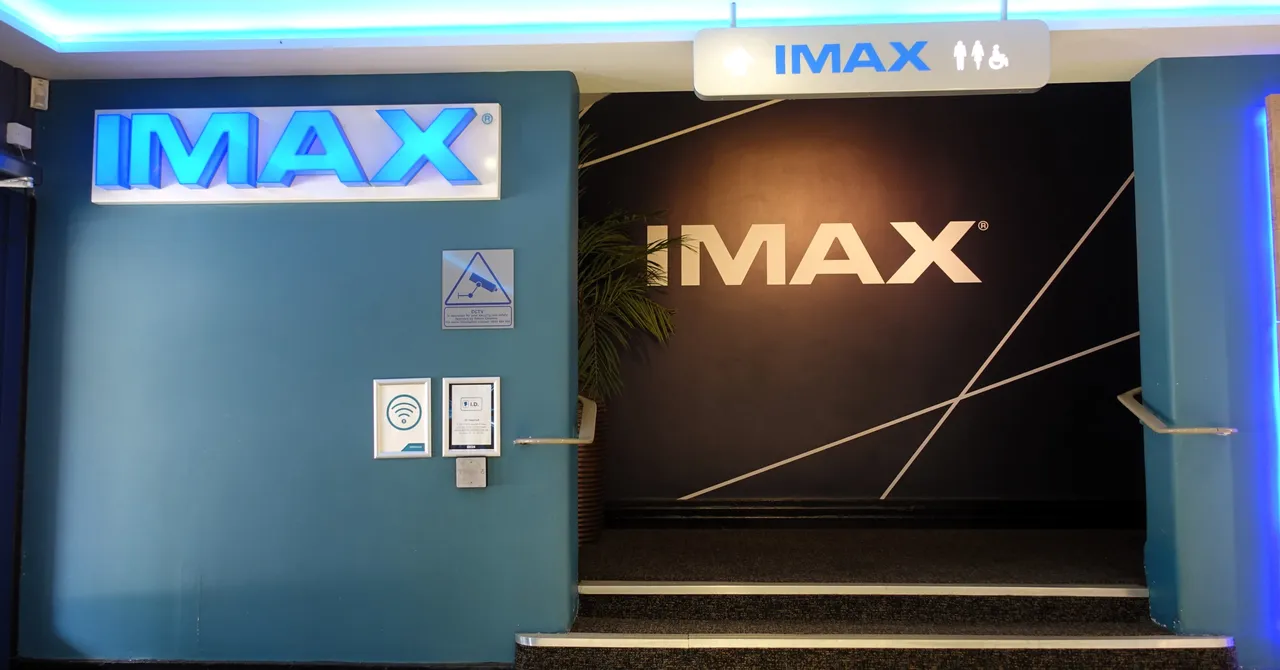
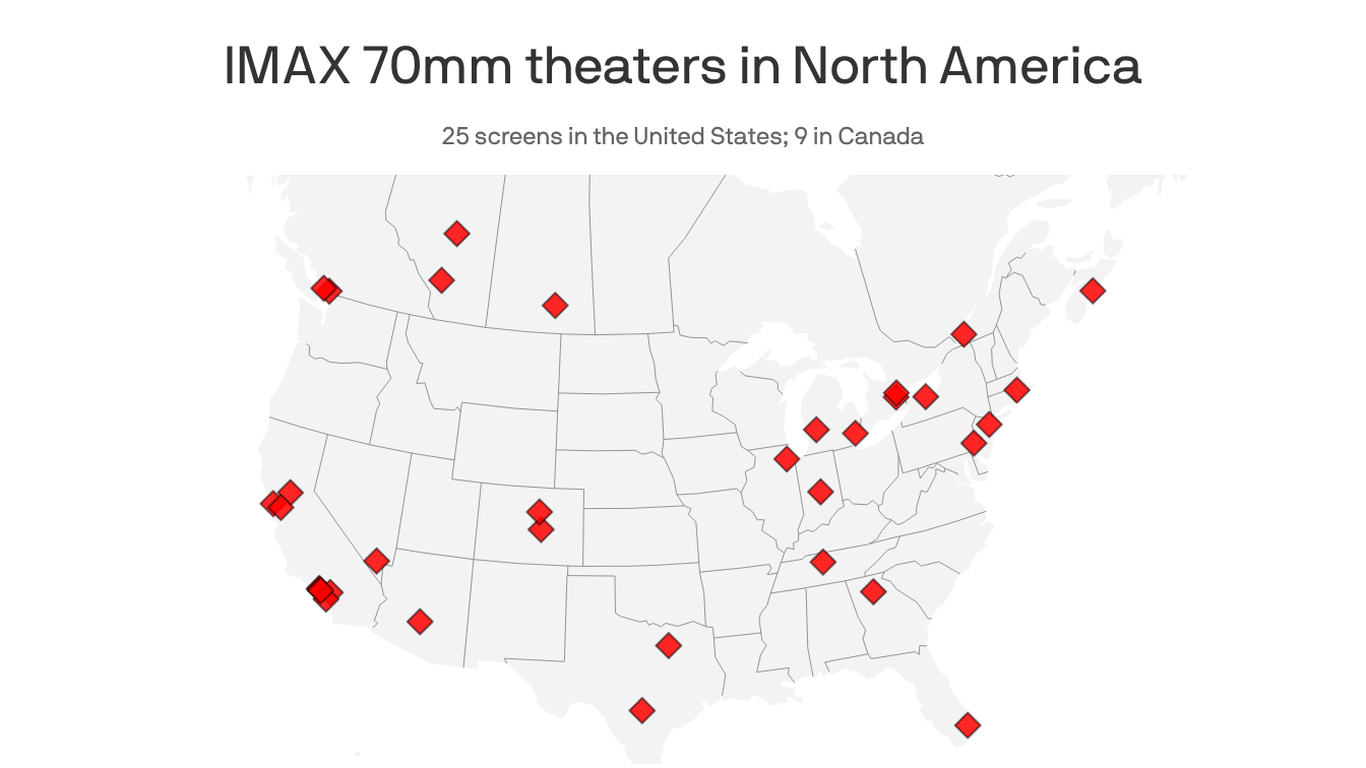
Most audiences watching The Odyssey are forced to see a cropped version of the film because there are only around 40 theatres in the world capable of projecting it in its full 15/70mm IMAX format—and eight of them are in California. In India, there isn’t a single theatre that can present the film in its complete format.Creating a film in a format that most people can never experience as intended is not how an auteur of world cinema should work.
Homer wrote The Odyssey, but the story survived because it was passed down orally for generations before it was documented. The tale of King Odysseus and his warriors became an epic not because it belonged to kings, but because it belonged to everyone. The same story was heard by rulers and common Greeks alike. Literature and art have always erased social divisions by making stories equally available, and that accessibility is precisely why The Odyssey has survived for centuries.Nolan’s The Odyssey, however, reverses that idea. The film becomes “epic” only for those privileged enough to afford a 15/70mm IMAX screening and lucky enough to live near one of the handful of theatres capable of showing it.Nolan has long championed analogue filmmaking and the theatrical experience. But when the ideal version of his film can be seen by only a tiny fraction of the audience, who is The Odyssey actually being made for? The experience he has created is exclusive rather than universal.