At a time when the US military is pummeling Iran with airstrikes and President Donald Trump again threatens to destroy Iranian infrastructure if Tehran doesn’t re-open the Strait of Hormuz, another war is raging much closer to home. But unlike the confrontation in the Middle East, which remains on the front pages, the ongoing battle in America’s own hemisphere is barely raising eyebrows.
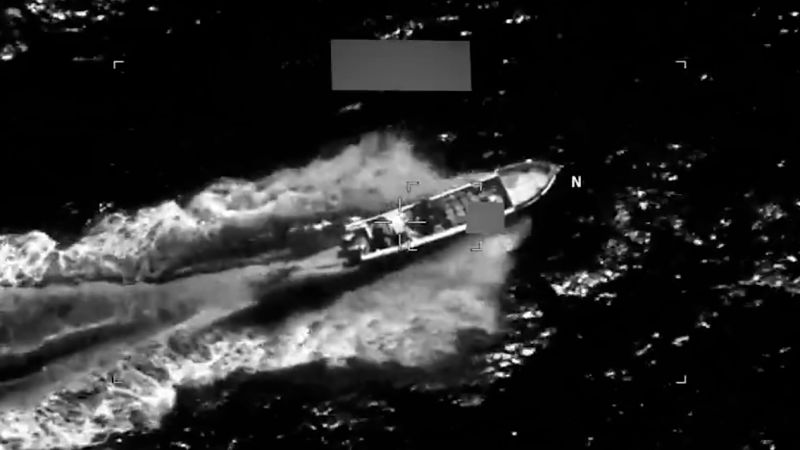
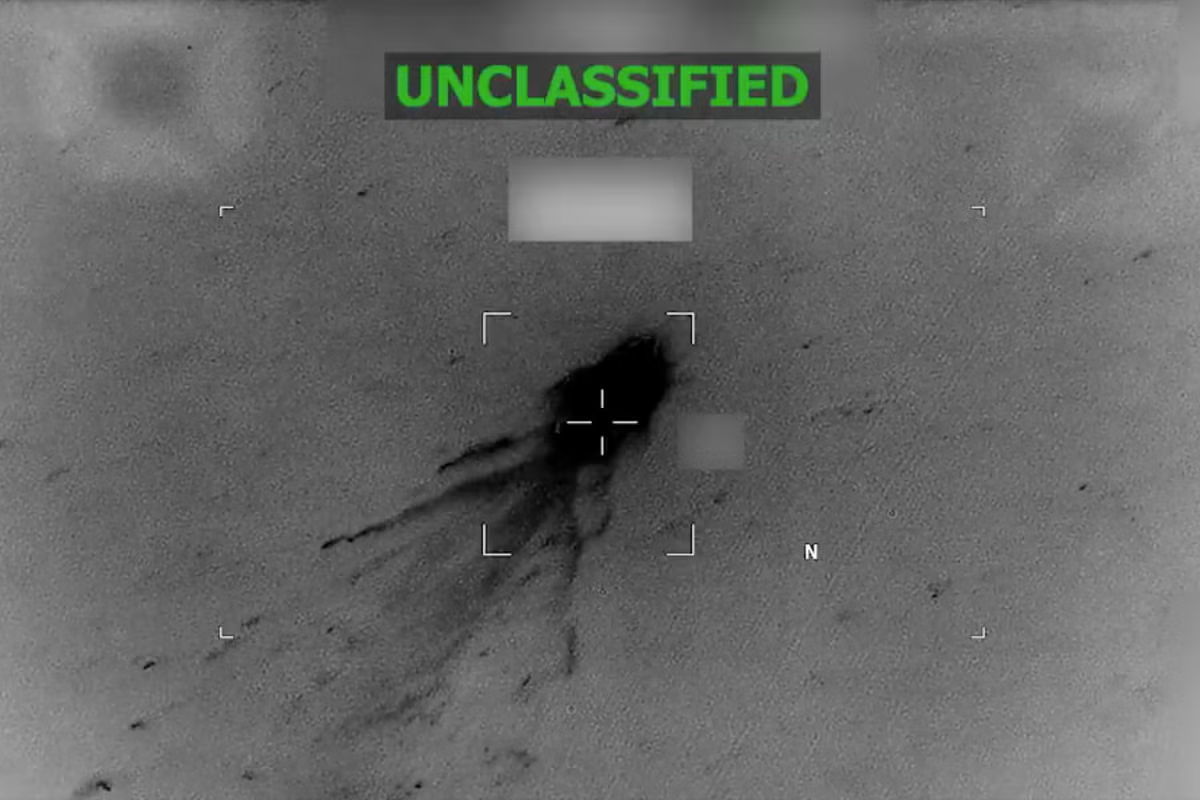
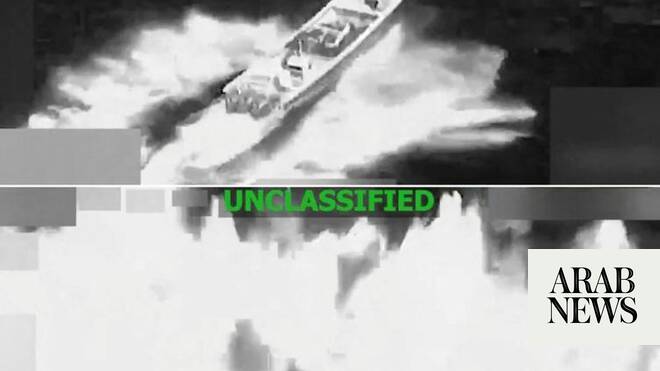
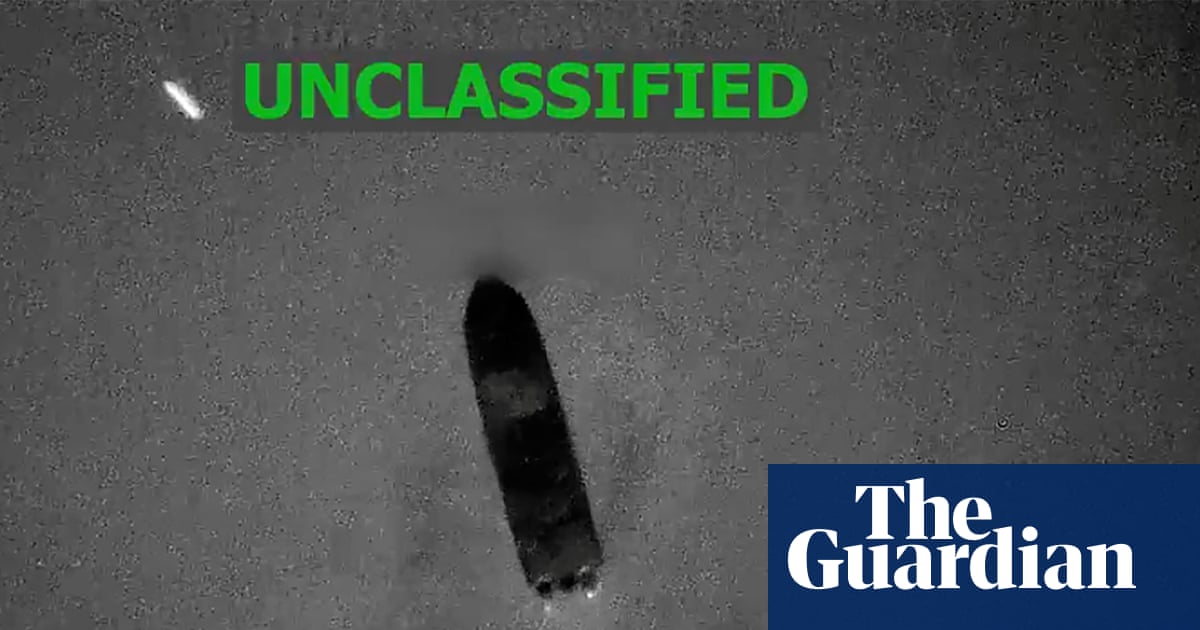
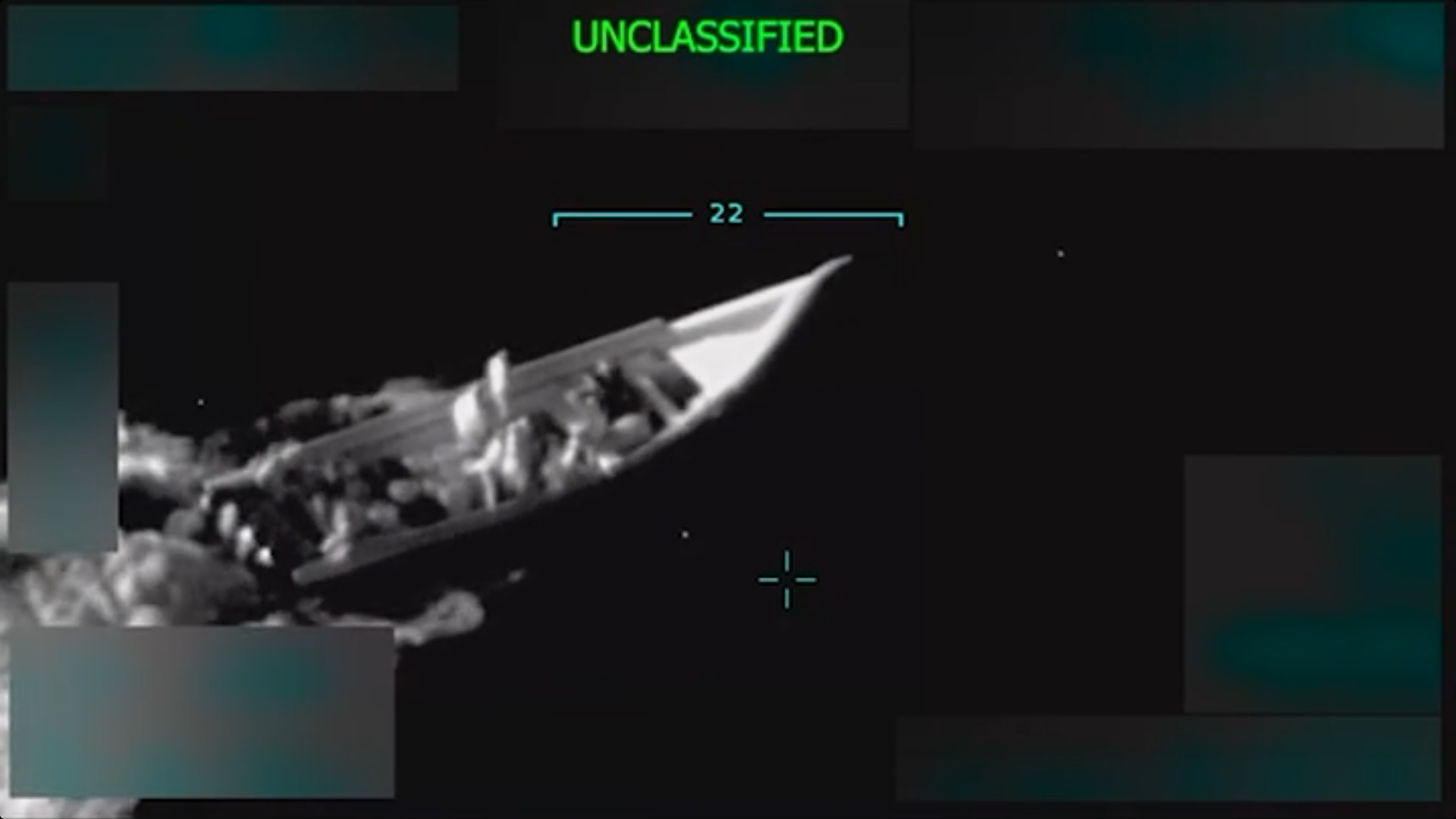
Last November, Defense Secretary Pete Hegseth declared the initiation of Operation Southern Spear, a US military campaign designed to defeat so-called narco-terrorists in the Western Hemisphere. The mission came less than two months after the Pentagon began bombing small boats that were allegedly carrying drugs to the US through the Caribbean Sea and Eastern Pacific Ocean.
The United States has since conducted 66 strikes. Aside from reportedly killing an estimated 221 people in the process, some of whom may not actually be smuggling drugs, the mission has not actually succeeded in its core goals. And it’s using up military manpower and munitions at a time when the US is stretched on both.
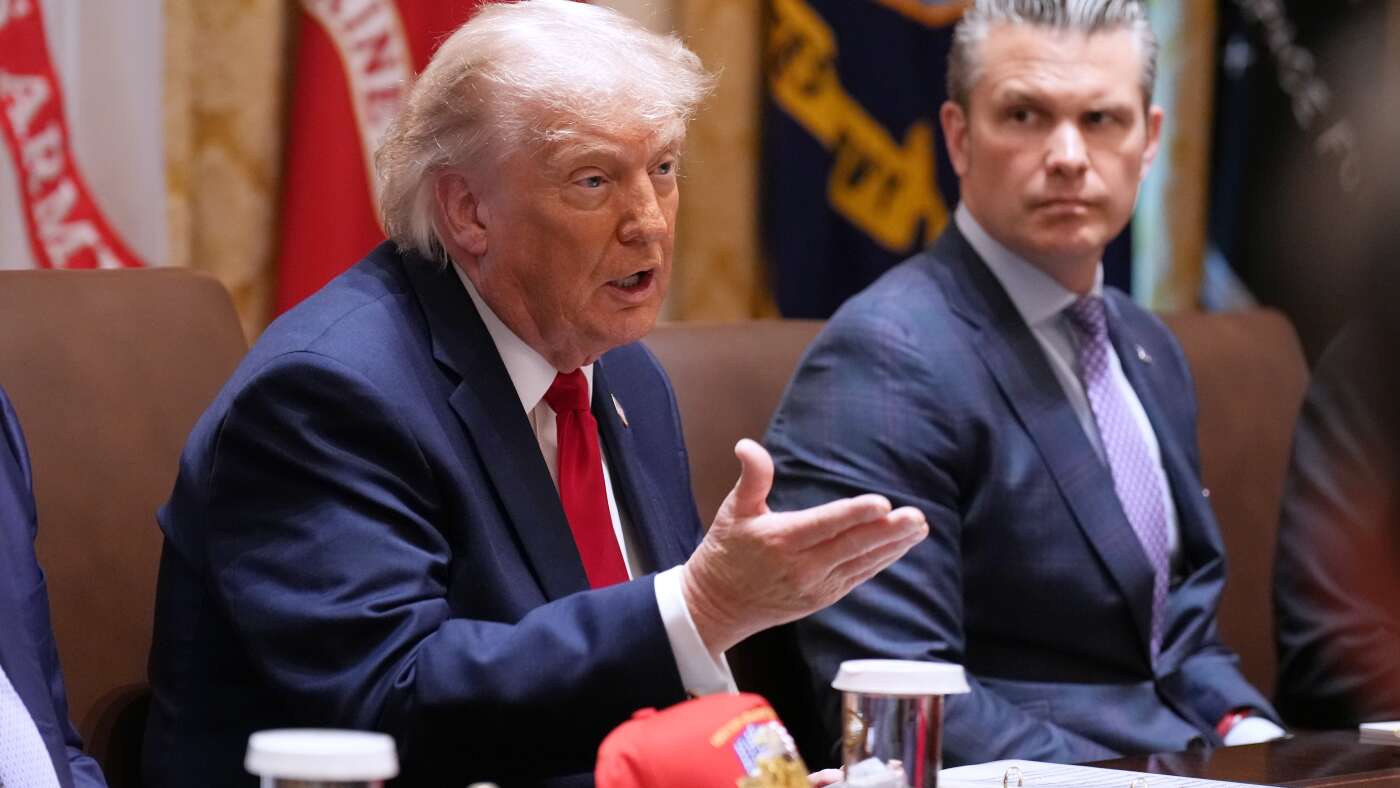
The Trump administration claims the strikes are not only a much-needed reform to the anti-drug policies of the past but a policy change that is hitting Latin America’s criminal organizations where it hurts: in their wallets. In June, Trump boasted about a supposed 97 percent decline in sea-bound drug trafficking. The White House points to the ongoing boat strikes as a visible example of the so-called “Donroe Doctrine,” a play on the 1823 Monroe Doctrine, in which US power is wielded aggressively and unapologetically in America’s exclusive sphere of influence.