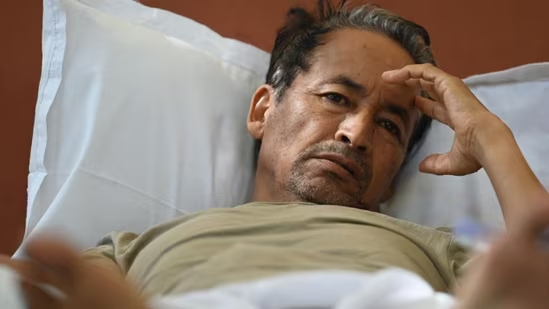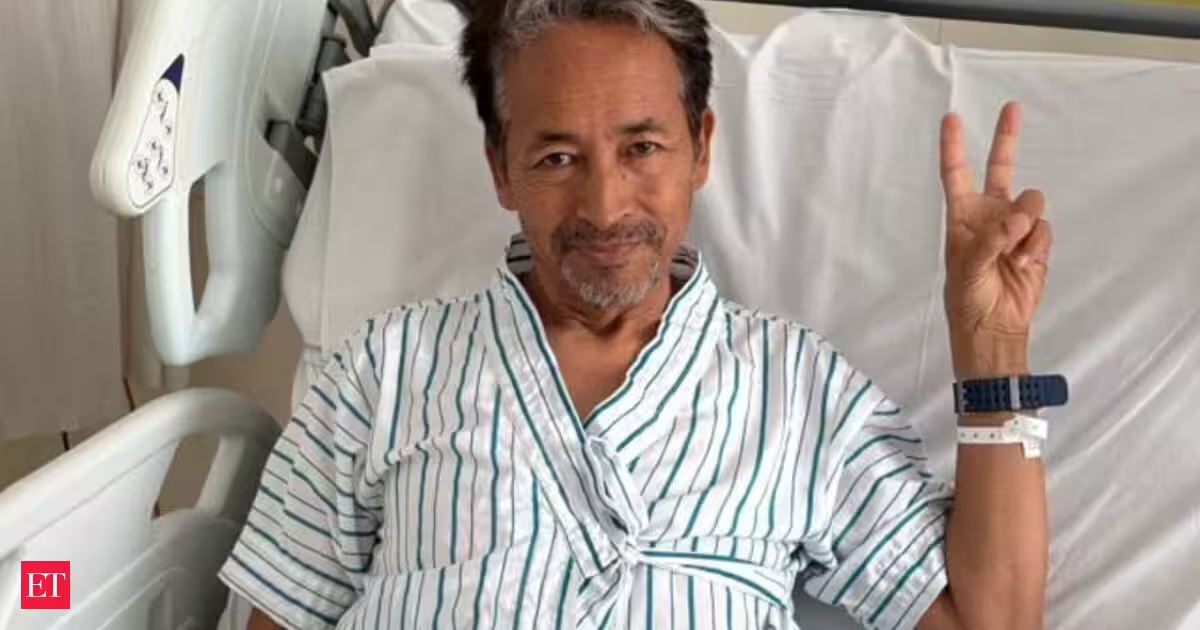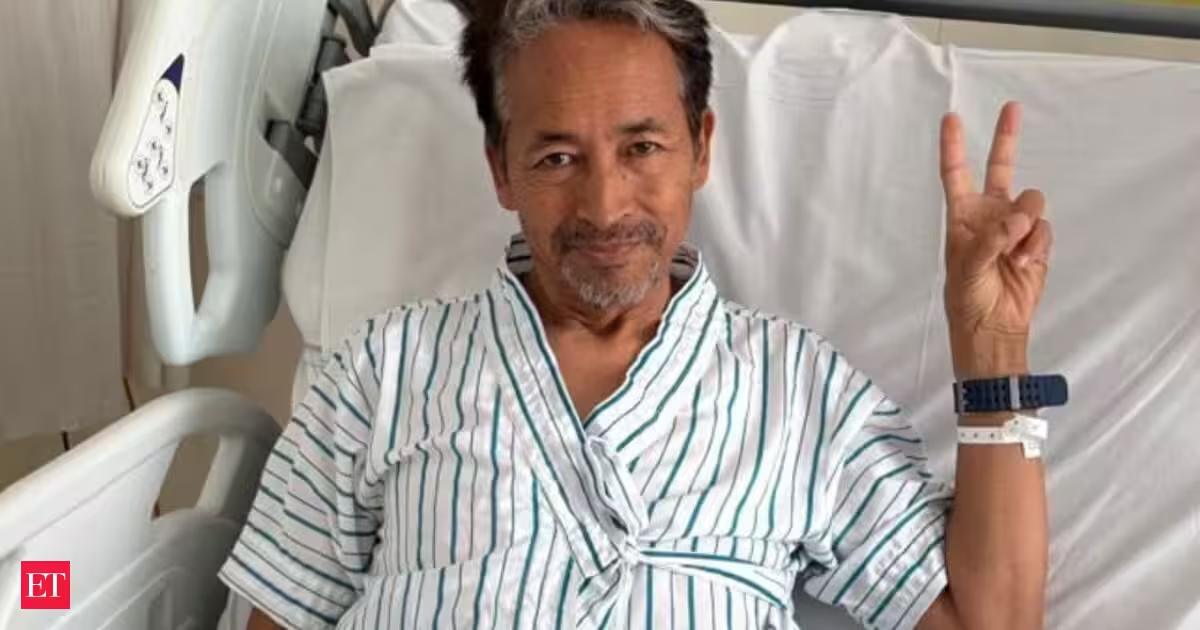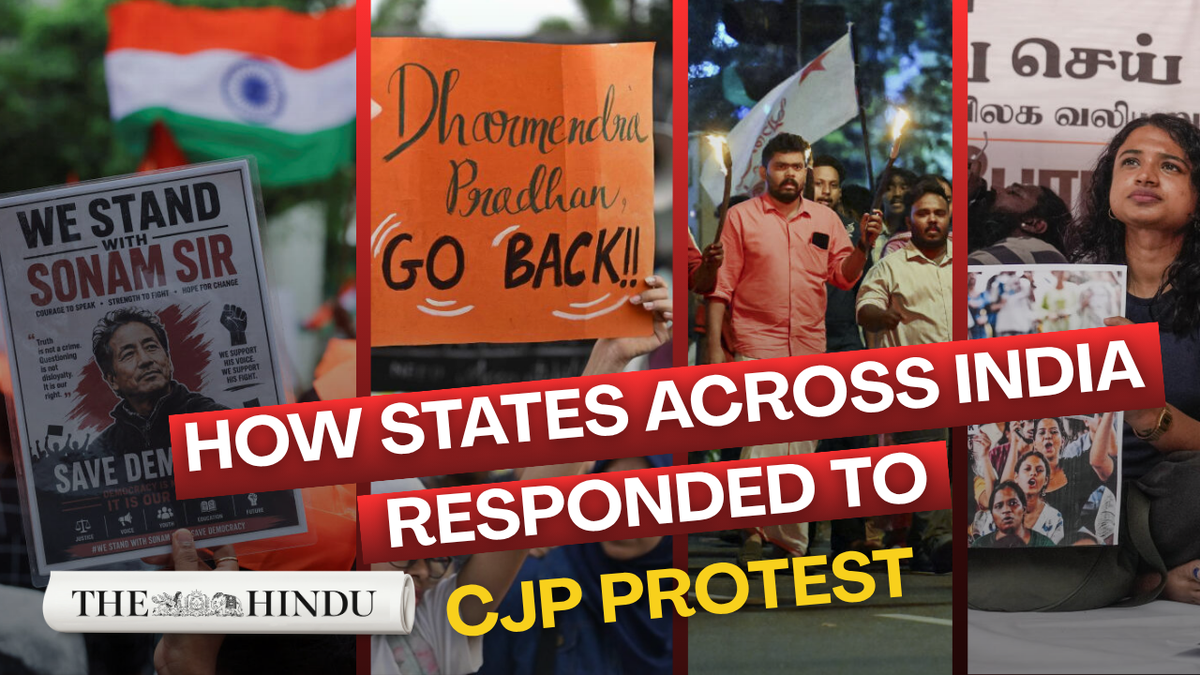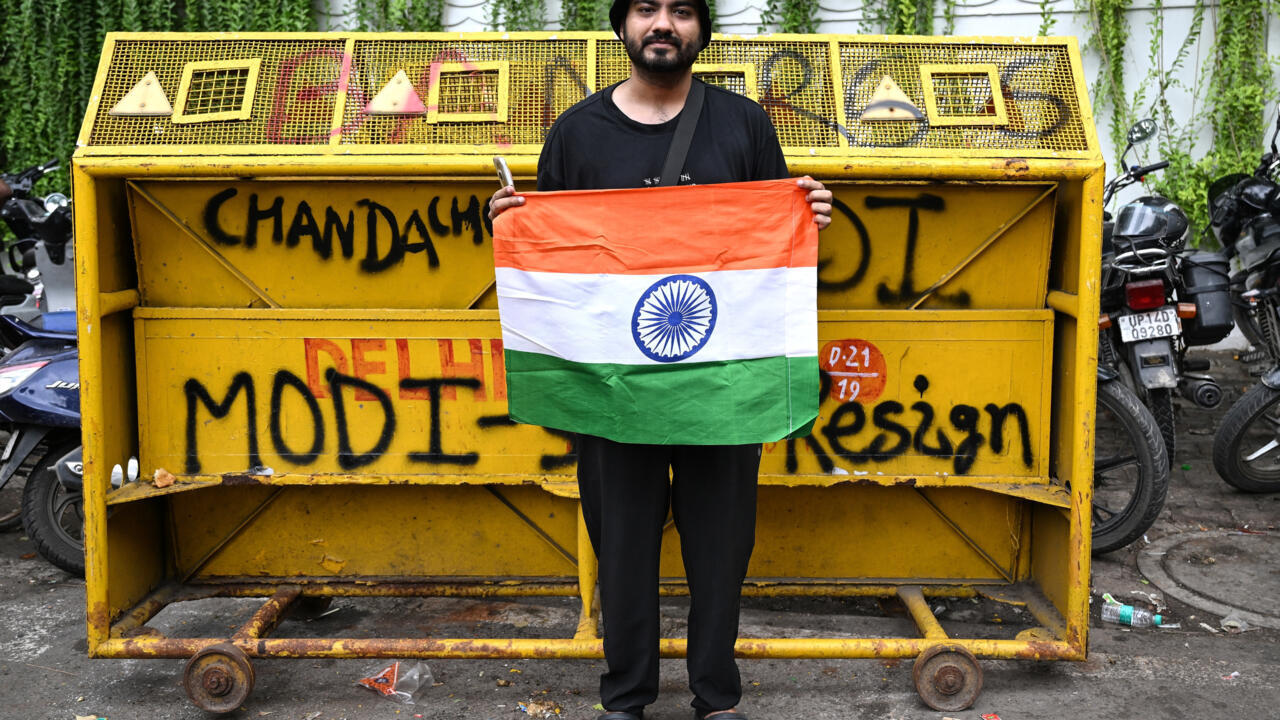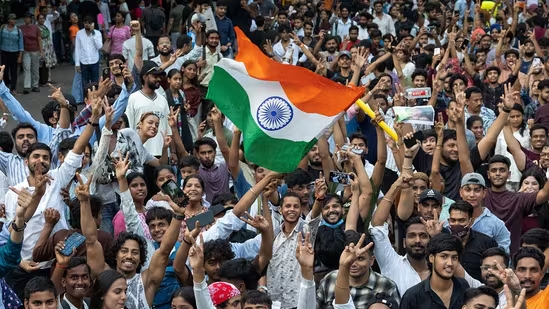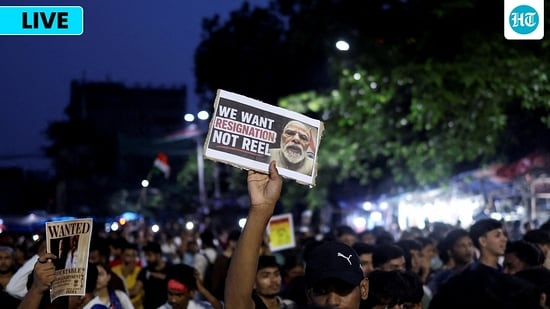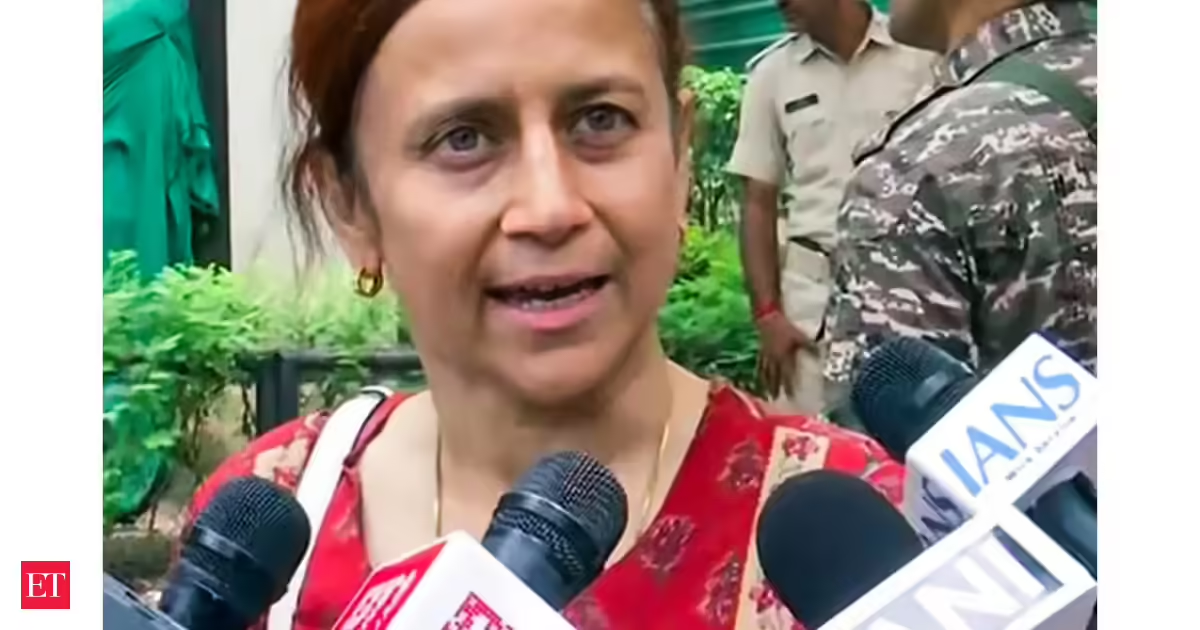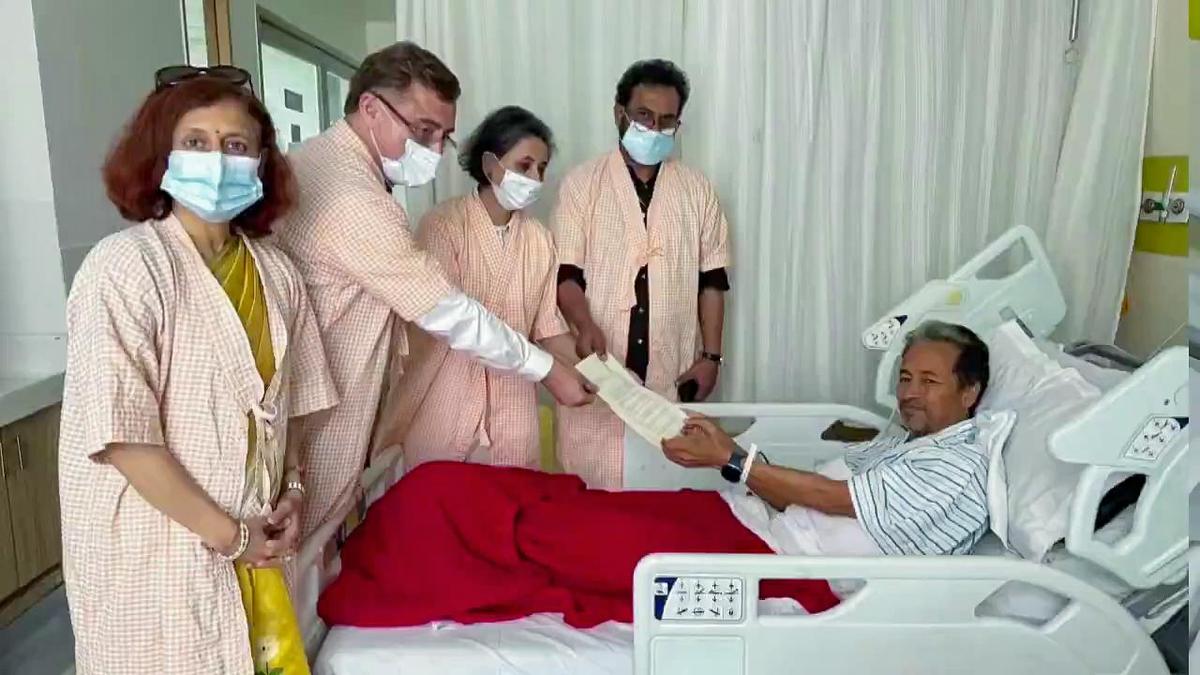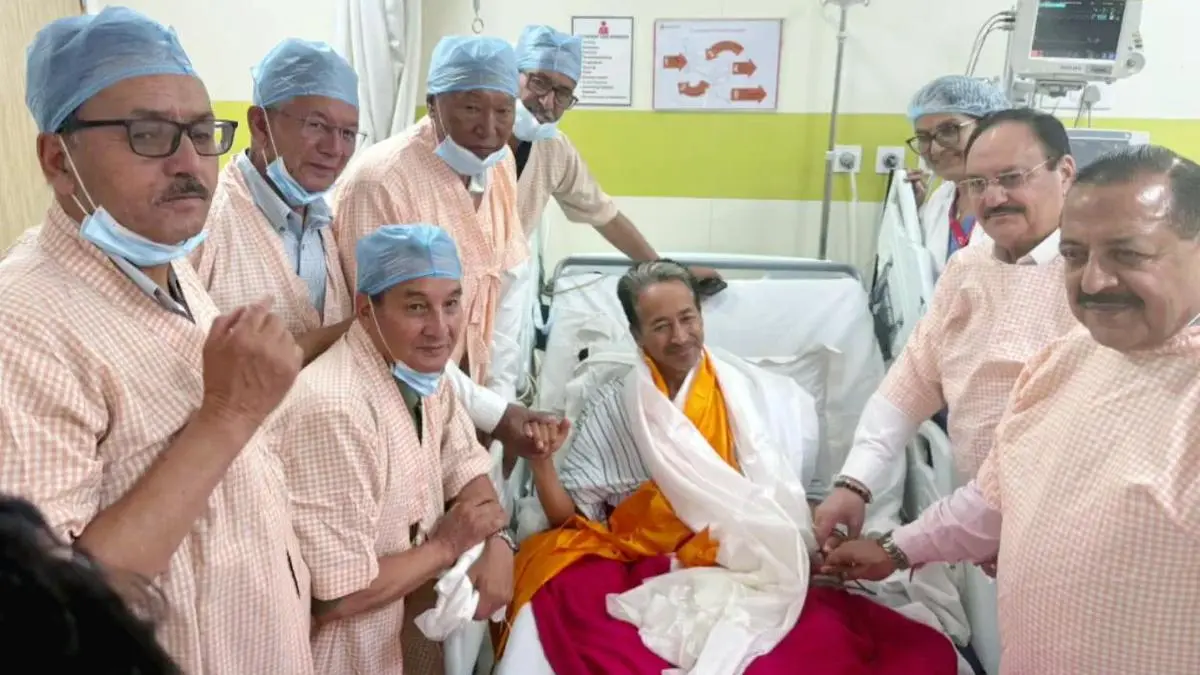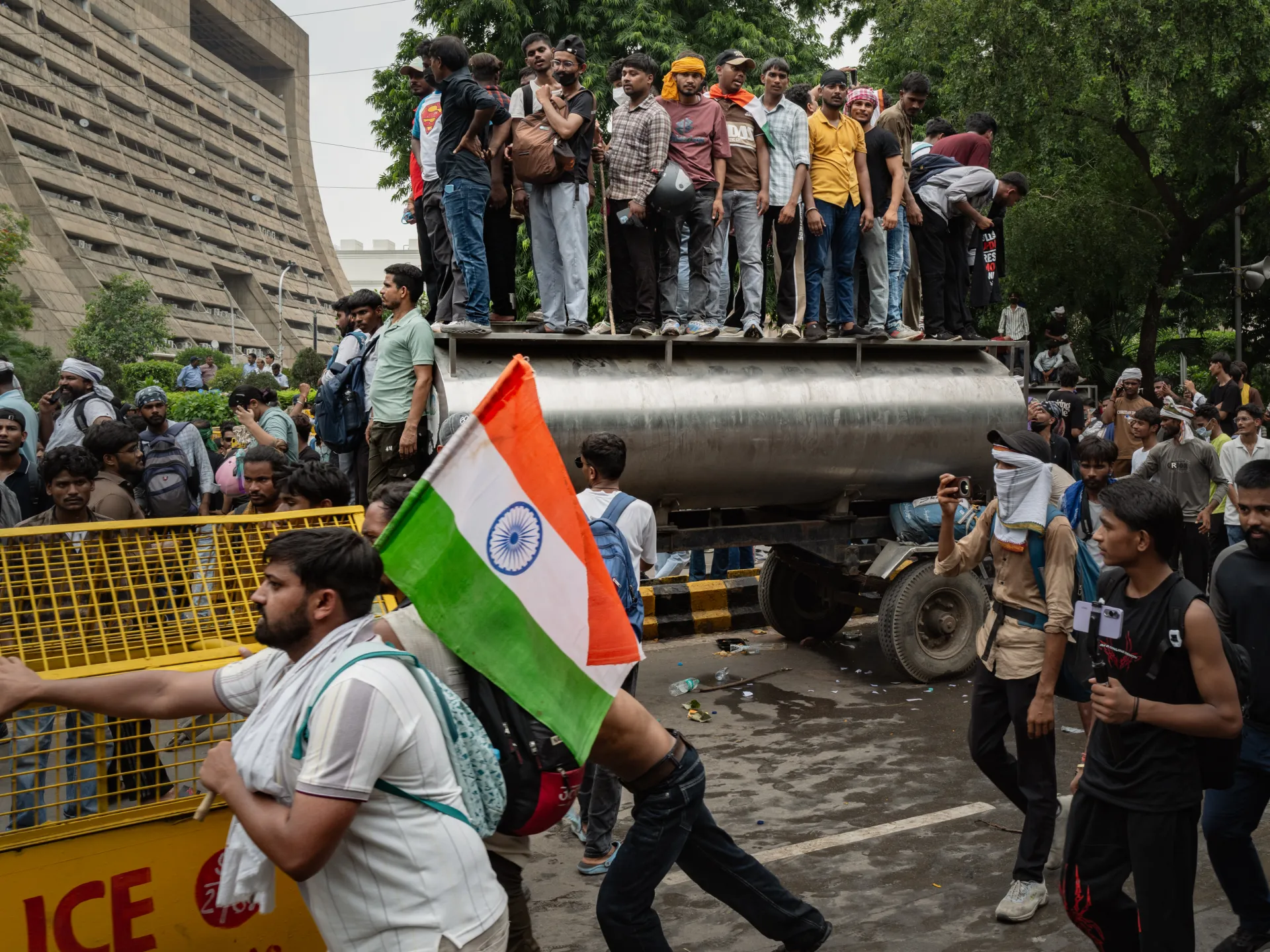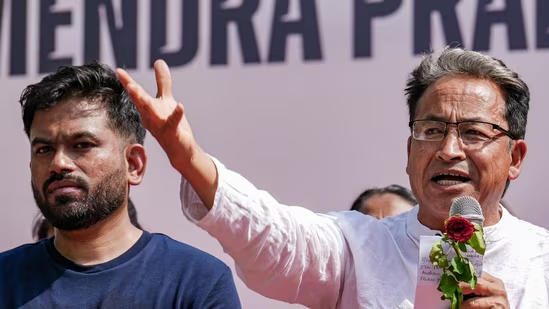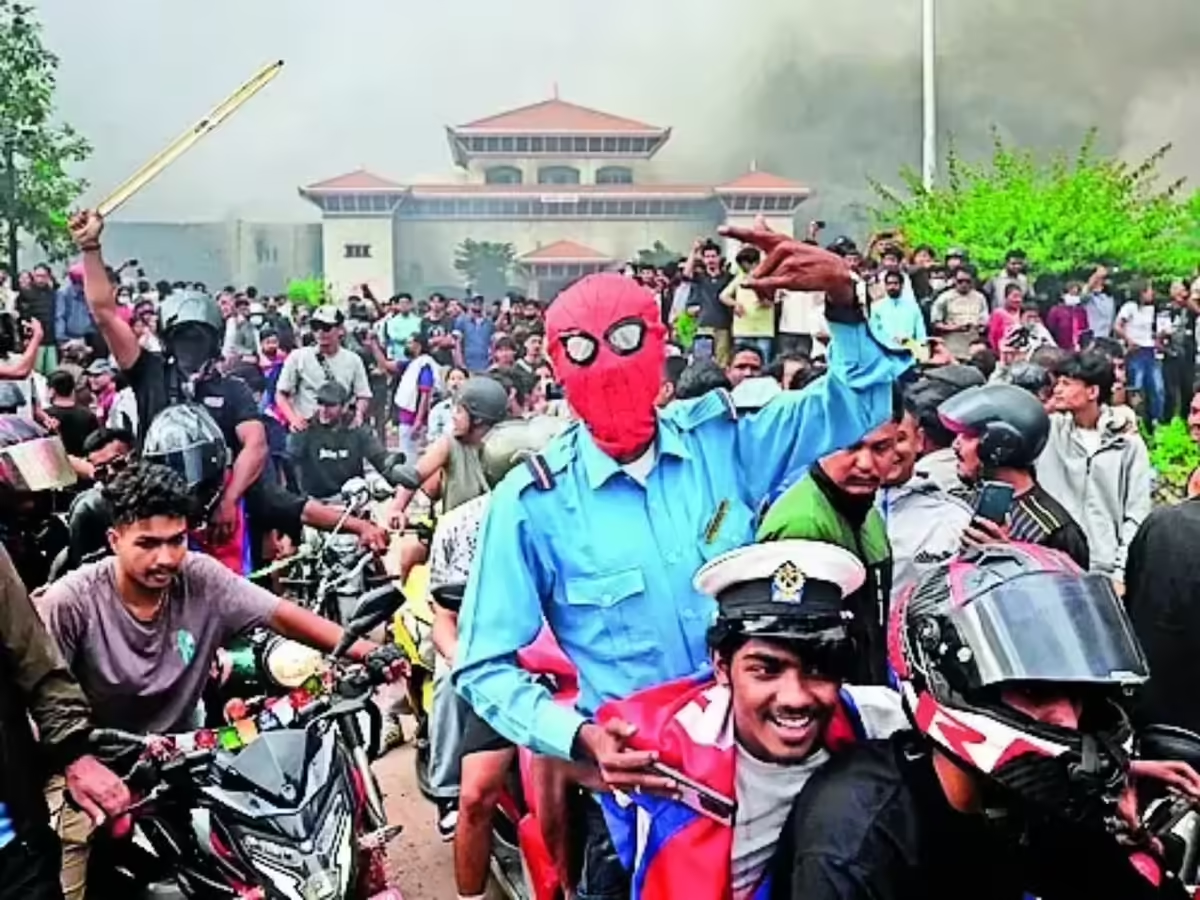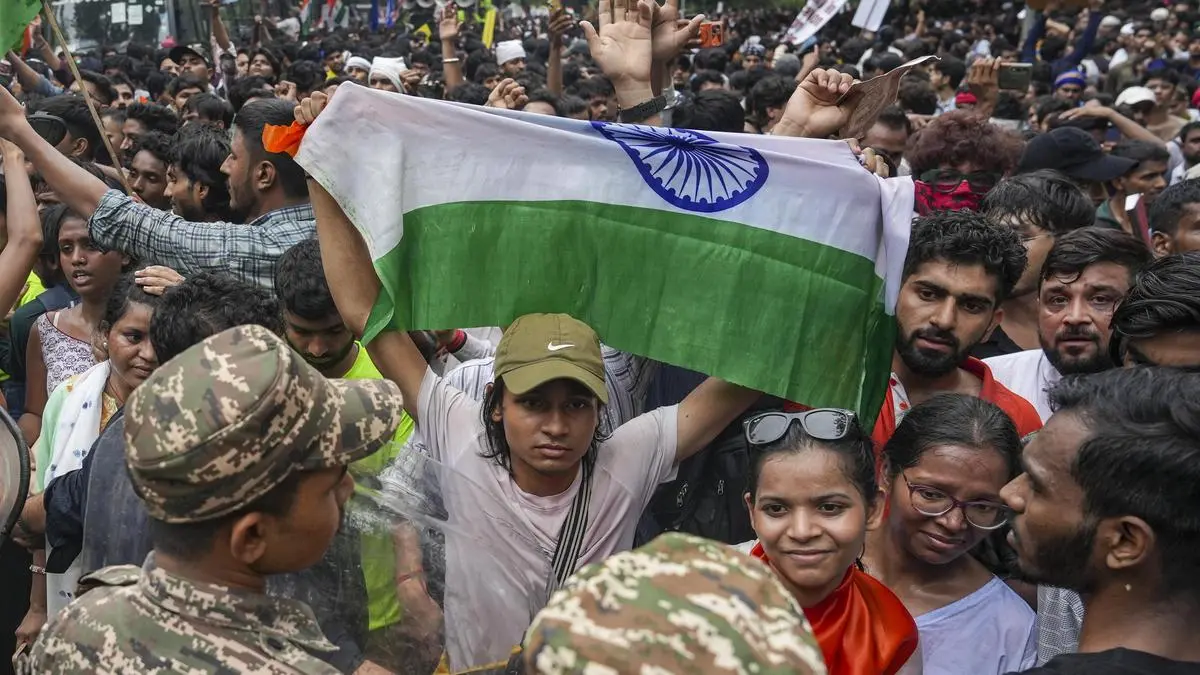
Sonam Wangchuk is a 59-year-old engineer, education reformer and climate activist from Ladakh. He is the son of Sonam Wangyal who was a prominent politician and a former minister in the erstwhile state of Jammu & Kashmir when Ladakh was part of the state.He has a degree in mechanical engineering from Regional Engineering College, Srinagar (now NIT Srinagar) and studied earthen architecture in France. He is known for inventing the ‘Ice Stupa’ method — storing winter water in cone-shaped artificial glaciers for summer use in the high-altitude cold deserts.In 1988, he co-founded the Students’ Educational and Cultural Movement of Ladakh (SECMOL) to make schooling free from the burden of rote learning and make it more fun, practical and culturally relevant for the region.In 2018, he received the Ramon Magsaysay Award, widely considered as Asia’s version of Nobel prize. For years, he was believed to be the inspiration behind the character Phunsukh Wangdu in the film ‘3 Idiots’. But Aamir Khan and the makers of the film have denied any such connection to him and the character.After Ladakh became a Union Territory in 2019, he has become one of the leading voices demanding Ladakh statehood with greater autonomy and Sixth Schedule protections for the union territory, for which he was briefly detained. Then in 2025, he launched a protest along with an indefinite hunger strike for the same cause. He was detained under the National Security Act (NSA) from September 2025 to March 2026 after the protests turned violent.How did the uprising start?The immediate trigger for the protests were the alleged paper leak for the NEET-UG 2026 medical entrance exams that were held on May 3 and the subsequent cancellation of the exam, forcing a retest on June 21.Following the paper leak, an online satirical political movement ‘Cockroach Janata Party’ (CJP) was formed by political strategist Abhijeet Dipke in May due to a controversial comment from the Chief Justice of India Surya Kant and hit the streets on June 6 in various parts of the country demanding accountability and resignation of Union Education Minister Dharmendra Pradhan.Along with the NEET paper leak, the simmering public anger and unrest over the administrative issues in other board exams fuelled the protests nationwide. After the initial isolated protests across the country, CJP regrouped and started an indefinite sit-in protest on June 20 at Jantar Mantar, New Delhi with a group of students and youngsters. The protest appealed to a lot of youngsters and it attracted even greater crowds of paarticipants who joined the protest in Jantar Mantar.Sonam Wangchuk, who in mid-May announced himself as an honorary cockroach when CJP was formed, joined the protests on June 28 in Jantar Mantar and started an indefinite fast. On July 18, police removed Sonam Wangchuk from the protest site and moved him to Safdarjung Hospital as he had falling vital signs and had lost a significant amount of weight. He was later moved to Medanta Hospital on July 21, after the Delhi High Court’s order following an appeal from his wife.On July 20, a planned march to the Parliament was conducted by the protesting students. The students were allegedly lathi-charged by the police and security forces during their march to Parliament. The police have claimed almost 100 personnel are injured by the alleged stone-pelting by the protestors.Here’s a timeline of how the uprising unfolded:What are the main demands of the protestors?The central demand of the CJP is the resignation of Union Education Minister Dharmendra Pradhan for allegedly repeated failures in the integrity of national examinations and several paper leaks. They also seek compensation for affected students and the families of those who died by suicide, in addition to broader reforms to make the exam system more transparent and accountable.Along with these demands, Wangchuk has also tied his long-standing demands for Ladakh: full statehood or a legislature, inclusion under the Sixth Schedule for tribal autonomy and resource protection, stronger environmental safeguards against rapid infrastructure projects, and better local jobs and representation.Who is participating in the agitation?The protest is overwhelmingly youth- and student-led. Specifically, aspirants of competitive exams (NEET and other similar entrance tests) and Gen Z. Additionally, those who have taken the tag of ‘cockroach’ as a mark of defiance following Abhijeet Dipke’s stance are also part of the protests. Student groups, parents of aspirants and some civil-society figures have either joined or expressed solidarity. Opposition politicians are also extending their support.What has been the government’s response so far?The government has been rather stern in its response. The Hindu has reported a ‘brutal lathi charge’ on the protestors during their march to Parliament which ‘didn’t spare women or elderly’ and resulted in several injured and as many as 70 are detained. There are reports of FIRs being filed and restrictions on mobile internet in central Delhi. Preliminary talks have taken place between CJP representatives and Union Minister JP Nadda. So far, no ministerial resignations have been announced.Is this akin to other global youth uprisings like the ones seen in Nepal and Bangladesh recently?There are certain similarities, but they do differ significantly. Similarities include the protests being youth-led, spontaneous and highly digitally driven stemming from a singular issue.The protests in India were spurred by Irregularities in conduct of exams. The protests in Bangladesh in 2024 by students began over a job-quota system which was implemented to favour the loyalists of the ruling-party. The Gen Z uprising in Nepal in September 2025 was sparked by a ban on social media. However, the protests in Bangladesh and Nepal triggered the long-entrenched deep anger over corruption, systemic issues, and unemployment. Both these rapidly turned into calls for regime change. The protests grew nationwide rapidly and quickly turned violent, leading to dozens of deaths and ultimately ended in the resignation of the respective prime ministers.The protests in India, on the contrary, have remained more focused on accountability for issues pertaining to exams and education and statehood for Ladakh. These are demanded largely in non-violent methods through established democratic conventions in the country (Jantar Mantar sit-ins, hunger strike, court petitions, planned Parliament approach). There are no calls to overthrow the government or wholesale regime change. The month-long agitations have stoked national attention and dialogue.Published on July 21, 2026
All you need to know about India’s CJP-led Gen Z protests
Explore the CJP-led Gen Z protests in India, demanding education reforms, statehood for Ladakh, and accountability for exam irregularities.
1,033 words~5 min read