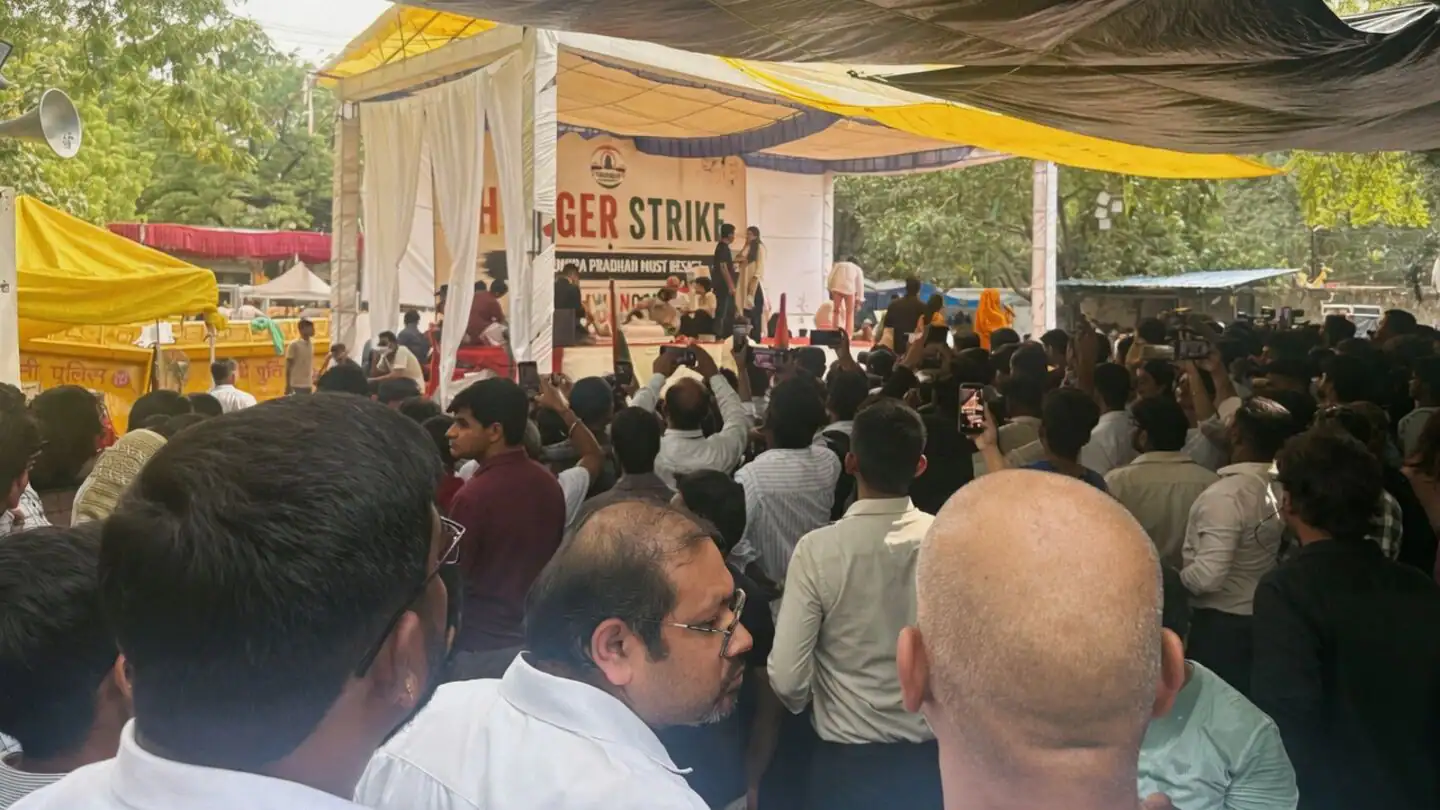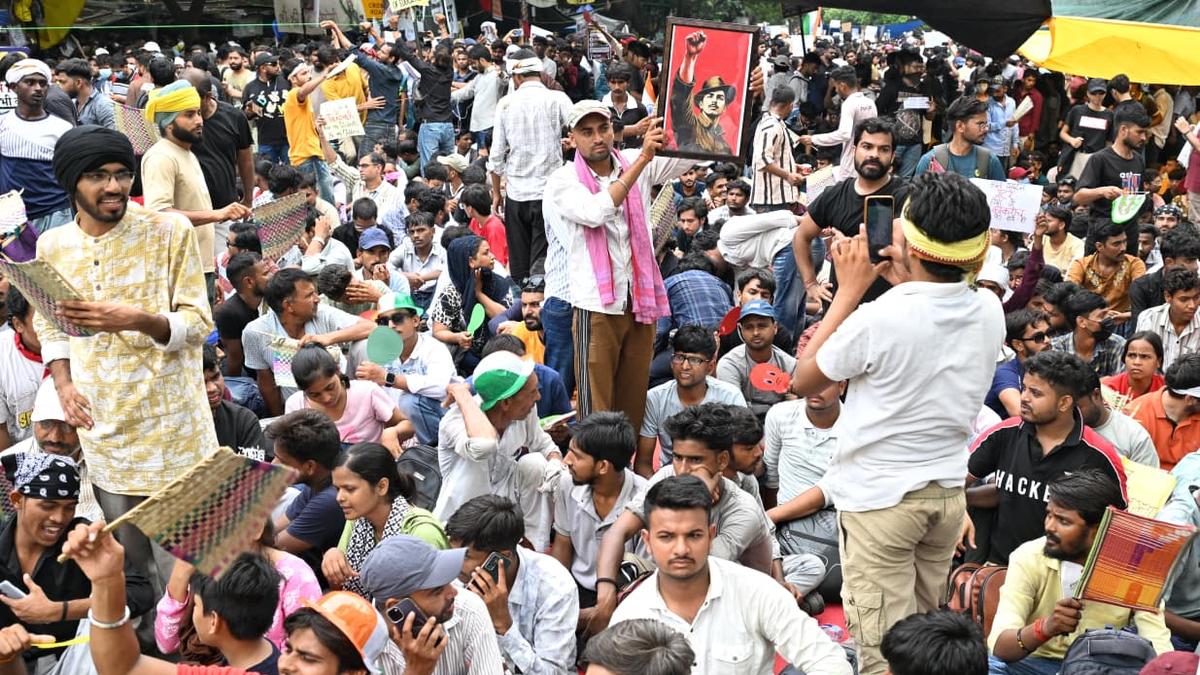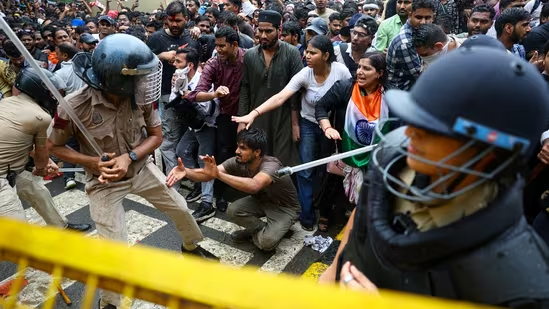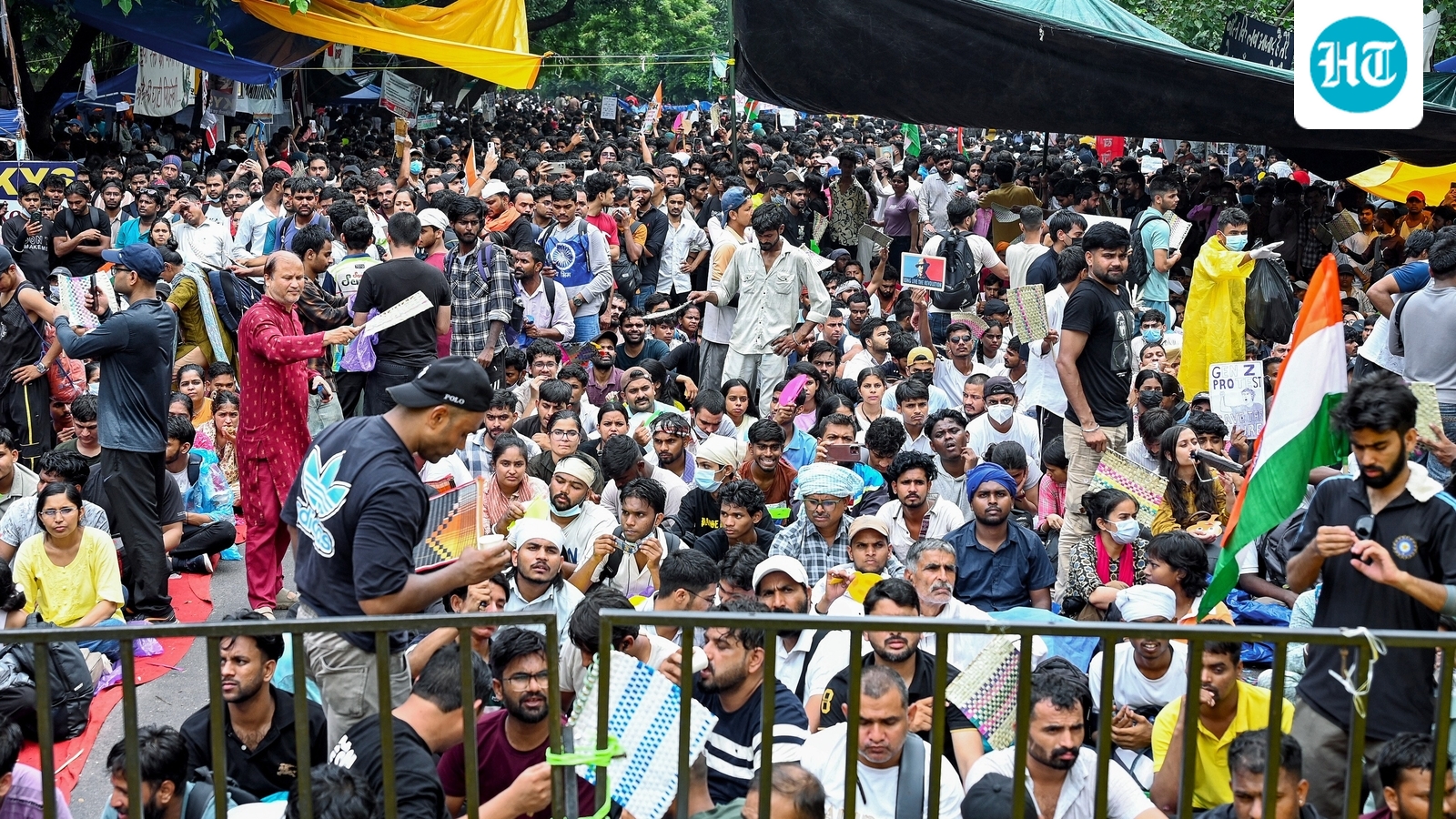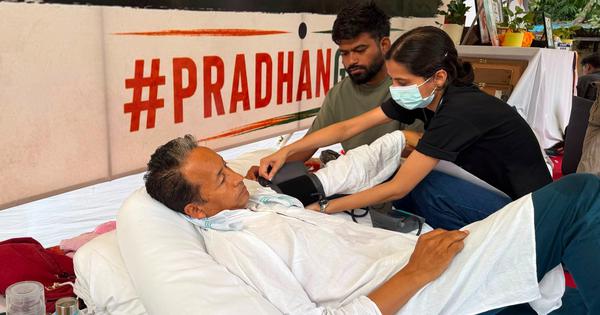
The Uttarakhand High Court on Tuesday criticised the state police for detaining a political activist after he posted on social media that he would join the Cockroach Janta Party’s protest in Delhi, Live Law reported.The state appeared to have engaged in “gundagardi”, or hooliganism, a bench comprising Justices Ravindra Maithani and Siddhartha Sah said.On Sunday, Uttarakhand Parivartan Party chief Prabhat Dhyani was reportedly detained at Rishikesh railway station. A day earlier, he had uploaded a Facebook post expressing support for activist Sonam Wangchuk, who has been on a hunger strike as part of the Cockroach Janta Party’s protest and said he would participate in the march to Parliament. The Cockroach Janta Party is demanding the resignation of Union Education Minister Dharmendra Pradhan over the alleged mismanagement of competitive examinations. On Monday, many protesters attempted to march to Parliament, where security personnel fired tear gas shells at and lathi-charged them.Follow updates on the Cockroach Janta Party protest hereAfter Dhyani’s detention, his associate, Lal Mani, approached the High Court seeking his release.Dhyani was traced to the Ramnagar police station in Nainital and was released within 24 hours. This was conveyed to the High Court on Monday, Bar and Bench reported. On Tuesday, the counsel for the state government sought to justify the activist’s detention by citing Section 172 of the Bharatiya Nagarik Suraksha Sanhita, which requires citizens to obey lawful police directions.However, Maithani asked the counsel for the state which direction Dhyani was said to have disobeyed.“What is the lawful direction [that Dhyani disobeyed], sir?” the judge was quoted as saying by Bar and Bench. “What is the lawful direction to your police officer? ‘You don’t go to Delhi, you don’t go to join the march’.”Maithani questioned whether anyone planning to go to Delhi to take part in the protest could be said to be preparing to be committing a cognisable offence.The counsel for the Uttarakhand government said that orders prohibiting public gatherings are in force in Delhi , and that defying such orders would be a cognisable offence anywhere in the country. The court said that this was a matter for the Delhi Police to look into, not the authorities in Uttarakhand, Bar and Bench reported.The counsel for the state government also cited “national security” and said that such actions were needed to protect the government’s image.The court, however, did not accept this contention. “Are you there to protect the image of the government or the constitutional rights of an individual?” Maithani was quoted as asking by Bar and Bench.Edited by Tanya Shrivastava.
‘Hooliganism’: Uttarakhand HC criticises state for detaining activist who wanted to join CJP protest
Uttarakhand Parivartan Party chief Prabhat Dhyani was detained on July 19 after he posted on Facebook that he intended to join the agitation.
422 words~2 min read