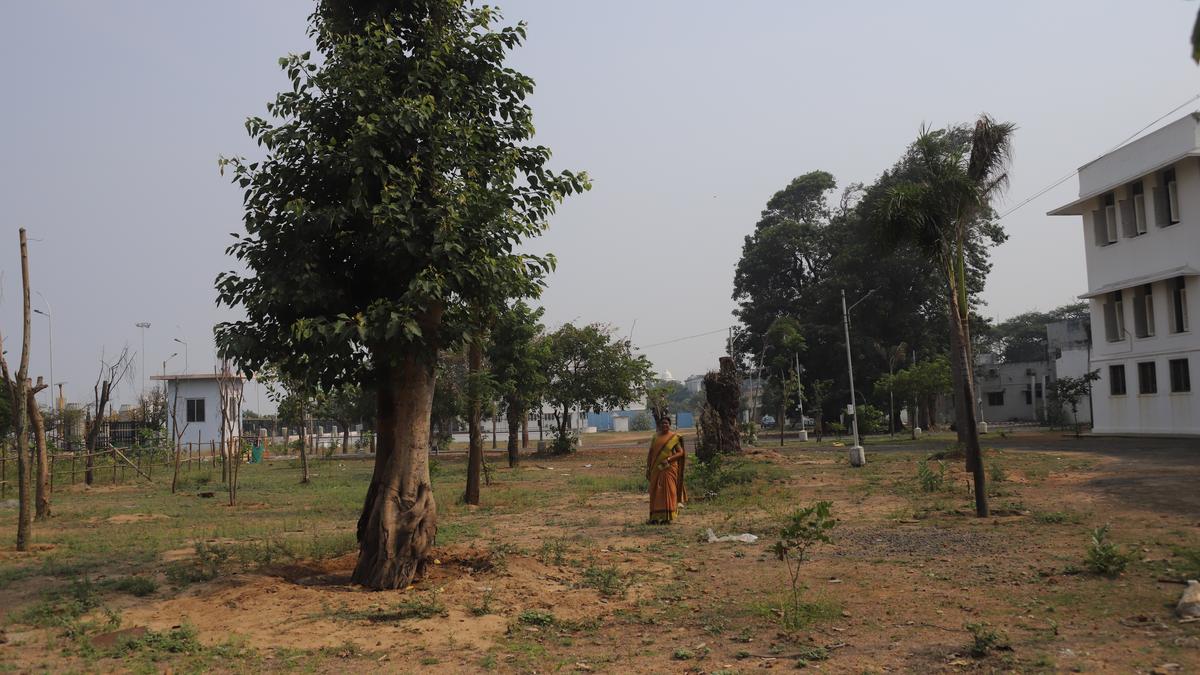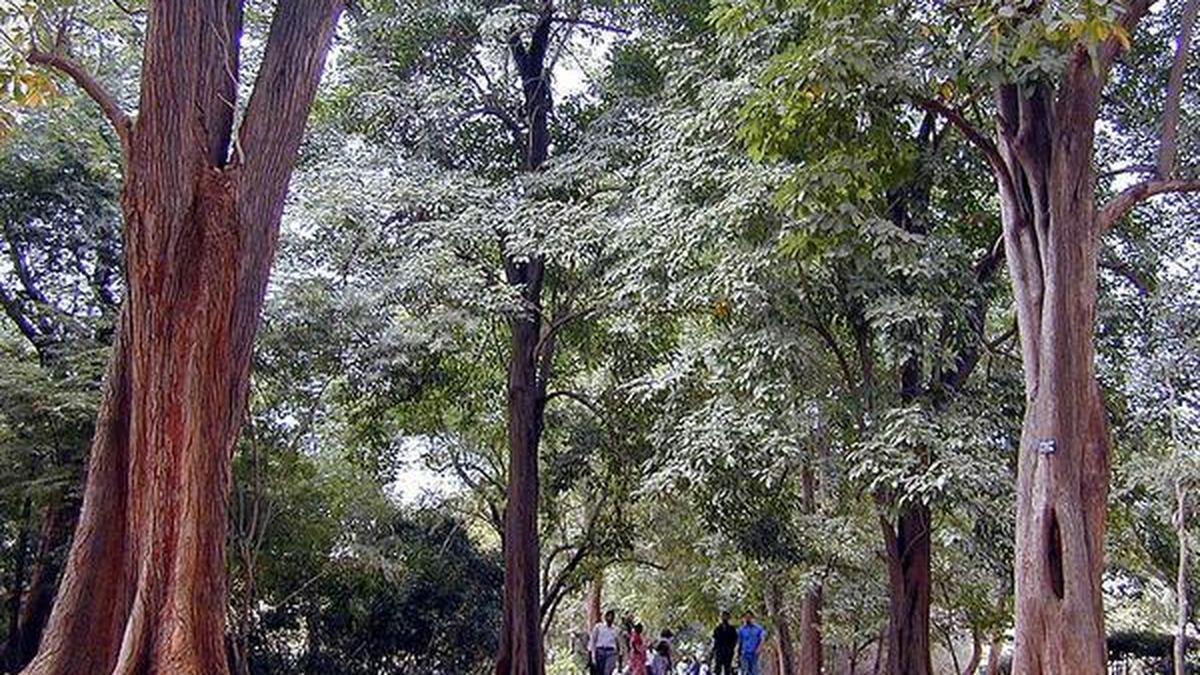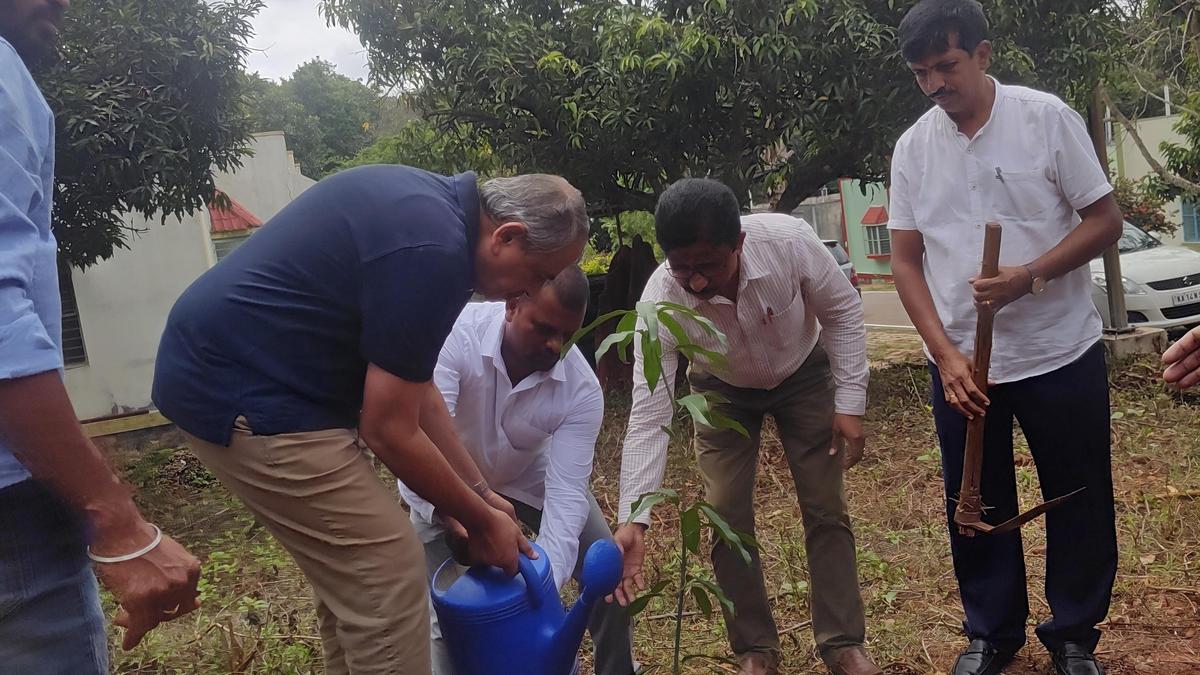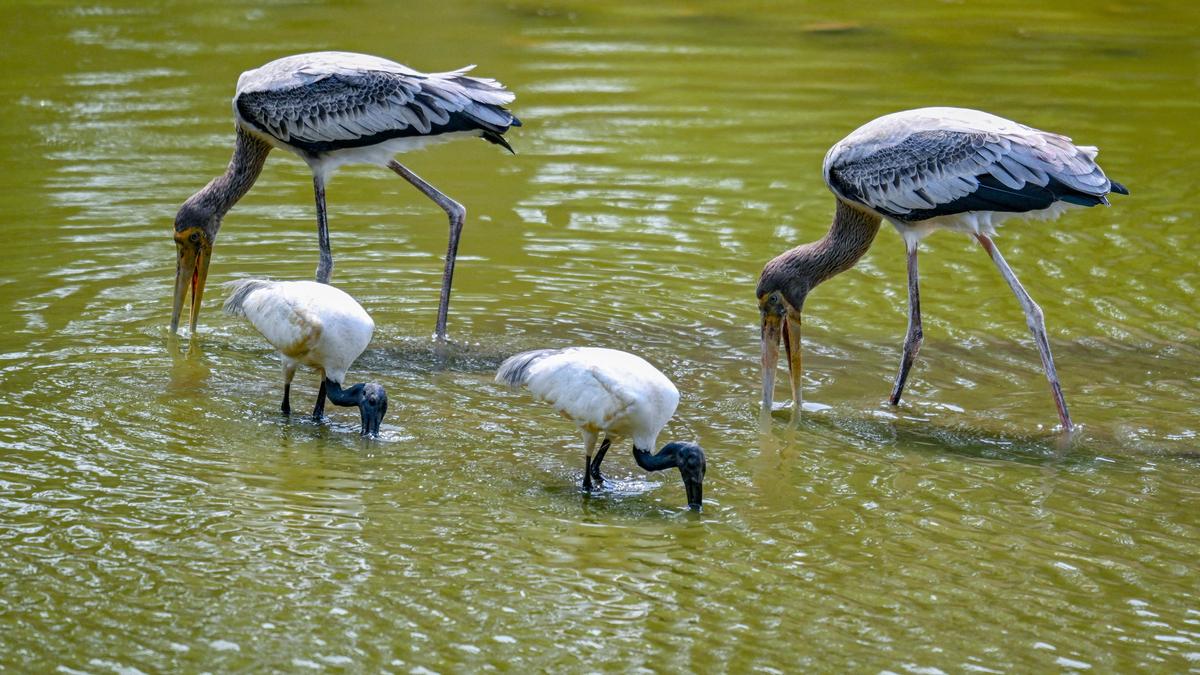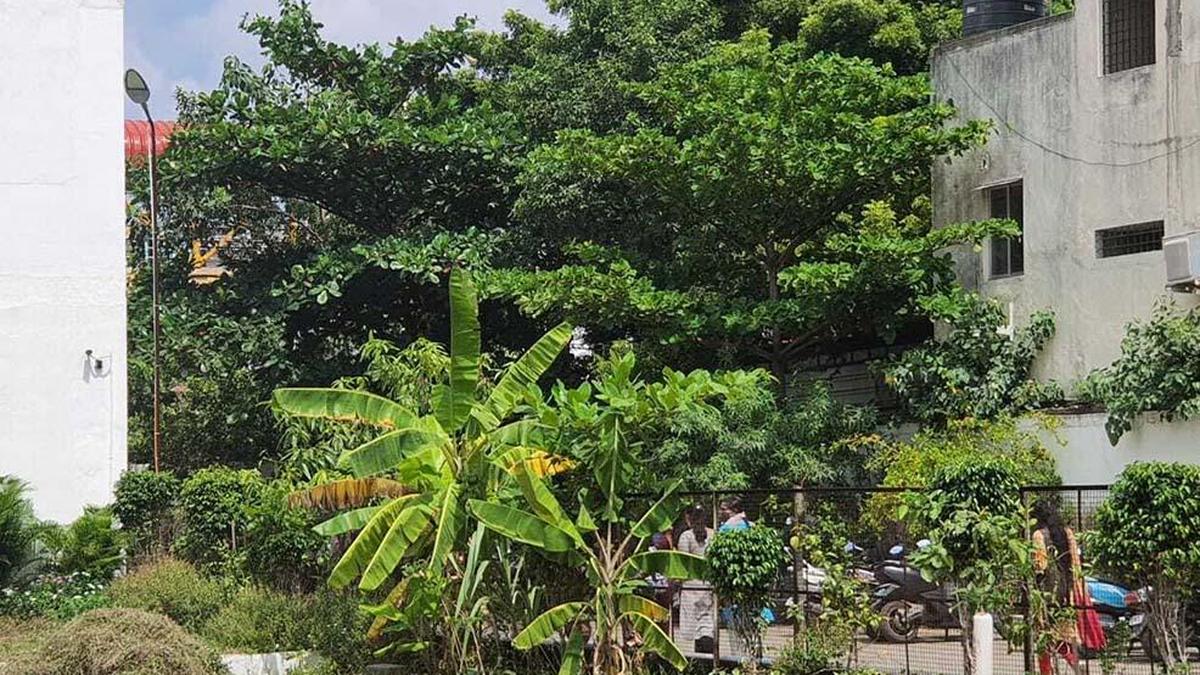
As part of the initiative, the participants will record the plants, animals, fungi and other life forms they encounter on their campuses during organised biodiversity surveys, campus walks or everyday observations, over a year
| Photo Credit: File photo
In an attempt to record the diverse biodiversity within campuses, college and university campuses across India are coming together to discover, document and celebrate the biodiversity found on their campuses by creating Campus Biodiversity Registers (CBRs). The initiative is anchored by the Nature Conservation Foundation (NCF), together with the National Biodiversity Authority, Government of India (NBA). As part of the initiative, the participants will record the plants, animals, fungi and other life forms they encounter on their campuses during organised biodiversity surveys, campus walks or everyday observations.Over the course of a year, participating institutions will document the observations using recognised platforms such as iNaturalist, eBird and SeasonWatch. By the end of the project, each institution will have the information, skills and resources needed to compile its own Campus Biodiversity Register.Critical green spacesAs India’s cities continue to expand, college and university campuses are becoming increasingly important green spaces, a statement from NCF noted.“Many harbour a remarkable diversity of trees, birds, butterflies, insects, reptiles, mammals, fungi and countless other organisms. These campuses often serve as biodiversity hotspots and refuges within urban landscapes, yet surprisingly little is known about the species they support. Without this knowledge, it is difficult to appreciate, conserve and manage these valuable ecosystems,” it added.The observations generated through the project will contribute to global biodiversity databases while also helping institutions better understand and manage their own campuses. The project is inspired by the People’s Biodiversity Register (PBR) initiative, in which the biodiversity of villages, towns and cities is documented.First step to conservation“This is also an opportunity to notice the biodiversity that often goes unnoticed. Geckos on classroom walls, moths around campus lights, ants around us, and countless other organisms that quietly share our campuses,” said Devica Ranade, programme manager, Nature Conservation Foundation.Virendra Tiwari, chairperson, National Biodiversity Authority, noted that for students, documenting the biodiversity will be the first step towards conservation.Registration is open until November 2026. Biodiversity documentation will continue until June 2027. More information about the project is available at https://campusbiodiversity.in Published - July 21, 2026 08:46 pm IST