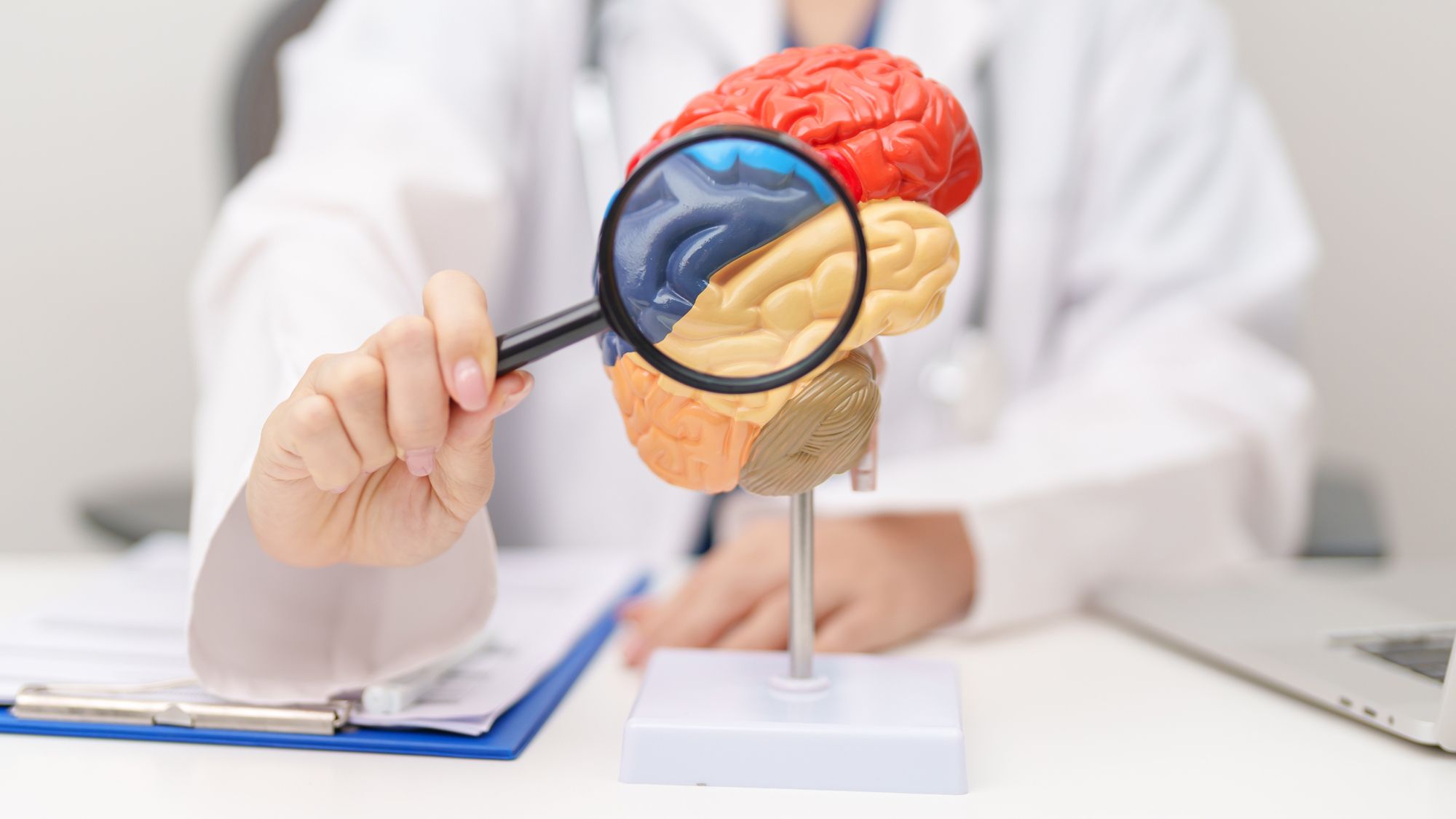
Early symptoms of brain health issues are often subtle. (Pexel) Brain disorders affect everyday life, but the early effects are often subtle enough to be ignored, cautions Dr Nitti Kapoor Kaushal. The brain is the most important organ of the body. It influences all aspects of our lives, from remembering everyday tasks to maintaining emotional and physical health. Thus, regular changes in routine and lifestyle due to issues like memory lapses can signal some issues with the nervous system, according to neurologist Dr Nitti Kapoor Kaushal.Also Read | How to choose between using hot and cold compress? Orthopaedic surgeon Dr Kiran Shete explainsIn an interaction with HT Lifestyle ahead of World Brain Day, July 22, Dr Kapoor Kaushal stated, “Misplacing your keys once in a while is common, but repeatedly forgetting familiar routes, important conversations, or recent events deserves attention.”Persistent memory problems are an early sign of a neurodegenerative condition like Alzheimer’s disease or other forms of dementia. These symptoms develop slowly and are mistaken for normal ageing, cautioned the neurologist.“When forgetfulness begins interfering with work and relationships, then consulting a neurologist is necessary. Early assessment allows doctors to identify reversible causes or detect issues before they progress,” she stated.Behavioural changes can be warning signs of brain healthAccording to the neurologist, not all warning signs for brain health are related to memory. Sudden mood swings, personality changes, poor decision-making, inability to focus or losing interest in something that one used to enjoy are also signs of poor brain health.“Brain disorders impact emotional state and cognition long before their physical symptoms become apparent,” shared Dr Kapoor Kaushal. She went on to share five lifestyle changes that signal mental decline, noting, “Several everyday changes seem minor individually but deserve attention if they persist or worsen.”Persistent forgetfulness is a sign of deteriorating brain health. (Pexel)Lifestyle changes that should not be ignoredPersistent forgetfulness: Frequently missing appointments, repeating questions or forgetting familiar names beyond occasional absent-mindedness.Difficulty finding words: Struggling to complete sentences or follow conversations despite knowing what you want to say.Poor balance or coordination: Frequent stumbling, unexplained falls or difficulty performing routine movements.Sleep disturbances: Ongoing insomnia, excessive daytime sleepiness or acting out dreams which accompany neurological diseases.Reduced focus and problem-solving: Trouble following instructions or completing previously effortless tasks.“These symptoms do not always indicate serious disease, but their persistence warrants professional evaluation,” the doctor pointed out.Simple daily habits to protect the brainWhile not every neurological condition can be prevented, several lifestyle measures help with healthier brain ageing, pointed out Dr Kapoor Kaushal. Some such measures that she shares are presented as follows.A physically active lifestyle enhances blood circulation to the brainA diet that focuses on fruits and vegetables, whole grains, and healthy fats enhances brain function.Quality sleep helps the brain repair and replenish memories.“Staying socially active, challenging the mind through reading or puzzles, controlling blood pressure and diabetes, avoiding smoking and limiting excessive alcohol consumption also reduce the risk of cognitive decline,” stated the neurologist. “Minor, repeated actions pay off big time.”Note to readers: This article is for informational purposes only and not a substitute for professional medical advice. Always seek the advice of your doctor with any questions about a medical condition.Dr Nitti Kapoor Kaushal, MBBS, MD, DM, is a consultant in the department of Neurology at Manipal Hospital, Patiala. has more than 10 years of experience, and her areas of expertise include the treatment of stroke, epilepsy, Parkinson's disease, headache, dementia, neuroinfections, movement disorders, neuromuscular disorders, Botox therapy, EEG, nerve conduction studies, VEP, BAER, RNST, and performing EMGs.Debapriya Bhattacharya is a Content Producer at Hindustan Times. He started his career in 2022, working in newsrooms in beats like education, US news, trending stories, and entertainment. In his new role in the lifestyle desk, he seeks to deliver a balanced blend of research-driven reporting and creative storytelling from health and recipes to art and culture. Science, philosophy, food and pop culture are what pump his veins and help bring heart to his stories. Debapriya tries to see out subjects that will allow him and readers to explore new frontiers and improve the quality of life for all. The explorations can be both external and internal, as thoughts seek to be as chaotic as the greater universe. As a citizen of the world, Debapriya has been fascinated by the lives of people across the globe throughout time. His curiosity leads him to explore new linguistic and cultural landscapes to broaden his horizons and deepen his understanding of global narratives. Beyond the newsroom, Debapriya loves to participate in debate and theatre, spaces that he considers to be holy grounds for nuance and self-expression. A graduate from Ashutosh College, University of Calcutta, Debapriya completed his Master's degree from the same university in 2022. An ambiverted bibliophile, he loves his solitude as much as he adores stimulating conversations. And despite his reverence for tech, libraries continue to be his favourite place for research.Read MoreAlzheimer's DiseaseHealthBrain DisorderCatch every big hit, every wicket with Crick-it, a one stop destination for Live Scores, Match Stats, Quizzes, Polls & much more. Explore now!.Catch your daily dose of Fashion, Taylor Swift, Health, Festivals, Travel, Relationship, Recipe and all the other Latest Lifestyle News on Hindustan Times Website and APPs.See Less
Neurologist Dr Nitti Kapoor Kaushal shares 5 everyday changes that can signal poor brain health ahead of World Brain Day
Brain disorders affect everyday life, but the early effects are often subtle enough to be ignored, cautions Dr Nitti Kapoor Kaushal. | Health
867 words~4 min read