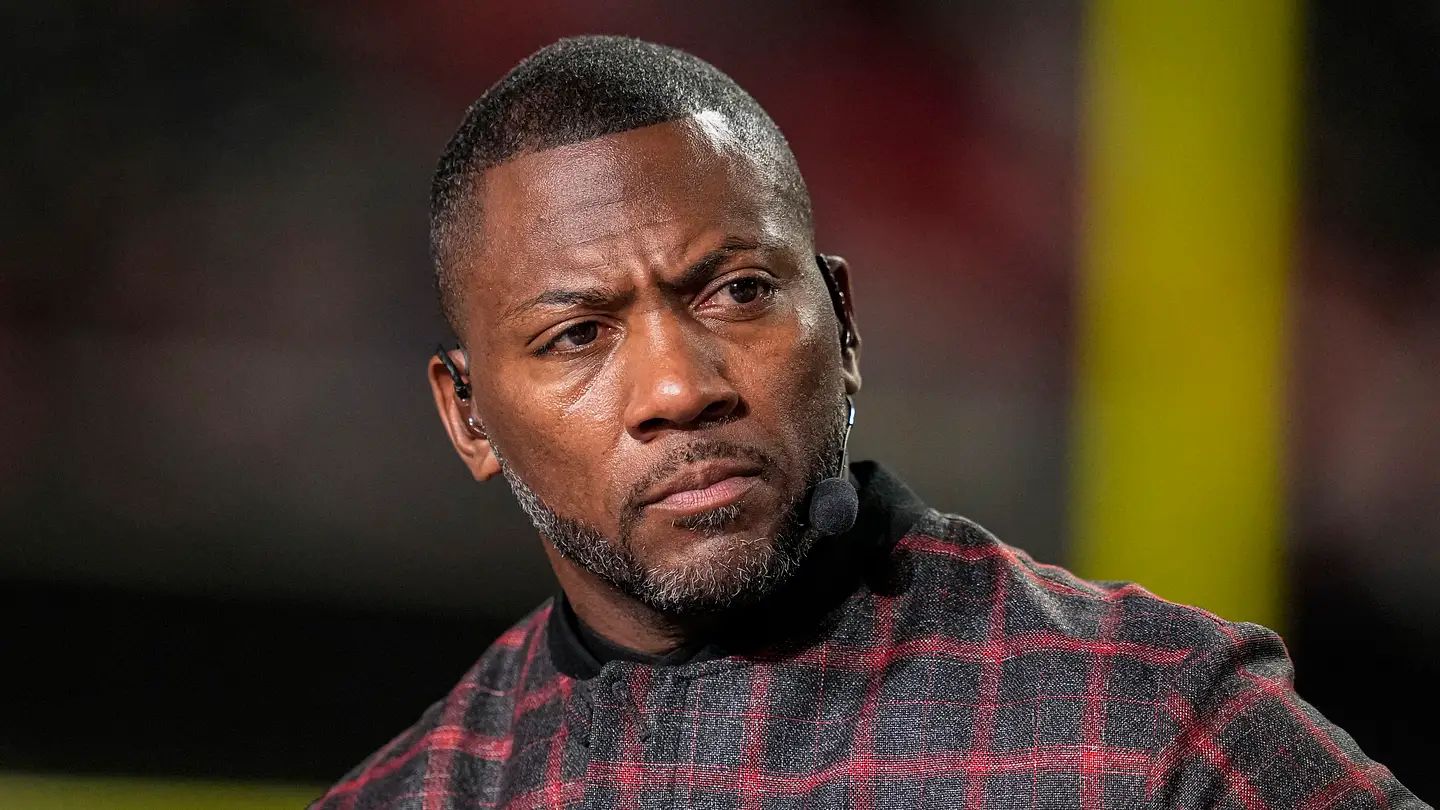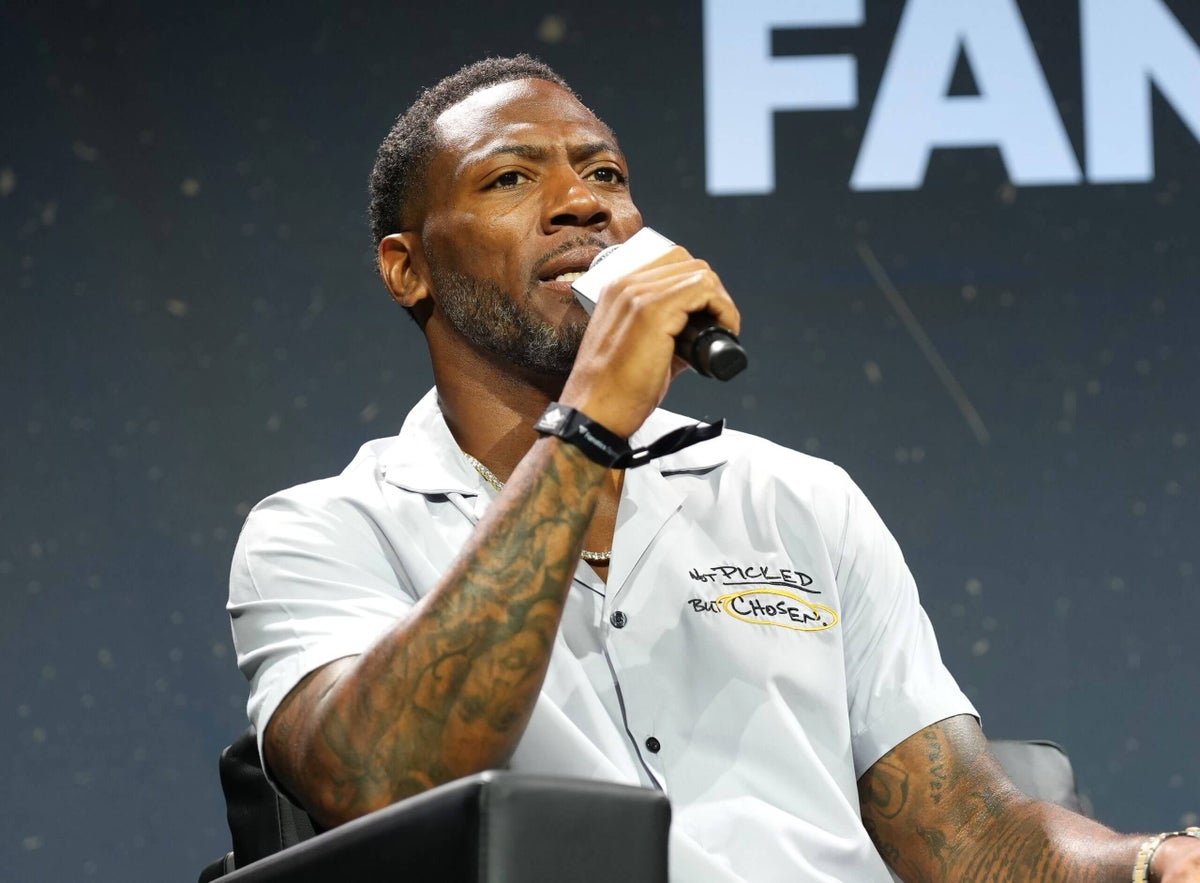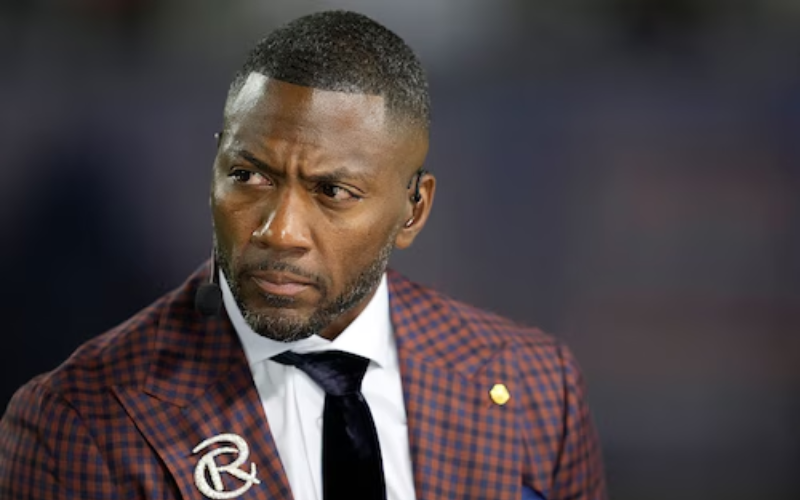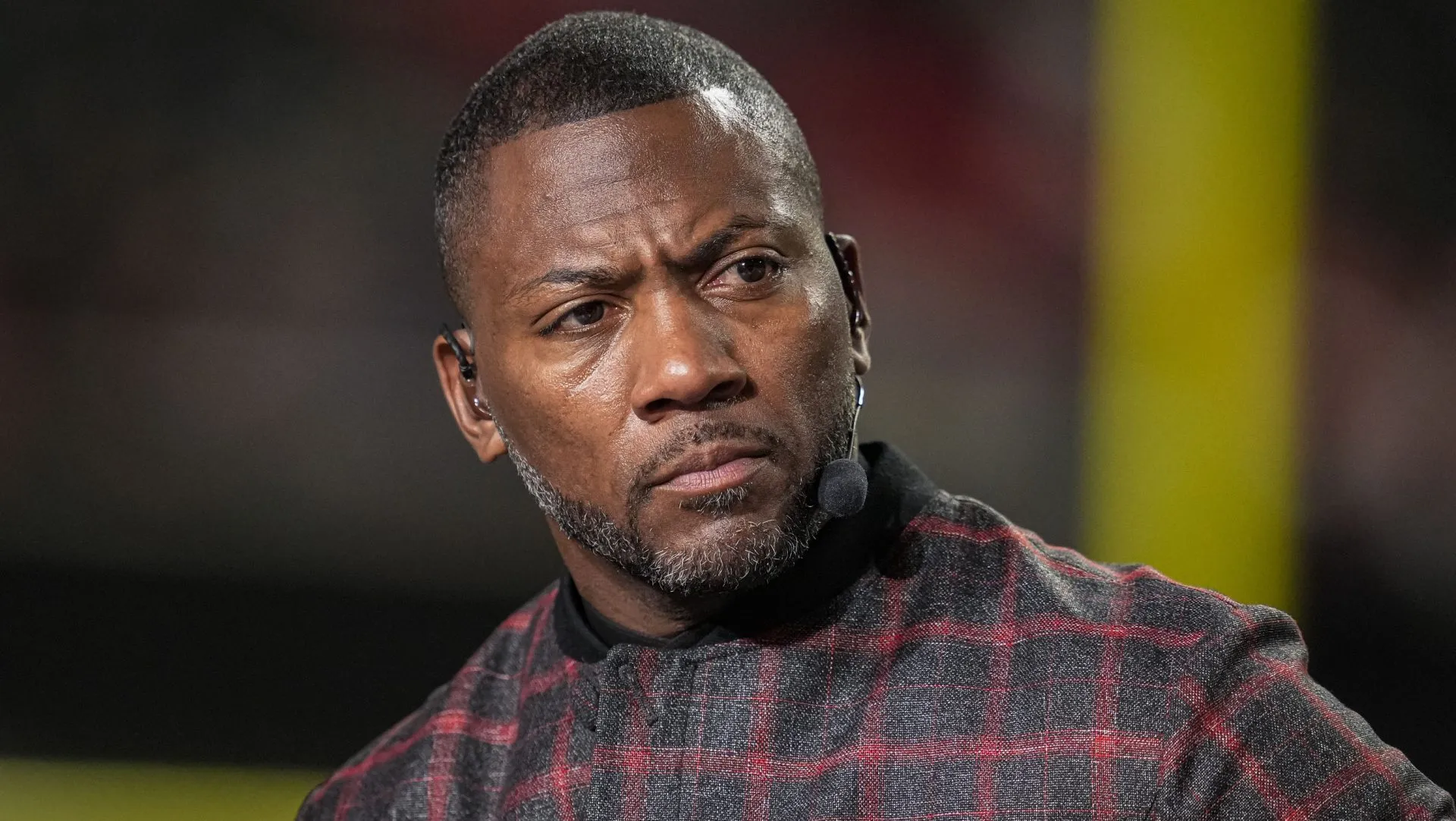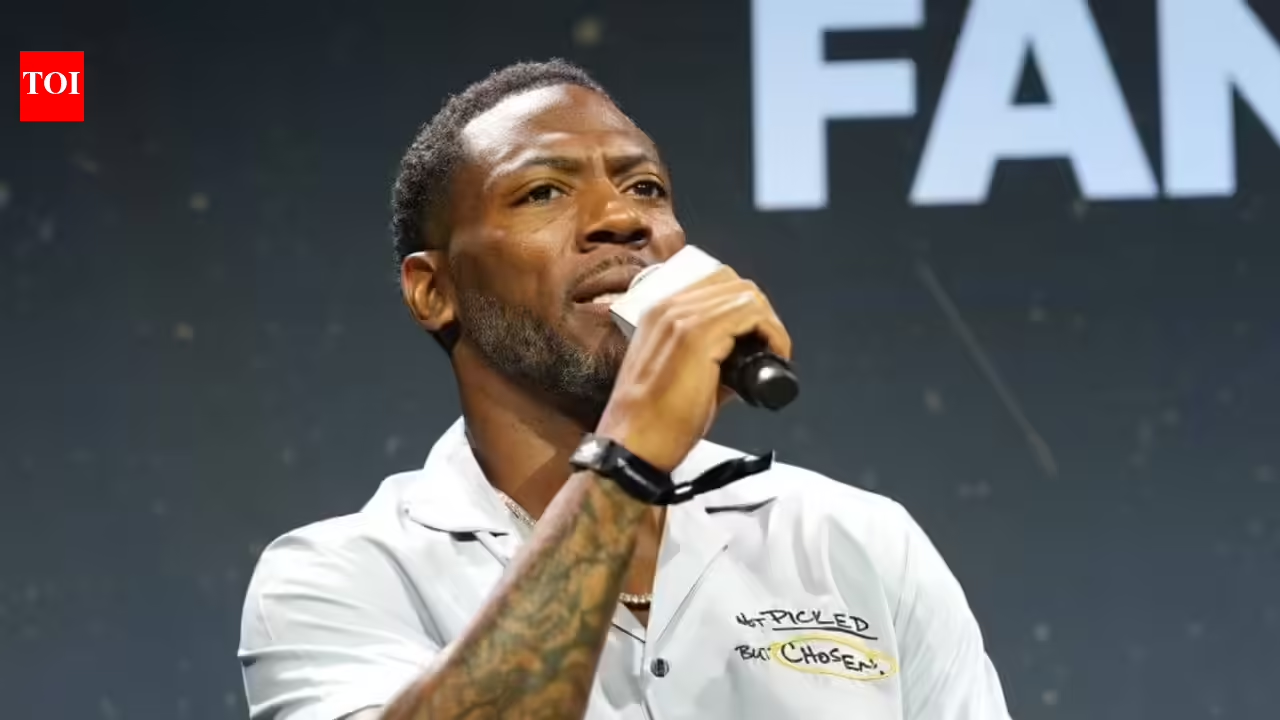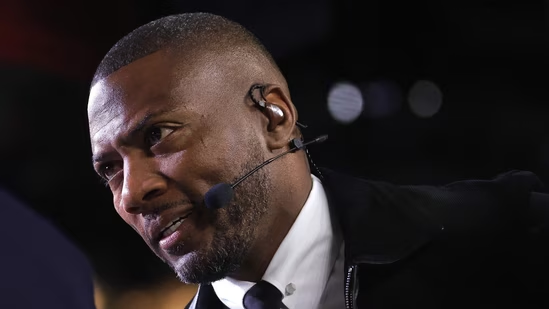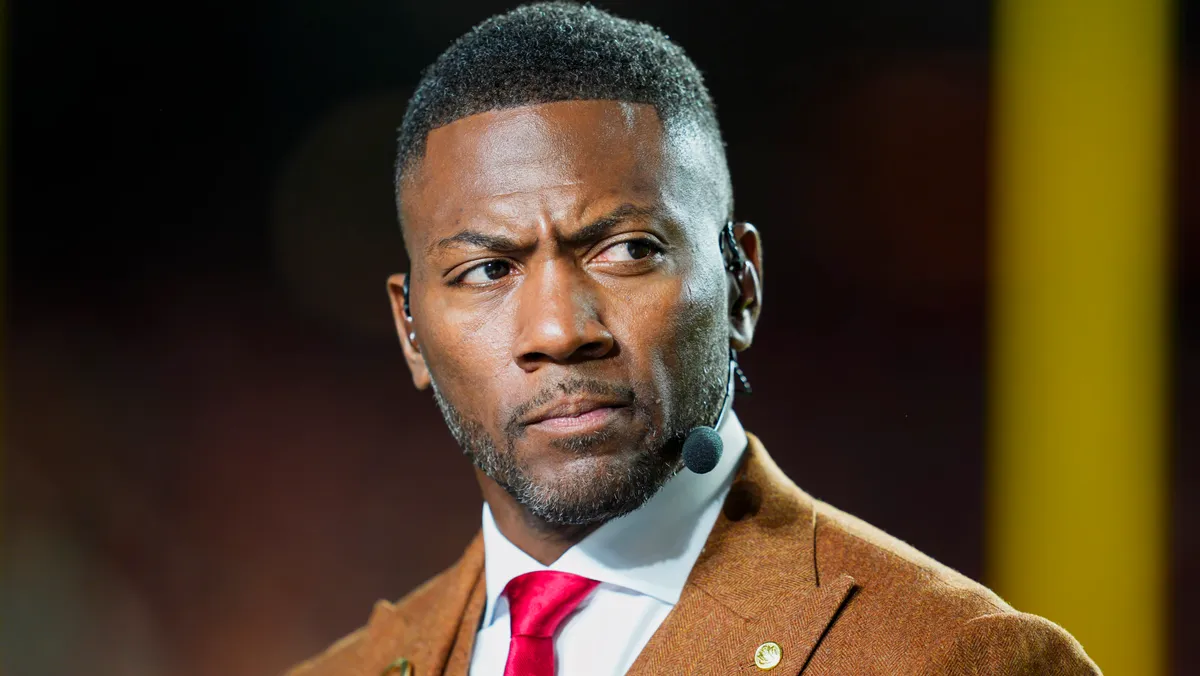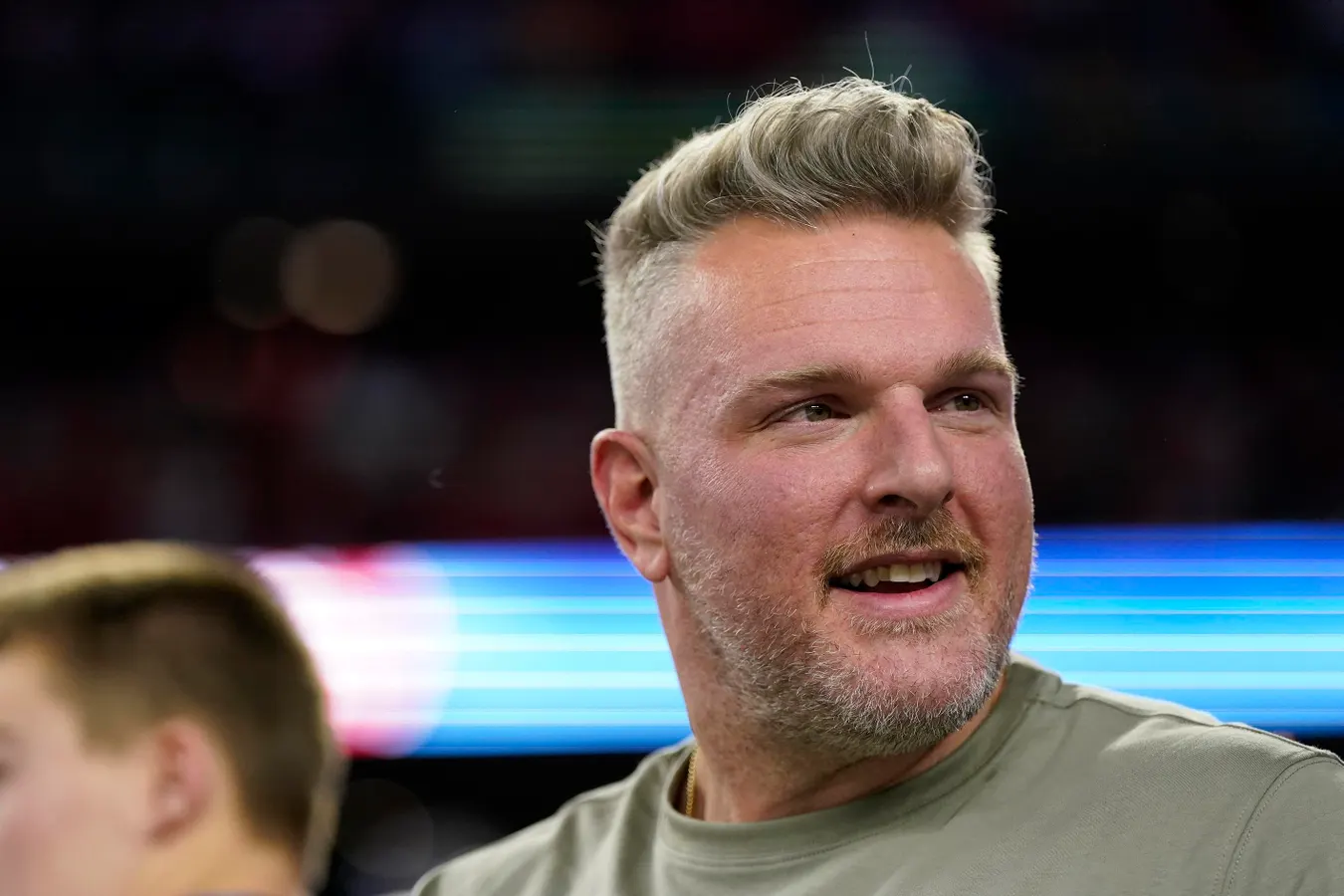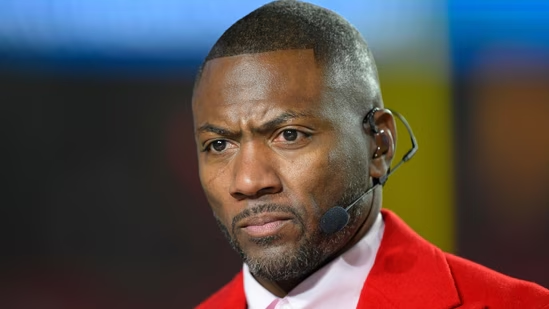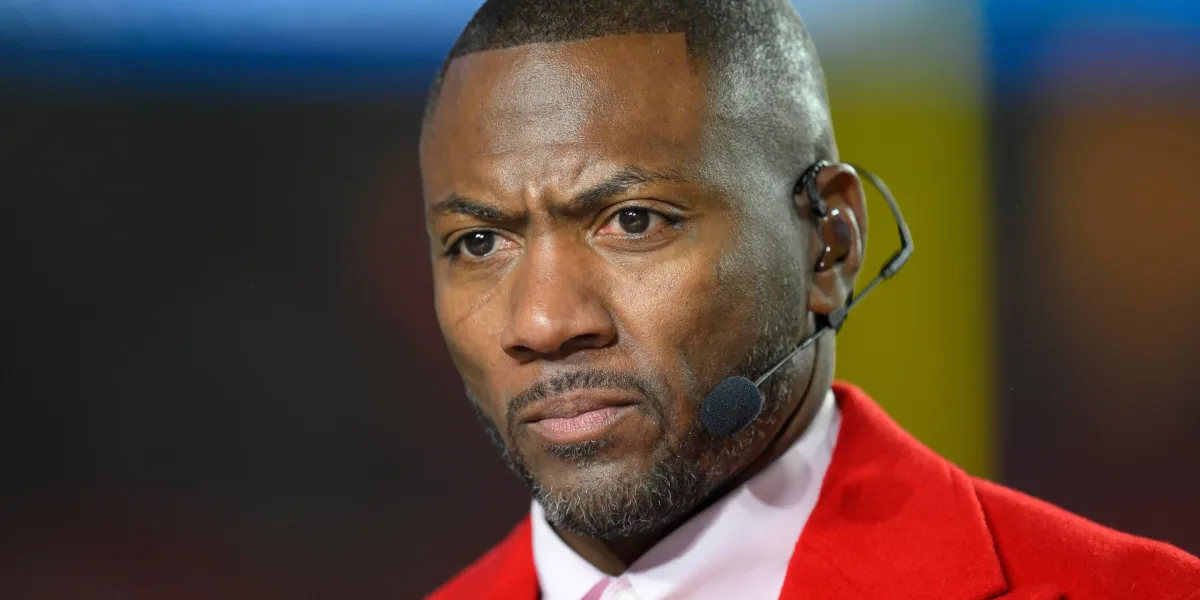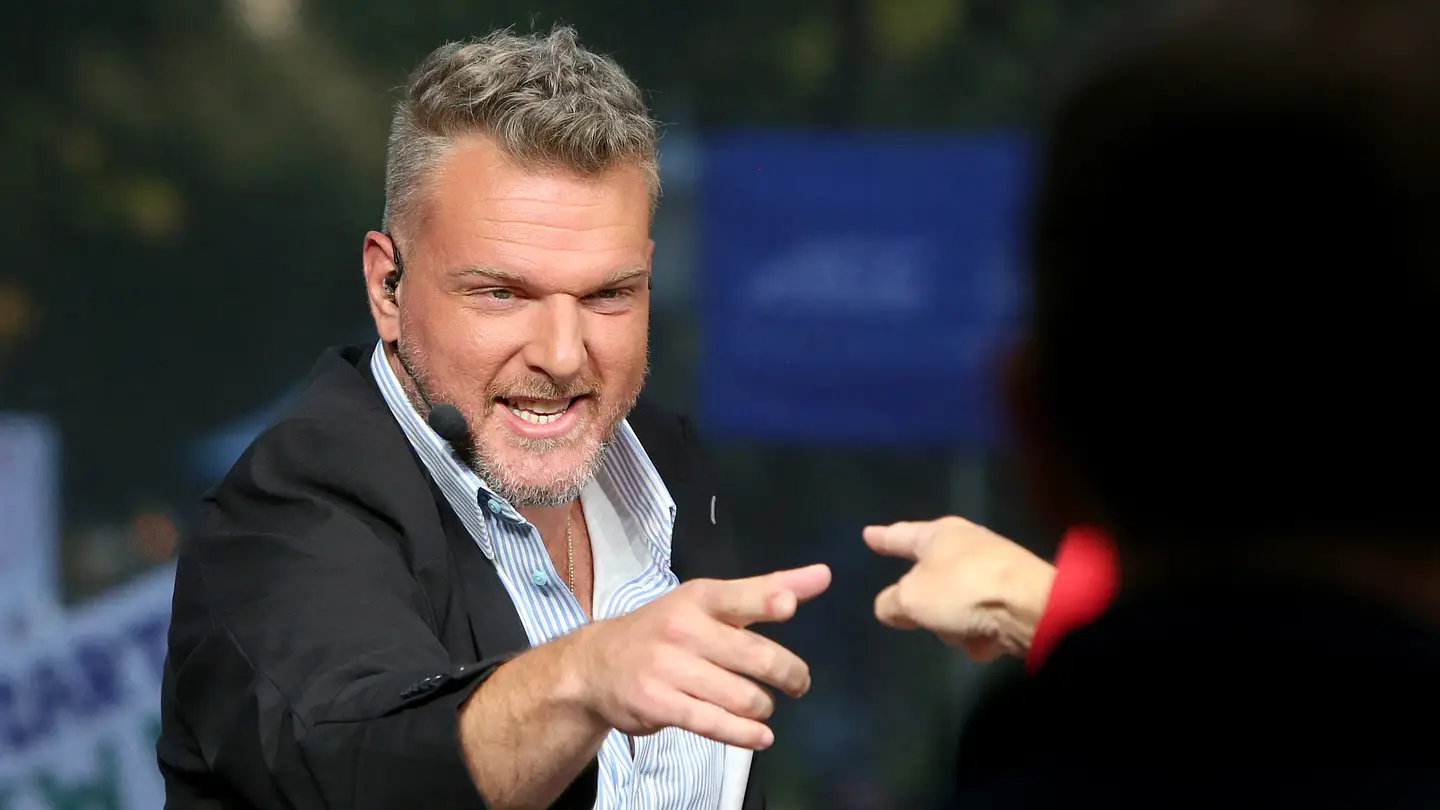
ESPN spent Monday and Tuesday saying goodbye to some of its most familiar faces. Ryan Clark, an NFL analyst with the network since 2015, was informed he was being let go while taping Monday's episode of NFL Live and did not finish the show. By Tuesday morning, the cuts had widened to include Karl Ravech, a Bristol fixture for 33 years who had called Dodgers-Phillies on ESPN the night before, along with SportsCenter anchor David Lloyd, injury analyst Stephania Bell and NFL Network insider Tom Pelissero.The timing is what turned a round of layoffs into a national argument. In June, The Athletic reported that ESPN and Pat McAfee were negotiating a contract extension worth between $60 million and $65 million per year, roughly double the approximately $30 million the former Indianapolis Colts punter currently earns across his daily show, his College GameDay duties and his various alt-casts. His representatives at TKO/WME, Ari Emanuel and Mark Shapiro, reportedly opened those talks at $100 million annually. No deal has been finalized, but the two reports collided on social media this week, and McAfee became the face of a decision he did not make.Why the McAfee contract number is drawing ireThe frustration is rooted in simple arithmetic. Clark reportedly earned around $2 million per year, which made him one of ESPN's highest-paid NFL analysts. The gap between McAfee's proposed extension and his current deal alone could cover more than a dozen contracts like Clark's. Stephen A. Smith, ESPN's other franchise personality, signed a five-year deal worth more than $100 million in early 2025 and carries a separate $36 million SiriusXM contract on top of it.Former ESPN broadcaster Ryan Clark was laid off live while on air and did not return to finish the episode. | IMAGN IMAGES via Reuters ConnectESPN's position is that these are entirely different budgets. The network views McAfee's arrangement as a production agreement rather than a standard talent contract, and it says it makes money on his daily show while touting a 25 percent year-over-year viewership increase. The 39-year-old also pays his own contributors and set costs out of his deal, so his take-home is well below the sticker price.College GameDay is central to ESPN's decisionsThe college football side of McAfee's portfolio explains a lot of what ESPN sees in him. Since joining College GameDay in 2022, the West Virginia alum has become a co-star of the show alongside Nick Saban on a panel led by host Rece Davis with Kirk Herbstreit and Desmond Howard, and the program has posted some of its best ratings in years with him on set. From left: Desmond Howard, Rece Davis, Pat McAfee, Nick Saban and Kirk Herbstreit on the ESPN College Gameday set during the 2026 Rose Bowl. | IMAGN IMAGES via Reuters ConnectHis kicking contest, funded out of his own pocket, has paid out more than $5 million to students attempting 33-yard field goals and reliably goes viral every Saturday. The Athletic's June report noted that any new deal could hand him an even larger on-air footprint, so his Saturday presence in college football is part of what ESPN is paying a premium to expand.NFL Network merger is driving the cutsThe layoffs themselves trace back to ESPN's roughly $3 billion acquisition of NFL Network, which closed with the league taking a 10 percent equity stake in ESPN. Pelissero worked the same insider beat as Adam Schefter and Ian Rapoport, both of whom remain under contract. ESPN had already cut about 30 behind-the-scenes staffers in April, and Front Office Sports reported in June that a larger round tied to the merger was coming.ESPN President Jimmy Pitaro addressed the cuts in a company-wide memo, writing that the network took time to "carefully evaluate our collective teams, resources and organizational structure" before making decisions. McAfee has been here beforeThis is not the first time the former Colts punter has absorbed this exact criticism. When ESPN cut roughly 20 on-air personalities in 2023, shortly after his arrival, McAfee responded on social media that "our goal is that 'mass exits' are never a thing again." Three years later, the exits are happening again, and his price tag has doubled.The uncomfortable reality for ESPN is that both things are true at once. McAfee delivers the younger audience the network's internal research says it needs across both NFL and college football coverage, and the people paying for that investment, at least in perception, are the analysts and anchors who spent decades building the place.Add us as a preferred source on GoogleFollow
Pat McAfee at Center of Backlash After ESPN Parts Ways With Ryan Clark and Others
ESPN spent Monday and Tuesday saying goodbye to some of its most familiar faces. Ryan Clark, an NFL analyst with the network since 2015, was informed he was be
753 words~3 min read