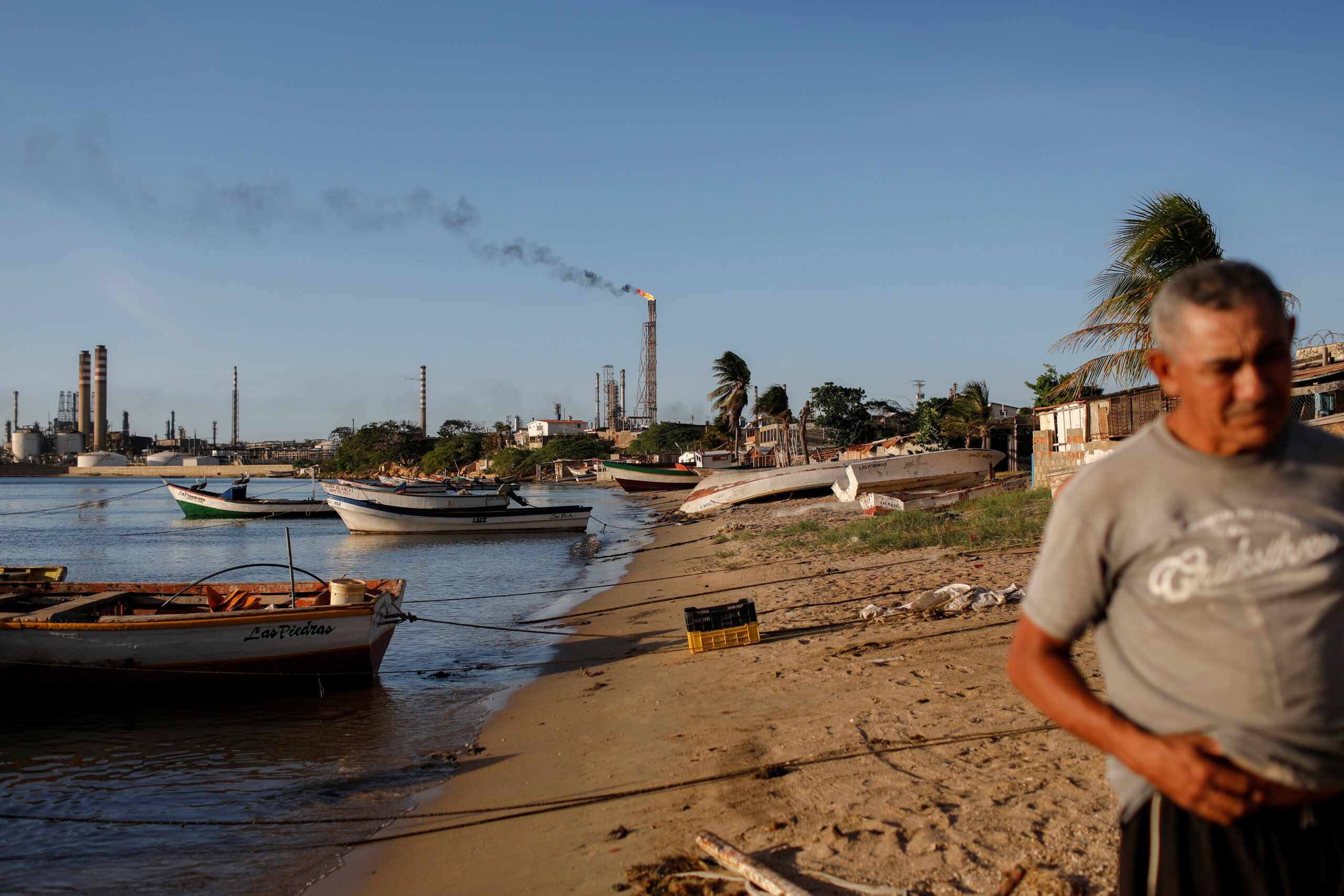
Andreas Sieber is head of political strategy at 350.org. Cat Abreu is director of the International Climate Politics Hub.From the US abduction of Venezuela’s president at the start of this year to the Iran war which rumbles on, disruption is the new normal for global geopolitics, more often than not linked to conflict over supplies of oil and gas. Events so far in 2026 - driven largely by the desire of the Trump administration to grab control of fossil fuels around the world - show that the climate community’s approach to energy diplomacy will have to evolve if we are to operate effectively and push for climate action in such a volatile landscape. Today’s climate and energy governance must be able to cope with trade wars, genocide, fascism, spiralling inequality and challenges to multilateralism. The increasingly dominant paradigms of economic competitiveness, energy security and green industrialisation can help drive the transition but they also challenge our collective mission to deliver an equitable green shift. US-China rivalry dominatesLonger-term geopolitical trends that are seeing power move from West to East and North to South have fuelled a US–China “superpower rivalry”, which is pulling the global economy apart and reining in trade.
Energy transition policymaking must evolve to fit an age of rupture
Economic competitiveness, energy security and green industrialisation are driving real-world change - but will this damage our collective mission for a fair green shift?
199 words~1 min read