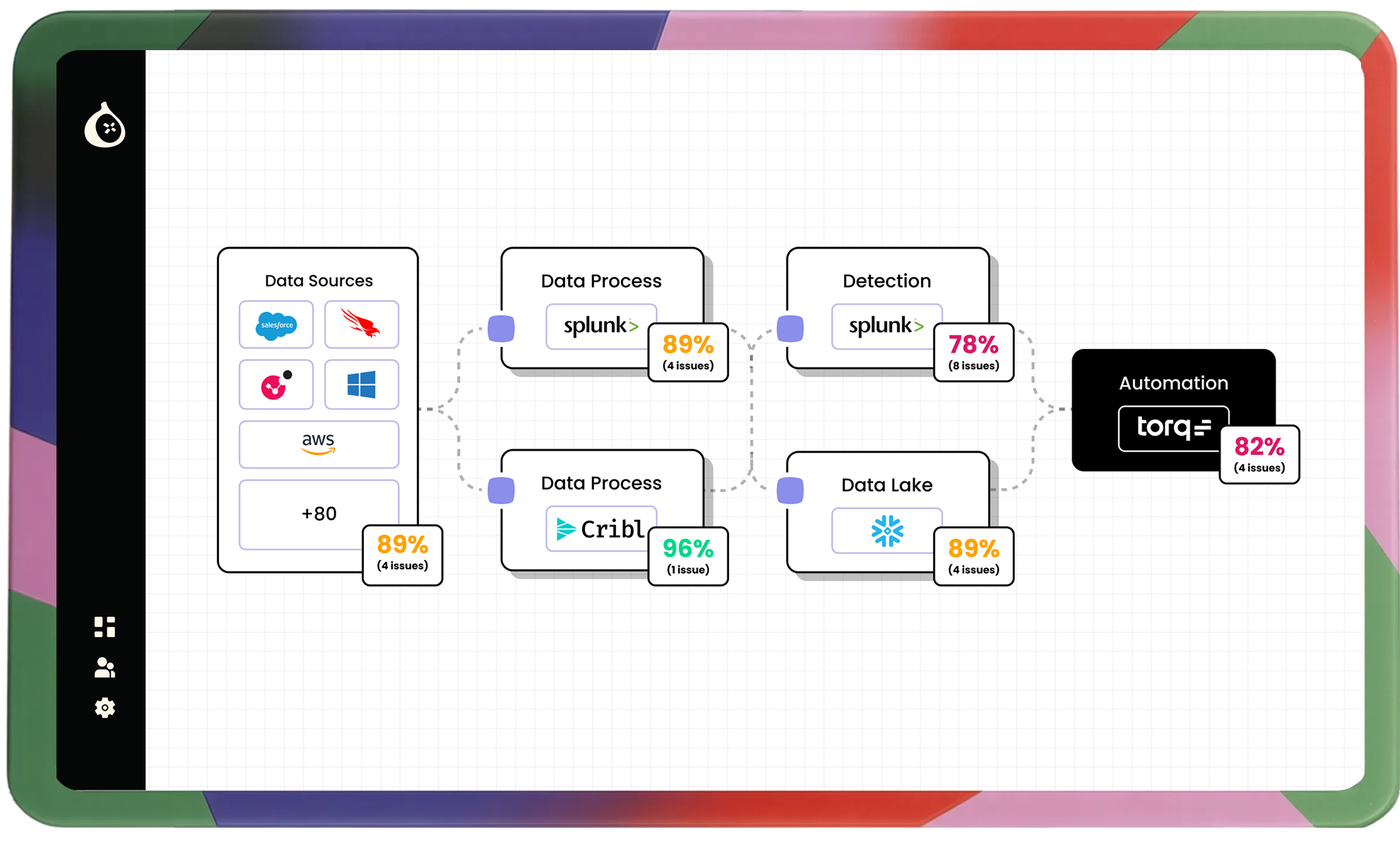
Security operations environments are constantly evolving. New cloud services, data sources, automations, and detections are introduced on a regular basis, while upstream systems can change without warning. Although these updates are intended to improve security, they can also create unintended consequences by disrupting detection pipelines and leaving organizations with visibility gaps.
Fig believes the problem is less about creating more detections and more about managing change safely. To address that challenge, the company has introduced what it describes as the industry’s first complete SecOps engineering lifecycle, bringing a CI/CD-style workflow to Security Operations (SecOps) Engineers so they can build, deploy, and continuously observe changes across their environments.
Bringing Software Engineering Principles to the SOC
At its core, Fig is giving SecOps something it has never had: a complete engineering lifecycle for detections and configurations. Instead of requiring engineers to manually build detections and configurations, the platform allows them to describe the outcome they want. Fig analyzes the live environment, proposes the necessary changes, and evaluates their potential impact before anything reaches production.