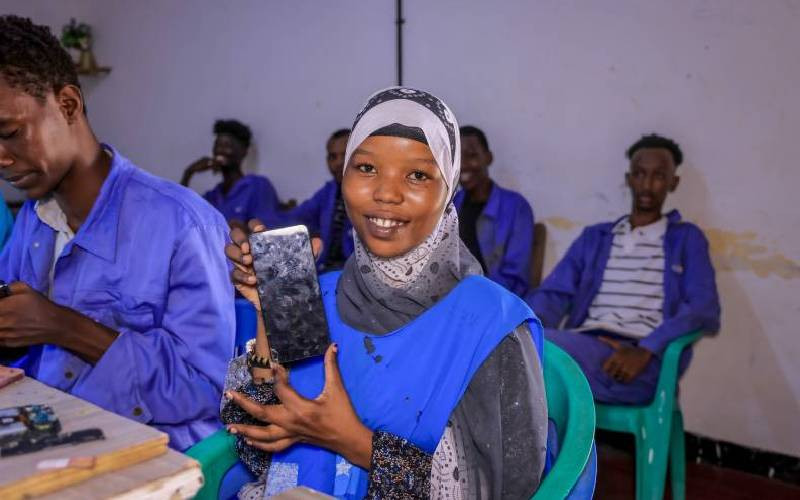
Youth unemployment in Somalia has remained persistently high for nearly a decade.
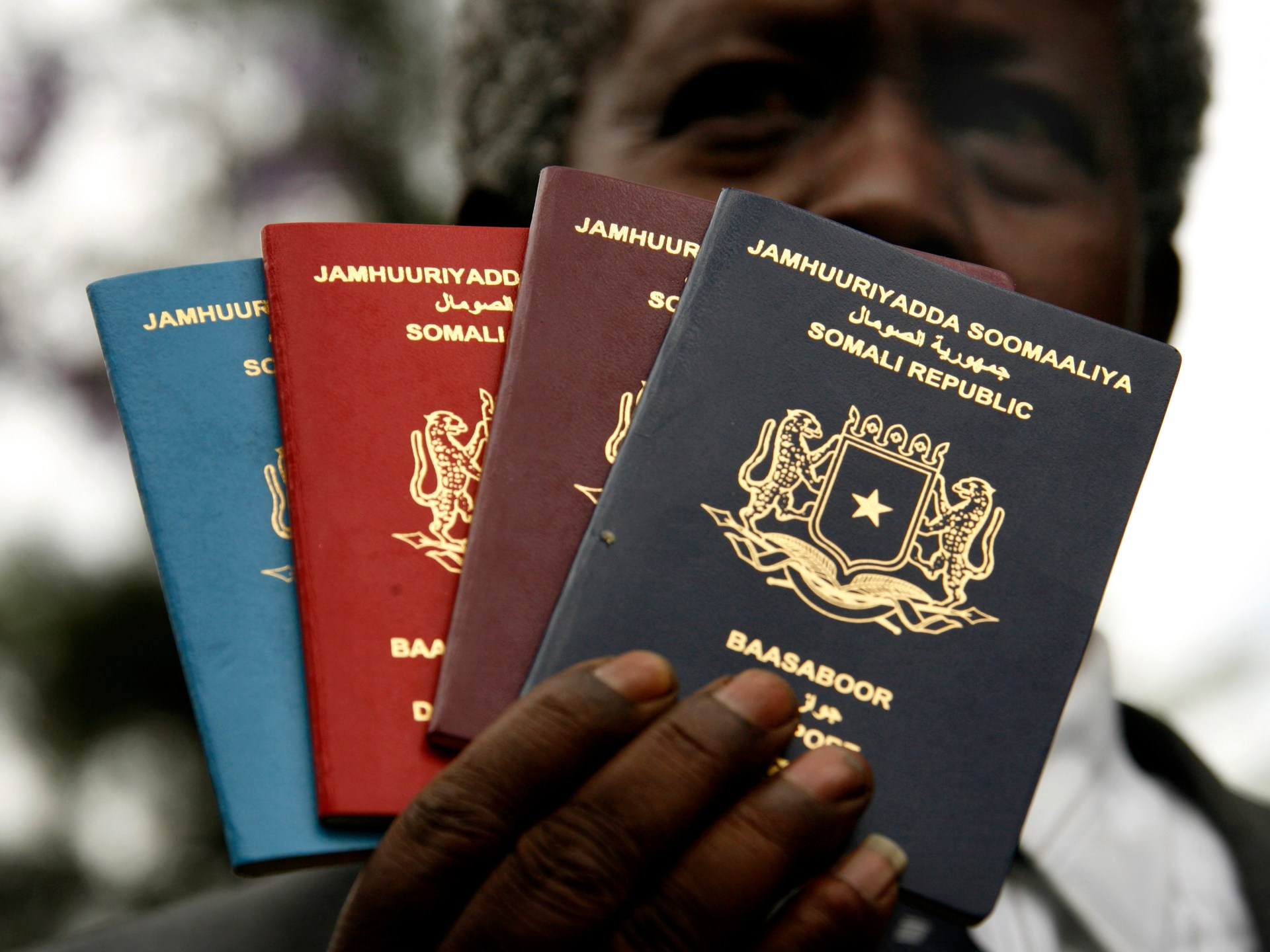
Among the many stories emerging from Somalia, one recent case stands out: the sentencing of a Somali healthcare worker living in Birmingham, United Kingdom, after she helped her sister enter Ireland using another person's Swedish passport.
Beyond the details of the case, the defence presented by the lawyer for 47-year-old Mona Mohamed Sharif argued that she acted out of compassion rather than financial gain, saying her sister was fleeing a forced marriage in Somalia. Yet the story of Mona and her sister, as reported by the Somali Robert platform, raises a broader question: why has Somalia become a country that drives its young people to leave, even if the journey ends in imprisonment in Europe?
The platform notes that 75 percent of Somalia's population is under the age of 35. Yet what should be the country's greatest asset is increasingly becoming one of its greatest challenges. Rather than serving as a source of national strength, this demographic has become a generation of missed opportunities.
Youth unemployment in Somalia has remained persistently high for nearly a decade, not only because of limited job opportunities but also because of the growing mismatch between the qualifications young people obtain and the skills actually demanded by the labour market.