The new study takes a first look at one piece of that exposure: what actually sits inside the apps built and marketed specifically for the military.
“We are grateful for the opportunity to bring greater attention to these issues,” says Joshua Shinkle, a Purdue University PhD researcher and the study’s lead author. “We hope the research helps military-affiliated personnel, developers, and platforms make more informed privacy decisions and encourages continued discussion with developers, platforms, and policymakers about how to address these gaps.”
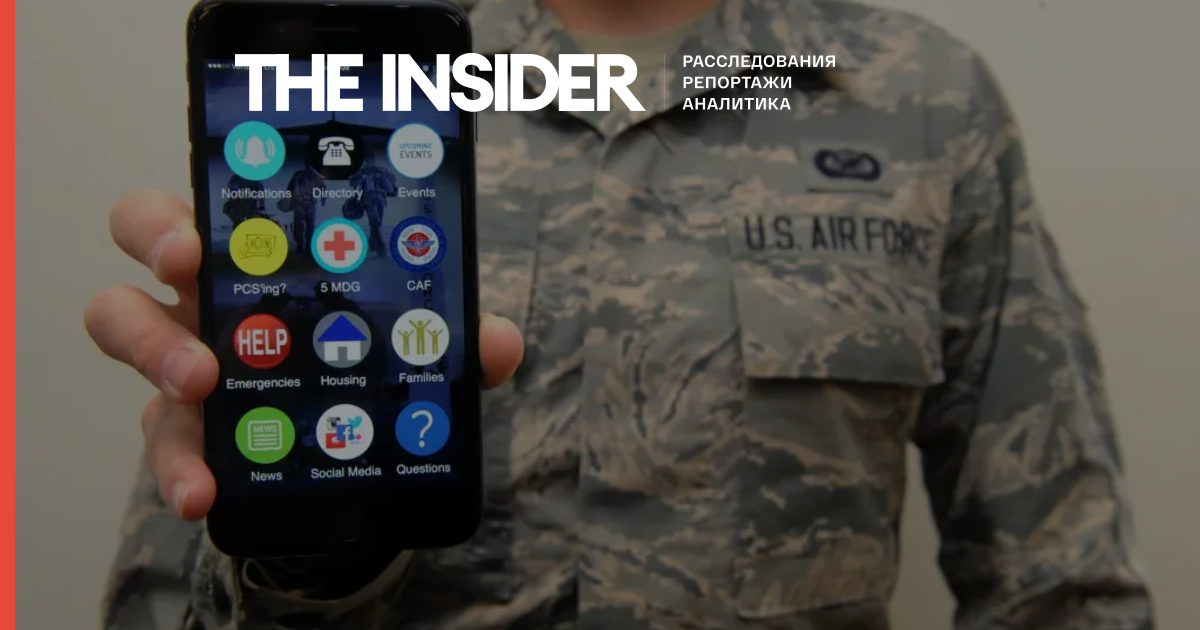
The researchers examined more than 220 such apps—from uniform guides and promotion-exam prep to banking and dating apps—pulled from the Google Play store and military subreddits. Nearly two-thirds—or 64 percent—contained third-party code, known as SDKs: prebuilt software components, typically used for analytics and advertising, that can also track user behavior, including their locations, and share that information with outside companies.
Forty percent of the apps collected or shared more data than they disclosed in their Google or Apple store listings, the researchers found.
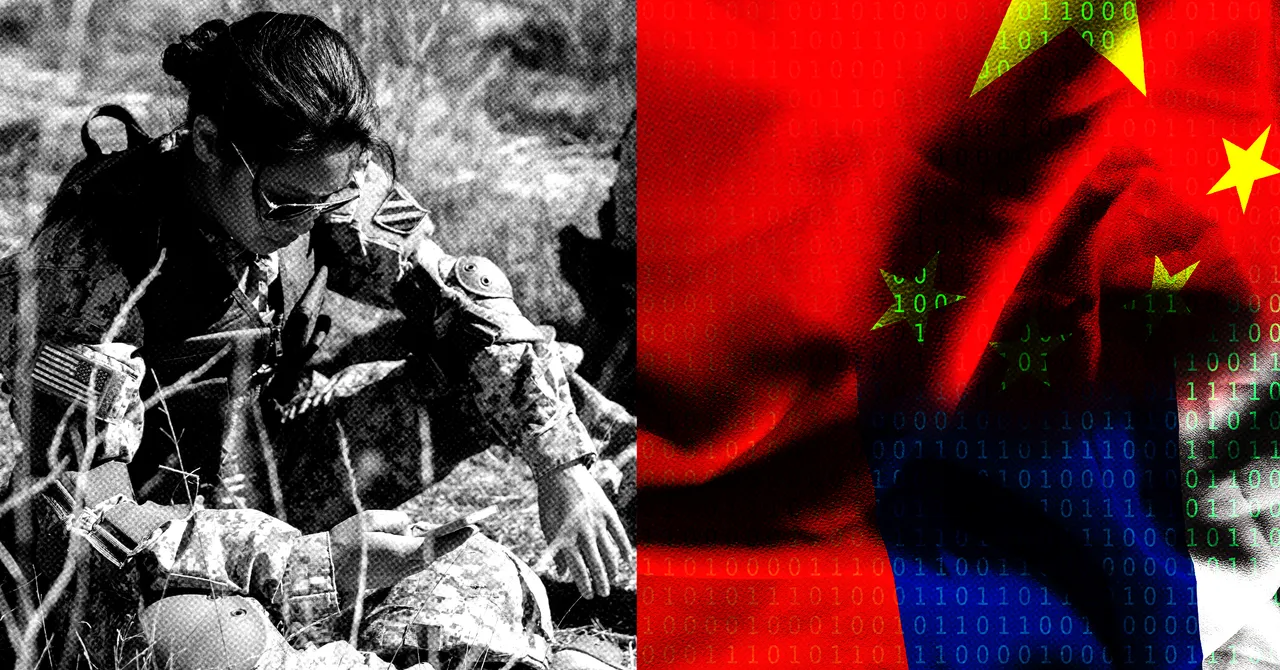
The most common SDKs came from Google and Facebook, the two companies that dominate US digital advertising. But 76 turned up in all, including code traced back to China, Russia, Israel, India, Germany, and others. Roughly 7 percent of the apps carried third-party code from a nation considered adversarial by the Pentagon.