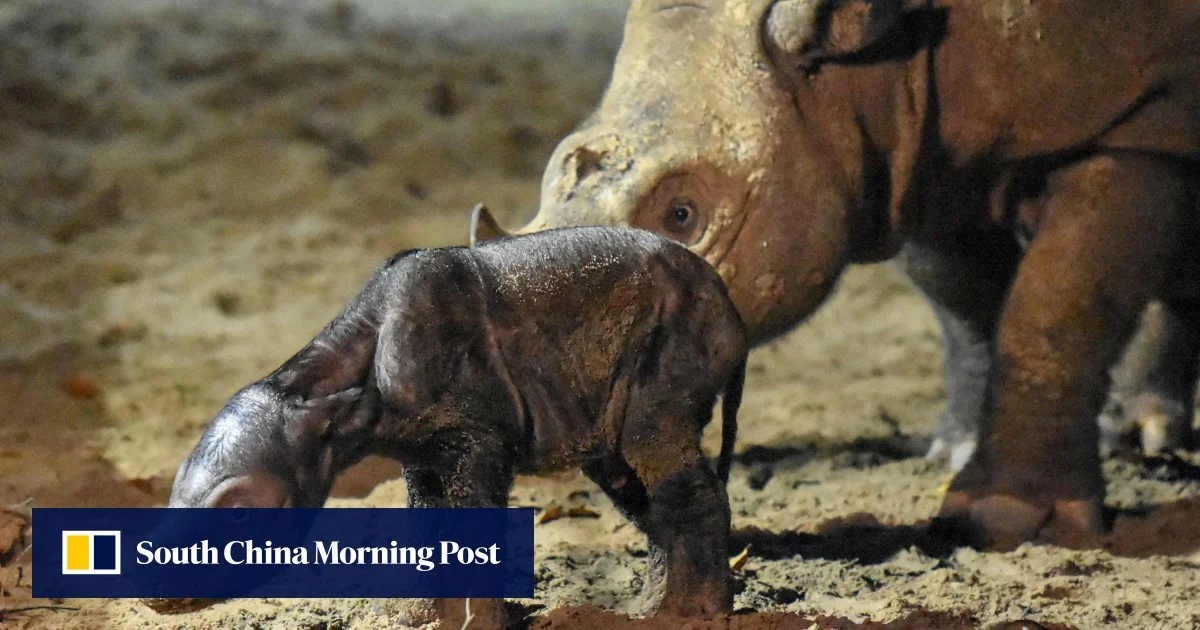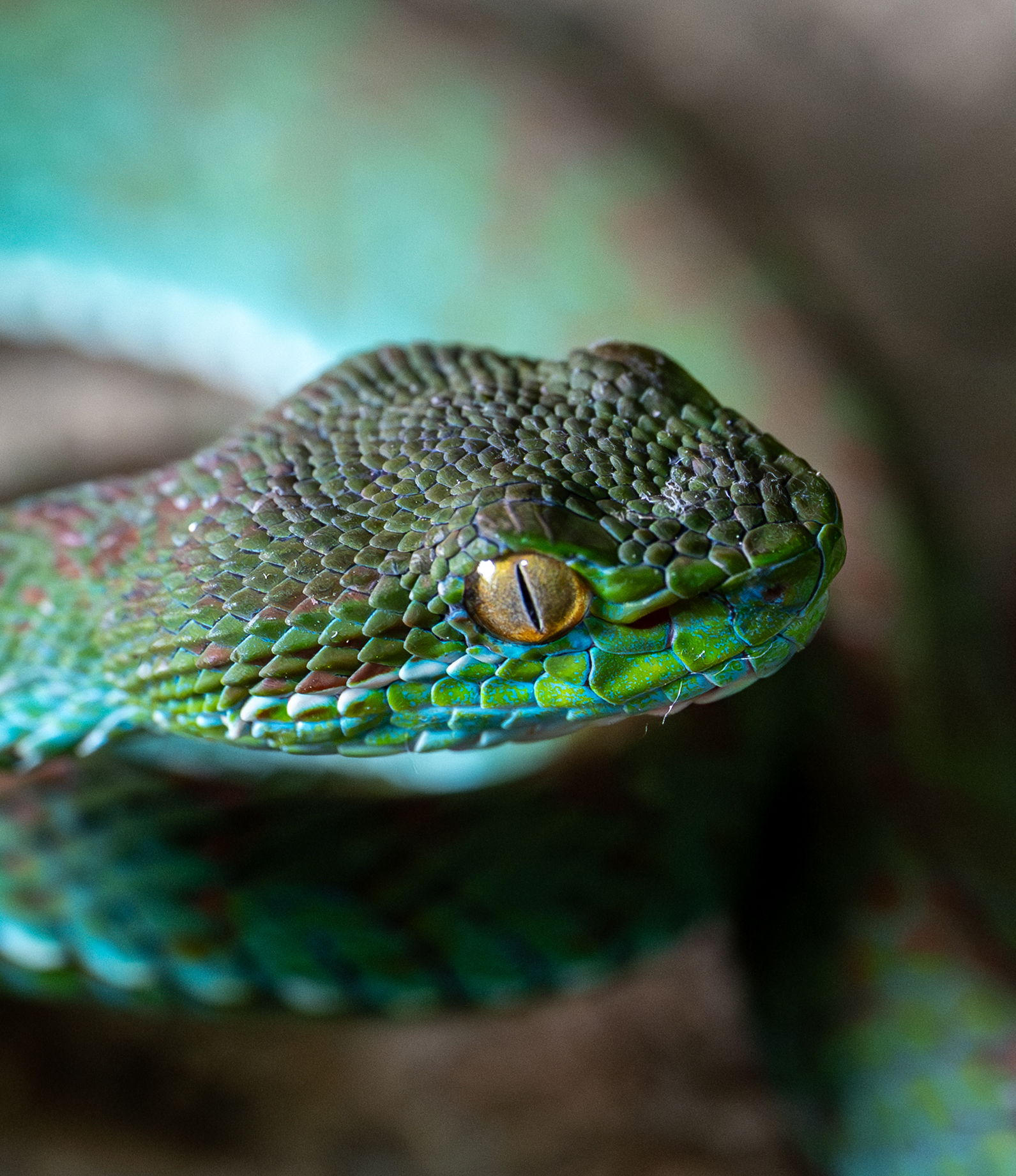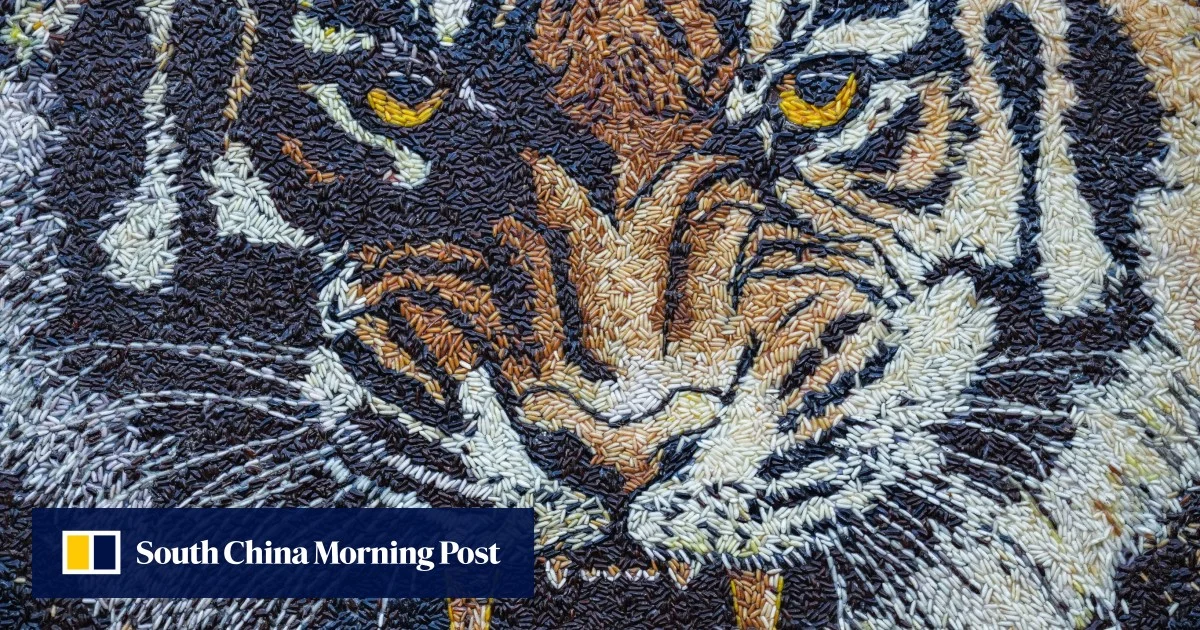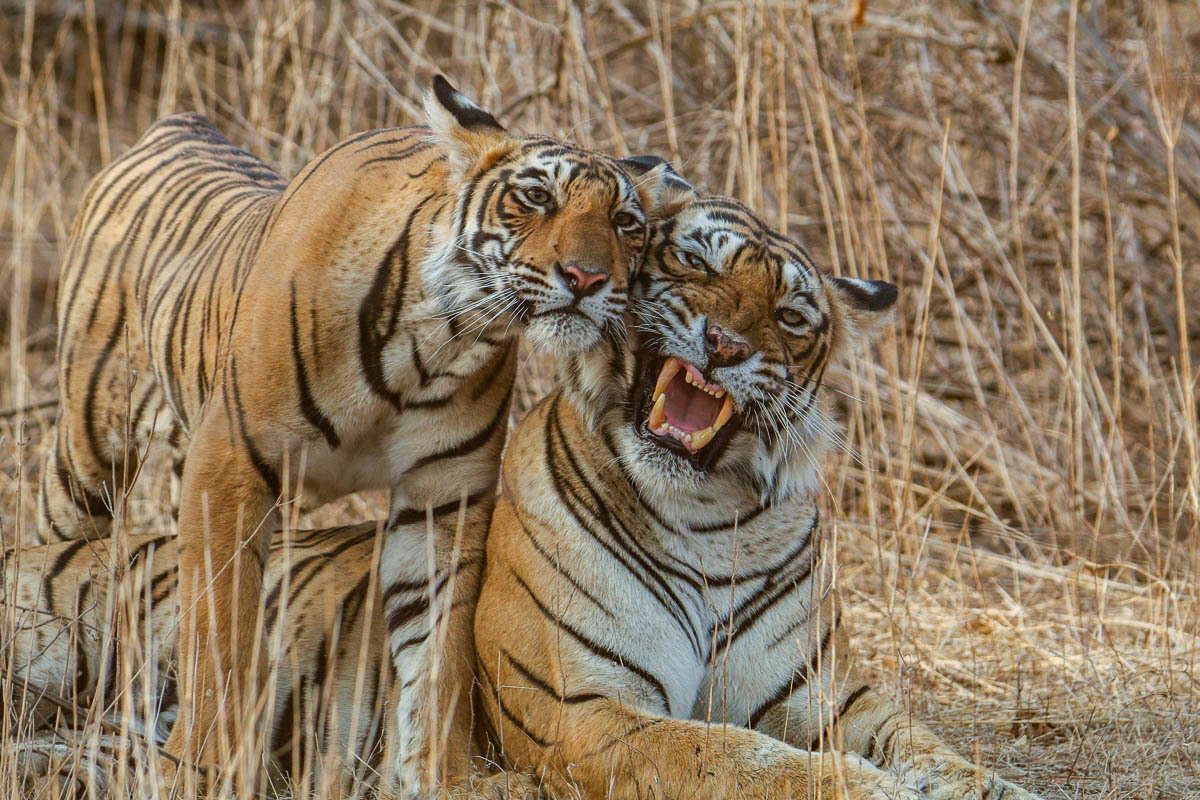
Illegal wildlife trade, primarily catering to Chinese nationals, is thriving in Cambodia, according to a new undercover investigation by Earth League International, a U.S.-based NGO fighting environmental crime.Investigators identified five kingpins allegedly running transnational criminal networks in Cambodia that are involved in wildlife smuggling, human and drug trafficking and operate scam centers that defraud targets of money. ELI also mapped trade networks and gathered information on what species are sold and who buys them.The report found many endangered animals and their parts, including tigers, elephants, rhinos and pangolins, openly sold mostly to high-ranking government officials, Chinese expats, wealthy businessmen and Chinese tourists.The report urges China to act against Chinese scam center owners and corrupt officials who facilitate illegal activity and wildlife trade, along with reducing demand for endangered species within its borders.
Tiger bone wines in exquisite bottles. Tiger cubs sold alive as pets or served as a culinary delicacy alongside pangolin and cobra meat at exclusive restaurants. Rooms filled with rhino horns and elephant ivory, stacks of freshly skinned tiger pelts and bags of pangolin scales. Jewelry made from protected corals and ivory.