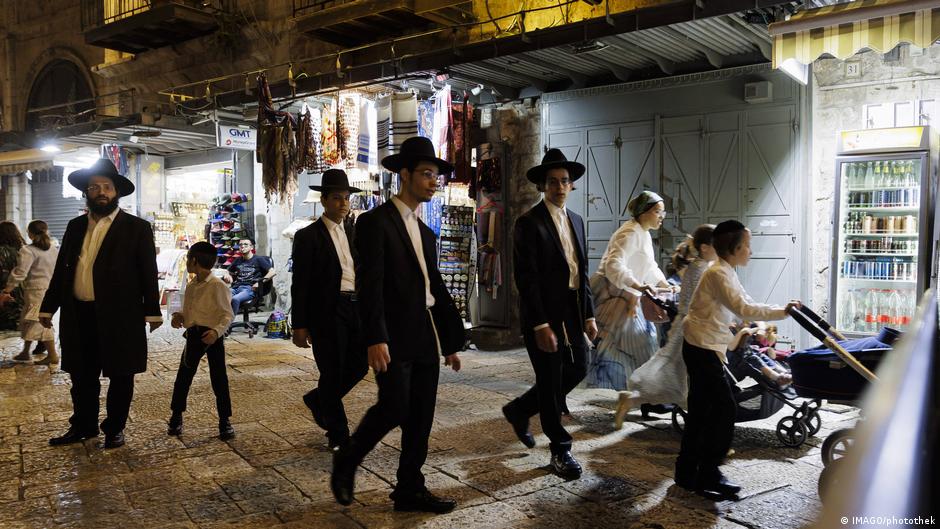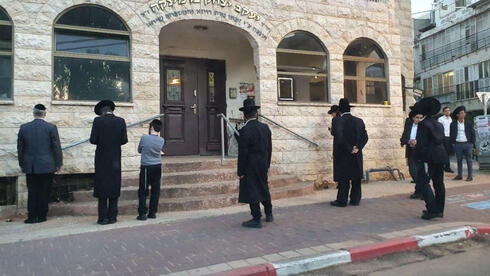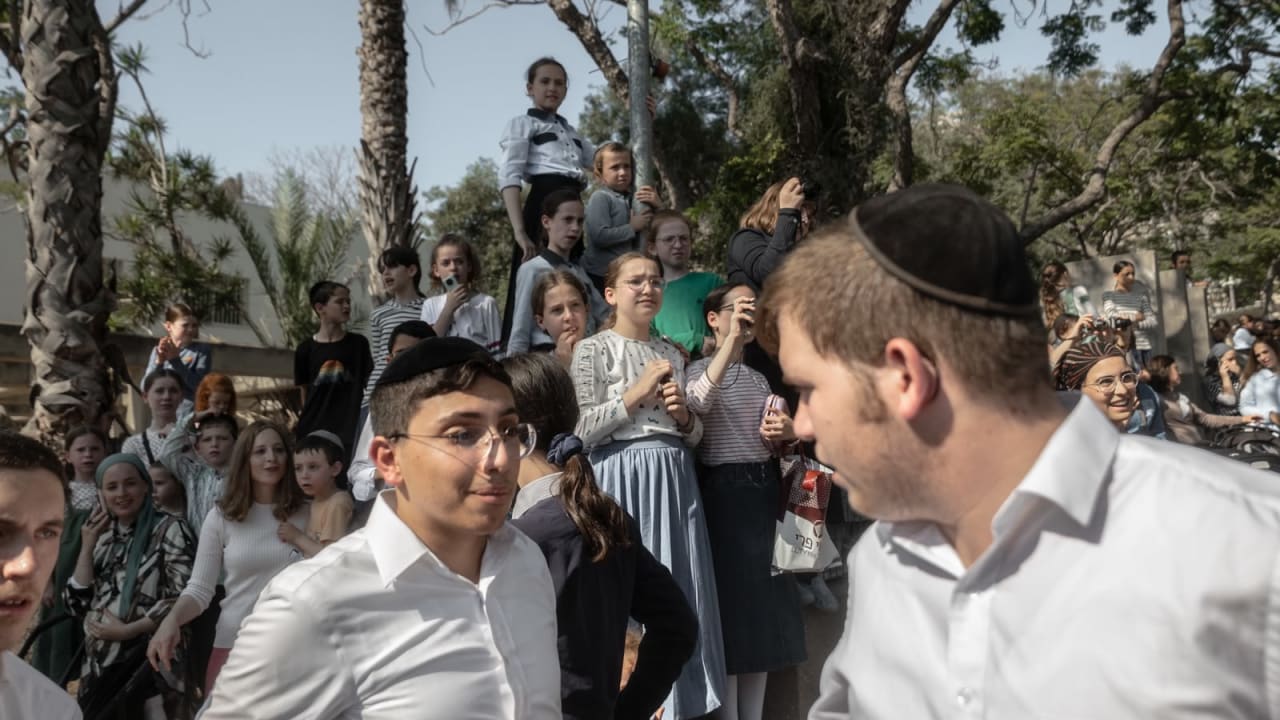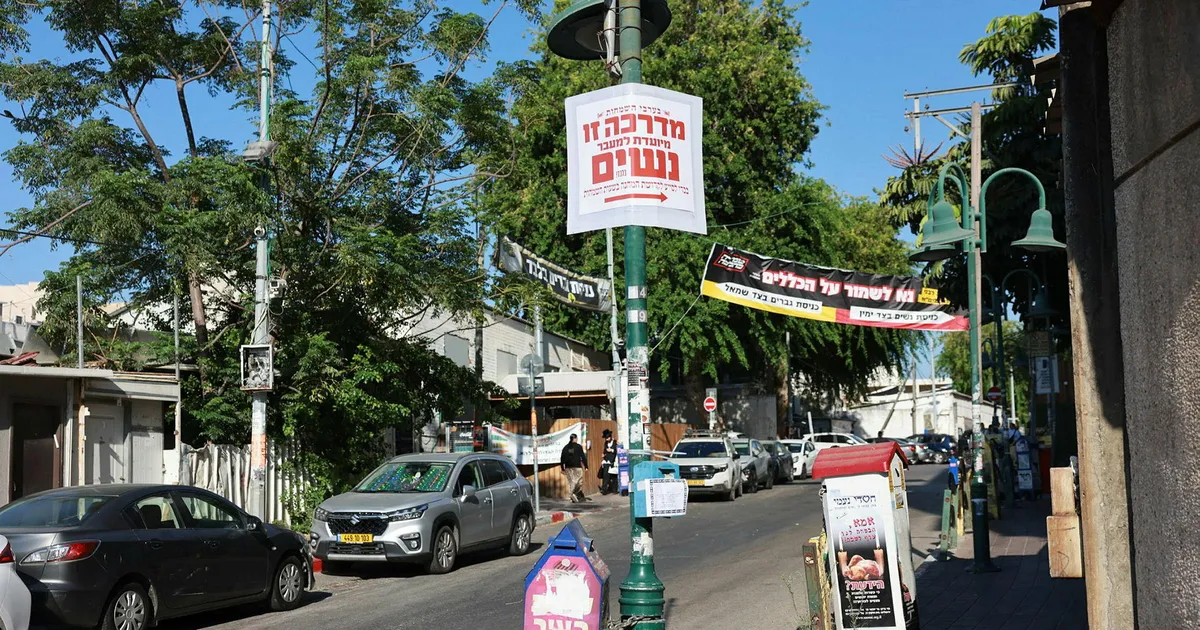
An online view of Shlomo HaMelech Street in Bnei Brak, an Israeli city of around 200,000 people known as a center of ultra-Orthodox Judaism, isn't all that spectacular.
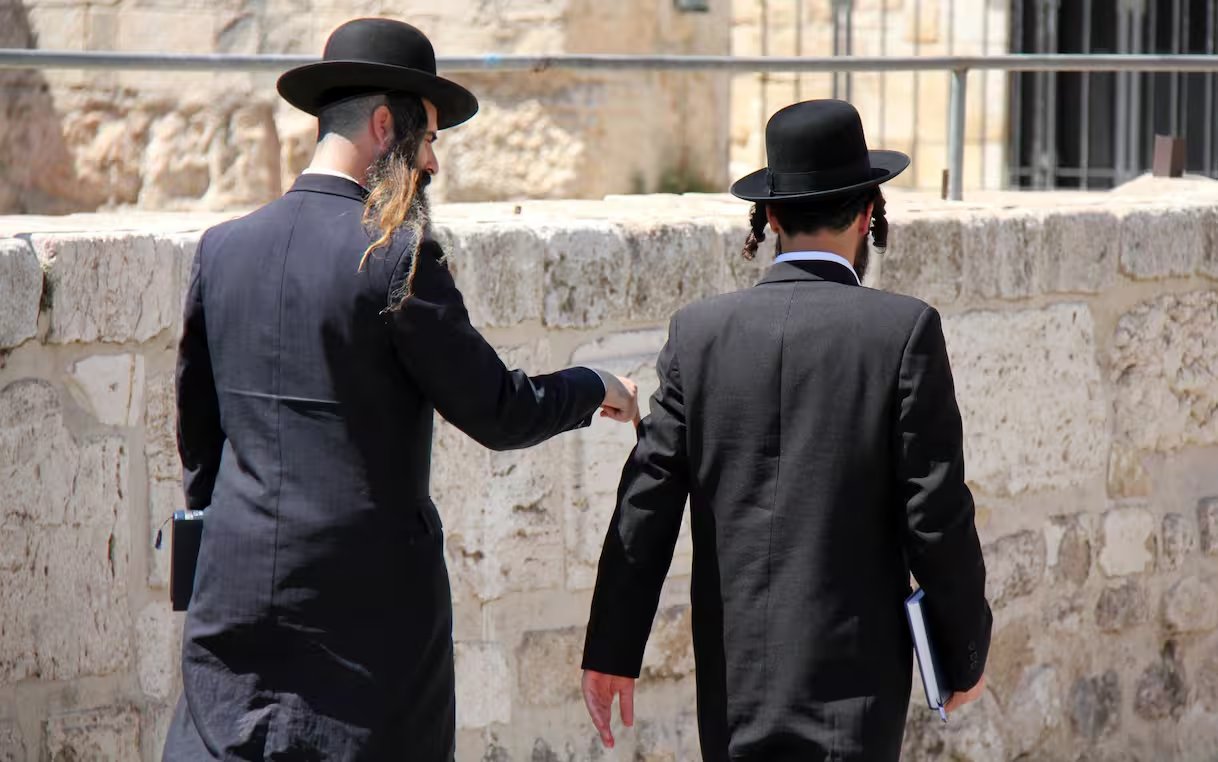
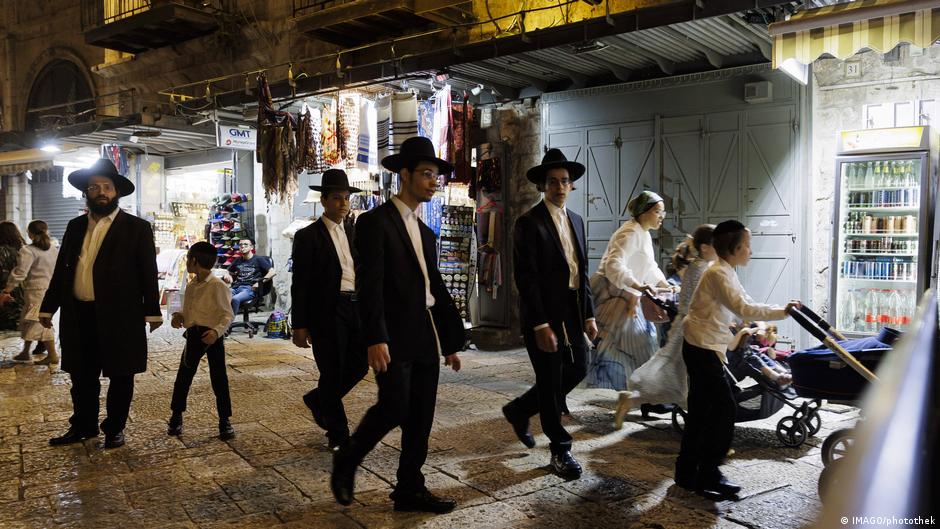
So far, it's not possible to see any sign of the dispute that has erupted over the narrow asphalt road lined with residential buildings. A few pedestrians are visible on the sidewalks: mostly men in the frock coats and black hats typical of Orthodox Jews, and a few women.
But a major debate has erupted over those pedestrians' freedom of movement.
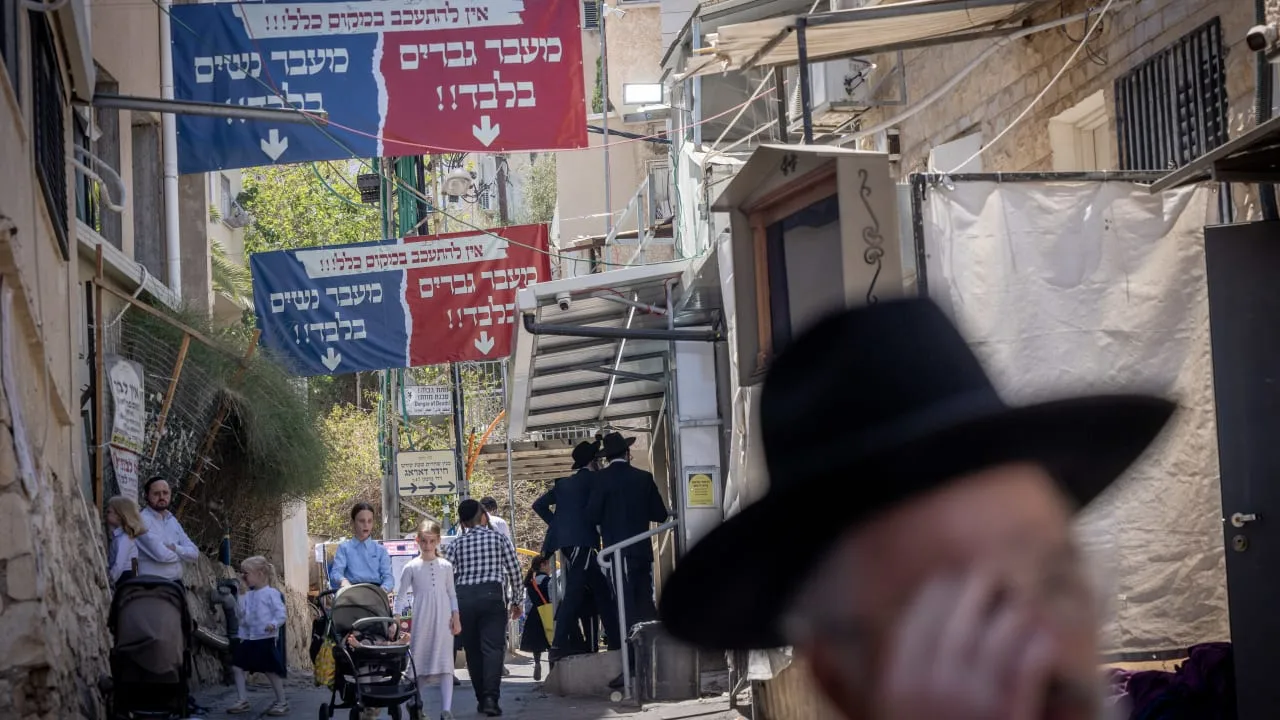
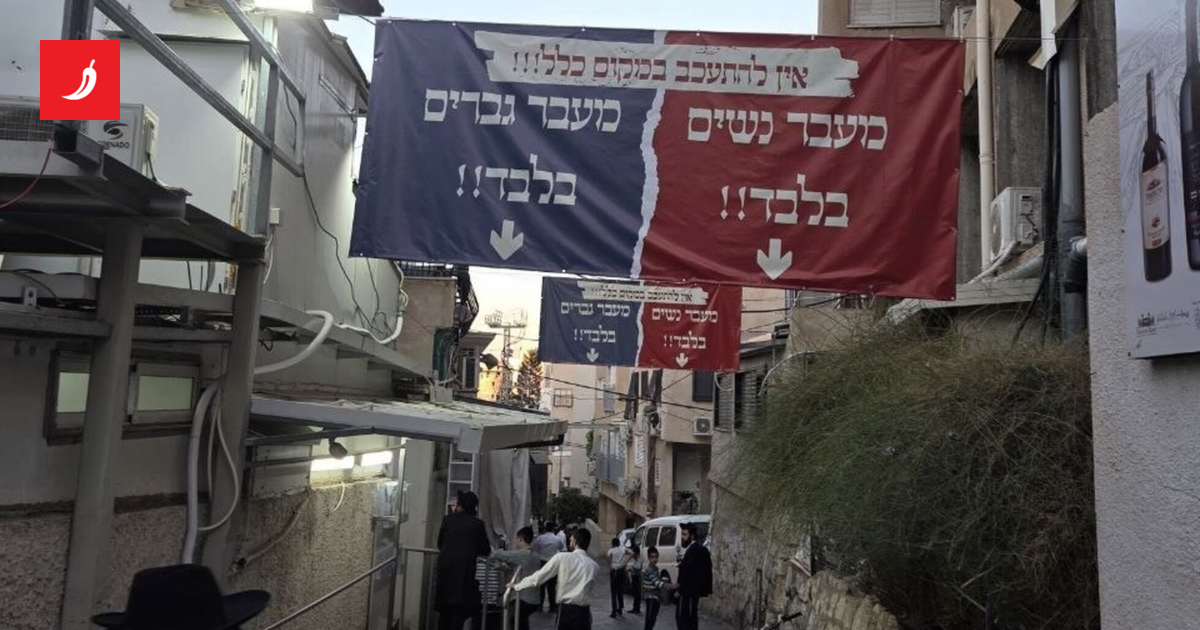
According to local reports, the Bnei Brak municipality had already started widening sidewalks, erecting barriers and putting up signs that are intended to physically separate male and female pedestrians from one another in the city just east of Tel Aviv. It would have made Bnei Brak the first city in Israel with gender-segregated streets.
But the work was apparently halted after fierce criticism. Signs that had already been installed were removed.