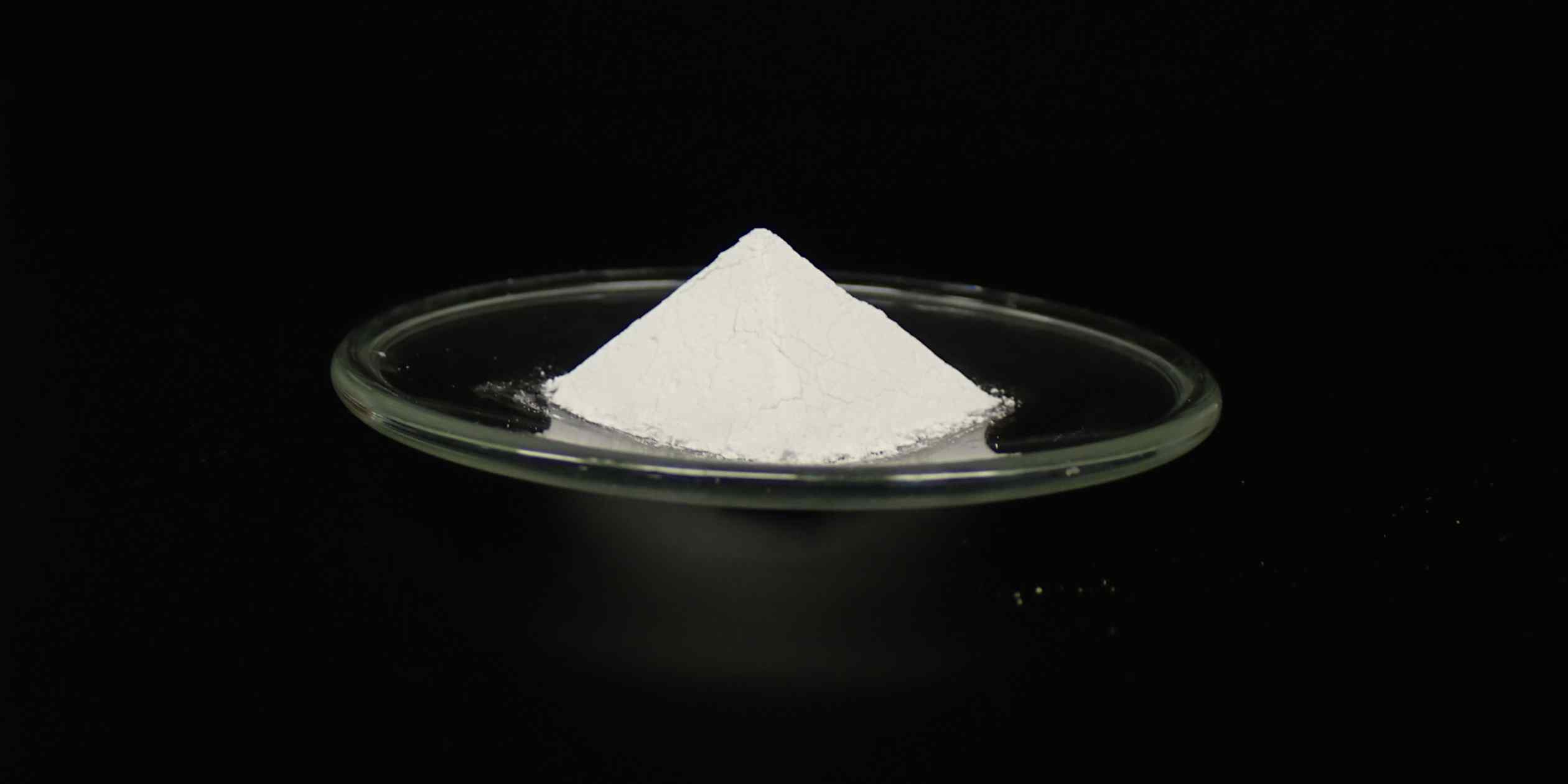
Sumitomo Chemical has developed a solid-electrolyte battery in collaboration with Kyoto University and Tottori University. The technology is based on halides and uses chlorine, among other elements. Sumitomo Chemical positions this material as an alternative to sulphide and oxide electrolytes. Sulphide electrolytes, in particular, are considered promising for solid-state batteries due to their high ionic conductivity. Sumitomo Chemical claims to have optimised the composition of its material to achieve comparable ionic conductivity, though the company has not yet provided specific figures.
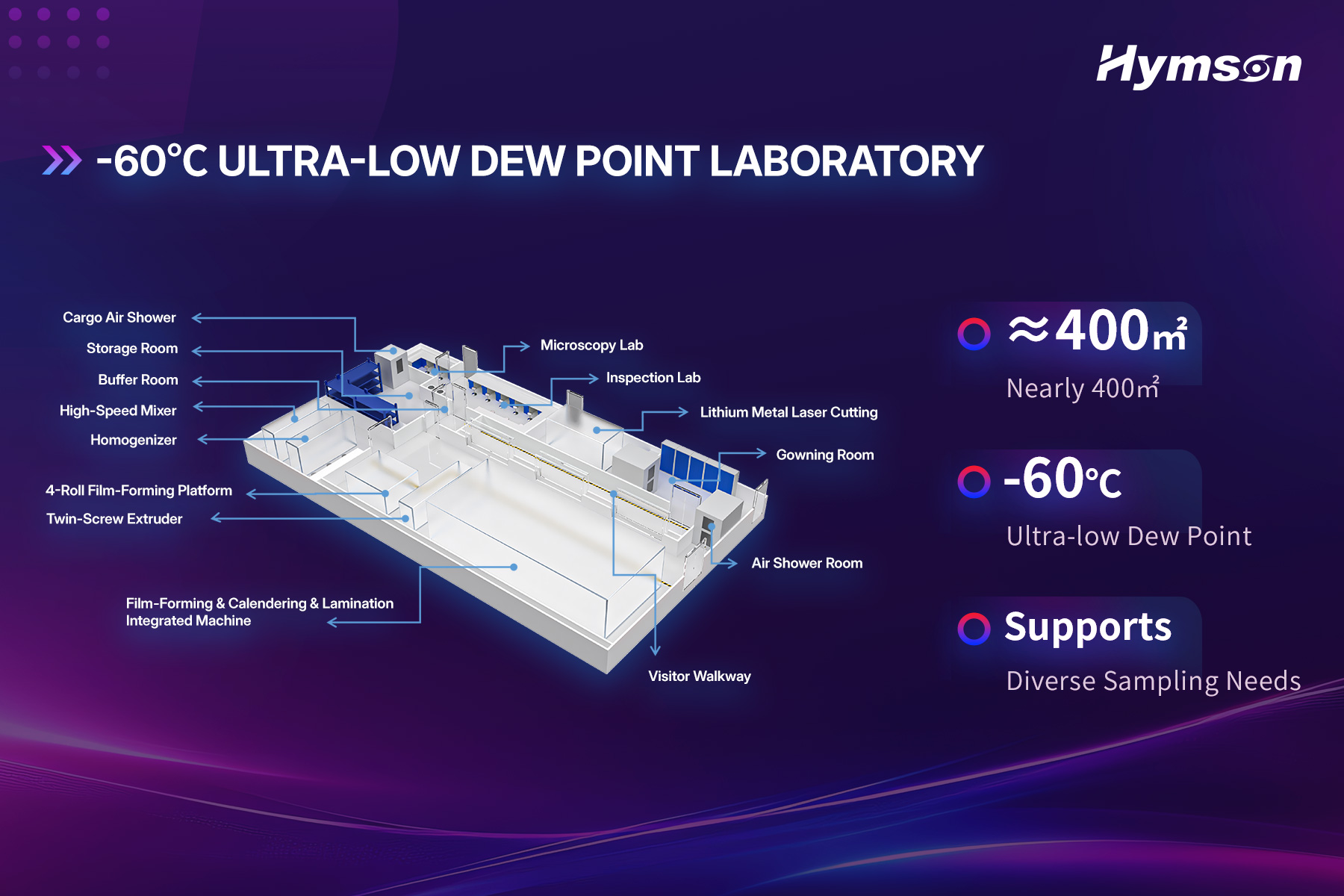
The key advantage may lie in production. Sulphide electrolytes are sensitive to moisture and require tightly controlled manufacturing conditions. The new material is expected to be less demanding to process. According to Sumitomo Chemical, battery manufacturers could partially utilise existing lithium-ion battery production facilities and conditions. The goal is to achieve manufacturing costs on par with today’s high-performance lithium-ion batteries.
This could be particularly relevant for electric vehicles. Solid-state batteries promise higher energy density, shorter charging times, and improved safety. However, widespread adoption has so far been hindered by high costs and the challenges of scaling production. Sumitomo Chemical’s approach directly targets one of the main barriers to mass-market deployment in electric cars. The company is currently having the material evaluated by potential customers and plans to initially establish mass production in Japan. No timeline or planned production capacities have been disclosed yet.