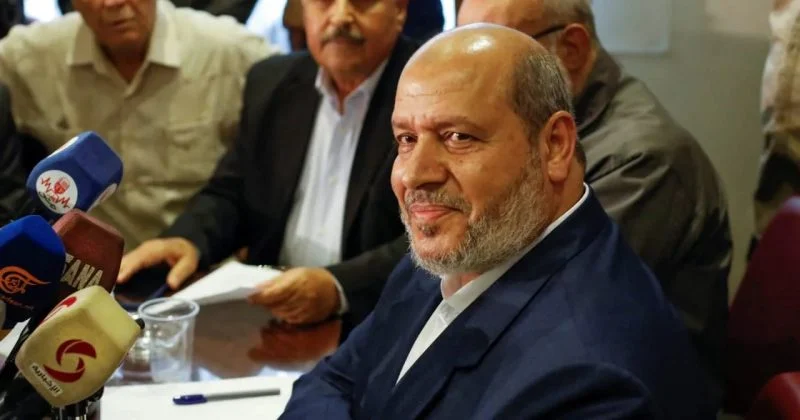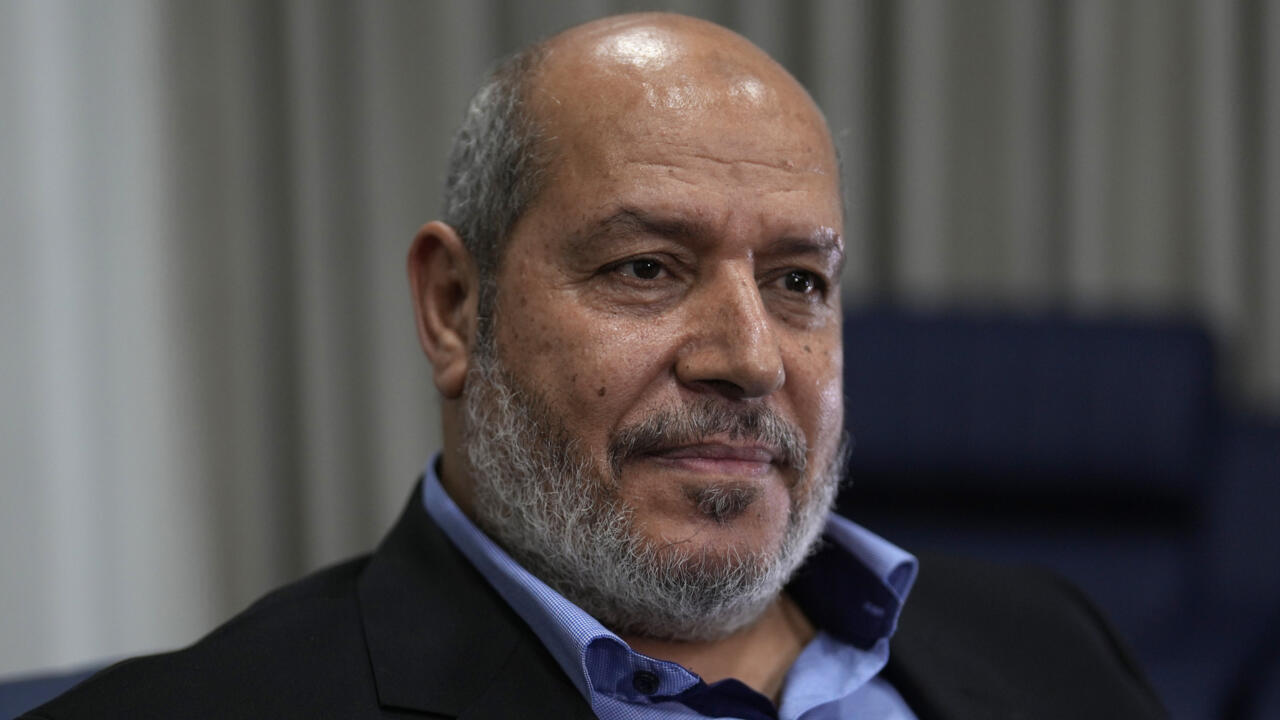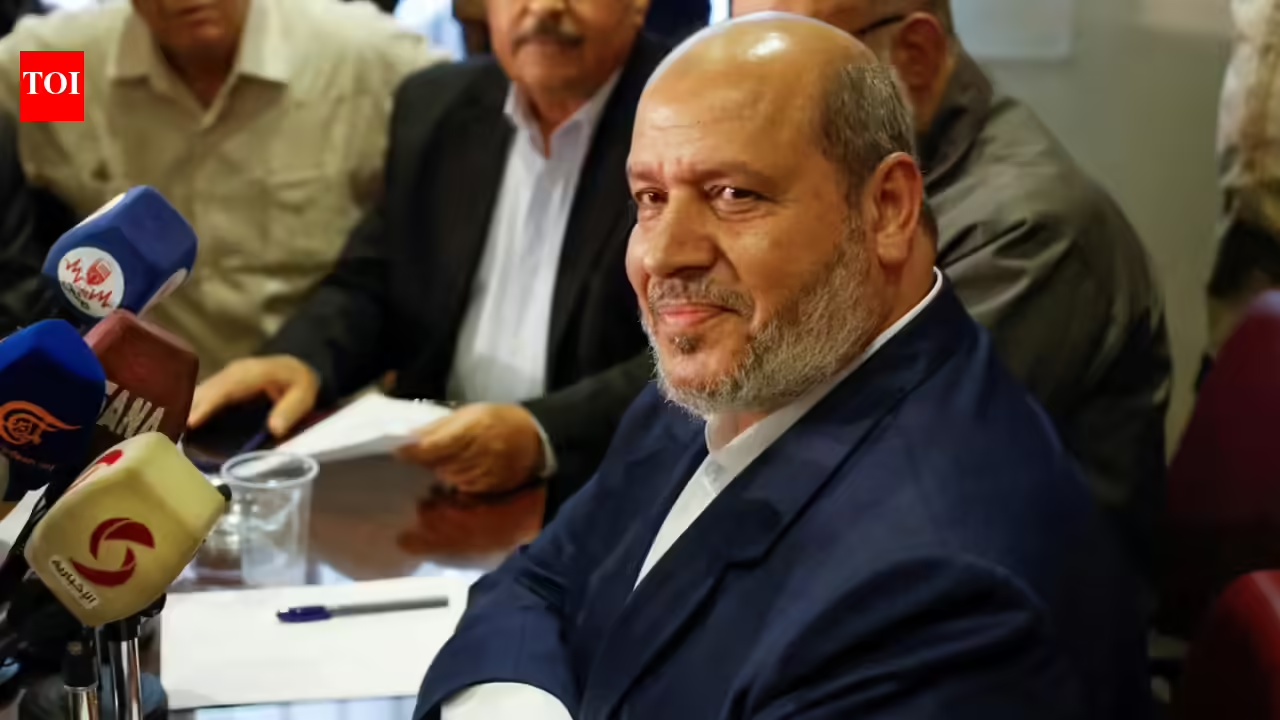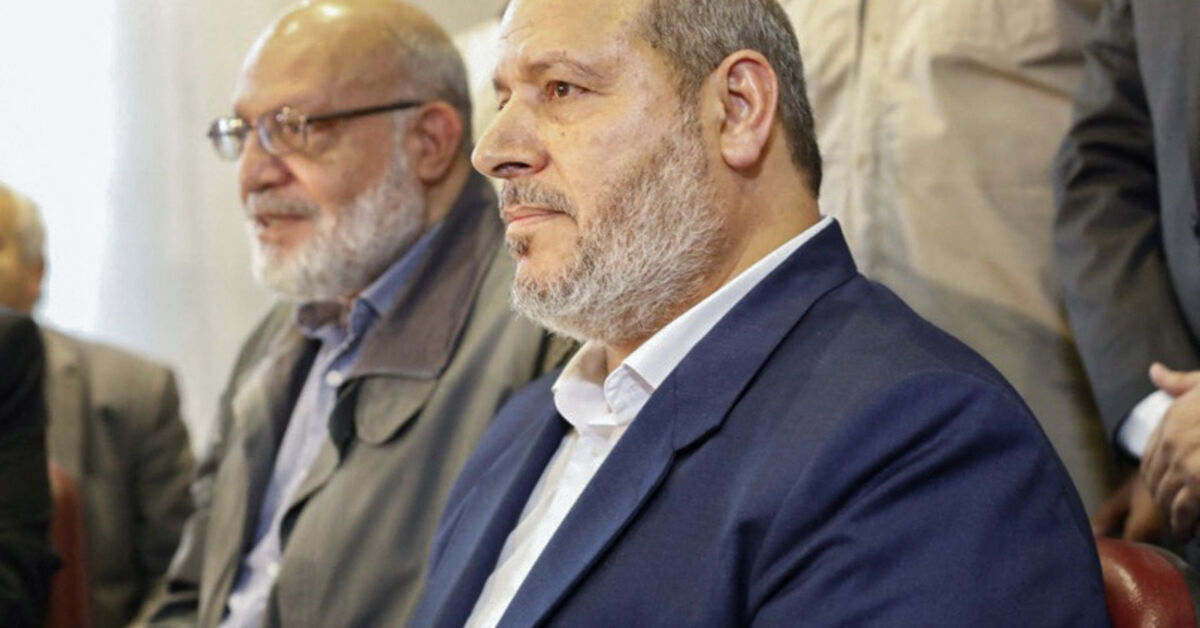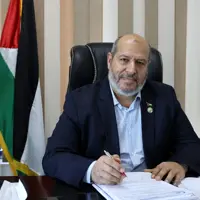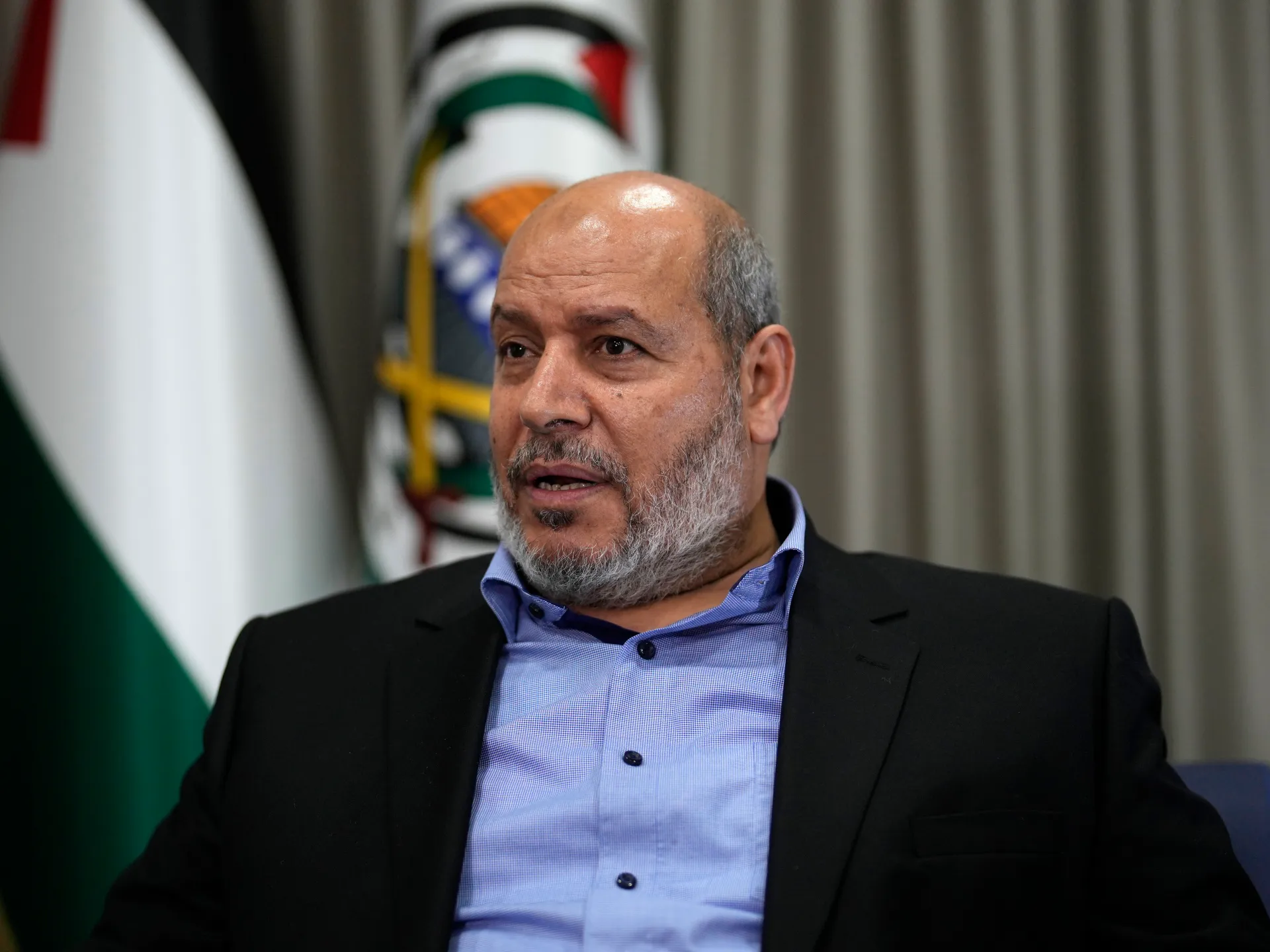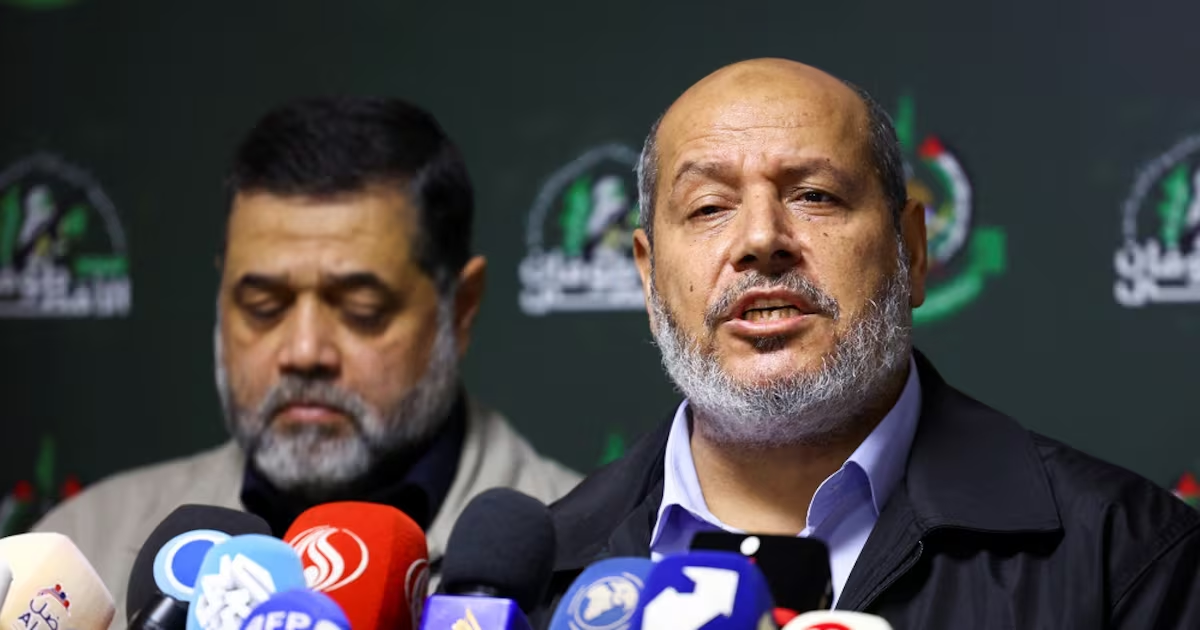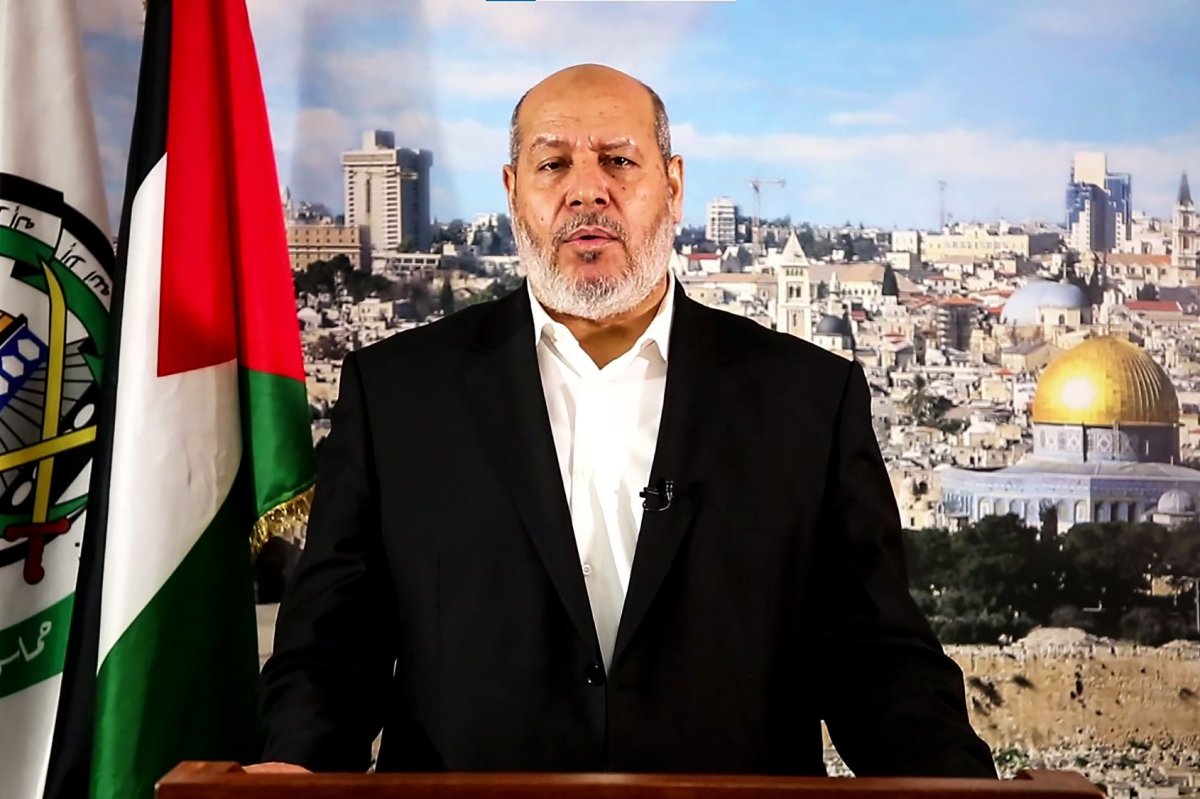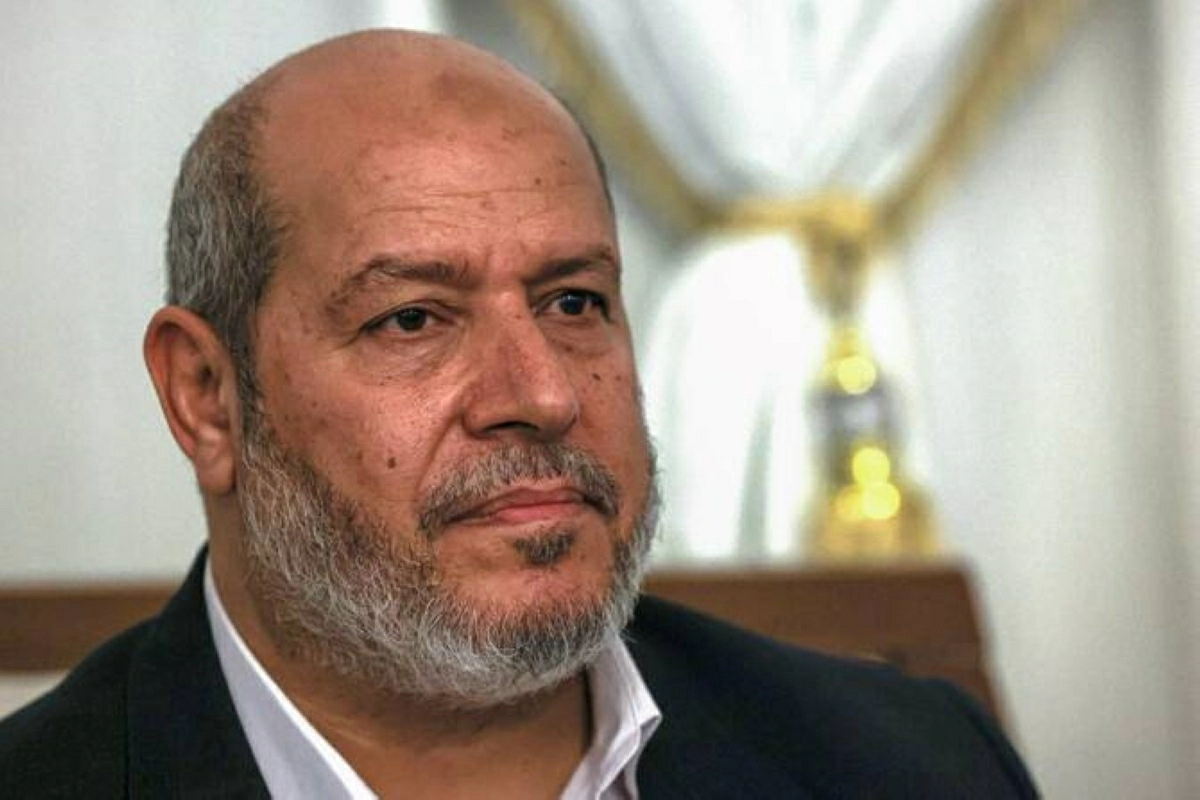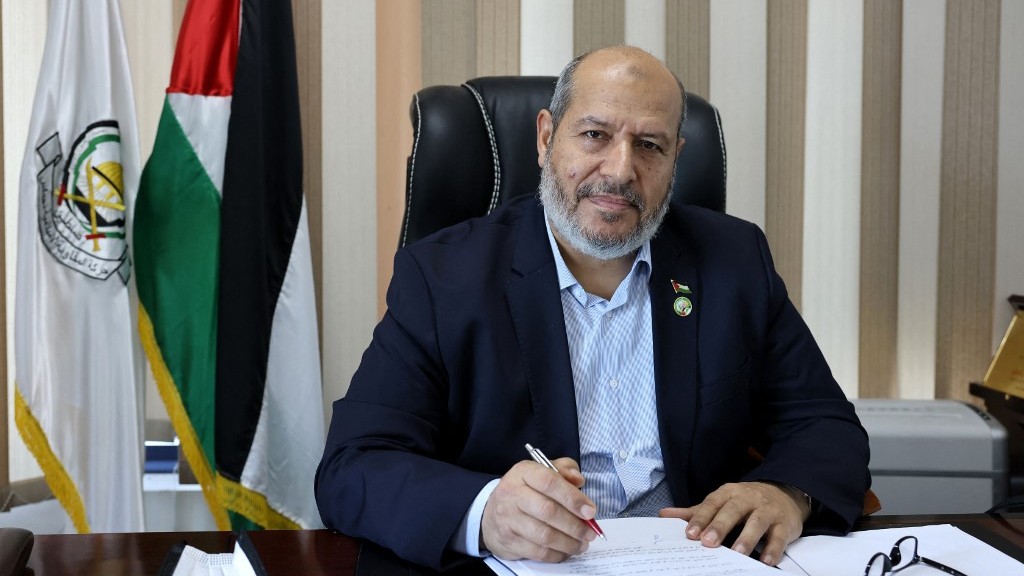
Following nearly two years of collective leadership, Hamas has selected Khalil al-Hayya as its new political leader. Al-Hayya is widely known for his deep-rooted and longstanding ties with the Islamic Republic, having been among the first leaders of the movement to publicly acknowledge Tehran’s financial backing. As early as 2009, Al-Hayya emphasised that while the Islamic Republic provided financial support to the group, Hamas maintained its autonomy, with no political conditions attached.
Al-Hayya has also repeatedly praised Qasem Soleimani, the late commander of the Quds Force, portraying himself and Hamas as loyal adherents of a man who “supported the resistance of the Palestinian nation” and under whose stewardship the Palestinian struggle gained new strength. A significant part of Al-Hayya’s gratitude stemmed from Tehran’s direct assistance - funding that Soleimani personally delivered in suitcases packed with cash during the late 2000s, which later expanded into monthly disbursements exceeding $6 million.
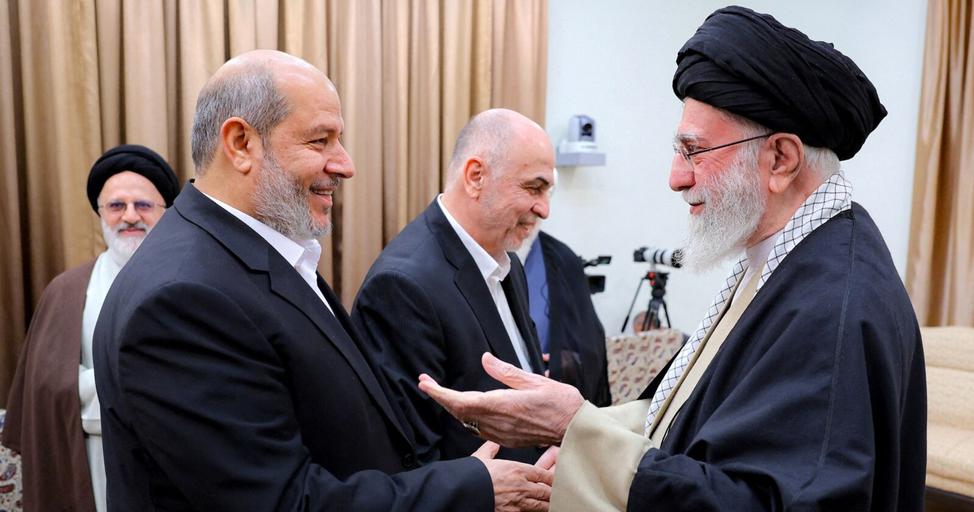
Officials of the Islamic Republic made no secret of this relationship and routinely celebrated it. During a meeting with Al-Hayya in January 2025, Supreme Leader Ali Khamenei stated that Hamas had successfully prevailed over Israel and the United States, preventing them from achieving “any of their objectives.” Khamenei thus signalled his explicit satisfaction with Hamas’s performance following the October 7, 2023, attacks against Israel - a raid that ultimately opened the floodgates to the weakening of the “Axis of Resistance.” But what does Al-Hayya’s appointment mean under the present geopolitical circumstances?