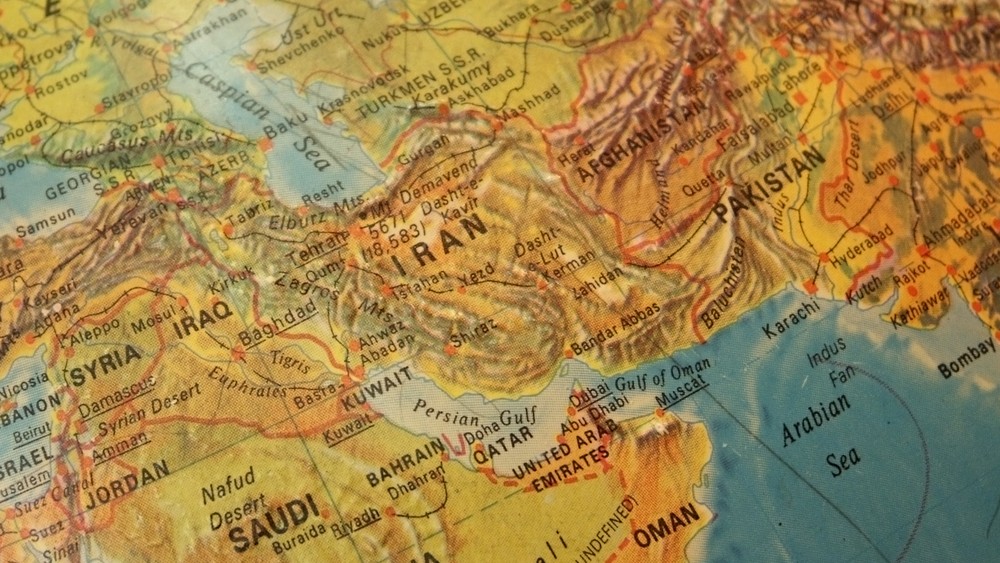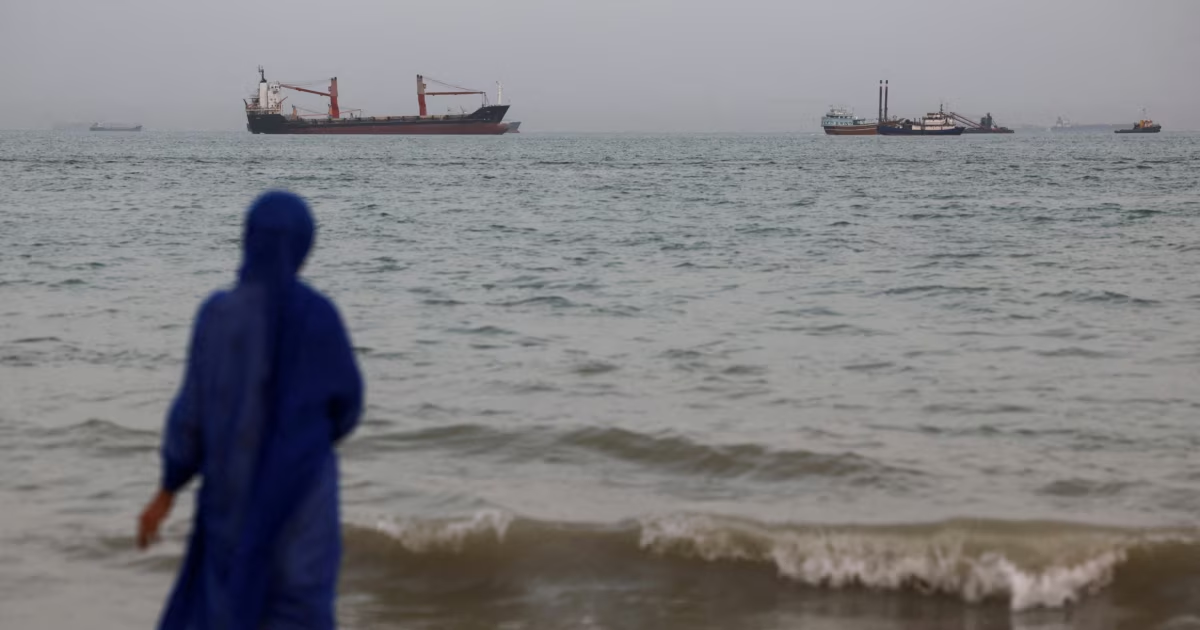
MANILA -- For years, policymakers in Washington have viewed Asia primarily through the lens of Taiwan, the South China Sea, and China's military rise. Russia's full-scale invasion of Ukraine has only reinforced that perspective, cementing Europe and East Asia as the principal arenas of geopolitical competition.But security experts in Southeast Asia increasingly argue that another crisis thousands of kilometers away in the Middle East may ultimately reshape the regional balance of power far more profoundly than either Ukraine or Taiwan.The strategic importance of the Strait of Hormuz, through which roughly a fifth of the world's oil passes, has become impossible for governments across Southeast Asia to ignore.
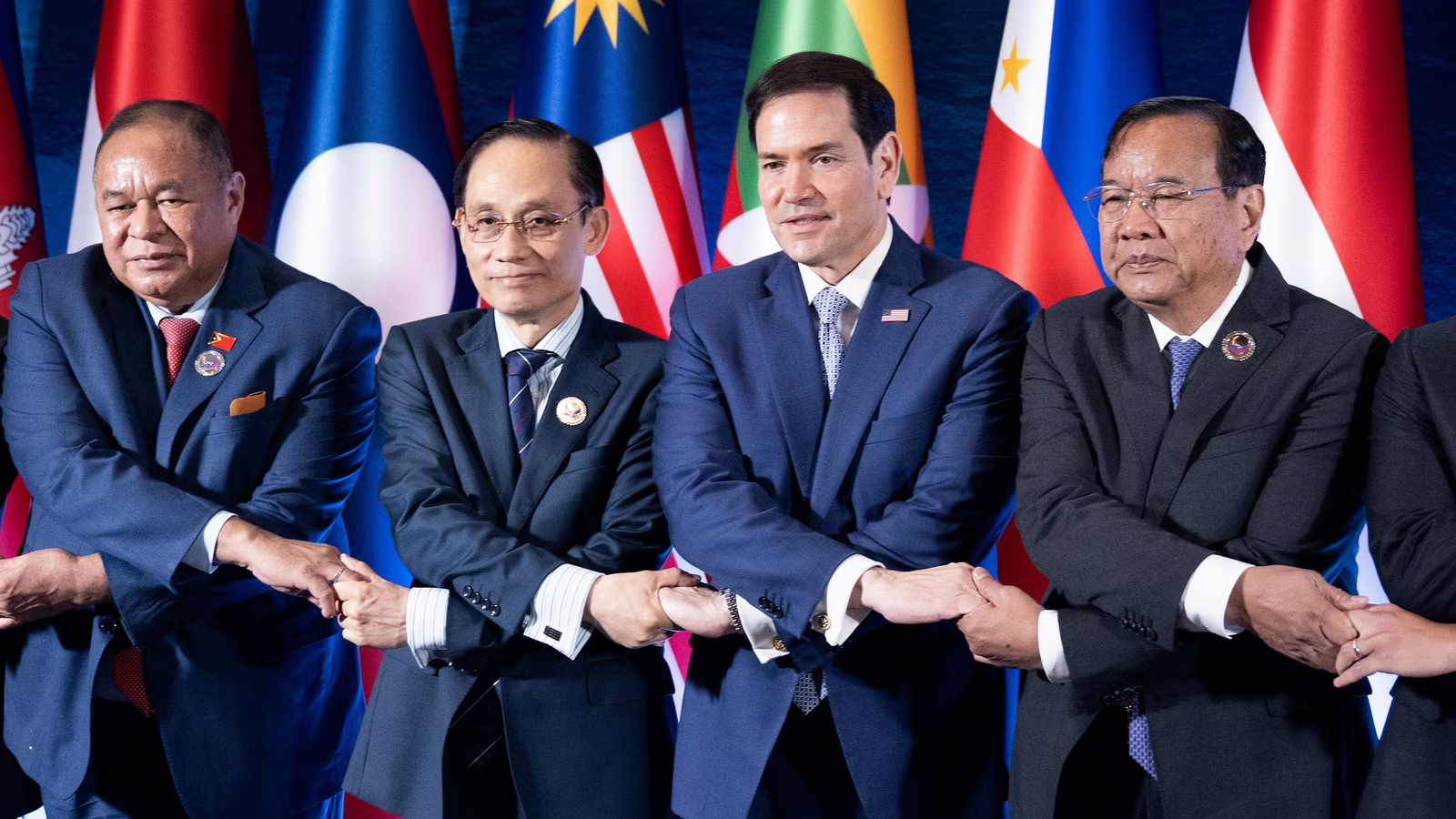
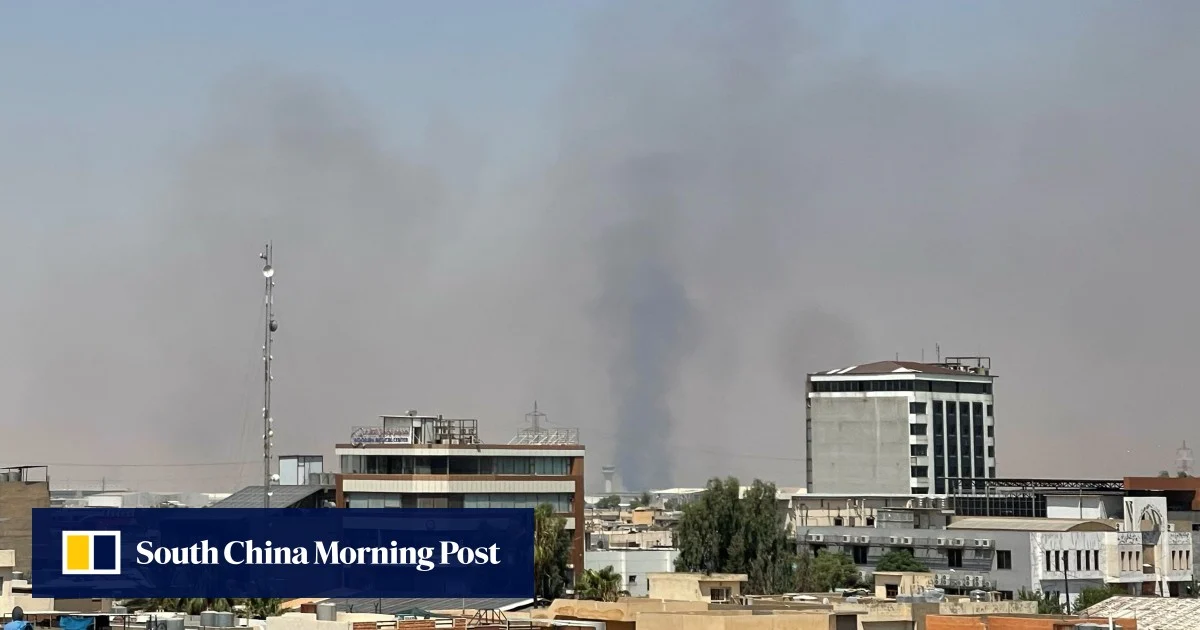
As tensions involving Iran threaten one of the world's most important energy chokepoints, analysts say the consequences are already altering regional calculations about security, diplomacy, and alliances."We're already seeing ASEAN (the Association of Southeast Asian Nations) moving toward Russia, not in security but in energy reliance," Lester Joseph Buitizon, a Manila-based threat intelligence analyst with Aldebaran Threat Consultants whose work focuses on international security and politics in the Middle East and North Africa (MENA), told RFE/RL.Military operations between the United States and Iran in recent days have renewed attention on the Strait of Hormuz.Iran is claiming control of the strategic transit route, while the United States says it has been launching air strikes aimed at targets in southern Iran "to further degrade Iranian military capabilities used to attack commercial shipping in the Strait of Hormuz."Despite a significant US military presence, shipping companies remain reluctant to transit the strait, highlighting a reality that extends beyond naval power: The greatest challenge may be restoring confidence among commercial operators.Oil transit in the Strait of Hormuz is of critical importance to Southeast Asia because it remains deeply dependent on Middle Eastern energy.The Philippines, for example, imports more than 90 percent of its oil from the Middle East, making disruptions in flow an immediate economic and political concern rather than a distant foreign policy issue.Although Manila remains one of Washington's closest treaty allies and public opinion continues to favor the United States over China, the Marcos administration has sought to increase Russian crude access and expanded discussions over long-term energy cooperation.