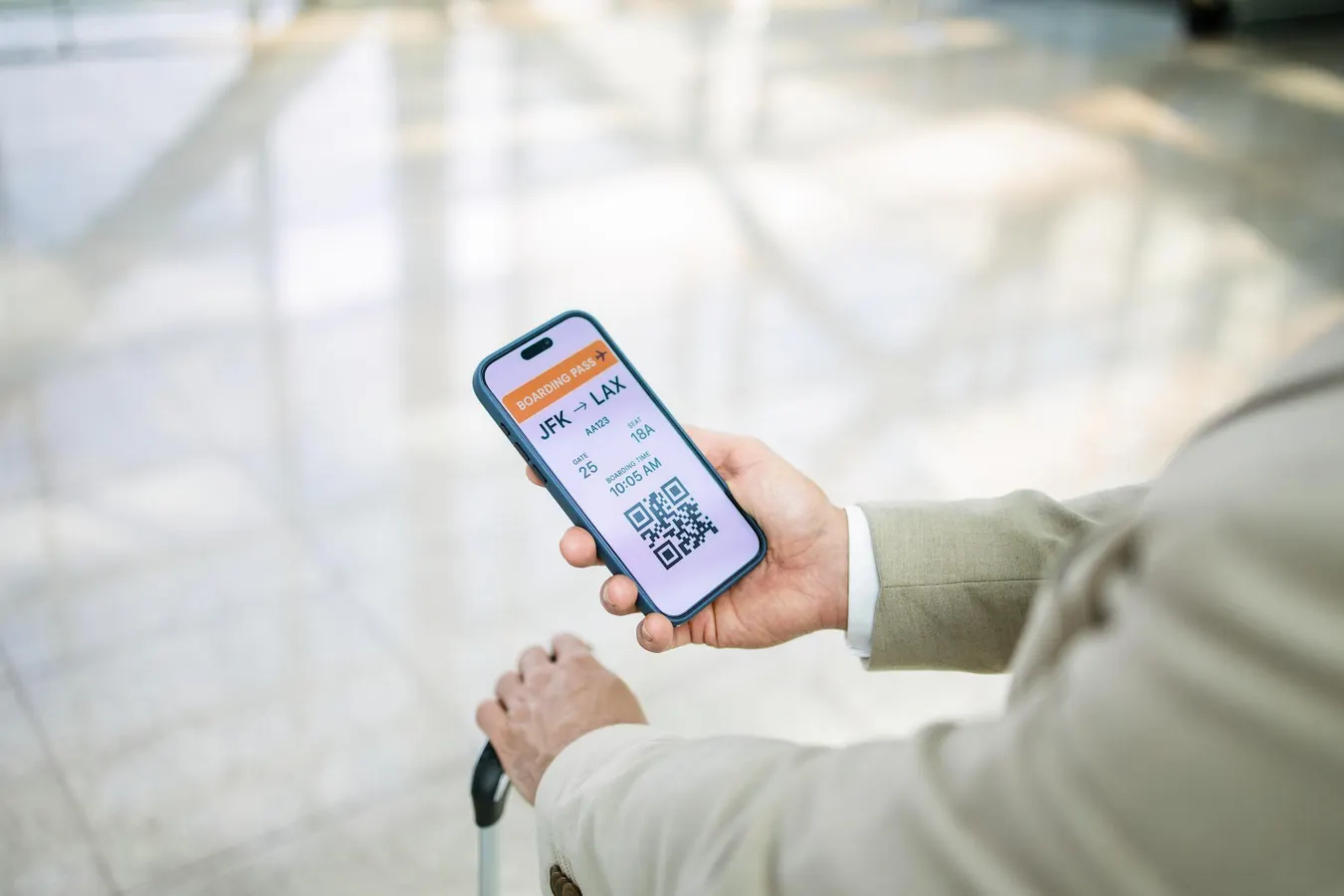
By Juan Pablo Lafosse, CEO, TravelX.gettyThe airline industry has traditionally been focused on building sophisticated systems to optimize pricing, forecast demand, manage inventory and maximize revenue before a passenger purchases a ticket. This approach has transformed aviation economics.However, once the booking is completed, the commercial relationship with the passenger has historically become static. And that is precisely where one of the biggest untapped revenue opportunities in airline retailing exists today.The reality is that demand does not stop evolving after a ticket is sold. Passenger behavior changes. Flights become constrained or soften. Operational conditions shift. Demand fluctuates until departure. Yet most airlines still manage post-booking inventory using systems and processes originally designed for a static world.The next major evolution in airline retailing will not be defined only by how airlines optimize the pre-booking phase, but by how they manage demand after booking, which will require a structural transition from static inventory management toward continuous, context-aware demand orchestration.Evolving Post-Booking Revenue ManagementRather than treating booked passengers as closed transactions, airlines should treat them as part of a dynamic demand ecosystem where they can continuously optimize inventory allocation, revenue generation and customer value in real time.The core concept is that inventory value changes continuously until departure. A seat that appears low value several days before departure can suddenly become highly valuable as demand patterns evolve closer to departure. Similarly, flights that initially look constrained may later develop excess capacity due to operational conditions or changes in passenger behavior.As a result, one of the industry’s largest structural inefficiencies persists today: Airlines frequently spill high-yield, last-minute demand because constrained flights are already occupied by lower-yield passengers booked weeks or months earlier. Once a flight is full, the airline loses the ability to capture incremental high-value demand arriving closer to departure.This problem becomes increasingly relevant as airlines seek to improve revenue performance and load factor optimization. Traditionally, these objectives often operated in tension. Revenue management systems optimized for yield and operations teams optimized for load factor and network utilization, while commercial teams focused on customer experience and ancillary revenue generation. But AI is now making it possible to optimize these dimensions together.AI-Powered Dynamic Inventory OptimizationAI can support this shift by continuously evaluating large volumes of signals across bookings, flight demand, passenger behavior, network conditions and operational performance to identify where inventory value may change, where demand pressure may emerge and where alternative actions could create better commercial or customer outcomes.Rather than attempting to predict a single future state, these models can estimate probabilities and trade-offs across multiple scenarios. They can help airlines better understand both evolving flight conditions and passenger responsiveness, identifying where travelers may be more or less receptive to alternative options based on factors such as trip characteristics, booking behavior, itinerary complexity, historical change patterns, network constraints and proximity to departure. As a result, decision-making becomes less rule-based and more adaptive to changing conditions.Traditional airline systems have largely relied on predefined controls, periodic recalculations and inventory policies designed around fixed planning intervals. Increasingly, airlines are exploring context-aware decisioning approaches that reassess network conditions, demand shifts, operational constraints and inventory value more dynamically in order to surface higher-value opportunities.This is why post-booking optimization is difficult to manage through static logic alone. It increasingly depends on systems that can incorporate changing context, reevaluate opportunity value and coordinate inventory actions across commercial and operational functions as conditions evolve.That shift from static control toward more responsive, context-driven decisioning may become one of the most consequential changes in airline retailing over the coming years.How Dynamic Inventory Orchestration Can Deliver Value A traveler with flexible plans may gladly accept an alternative flight in exchange for compensation, credits, upgrades or personalized benefits. That movement can free highly constrained inventory for another passenger willing to pay a substantially higher fare closer to departure.This is what I call dynamic inventory orchestration that delivers post-booking offers that provide value to both the passenger and the airline. A real-time intelligent inventory model, where availability can continuously adapt as demand evolves, can enable what I believe will become a core capability for the future of airline retailing: continuous booking.Instead of exhausting high-demand inventory too early, airlines can maintain access to valuable seats for longer periods of time by intelligently rebalancing already-booked demand across their network. That changes the economics of how airlines monetize constrained inventory. However, successful orchestration requires a balance. Overly aggressive optimization can make passengers feel manipulated rather than rewarded if incentives and communication are not handled carefully.Fundamentally Changing Post-Booking InteractionsHistorically, post-booking engagement has been transactional, focused on notifications, schedule changes or ancillary upsell opportunities rather than continuous demand optimization. Many legacy airline platforms were designed around periodic inventory updates, siloed operational systems and limited orchestration across commercial and operational functions, which constrained the ability to dynamically engage booked passengers at scale.That is beginning to change. Across the industry, modernization efforts centered on offer-and-order architectures, API-enabled platforms and increasingly data-driven decisioning capabilities are creating the technical foundation for more adaptive forms of post-booking retailing. While continuous optimization remains an emerging capability, these developments are making more responsive, context-aware inventory and customer engagement models increasingly feasible.The airlines that will lead this transition are not necessarily those with the most sophisticated forecasting models, but those capable of integrating data, automation, operational intelligence and customer experience into a unified commercial strategy.Trust, however, remains critical. Passengers must clearly understand the value they receive in any proposed change. The experience needs to feel personalized, transparent and beneficial, not disruptive or purely transactional. When executed correctly, post-booking retailing creates alignment between airline economics and passenger flexibility in a way that historically did not exist.Still In The Early StagesThe airline industry has spent decades optimizing the pre-booking phase. I expect that over the next decade, the largest innovation opportunity in airline retailing will emerge after the booking is made.That is where airline retailing can become truly dynamic and where continuous demand orchestration becomes possible. Ultimately, I believe this is where context-driven, real-time intelligence will redefine how airlines manage inventory, interact with passengers and maximize network value.Forbes Technology Council is an invitation-only community for world-class CIOs, CTOs and technology executives. Do I qualify?
Continuous Demand Optimization: Transforming The Post-Booking Process
The next major evolution in airline retailing will not be defined only by how airlines optimize the pre-booking phase, but by how they manage demand after booking.
1,020 words~5 min read