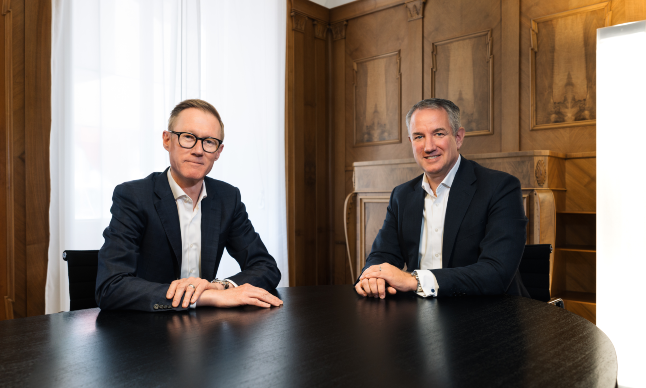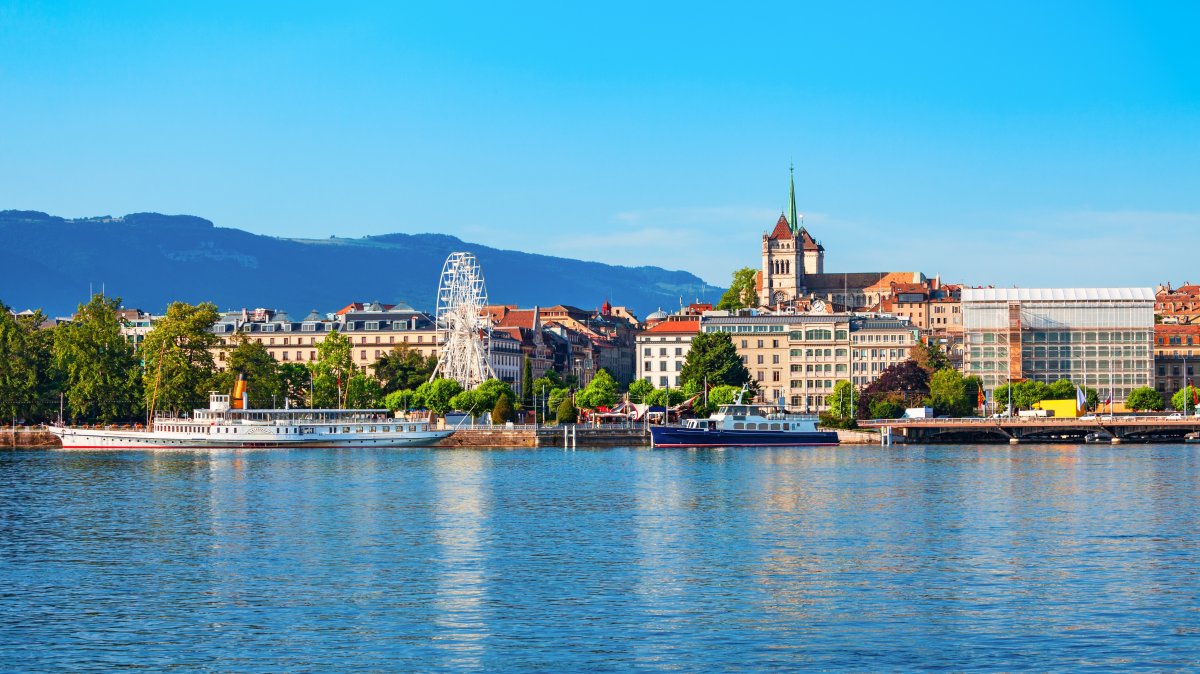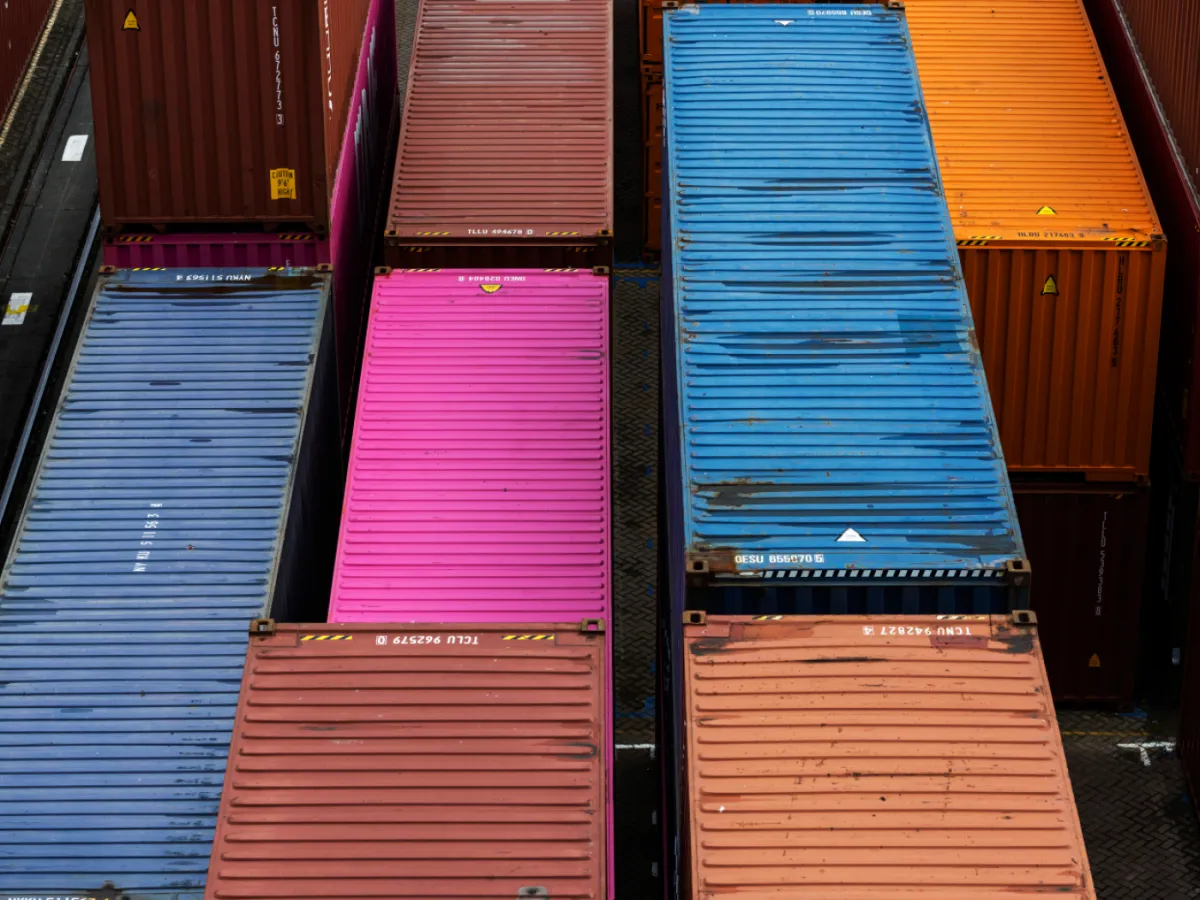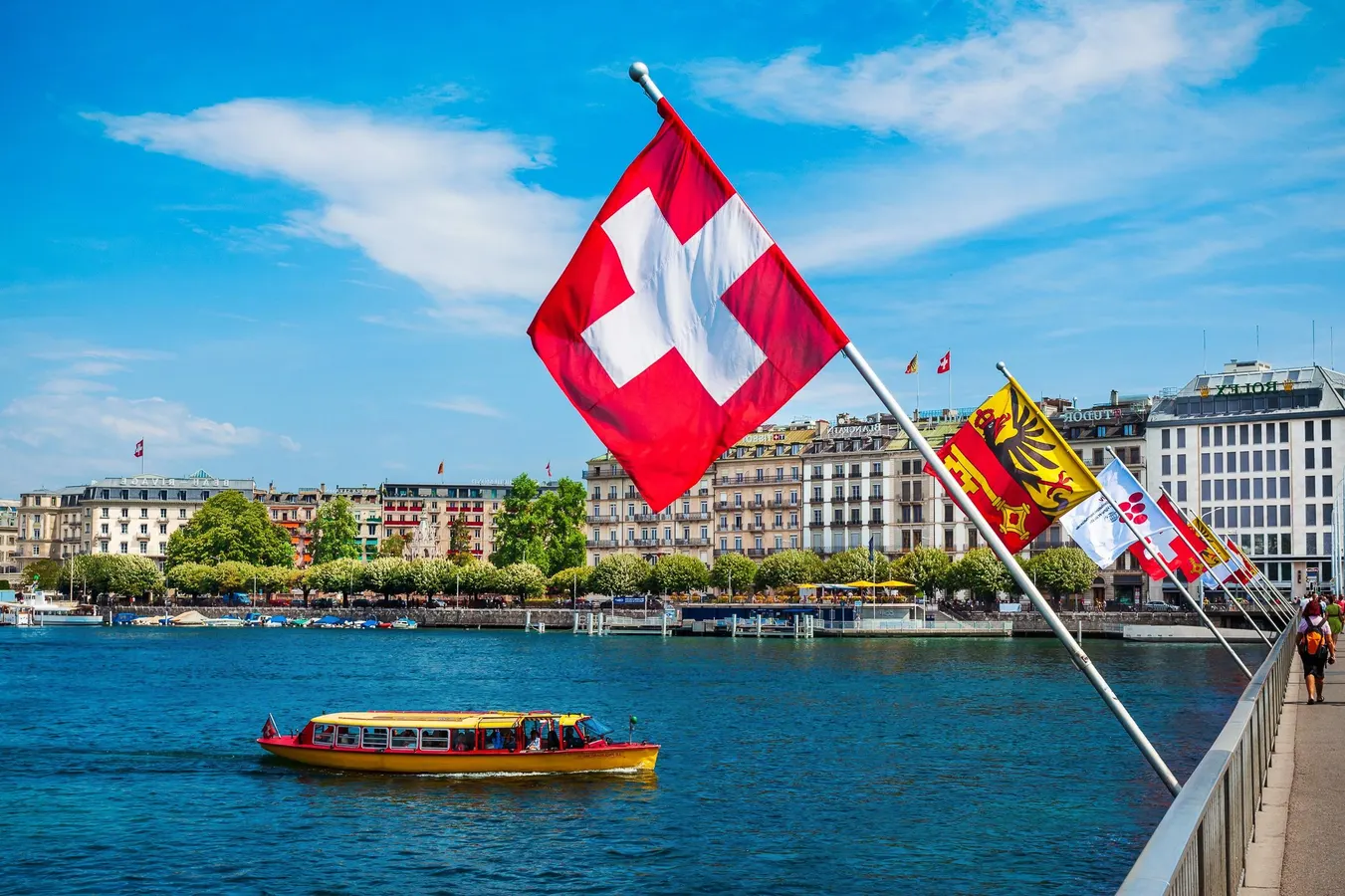
Geneva—where culture and commodities connect. Switzerland's banking infrastructure continues to attract global talent, and the lifestyle markers they expect.ShutterstockIn an era defined by geopolitical uncertainty and supply-chain disruption, control of physical commodities has never been more crucial. Despite its modest size, Geneva (pop. around 200,000) has become one of the planet’s leading bases for commodity trading.The city’s rise began in the 1970s, when innovative trade-finance structures developed by Geneva bankers transformed the financing of physical commodities. One of the key figures was Christian Weyer, a young French banker at the Geneva branch of Banque de Paris et des Pays-Bas (Paribas), who pioneered the use of letters of credit secured against physical goods. This allowed traders to finance enormous commodity flows with limited equity, creating the foundations for a new model of global trading and helping establish Geneva as the operational nerve center of the industry.As Sébastien Gentilini, director of operations at luxury property agency FGP Swiss & Alps, notes, “The banking infrastructure preceded and attracted the traders—not the other way around.” With a permanent resident population of just over 200,000, Geneva punches well above its local weight in international influence and wealth migration.ShutterstockToday, Swiss-based commodities firms such as Cargill, Vitol, Trafigura, Mercuria and Gunvor handle roughly one-third of global oil trading, around 60% of metals trading and significant shares of agricultural commodities. Many of them are based in a relatively compact stretch of offices around the famous lake. And together, these firms anchor a dense trading ecosystem. The Geneva Trading & Shipping Association represents more than 400 member companies alone, while the Commodity Trading Club, led by Julien Arbace, brings together around 60 companies active across commodity trading, trade finance, shipping and logistics.Between 2021 and 2024, a commodities boom… pushed global trading margins to nearly $150 billion in 2022.
How Commodity Trading Is Quietly Shaping Geneva’s Prestige Property Market
A remarkable share of the world’s commodities is traded from a cluster of offices overlooking Lake Geneva, bringing talent, wealth and lifestyle windfalls for property investors.
1,049 words~5 min read