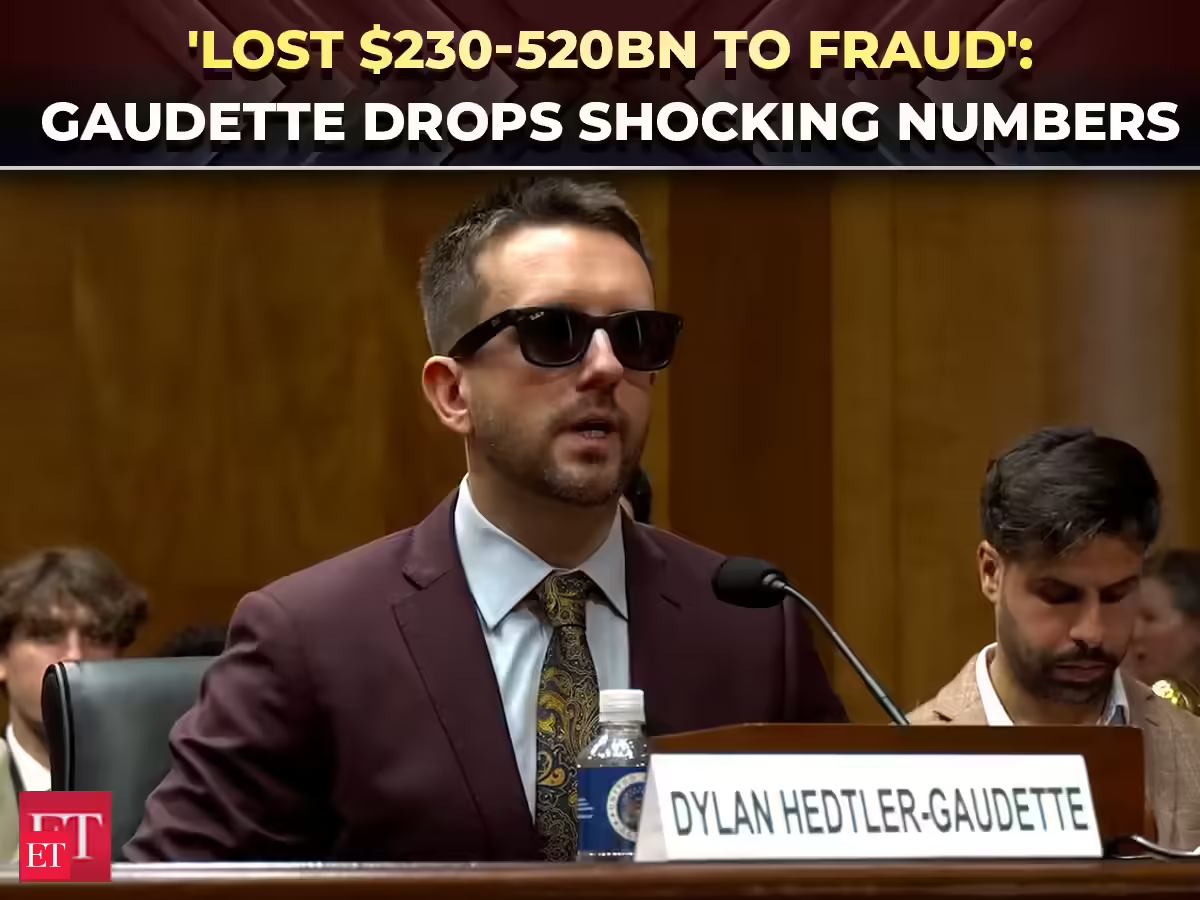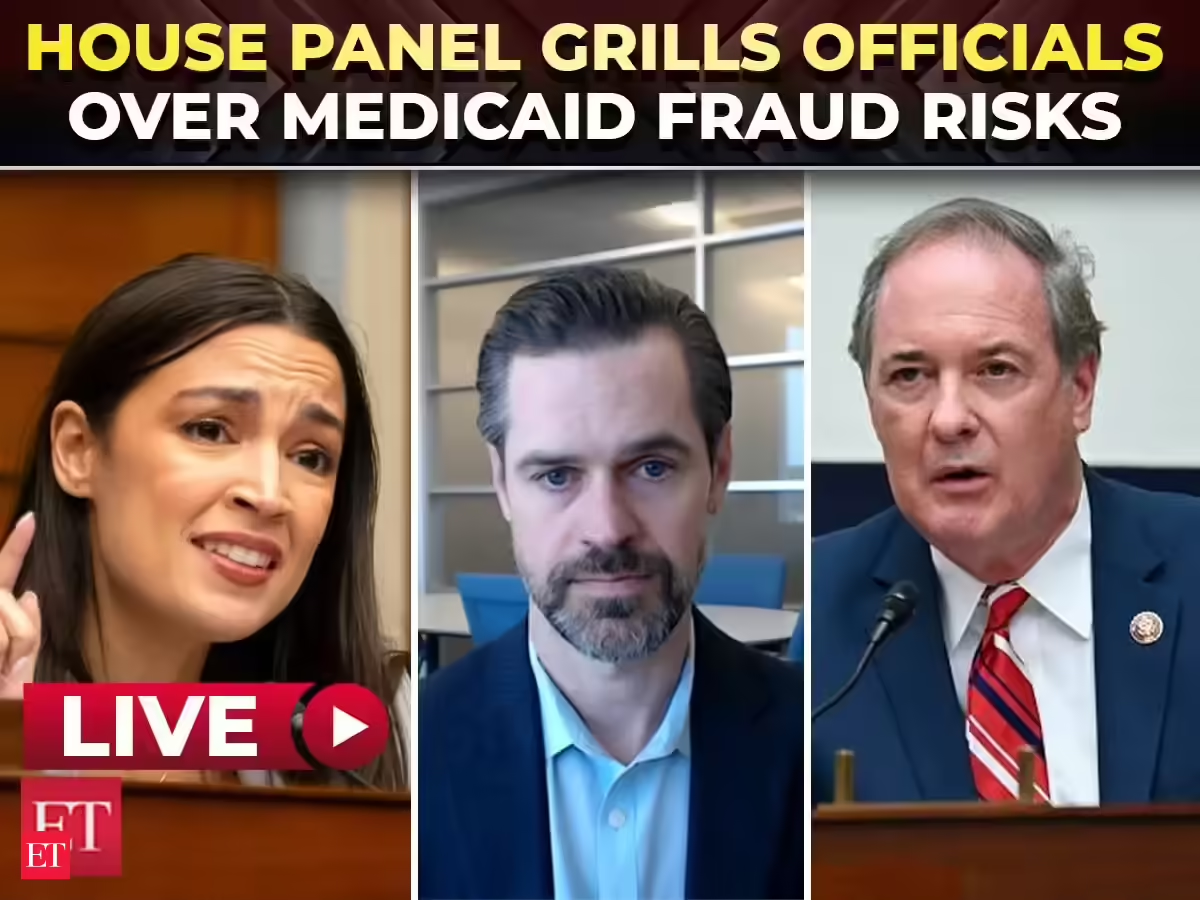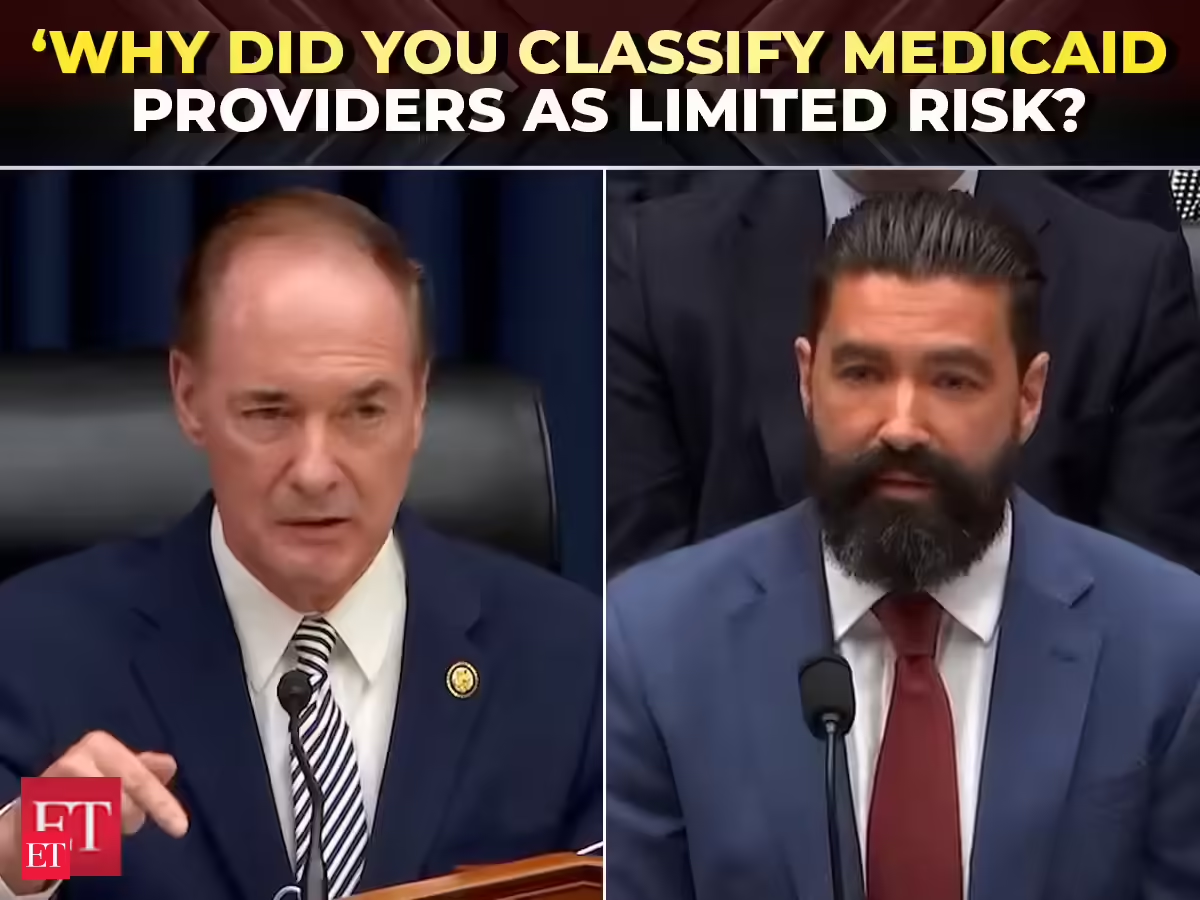
I have spent more than a decade testifying about fiduciary duty in federal and state courtrooms. The standard is not complicated. If you hold someone else’s money, you owe that person undivided loyalty, prudent judgment, and, at a minimum, your presence when the subject is how their money got stolen. Miss that standard as an investment manager, and you get sued. Miss it as a United States senator, evidently, nobody docks your pay.That is the lesson from last Wednesday’s Senate Homeland Security and Governmental Affairs Committee hearing, titled “Exposing Fraud in America.” Chairman Rand Paul (R-KY) opened by noting that the debt clock in his office stood at nearly $40 trillion that morning. A bank confirms an account exists before it wires money, he said. A credit card company flags suspicious charges in seconds. An insurance company verifies a patient exists before paying a claim. Washington pays first and asks questions later, if it asks them at all.Independent investigator Nick Shirley testified about touring supposed daycare centers in Minneapolis that had collected millions in taxpayer money. He found industrial buildings with blacked-out windows, no playgrounds, no children, and no one answering the door. He told the committee that California’s Medicaid program had ballooned from $108 billion to $222 billion, while enrollment rose by less than 1%, and called the state functionally bankrupt.
The fraud hearing Democrats couldn't be bothered to attend
Senators' no-show at a fraud hearing shows the failure of fiduciary duty as billions are lost to Medicaid scams and weak oversight persists.
757 words~3 min read