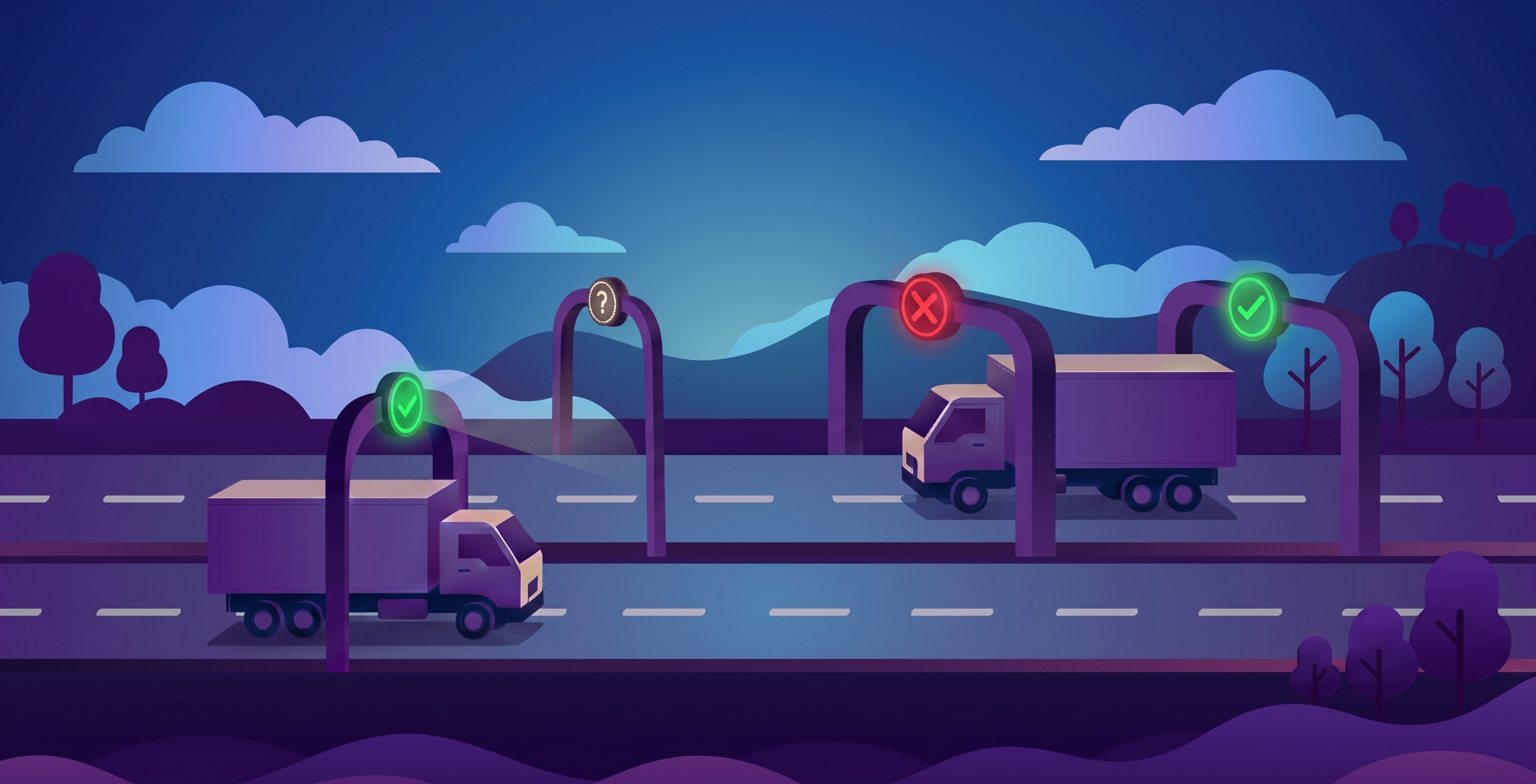
An AI agent guardrail is a control that constrains what an autonomous AI agent can actually do, not just what you ask it to do, so that a mistake, a hallucination, or a hijacked instruction can't turn into a bad outcome you can't undo. The guardrails that earn their place don't depend on a human noticing the problem and clicking "deny" in time. They shape the environment, the permissions, and the action itself so the dangerous version is impossible, capped, reversible, or stoppable. This checklist walks through AI agent guardrails grouped by the four LoopRails moves (Grade · Guard · Show · Prove) and the RAIL properties every governed action should keep: Reversible, Authorized, Interruptible, Logged. Each guardrail gets a short what/why/how, then a map to action grades G0 to G3 so you spend effort where the blast radius is.
One question should drive every choice here: can a human realistically catch this mistake in time? If yes, a well-built review can work. If no, stop staging a review and prevent the bad outcome instead. That distinction is the whole point of the framework, and it's why a guardrail usually beats a prompt.
Step 1: Grade the action first
You can't pick guardrails until you know what an action is worth. Grade every action your agent can take on three axes (reversibility, blast radius, and stakes) and let the highest axis set the grade.