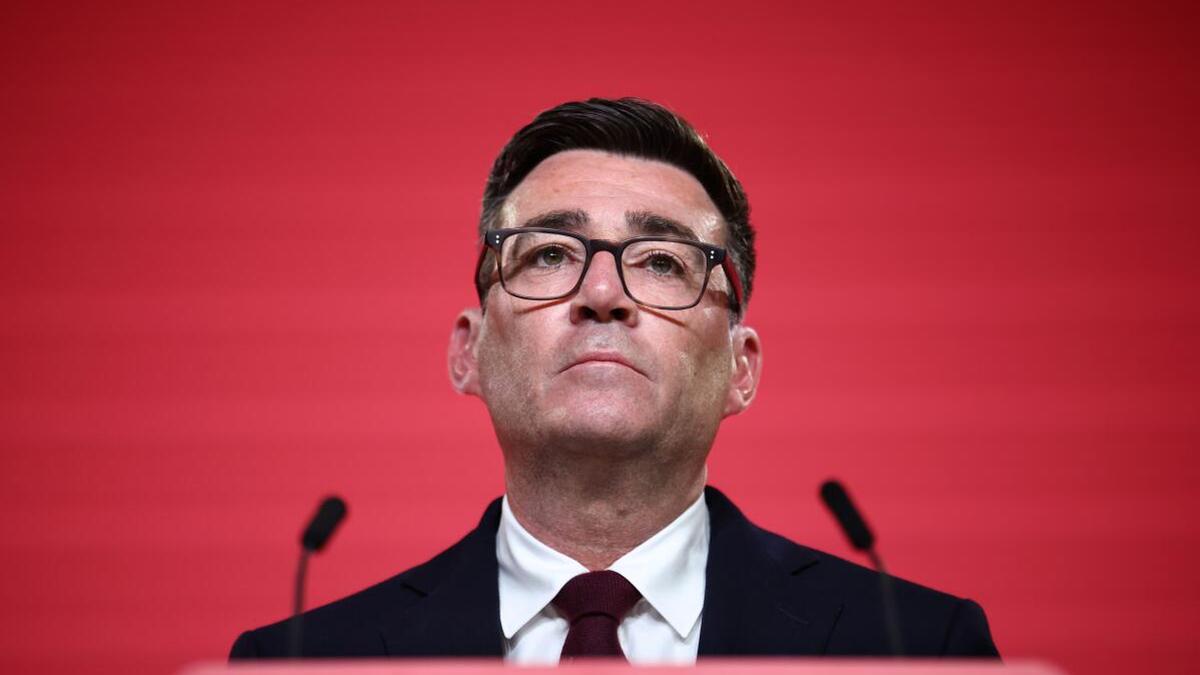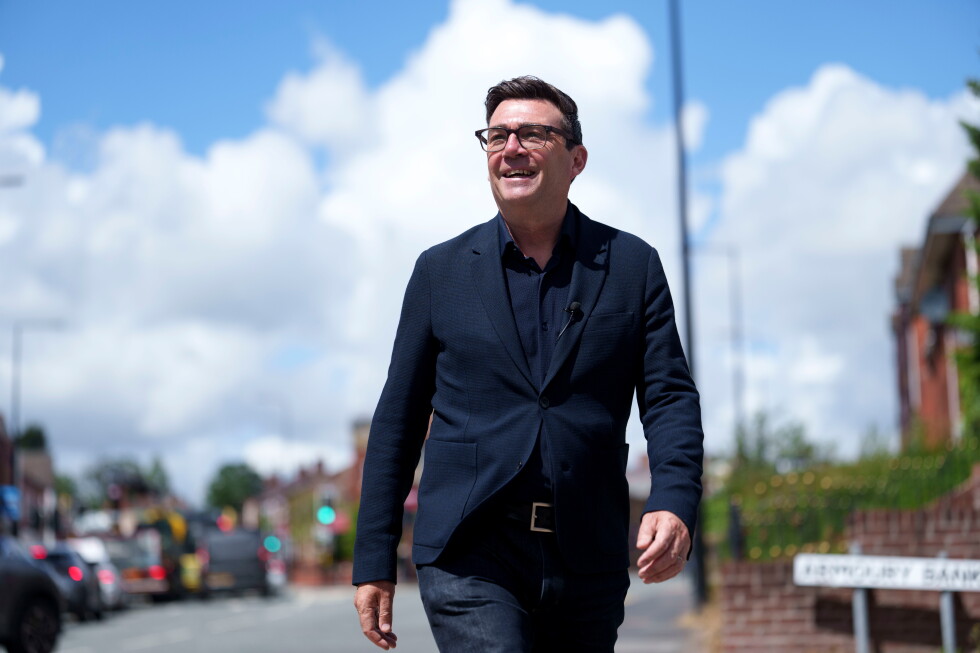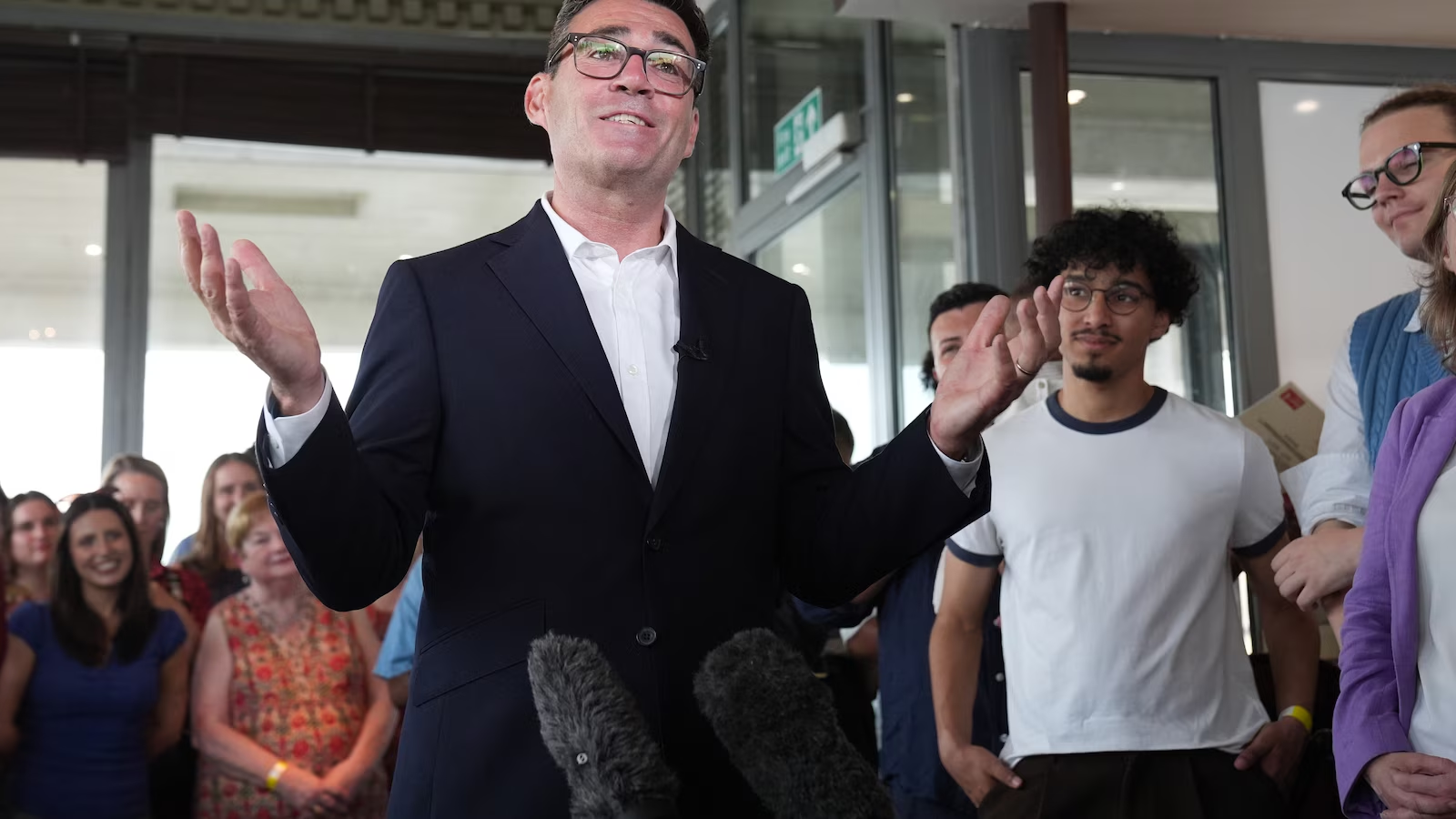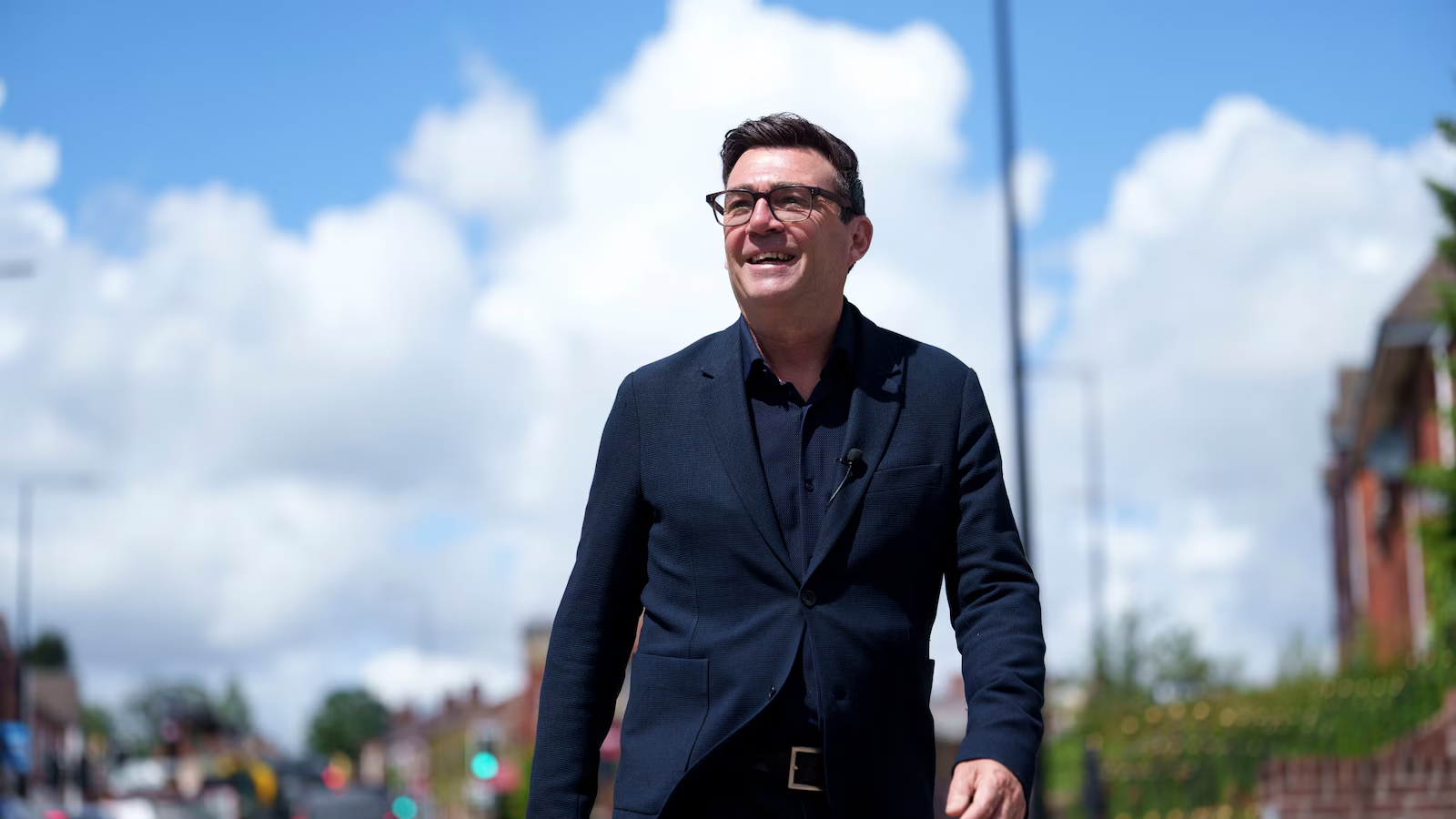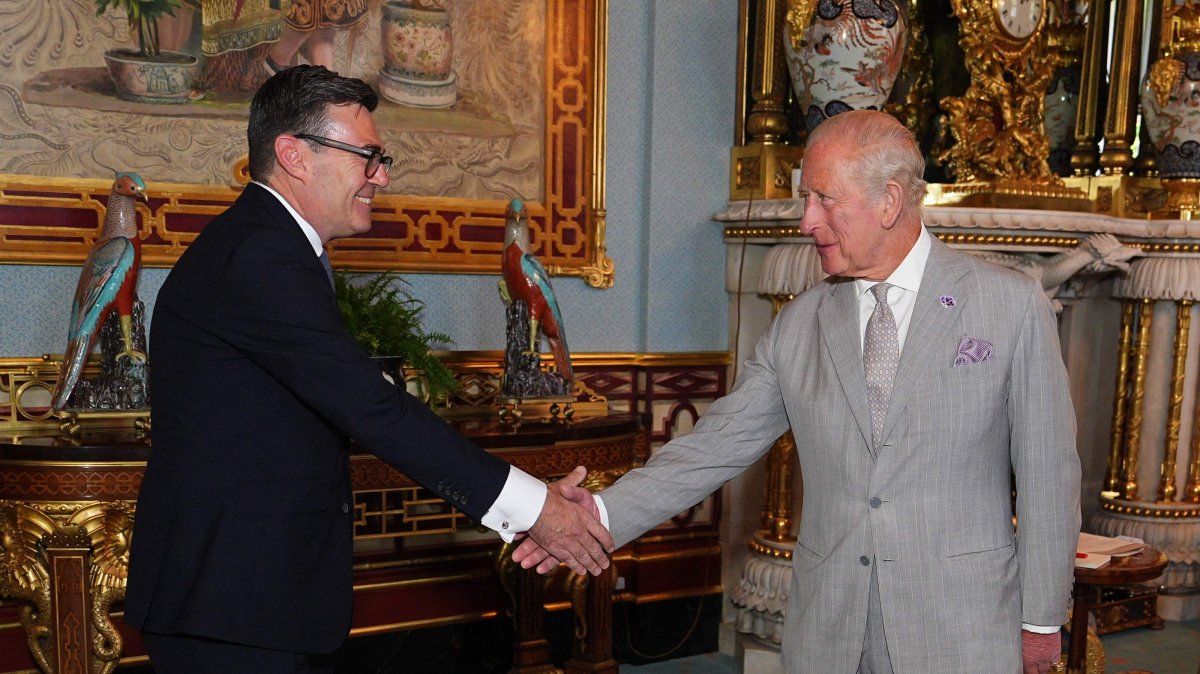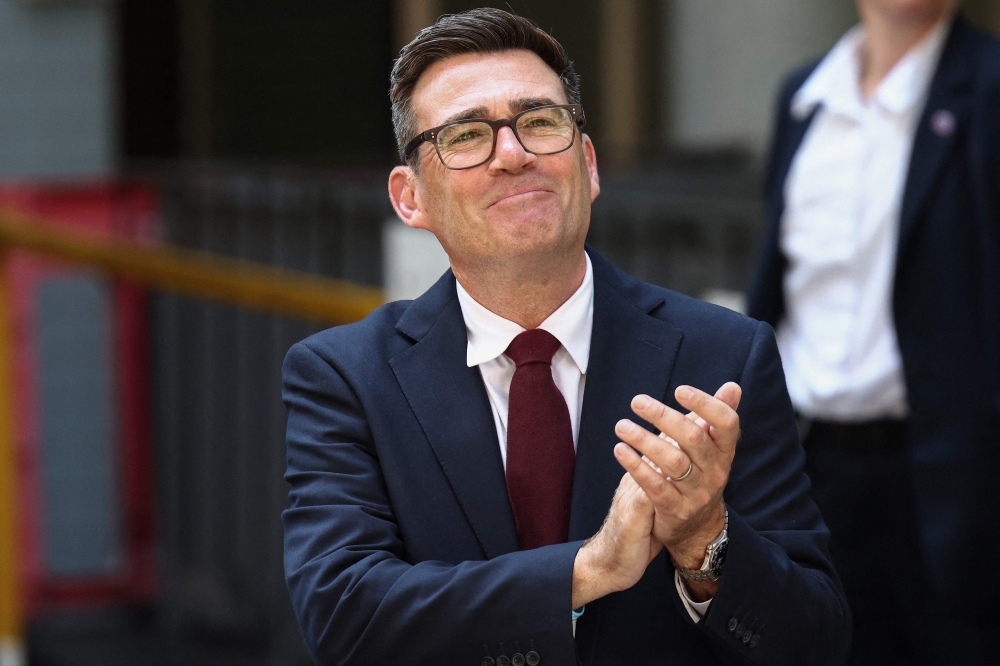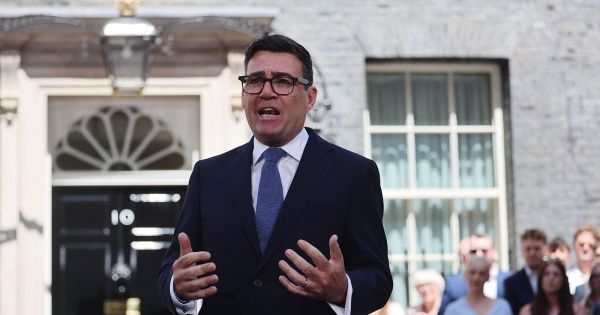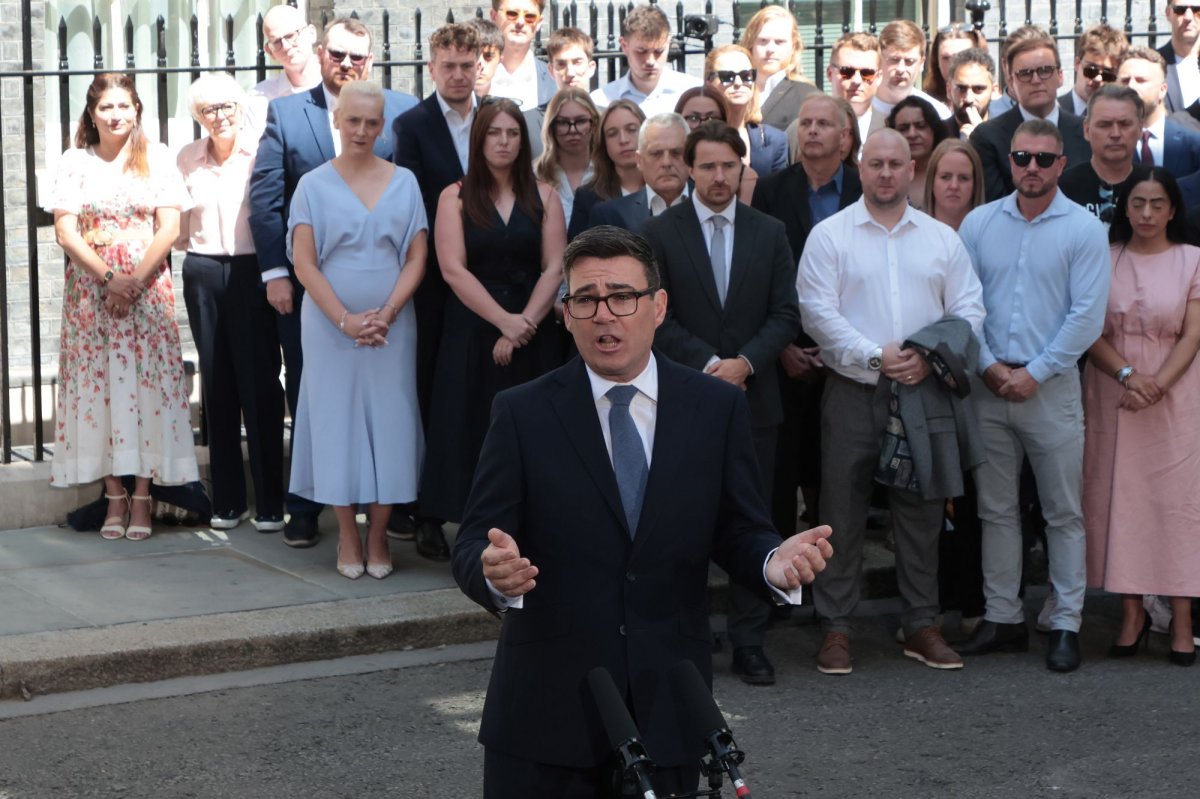
Andy Burnham arrives at a special conference of the Labour Party in London, Britain, on July 17, 2026.
Andy Burnham was confirmed as the United Kingdom's Prime Minister on 20 July 2026, securing one of the fastest political rises in recent British history. He left Westminster in 2017 to become Mayor of Greater Manchester, only returning to Parliament weeks ago via a by-election win, and was crowned Labour leader just three days before entering 10 Downing Street. He becomes Britain's 7th Prime Minister in a decade, a statistic that says as much about the UK's domestic turbulence as it does about Burnham himself.
For observers in the Global South, though, the more pressing question isn't how he got here. It's what, if anything, changes for them now that he has.
The honest answer, so far, is: not much has been said. Burnham's campaign and his first speeches as PM have been almost entirely domestic in focus, welfare reform, the North Sea oil and gas debate, and the existential fight to stop Reform UK's Nigel Farage from capitalising on Labour's collapse in the polls. Analysts at the European Council on Foreign Relations have noted it remains genuinely unclear whether Africa, or the wider Global South, will be a priority for his government at all. That silence is itself telling.