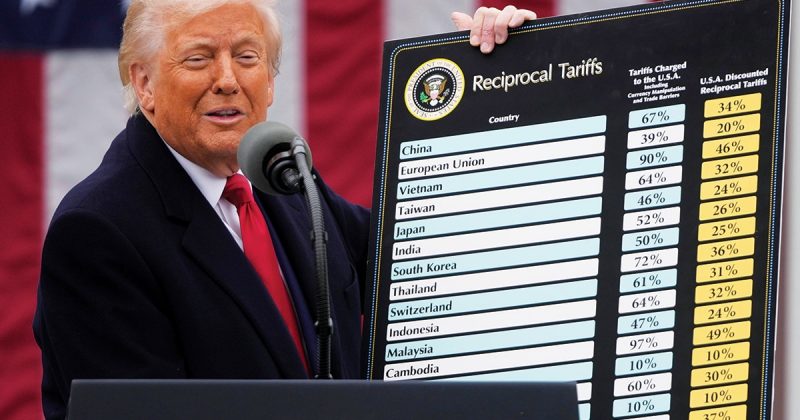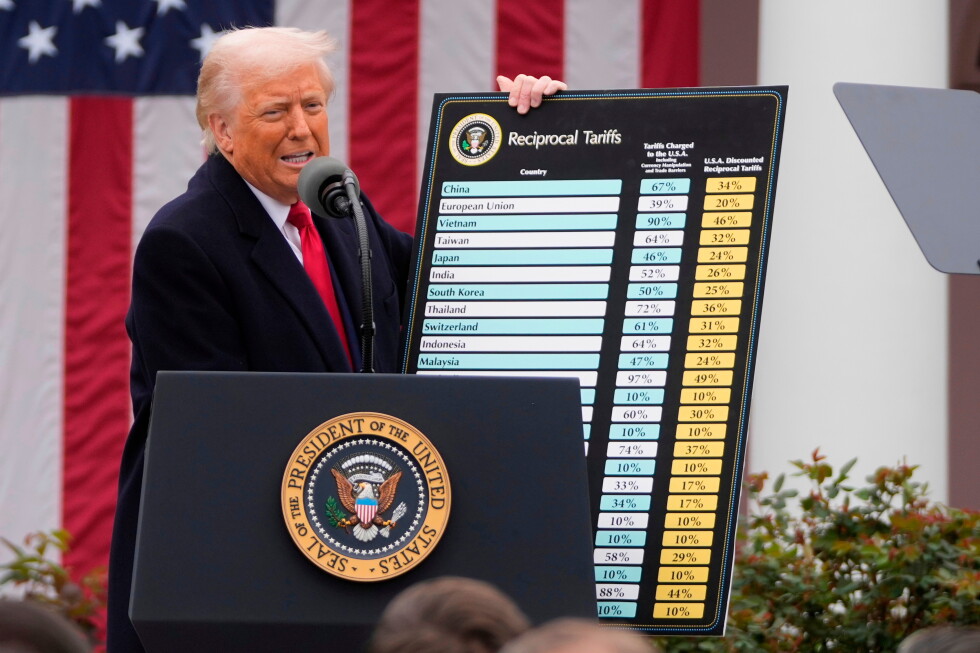
From the start of his second term, US President Donald Trump made clear he would put tariffs at the center of US economic policy. When the Supreme Court invalidated sweeping import duties he’d imposed citing emergency powers, he used a different provision, Section 122 of the Trade Act of 1974, to set a flat 10% levy on imports. Such tariffs are time-limited, however, and Trump’s expire on July 24.
As the deadline approaches, the Trump administration has indicated that it plans to use Section 301 of the same act to replace those tariffs with more durable and roughly equivalent ones based on accusations concerning forced labor. Imports from Brazil have been singled out for 301 tariffs amounting to 25%, though many consumer goods such as coffee and beef are exempted. The administration is also laying the groundwork for possible additional Section 301 levies with an investigation into concerns that 16 major trading partners maintain excess manufacturing capacity. And it plans to expand so-called sectoral tariffs, which are imposed on specific product categories.What are the expected tariffs related to forced labor?
The Office of the US Trade Representative (USTR) is proposing to impose either a 10% or a 12.5% tariff on imports from 60 nations that supply almost all US imports, accusing them of failing to enforce bans on foreign goods made with forced labor and therefore enjoying an unfair competitive advantage. Section 301 allows the USTR, under the direction of the president, to impose tariffs in response to other nations’ trade measures it deems discriminatory to American businesses or in violation of US rights under international trade agreements.Proposed New US Tariffs Related to Forced Labor Accusations | Rate by source