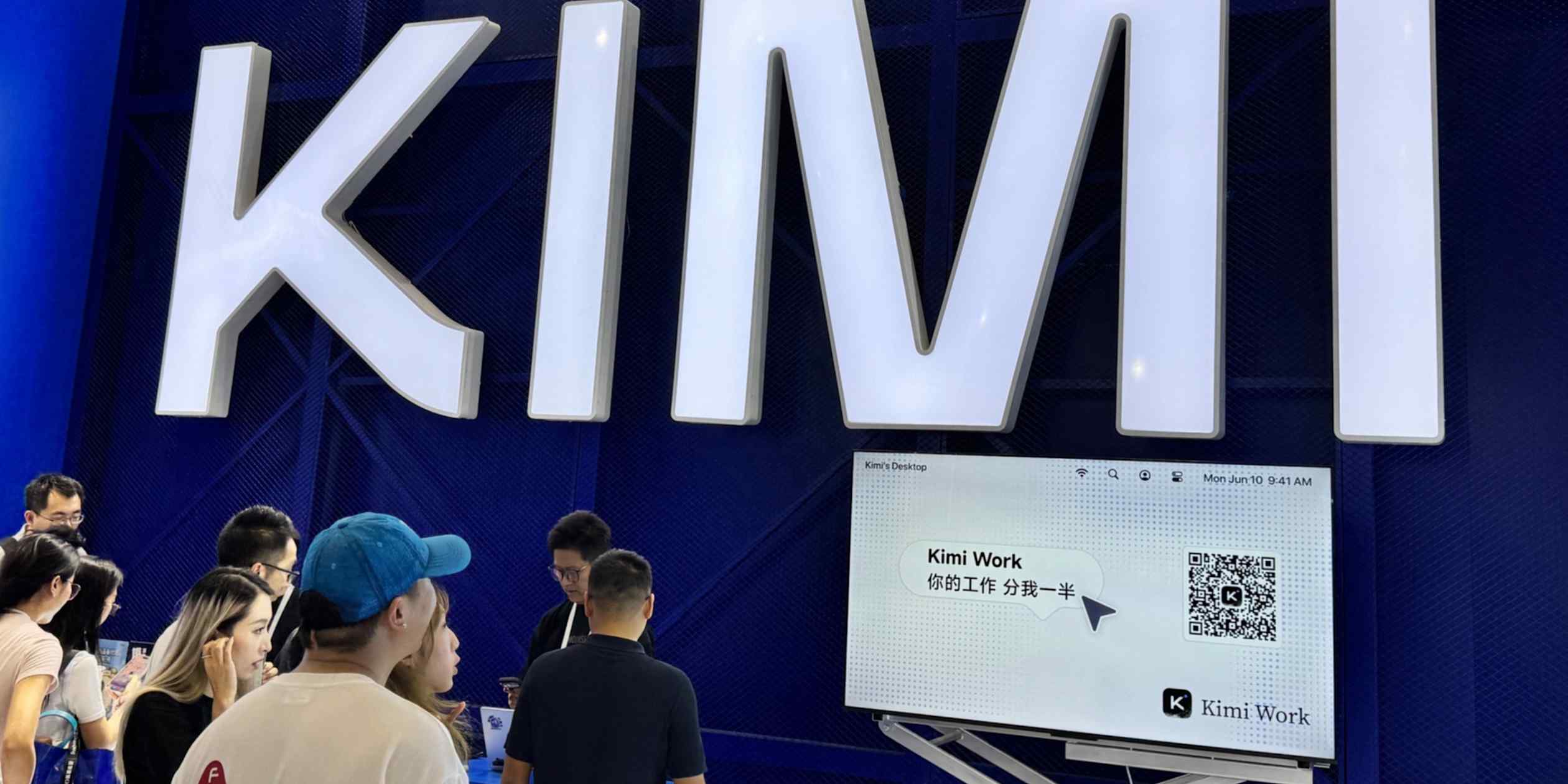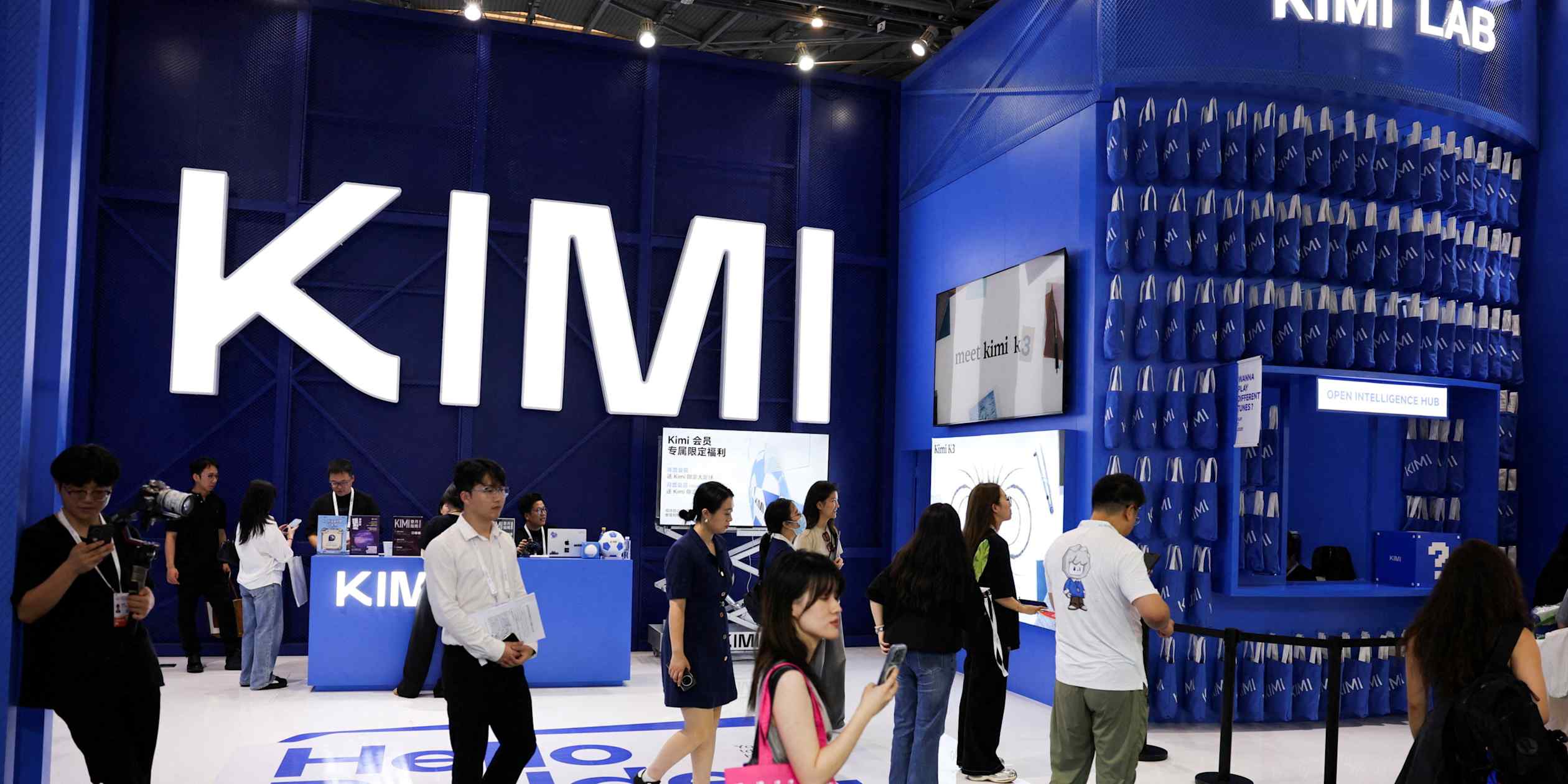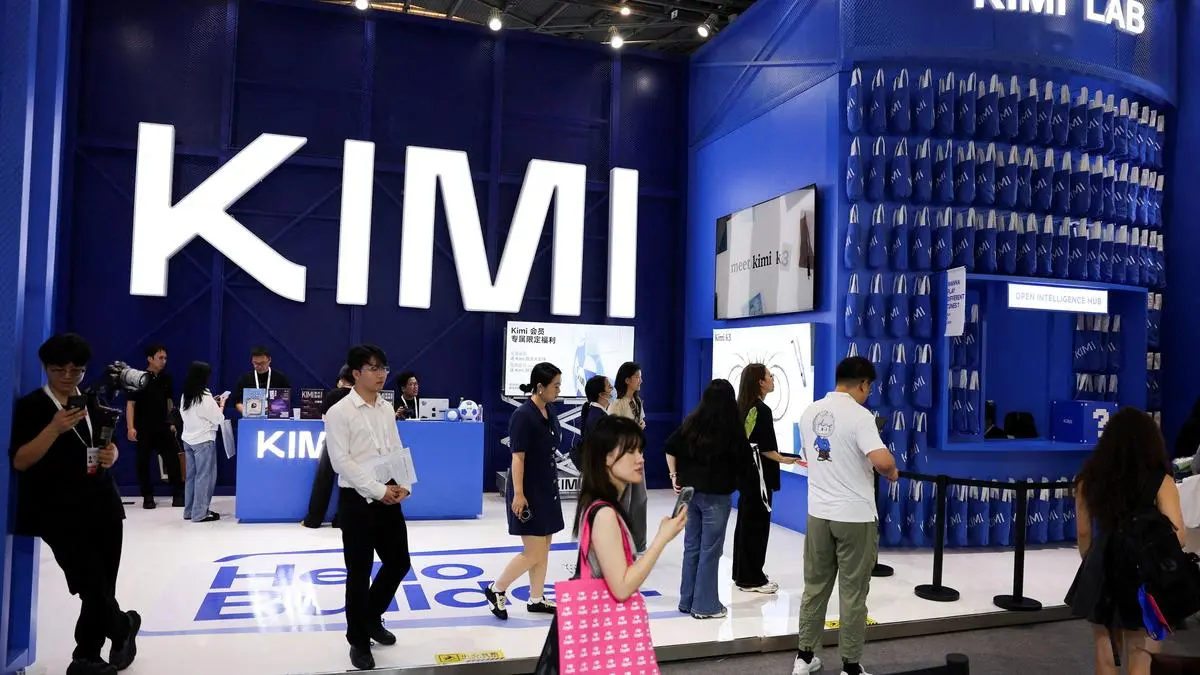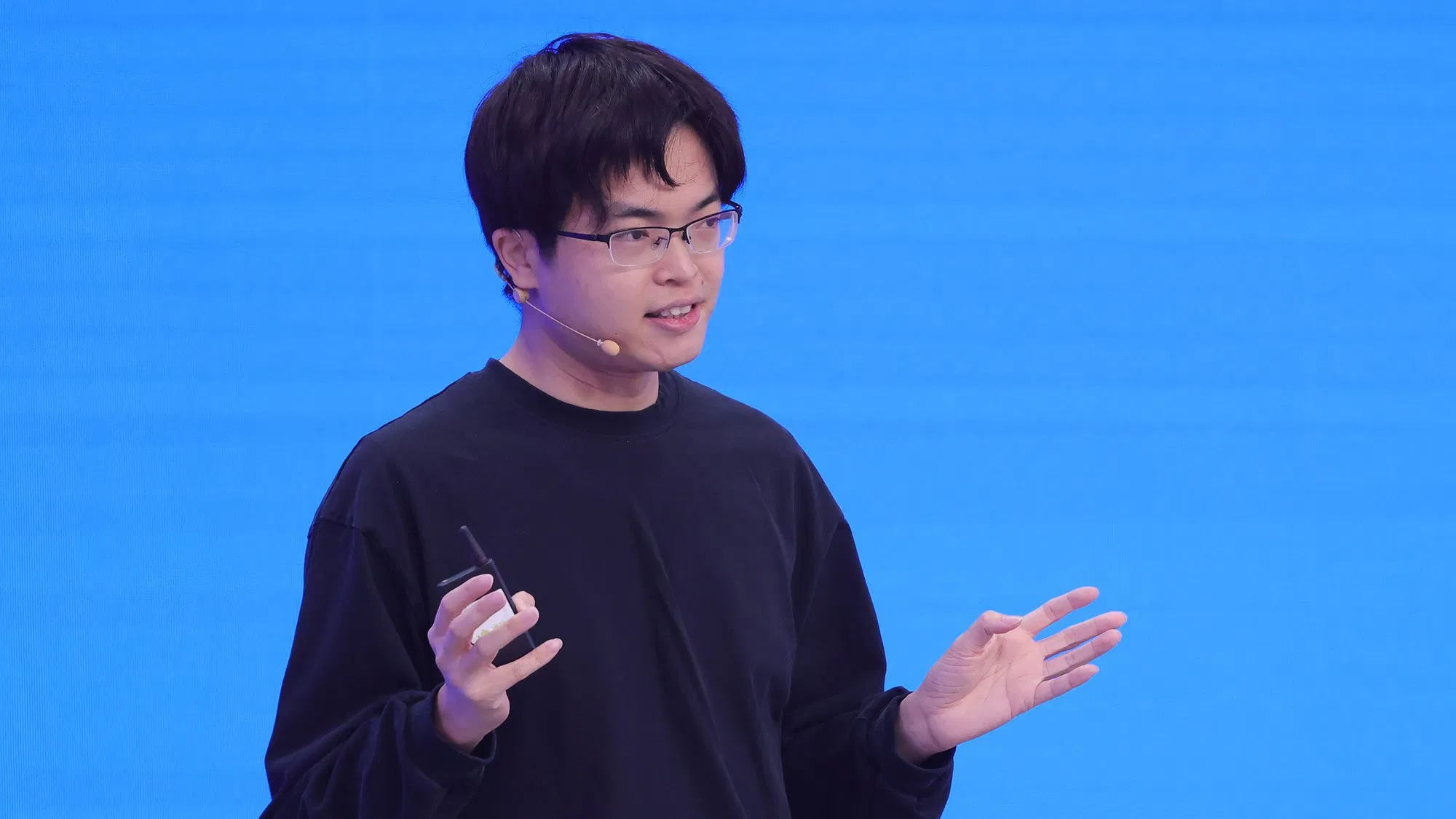
Crowds rushed to an obscure corner of China’s premier tech summit, moving past monumental booths from Alibaba Group Holding Ltd. and Tencent Holdings Ltd. to catch a glimpse of the hottest name in domestic AI.
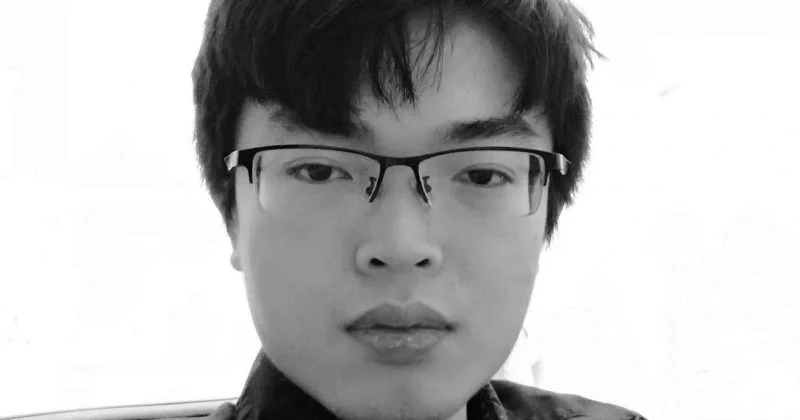
Developers and users at the World AI Conference jostled for a closer look at Moonshot and its Kimi K3 — the giant 2.8 trillion-parameter model whose release on Friday showed China was closing the gap on OpenAI and Anthropic PBC far quicker than anticipated. The startup became an instant global sensation, drawing comparisons to DeepSeek’s 2025 breakout and plaudits from the likes of Elon Musk. Such was the crush over the weekend that Moonshot blew through its entire stock of branded swag in just a few hours.Moonshot’s emergence is a vindication not just for the country’s AI industry, but also for founder Yang Zhilin. The reclusive 33-year-old was the poster child of Chinese AI in the post-ChatGPT era — an alumnus of Carnegie Mellon University, Meta Platforms Inc. and Alphabet Inc.’s Google who’d been expected to help propel the country into the big leagues. Then DeepSeek emerged, and he’s toiled in its shadow ever since.
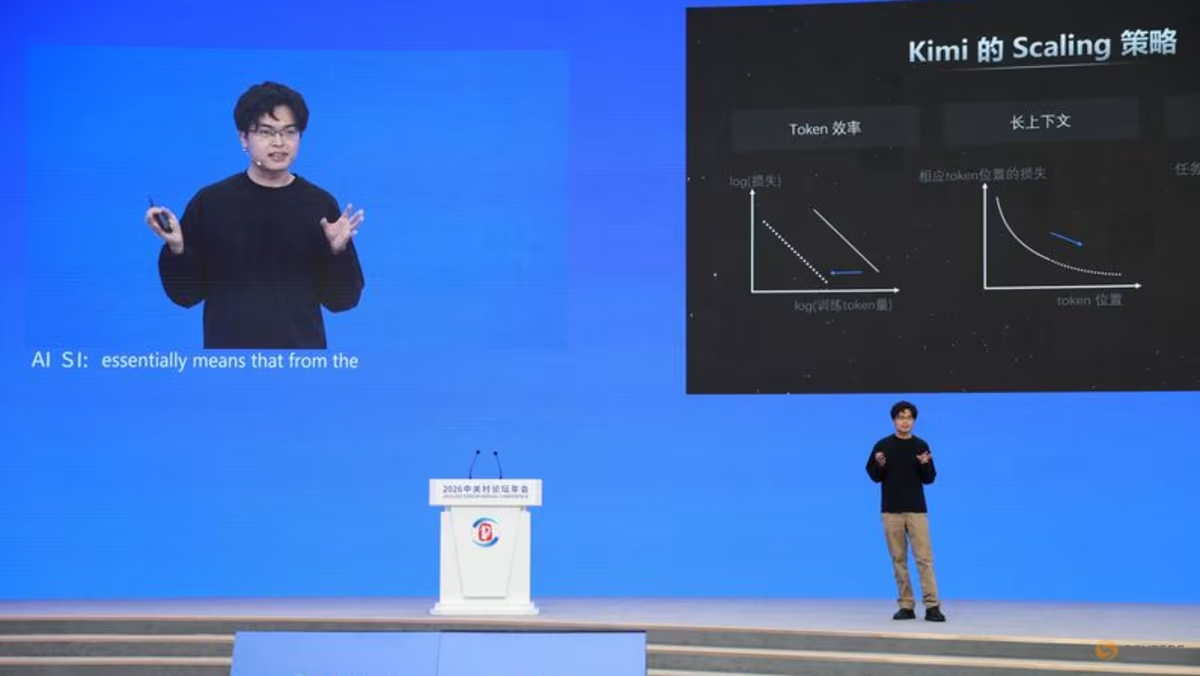
Now, the spotlight has swiveled once more, putting Yang back at the forefront of China’s industry.Kimi K3 outperforms all rivals except for Anthropic’s Claude Fable 5 and OpenAI’s GPT-5.6 on overall capability, according to Artificial Analysis. Musk lauded the model as “impressive,” while OpenAI’s head of strategy, Dean Ball, warned that the open-weight release pushes the tech world closer to “full AI communism.” Investors are bullish, too. The startup is finalizing a funding round that will value it at more than $30 billion, ahead of a Hong Kong public listing in as soon as six months.“OpenAI and Anthropic will be the iPhone, the Chinese models will be the Android,” said entrepreneur and investor Kai-Fu Lee. “So that means the American closed models will make the most money but the Chinese models will get more market share,” he said, adding that he estimates Chinese models are about six months behind US rivals.Yang founded the 300-person outfit along with several technologists from prestigious Tsinghua University, including the lead guitarist of a band he started. They named the company’s Chinese corporate entry after Dark Side of the Moon, Yang’s favorite Pink Floyd album. His love for music is evident across the company. Yang named an earlier version of Kimi’s AI agent OK Computer in honor of Radiohead, and the firm’s meeting rooms sport names like Led Zeppelin, Queen and Nirvana. He also enjoys classical music: there’s a white piano at the front of Moonshot’s office and Kimi’s subscription plans are named Adagio, Andante, and Moderato, after standard musical tempos.Raised in Shantou, a coastal city in China’s southern Guangdong province, Yang displayed an early aptitude for math, winning prizes at the International Mathematical Olympiad. He was awarded early admission to Tsinghua, where he was mentored by Professor Tang Jie, who later co-founded rival startup Z.AI.He eventually moved to the US, where he worked at Meta’s AI division and Google Brain while earning his PhD from Carnegie Mellon under the guidance of Ruslan Salakhutdinov. The computer science professor said his former student’s technology showed Chinese AI won’t fall further than six months behind American rivals but “innovating new things is much harder than catching up,” he told Bloomberg News.Yang is among a raft of US-trained tech wizards who returned to China to make their mark — a point not lost on a number of observers including financier Vinod Khosla, who took the opportunity to call out US immigration policies that he said drove talented individuals back home. Others argue Chinese AI entrepreneurs are simply drawn to their home nation when considering a launchpad.When Yang set out to launch his own company in 2023 to challenge OpenAI, venture capitalists including ZhenFund rushed to finance the venture. Moonshot quickly attained a $1 billion unicorn valuation, and its chatbot, Kimi, emerged as China’s premier ChatGPT alternative.In early 2025, Moonshot launched its closed-source model, K1.5, on the exact same day as DeepSeek’s groundbreaking R1. The unfortunate coincidence caught Yang off-guard, according to people close to him, prompting an emergency meeting soon after they returned from the Lunar New Year holiday. During the pow-wow, Yang decided to open-source Moonshot’s next flagship model – following DeepSeek’s playbook – and encouraged his researchers and engineers to focus on the long term.For Yang, the most immediate blow from DeepSeek was a user exodus. Moonshot had spent tens of millions of dollars advertising its Kimi chatbot, but DeepSeek undid that effort by redefining the market overnight. A slew of other offerings, including Tencent’s Yuanbao, integrated R1 into their own platforms and weaponized it in promotions. In the aftermath, Yang called off marketing for the Kimi chatbot, the people said, shifting focus to an enterprise and coder user base. Moonshot representatives didn’t respond to an emailed query seeking comment.In July 2025, the startup launched K2, earning global praise from developers and investors alike. OpenAI Chief Executive Officer Sam Altman name-dropped Kimi alongside DeepSeek as proof that China’s open-source models were threatening the US lead in the AI race. Silicon Valley startups like Cursor and Perplexity AI began to integrate K2 into their services.During K2’s development, as rivals like MiniMax Group Inc. and Stepfun opted to release smaller models to accommodate chip-constrained Chinese developers, Yang reversed course. He scrapped an earlier plan to build K2 on just 200 billion parameters, instead boosting that number to 1 trillion parameters, convinced the scale was necessary for better long-term performance, people familiar with the matter said. He told colleagues the model’s name symbolized Mount Godwin-Austen, the world’s second-highest peak, in an acknowledgement that Kimi still faced a challenging path to the top, the people said, asking not to be named discussing private communications.K2 followed DeepSeek’s playbook of high-performance, low-cost and open-source architecture, but it also introduced self-developed innovations like an optimizer called MuonClip, which improved training stability and dramatically reduced compute requirements.Throughout the rest of 2025, Moonshot upgraded its models using K2 as a foundation, following up with the K2.5 in January 2026 and launching an agent swarm designed to automate enterprise workflows. That feature helped push its annual recurring revenue past $100 million in March, the people said. The gauge of future sales then hit $200 million in April and $300 million in June, they said.At the same time, buoyed by the stellar debuts of rivals Z.AI and MiniMax, investors flocked to bet on Moonshot. Its valuation surged from $4.3 billion in December to $20 billion in just five months, thanks to backers including IDG Capital, Alibaba, Meituan, and some of China’s biggest state funds.Yang told staff in an end-of-year memo: “Artificial general intelligence is a marathon, and we are still at the very beginning.”Following the release of the Kimi K3, Moonshot’s daily sales have surged by at least six times, forcing the company to temporarily freeze new subscriptions to deal with a compute crunch.“This DeepSeek 2.0 moment was inevitable because China’s governance system creates the arena which guarantees demand, which attracts hundreds of thousands of competitors,” said Andy Mok, senior research fellow at the Center for China and Globalization. “Which company is going to make the breakthrough is unknown.”—Charlie Zhu, Zheping Huang–With assistance from Saritha Rai, Dong Lyu, Micah Barkley, Vlad Savov, Haze Fan and Debby Wu.Disclaimer: This report is auto generated from the Bloomberg news service. ThePrint holds no responsibility for its content.