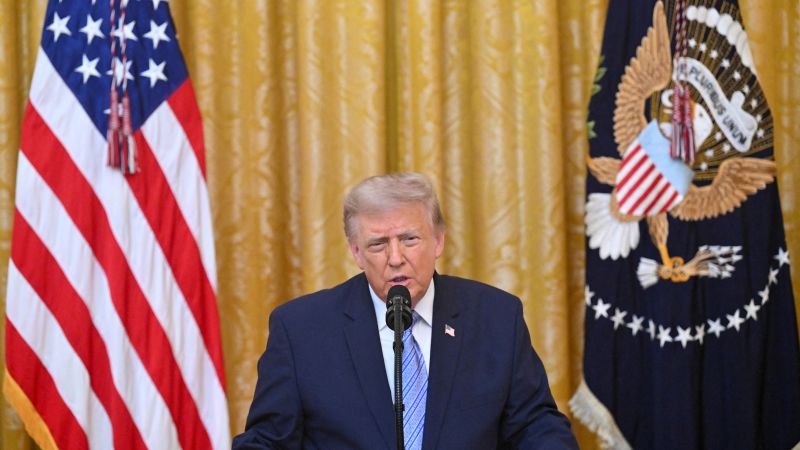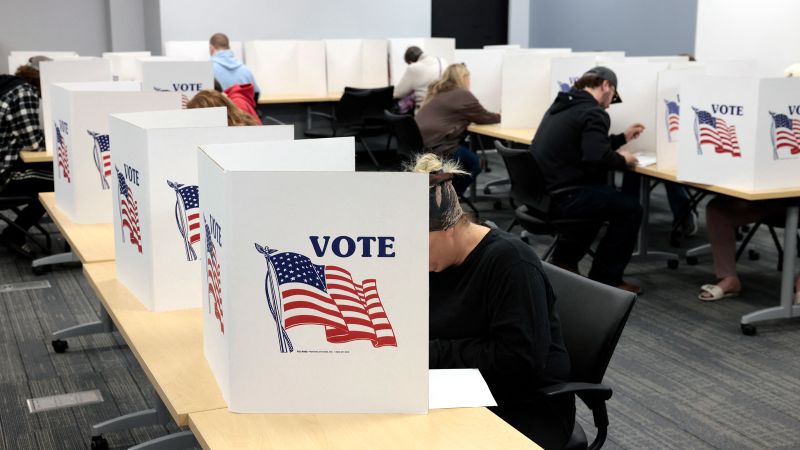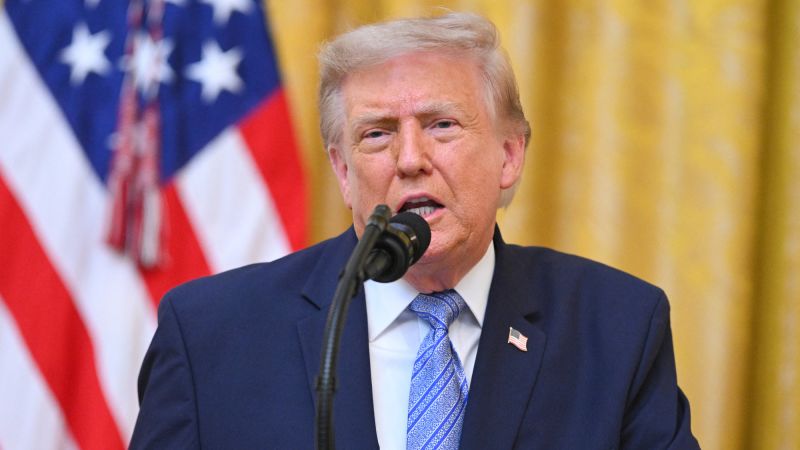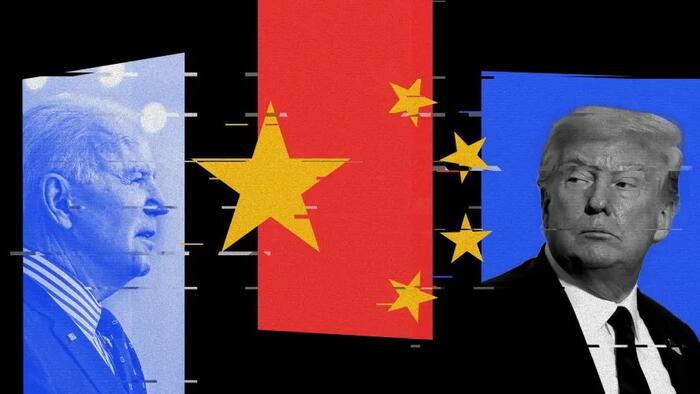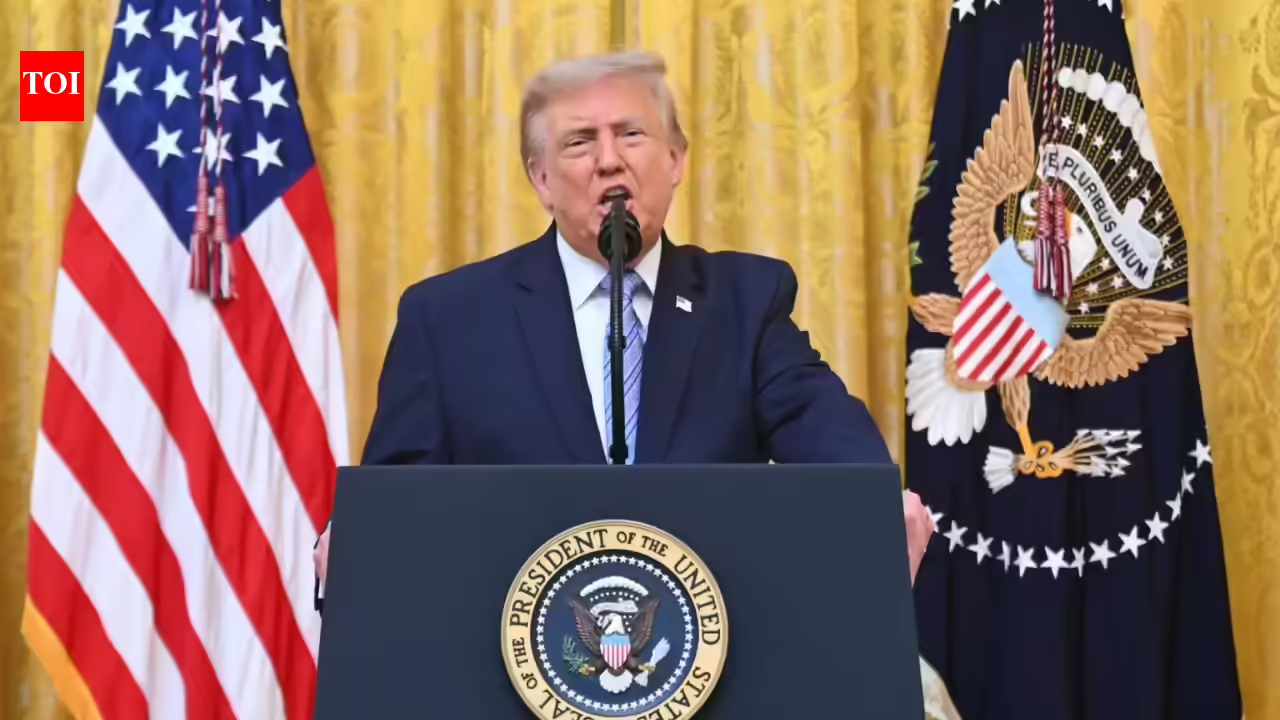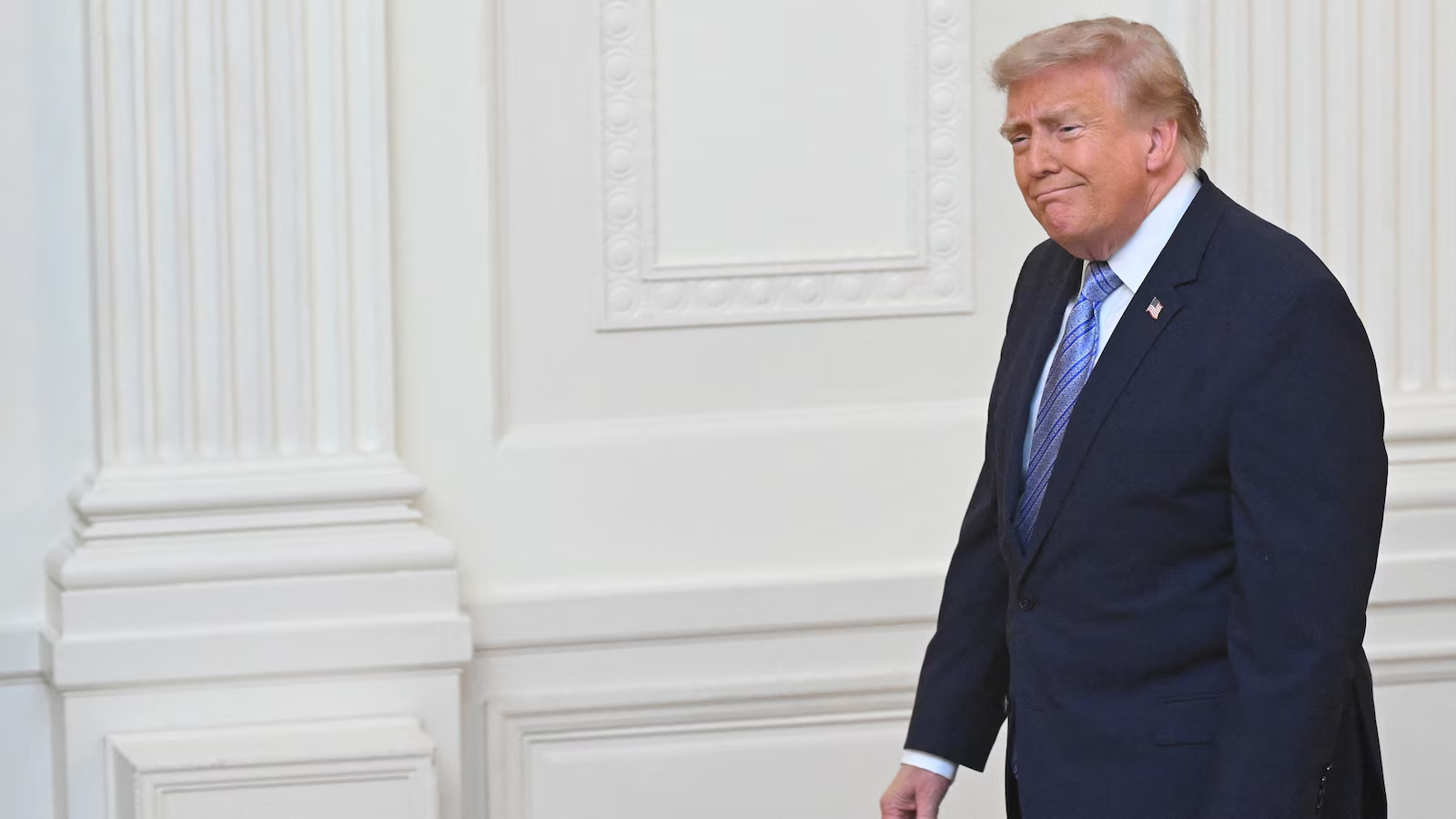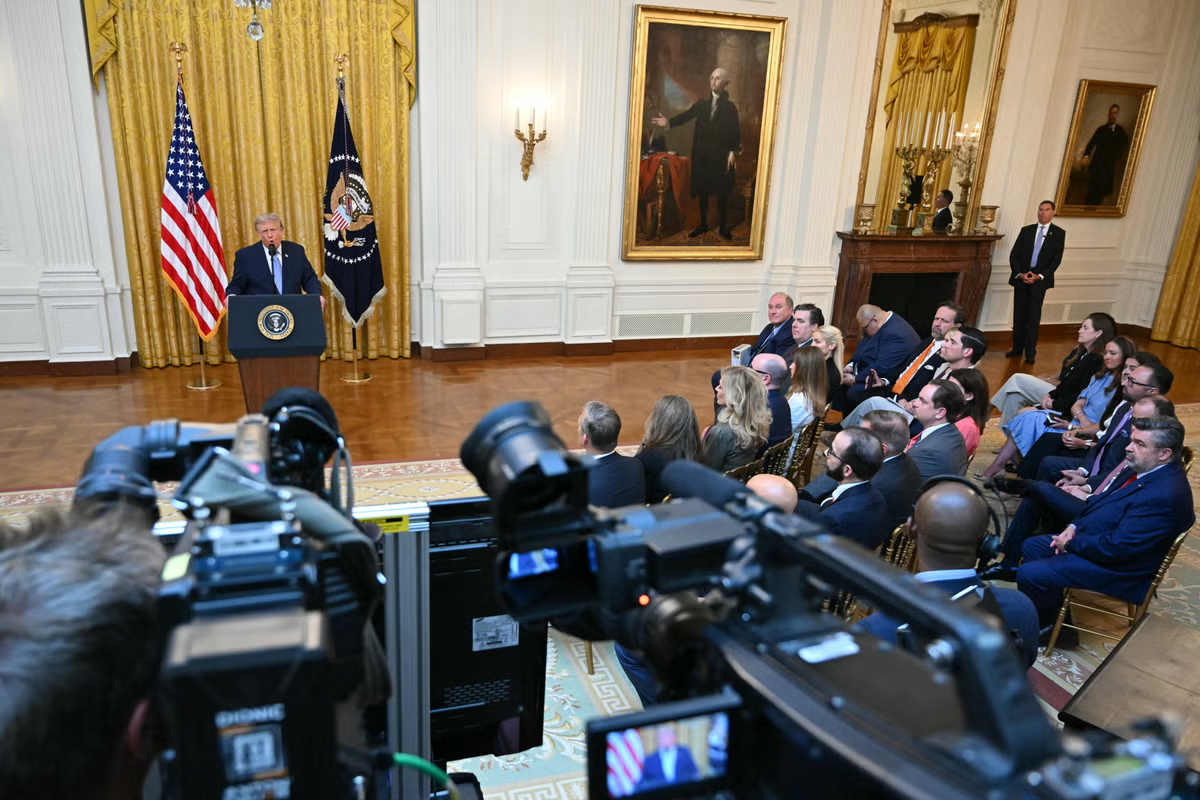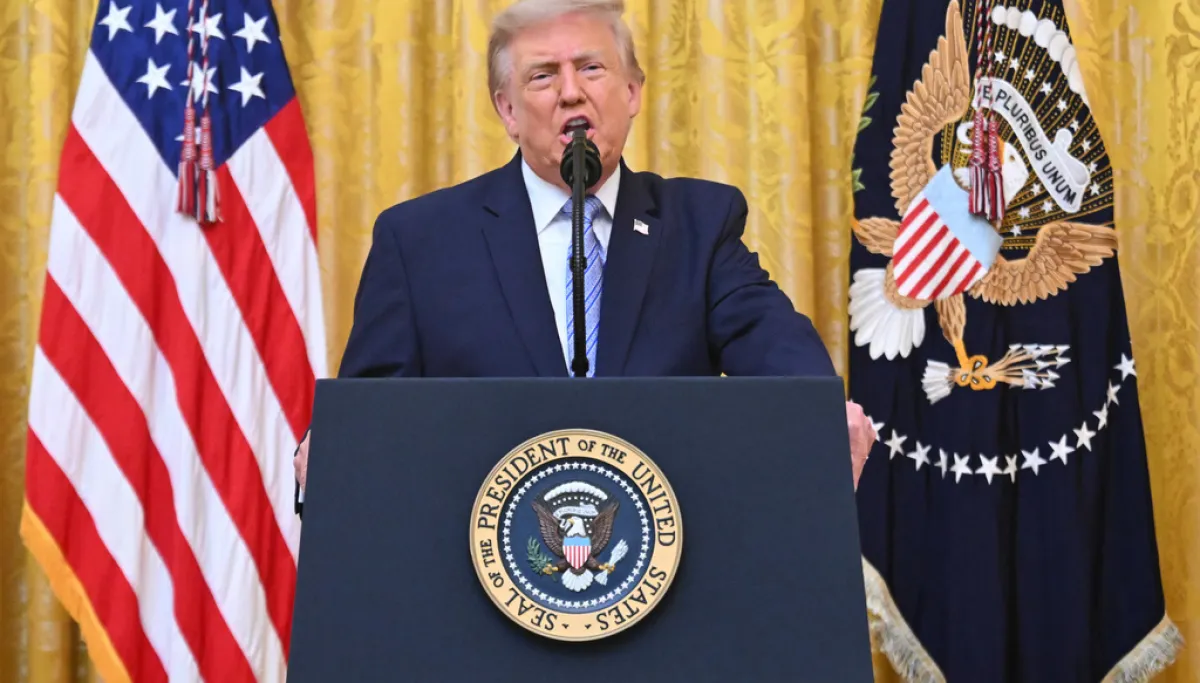
Last Thursday night, President Donald Trump used a primetime address to announce the declassification of records concerning American elections. Most of the commentary since has focused on whether the material proves what he says it proves. That argument will take months, as it should. Meanwhile, the question that matters most to the people responsible for keeping this country safe is going unasked.The question is: What happens to a free society when a large share of its citizens stop believing that the institutions responsible for telling them the truth are telling them the truth? Erosion of that belief is not a cultural complaint. It is a security condition, and our adversaries read it far more carefully than we do.We harden substations, segment networks, and build redundancy into water systems. What we underinvest in is the least tangible asset in the inventory: the public’s willingness to believe official information when it arrives.
That willingness does real work. It is what allows an evacuation order to move a city, a public health advisory to change behavior, and an election result to be accepted by the side that lost. Strip it out, and the pipes still carry water, and the servers still route traffic, but the instruction set stops running, because nobody trusts the instruction.Foreign intelligence services understand this. One of the cheapest ways to attack a free society is not to break its systems. It is to convince the population that its systems are already broken, and then to let the population do the rest of the work.What was alleged, and what it costs either way